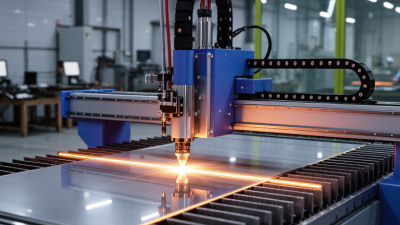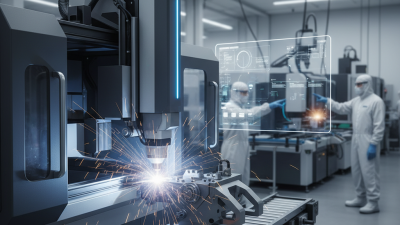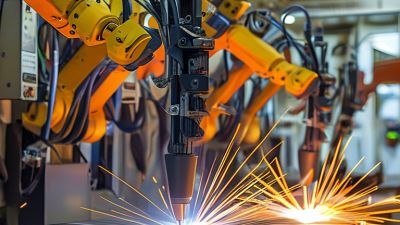
A Laser Welding Machine joins metal by concentrating a focused beam of light on a small area. The beam heats the joint, melts the edges, and forms a weld as the metal cools. The process can create narrow seams with limited heat spread. That precision is useful. It is not automatic.
Laser-welding author John Powell’s work informs this practical paraphrase, not a verbatim quotation: “A reliable weld depends on the whole process, not just the laser.” That means checking the joint fit, material, beam focus, and travel speed—not simply turning up the power. Even a small gap between parts can affect the finished seam. So can a dirty surface or unstable fixturing.
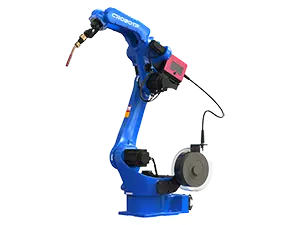
The equipment typically includes a laser source, optics, a motion system, controls, and suitable safety enclosures. Some machines use a handheld welding head; others work with automated fixtures or robotic arms. The best setup depends on the part’s shape, thickness, production needs, and required weld quality. There is no universal setting.
This guide explains how a Laser Welding Machine works, its main components, and where it may be a good fit. It also covers limitations worth considering. A glossy sample weld can look convincing, yet still hide inconsistent penetration. Inspection and process trials matter. Real parts are less forgiving than demonstrations.
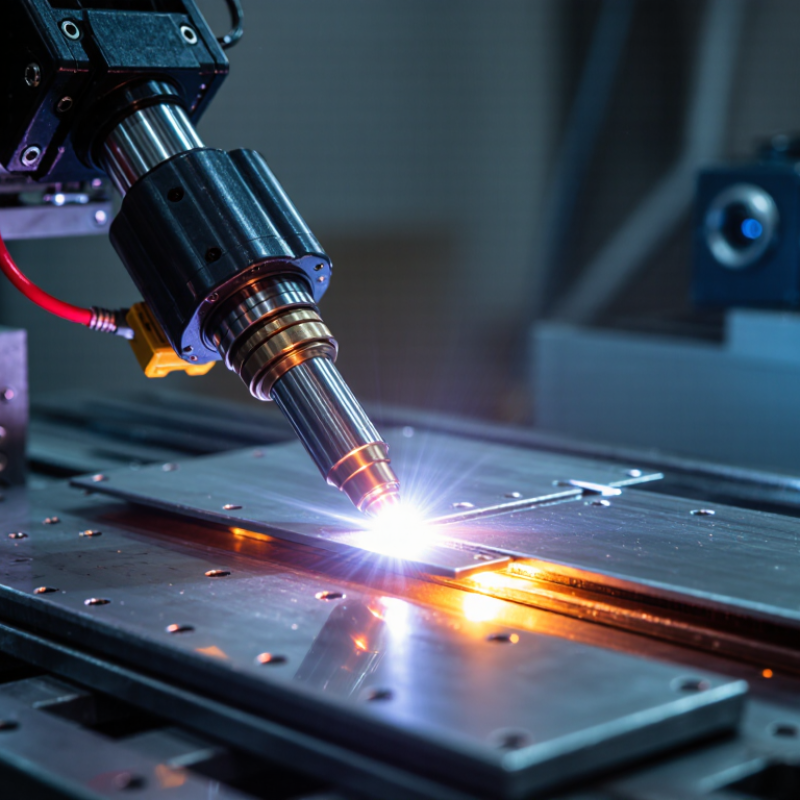
What Is a Laser Welding Machine?
What a Laser Welding Machine Is
A laser welding machine joins metal by focusing a concentrated beam of light onto a small area. The heat melts the joint edges, which then fuse as they cool. Some applications use filler material; others rely on the base metals alone. The machine typically includes a laser source, focusing optics, controls, and a workholding or motion system. Some systems are handheld. Others guide the beam along a programmed path.
At the workpiece, the beam forms a bright, localized spot. A technician checks the joint fit, focus position, and travel speed because small changes can affect penetration and bead shape. Shielding gas may protect the hot metal from the surrounding air. Thin sheet can distort, while reflective metals may need careful process setup. The name sounds simple. The setup is not.
Automation is one setting where laser welding machines are used. The International Federation of Robotics reported 541,302 industrial robot installations worldwide in 2023 in its World Robotics 2024 report. That figure covers industrial robots generally, not laser welding machines specifically, but it shows the scale of automated production in which welding processes operate. In practice, a clean-looking seam still needs inspection: appearance alone cannot confirm internal weld quality, and process parameters should be validated for each material and joint.
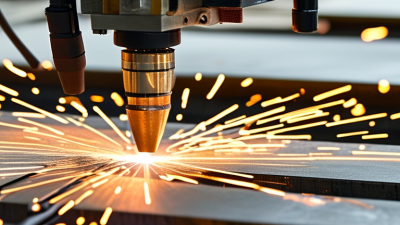
A laser welding machine joins materials by focusing a laser beam onto the joint, creating heat that melts and fuses the material. Different laser sources operate at different wavelengths.
About the chart: These are approximate representative wavelengths: fiber lasers operate near 1.07 μm, Nd:YAG lasers near 1.064 μm, and CO₂ lasers near 10.6 μm. Wavelength can affect how a material absorbs laser energy; it does not, by itself, determine weld quality or speed.
A laser welding machine joins materials by focusing a concentrated beam of light onto a joint. The beam heats the edges until a small molten pool forms. As the pool cools, the materials fuse into a solid seam. That is the basic process.
Very little heat spreads nearby. This can help limit distortion, especially on thin parts or delicate assemblies. In deeper welds, the beam may create a narrow cavity called a keyhole, allowing energy to reach below the surface. The result depends on beam power, travel speed, focus, and material thickness. Small changes matter.
Before welding, parts need close contact and clean surfaces. A visible gap can weaken the joint or interrupt the seam. Shielding gas may protect the hot metal from air, depending on the material and process. Some jobs also use filler wire. It is not always needed.
Different metals can respond unevenly to heat, so their compatibility deserves careful checking. A smooth-looking seam is useful, but it does not prove the weld is sound; inspection methods should match the part’s purpose. In practice, setup takes judgment, and even experienced operators may need test pieces to refine the settings.
What Is a Laser Welding Machine?
The Main Components of a Laser Welding Machine
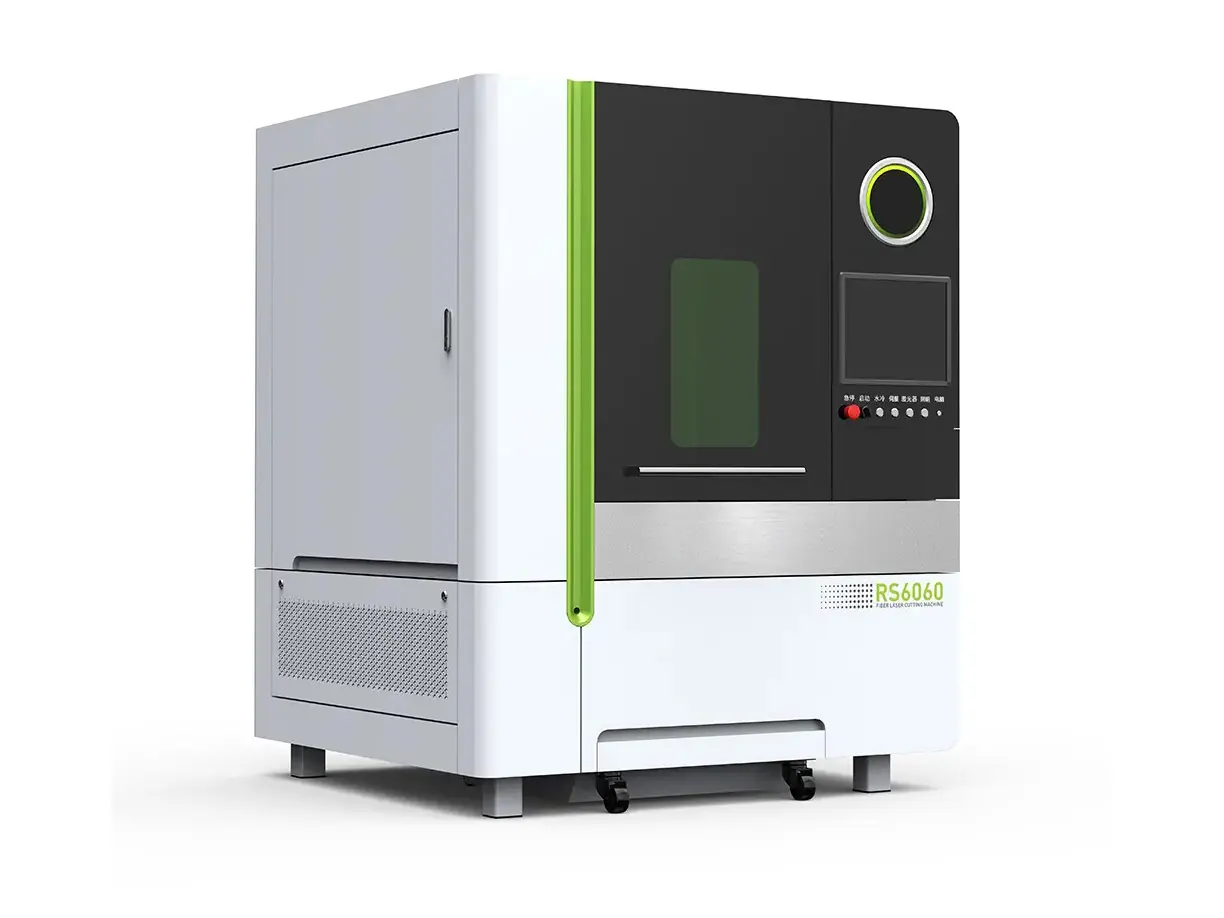
A laser welding machine brings several systems together to create a controlled weld. Its laser source generates the beam, while optics guide and focus it onto the joint. The welding head holds these optics and may include a nozzle for shielding gas. A focused beam can create a small, concentrated weld area. Small details matter.
The motion system moves the head, workpiece, or both along the seam. Some machines use a fixed worktable; others rely on robotic movement. Controls let an operator set parameters such as power, travel speed, and pulse timing. A cooling unit helps manage heat in the laser source and other components. The workpiece still needs careful positioning. A small gap or dirty edge can affect the finished weld.
Many setups also include shielding-gas equipment and protective enclosures. Gas can help limit oxidation around the weld, while an enclosure reduces exposure to hazardous laser light. Interlocks may stop the beam if a guarded door opens. Before production, operators should check focus, material fit-up, and parameter settings on representative samples. Results can vary with material thickness and joint geometry. Even with a well-equipped machine, finding stable settings may take trial and adjustment.
| Component | Main function | Typical technical details | Why it matters |
|---|---|---|---|
| Laser source | Generates the concentrated light energy used to melt and join material. | Industrial systems may use fiber, disk, or CO₂ laser sources. Many fiber and disk systems operate near 1.03–1.08 μm; CO₂ systems operate near 10.6 μm. | Wavelength, output power, beam quality, and operating mode affect material absorption, weld speed, and achievable weld characteristics. |
| Power supply and control electronics | Provide and regulate power to the laser source and coordinate machine functions. | Controls commonly manage output settings, operating modes, alarms, and interlocks. Available controls depend on the system design. | Stable, repeatable settings help maintain consistent welding conditions and support fault monitoring. |
| Beam-delivery system | Carries the laser beam from the source to the welding head or work area. | Many fiber-laser systems use an optical delivery fiber; other laser types may use mirrors or enclosed beam paths. The delivery method must suit the source wavelength and power. | Protecting and correctly routing the beam path helps preserve beam quality and supports safe operation. |
| Welding head and focusing optics | Direct and focus the beam onto the joint; some heads also provide a wire-feed or beam-wobble function. | Optical assemblies typically include collimating and focusing elements. Focal length and spot size are selected for the process and workpiece. | Focus position and spot size influence energy density, joint access, and weld formation. Optics require suitable protection and maintenance. |
| Motion system or workpiece positioning system | Moves the welding head, workpiece, or both along the programmed seam. | Depending on the machine, motion may be manual, robotic, or controlled by linear and rotary axes. | Accurate, repeatable motion helps keep the beam aligned with the joint and maintain the programmed travel speed. |
| Shielding-gas system | Supplies gas near the weld pool to help protect it from the surrounding atmosphere. | Gas type, flow, and nozzle arrangement are selected for the material and procedure. Argon and helium are examples used in some welding applications. | Appropriate shielding can reduce atmospheric contamination; requirements differ by material and process. |
| Cooling system | Removes heat from components that require thermal management, such as the laser source or welding head. | Depending on system design and power, cooling may be air-based or use a temperature-controlled liquid circuit. | Correct cooling helps keep components within their specified operating temperatures and supports reliable operation. |
| Fixture and workholding | Locates and holds parts in position during welding. | Fixtures are designed around part geometry, joint access, and production requirements; clamps or locating features may be included. | Consistent fit-up and positioning help the beam follow the joint and reduce variation between parts. |
| Safety enclosure and interlocks | Reduce exposure to hazardous laser radiation and restrict access during operation. | Enclosed systems may use protective housing, access doors, and interlocks. Required safeguards depend on laser class, installation, and applicable regulations. | Laser welding can present serious eye and skin hazards; safeguards and procedures should follow applicable standards and a risk assessment. |
Note: Component choices and specifications vary with laser type, material, joint design, and production requirements.
Laser welding machines are commonly classified by laser source, operating mode, and delivery setup. These labels overlap, so a “handheld fiber laser” and a “robotic continuous-wave system” describe different features, not competing machine families. That distinction matters when comparing equipment.
Fiber lasers are widely used for metal fabrication because their focused beam suits thin sheets, seams, and automated cells. CO2 systems remain relevant for some materials and established processes, while diode lasers can suit selected heating and joining applications. Pulsed machines deliver energy in short bursts, helping limit heat input on small parts. Continuous-wave machines provide a steady beam for longer seams and higher-speed production.
Small welds. Less heat. Not always. Joint fit and material thickness still affect results.
Machines can also be handheld or integrated with robots. Handheld units offer operator flexibility, but consistent results depend on training, fixturing, and process settings. Robotic cells support repeatable paths and higher production volumes. The International Federation of Robotics reported 541,302 industrial robots installed worldwide in 2023 in World Robotics 2024. That figure covers all industrial robots, not laser-welding systems specifically, but it reflects the scale of factory automation supporting integrated welding cells. In practice, the best type depends on the part, seam access, and required cycle time; labels alone can make the choice look easier than it is.
Laser welding machines join materials by concentrating light into a small, intense heat zone. Stainless steel and carbon steel are common choices because they absorb the beam reliably and suit many production tasks. Aluminum can also be welded, though its reflectivity and heat conductivity require careful control. Titanium and nickel alloys are used in specialized components, where cleanliness and shielding gas matter. Material thickness, surface condition, and joint design all affect the result. Fit-up matters.
Applications range from thin enclosures and sensor housings to automotive parts and precision equipment. A focused beam can produce narrow welds with limited surrounding heat, useful when nearby components are sensitive.
In practice, though, a fast process is not automatically an easy one. Gaps between parts can cause inconsistent welds, and reflective metals may need adjusted settings or suitable equipment. Not always. Test coupons made from the actual material can reveal issues before production begins. Operators should inspect weld depth and consistency, rather than judging a seam by appearance alone. Even a neat-looking weld may need closer review.