Best Handheld Laser Welding Machine for Your Needs?
In today's fast-paced world, the demand for efficient welding solutions is increasing. The Handheld Laser Welding Machine stands out as a versatile option for various industries. Its portability and precision make it suitable for both professionals and DIY enthusiasts.
This technology offers significant advantages over traditional welding methods. Users benefit from reduced heat distortion and faster processing times. However, selecting the right model can be challenging due to numerous available options. Factors like power output, weight, and ease of use are crucial.
Investing in a Handheld Laser Welding Machine should align with your specific needs. Whether it’s for intricate repairs or large-scale projects, understanding these nuances is essential. Ultimately, the right choice could elevate your welding capabilities.
Overview of Handheld Laser Welding Machines
Handheld laser welding machines represent a significant advancement in the field of welding technology. These tools are designed for ease of use, portability, and precision. They are ideal for various applications, including metal fabrication and repair tasks. Skilled welders can achieve high-quality welds with minimal heat distortion. This efficiency saves time and material costs.
Many professionals appreciate the lightweight design of handheld laser welders. They can maneuver easily around intricate parts. This accessibility is a game-changer for projects with limited space. However, mastering this technology can be a challenge. Welders must understand the optimal settings for different materials. Each project may require adjustments to ensure a strong bond.
Despite their advantages, not all handheld laser welders deliver consistent results. Variability can occur based on welding speed and laser power. Welders need to pay attention to these factors. Precision often relies on practice and experience, especially for complex geometries. The learning curve can be steep, and some users may find it frustrating. Thus, a consideration of one's skill level is crucial when selecting a handheld laser welding machine.
Best Handheld Laser Welding Machines - Performance Comparison
Key Features to Consider When Choosing a Handheld Laser Welder
When selecting a handheld laser welder, certain features can make a significant difference in performance and usability. One critical aspect is beam quality. A focused, stable beam allows for precision in welding, which is vital for intricate projects. According to industry data, a high-quality laser can reduce power loss by up to 30%. This efficiency not only saves time but also ensures cleaner welds.
Another important feature is portability. Weighing less than 10 kg can make a handheld laser welder easy to maneuver, reducing operator fatigue. This is especially important in confined spaces or when working overhead. Furthermore, a machine with a robust ergonomic design can enhance comfort, leading to better productivity over extended periods. However, a lighter model may sometimes compromise on power, which needs careful consideration.
Cooling systems play a role too. A reliable cooling system ensures the laser operates consistently without overheating, which can impact weld integrity. Some devices feature advanced cooling technologies that extend the machine's lifespan and reduce maintenance needs. However, these systems can also add weight. Operators must assess their priorities based on the specific demands of their projects. Understanding these nuances can lead to a more informed decision when choosing a laser welding machine.
Types of Materials Compatible with Handheld Laser Welding
When exploring handheld laser welding machines, understanding compatible materials is crucial. Commonly used metals include stainless steel, aluminum, copper, and nickel alloys. Each material presents unique challenges. For instance, aluminum requires specific settings to avoid thermal distortion. Stainless steel is often favored for its strength and corrosion resistance, but it can still be tricky to weld correctly.
Plastics are another area worth considering. Certain laser machines can weld plastics effectively. However, different types of plastics respond variably to laser welding. It’s essential to choose the right equipment that can adjust parameters accordingly. Another challenging aspect is composites; they can be difficult to handle. Improper settings might lead to weak joints.
Welding dissimilar materials increases complexity. For example, combining metal with plastic can result in bonding challenges. Users must test their settings to ensure optimal results. Handheld laser welding offers flexibility but demands a clear understanding of material compatibility to avoid issues. Balancing these elements takes experience, and users should not overlook the learning curve involved.
Best Handheld Laser Welding Machine for Your Needs? - Types of Materials Compatible with Handheld Laser Welding
| Material Type |
Thickness Range (mm) |
Welding Speed (m/min) |
Laser Power (W) |
Notes |
| Stainless Steel |
0.5 - 5 |
0.5 - 3.0 |
1000 - 2000 |
Excellent corrosion resistance |
| Aluminum |
0.5 - 3 |
0.3 - 2.5 |
500 - 1500 |
Requires special consideration for reflectivity |
| Copper |
0.1 - 2 |
0.2 - 1.5 |
1500 - 3000 |
Good thermal conductivity |
| Mild Steel |
0.5 - 8 |
0.5 - 4.0 |
1000 - 2000 |
Widely used in fabrication |
| Titanium |
0.5 - 4 |
0.3 - 2.0 |
1000 - 1500 |
High strength-to-weight ratio |
Comparative Analysis of Leading Brands in the Market
When choosing a handheld laser welding machine, understanding the key features of various brands can help you make an informed decision. Look for machines that offer adjustable power settings for precision, ensuring that you can adapt to different materials. Efficiency is another critical factor. Some machines may have short duty cycles, limiting their performance during larger projects.
Safety features should also hold importance in your analysis. Built-in cooling systems can prevent overheating, prolonging the machine's life. Some models have automatic shutoff features, which provide additional peace of mind. It's essential to consider the ergonomics of the design as well, since extended use can strain the operator.
User reviews often highlight real-world experiences that technical specs cannot capture. Some users praise robust build quality, while others point out the learning curve associated with complex controls. These insights can further guide your choice, revealing nuances that may influence your productivity. An informed decision balances technical attributes with practical feedback from real users.
Safety Measures and Best Practices for Using Laser Welders
Using a handheld laser welding machine requires strict safety measures. These devices harness powerful lasers, posing risks if not handled properly. Protective gear is essential. Wear appropriate goggles, gloves, and long sleeves to prevent injuries. Ensure your workspace is clean and organized. This helps prevent accidents during the welding process.
Tips: Always check your equipment before starting. Inspect the laser for any signs of damage. Proper ventilation is crucial. Toxic fumes may be released during welding, so work in a well-ventilated area or use fume extraction systems. This protects your health and those around you.
Maintaining a safe distance from the laser beam is also vital. Even brief exposure can cause serious injuries. Additionally, keep flammable materials away from your workstation. This promotes a safe environment. Regular training sessions on using laser welders effectively can enhance safety practices and build confidence among users.

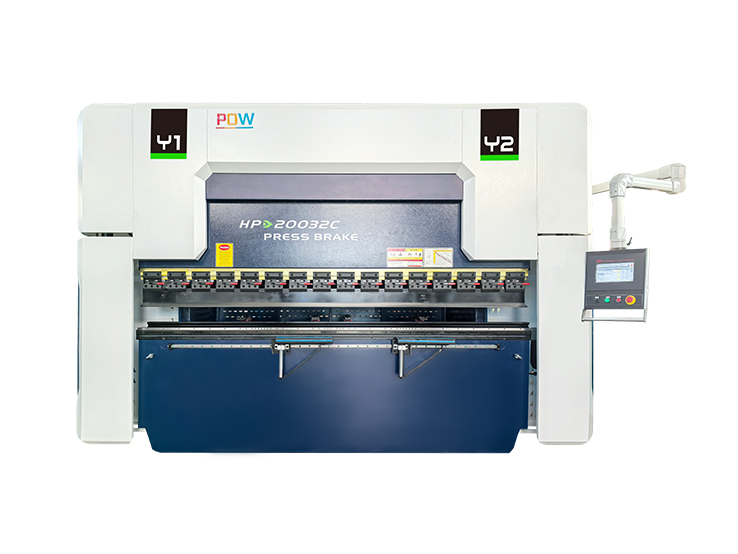 Press Brake
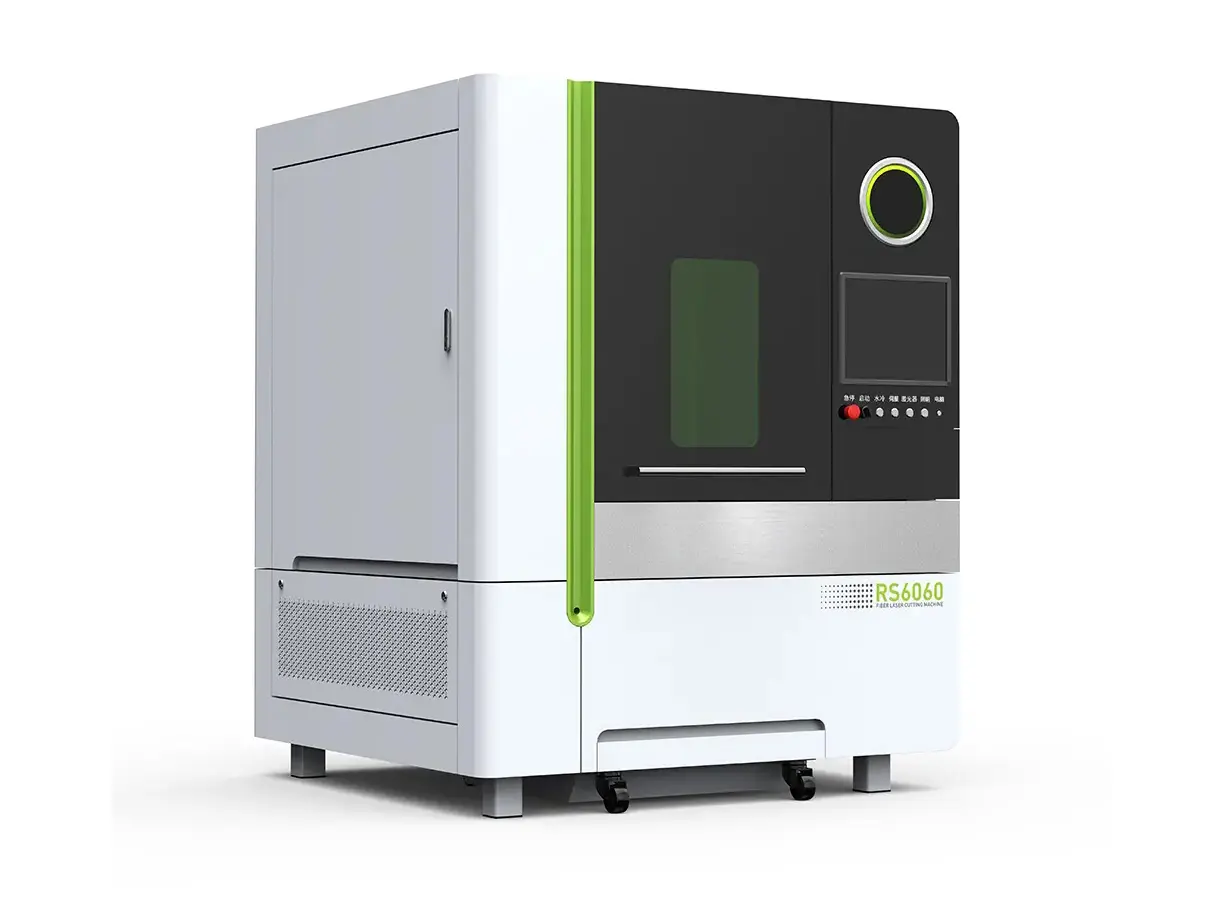 CNC Laser
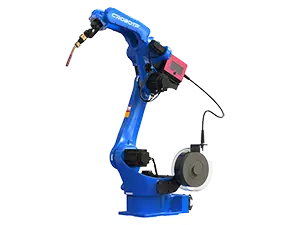 Industry Robot
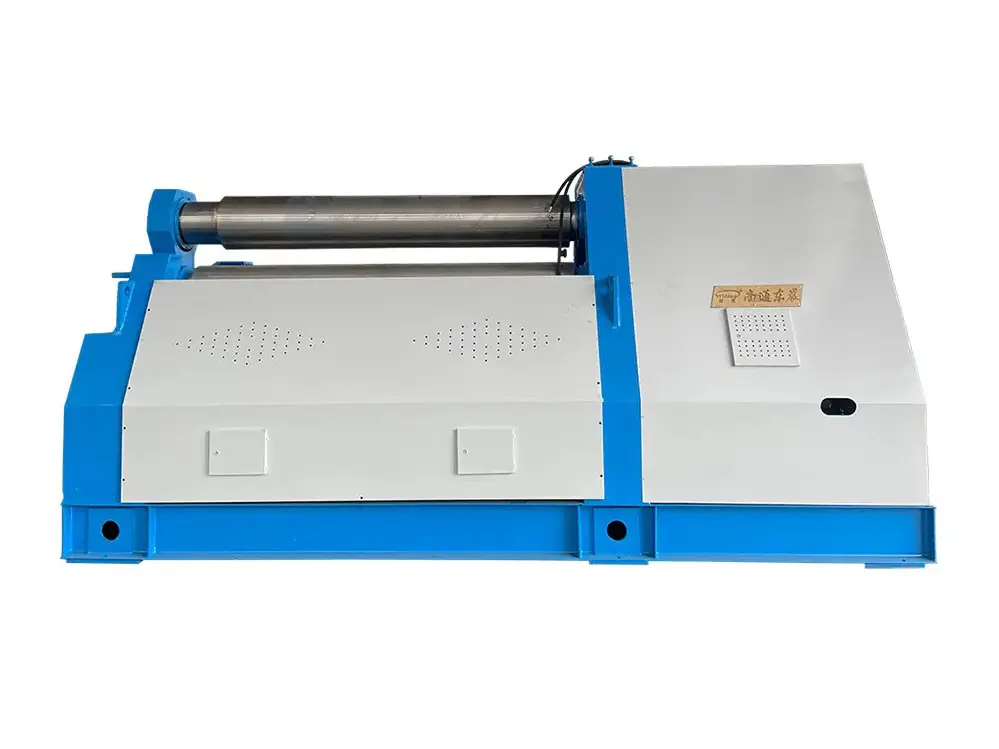 Plate Rolling Machine
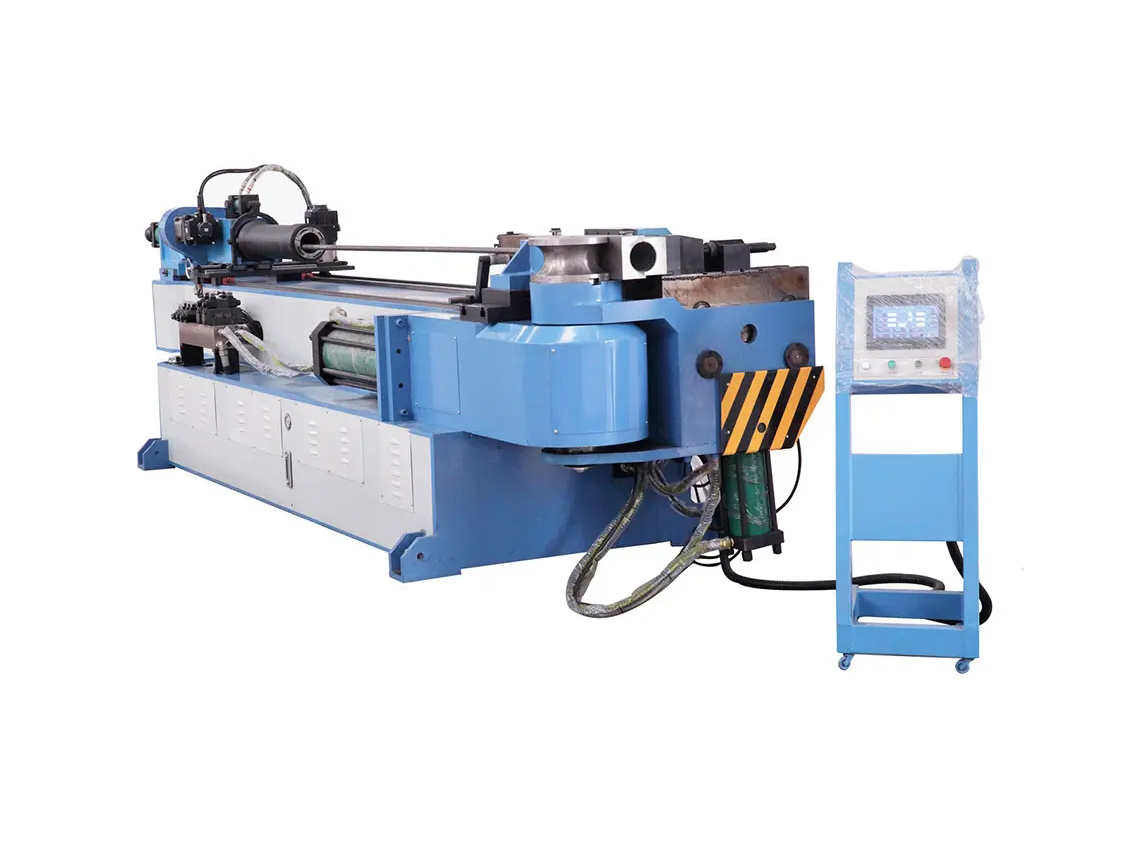 Tube Bending Machine
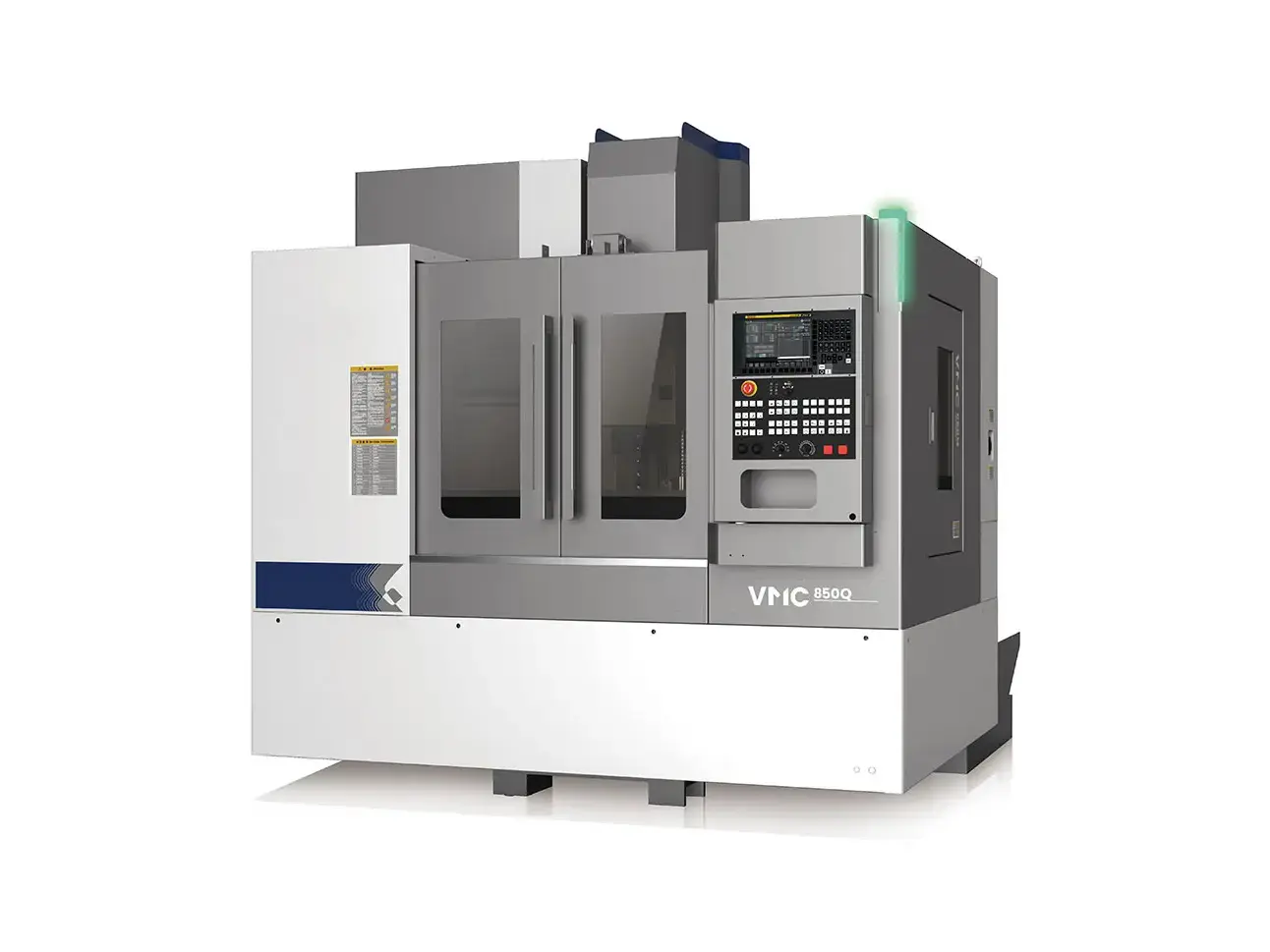 Lathe and Machining Center
 Machine Protection Products