What is a Cnc Horizontal Machining Center and its Benefits?
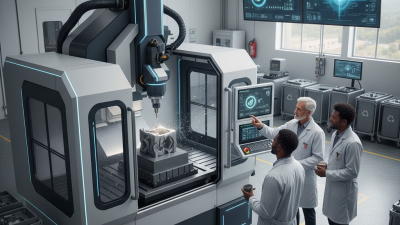
The CNC Horizontal Machining Center is a powerful tool in modern manufacturing. It offers precision and efficiency that traditional machining may lack. These machines operate with high-speed spindles, allowing for swift production times and superior quality finishes.
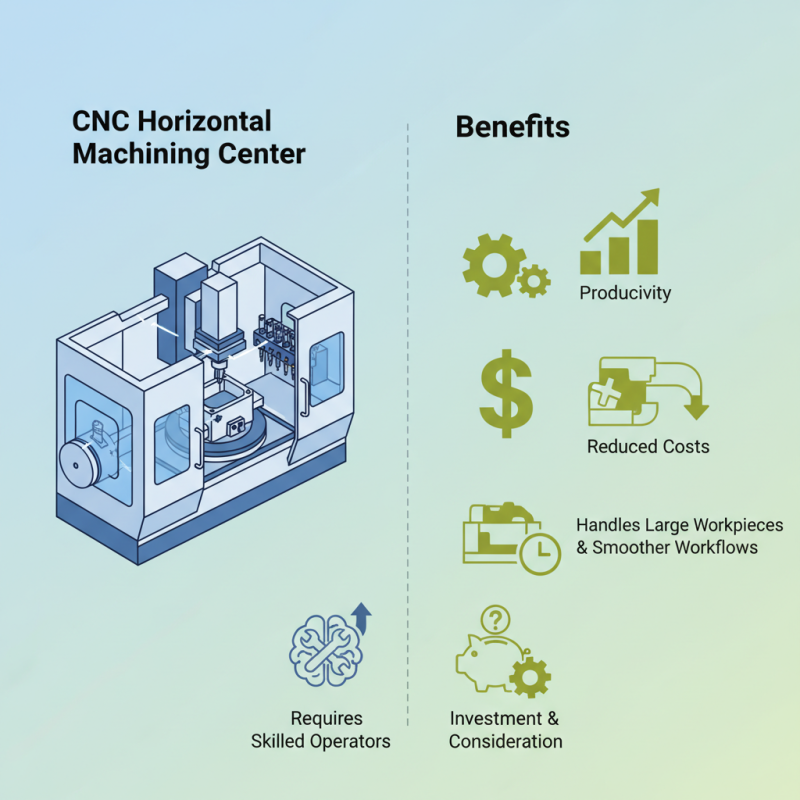
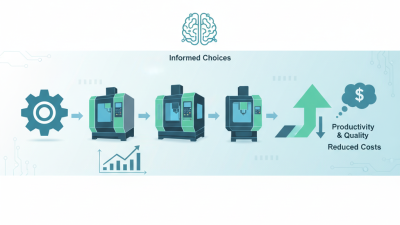
One main advantage of the CNC Horizontal Machining Center is its ability to handle large workpieces. This capability can lead to smoother workflows and reduced setup times. Manufacturers can benefit from increased productivity and reduced costs. However, it's important to note that these machines require skilled operators to maximize their potential.
Investing in a CNC Horizontal Machining Center requires careful consideration. The initial costs can be substantial. Potential buyers must assess their production needs and skill sets. This equipment can transform operations but may also bring challenges. Companies should weigh these factors before making a decision.
What is a CNC Horizontal Machining Center?
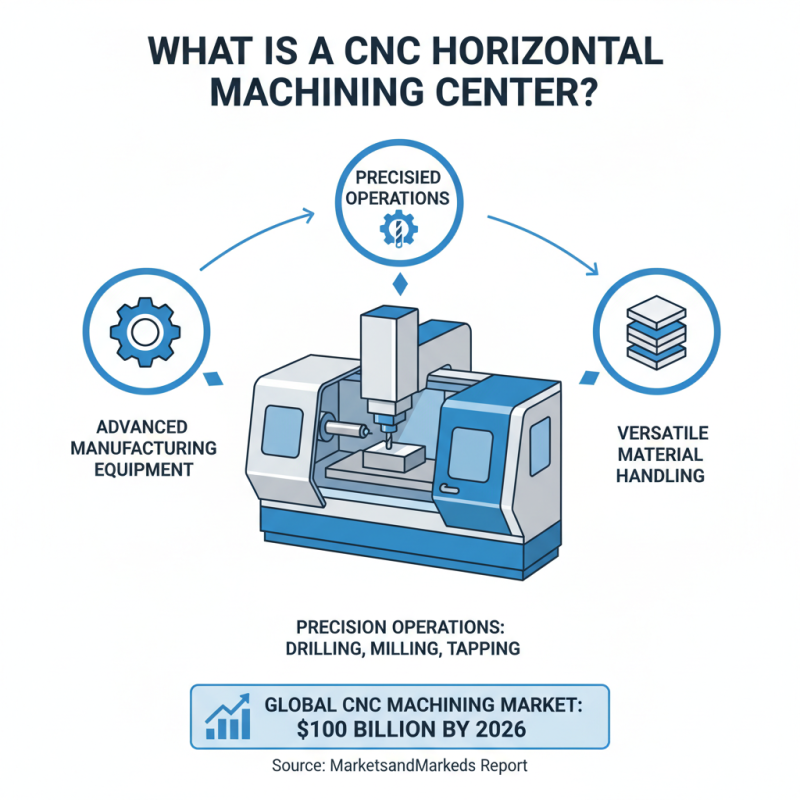
A CNC horizontal machining center is an advanced piece of equipment used in manufacturing. This machinery operates with a rotating tool on a horizontal spindle. It can handle various materials, providing high precision in operations such as drilling, milling, and tapping. According to a report by MarketsandMarkets, the global CNC machining market is projected to reach USD 100 billion by 2026, highlighting its significance in modern manufacturing.
The benefits of a CNC horizontal machining center are numerous. Its design allows for easier workpiece loading and unloading, which enhances productivity. Moreover, it can perform multiple operations in a single setup. A study from Technavio notes that the adoption of CNC machines can improve manufacturing efficiency by up to 30%. This is crucial for reducing production time and costs.
However, relying heavily on CNC technology may also pose risks. Operators need to be trained to ensure optimal performance. Inaccurate programming can lead to waste and increased costs. The integration of CNC systems requires careful planning and ongoing evaluation to avoid potential pitfalls in production efficiency. Balancing automation and human expertise is vital for long-term success.
Key Components of a CNC Horizontal Machining Center
A CNC Horizontal Machining Center is a sophisticated piece of equipment used in precision manufacturing. It possesses key components that contribute to its efficiency and effectiveness. The machine typically includes a powerful spindle, an automatic tool changer, and a robust worktable. These elements enable seamless cutting processes and enhance productivity.
The spindle is crucial. It rotates the cutting tool at high speeds, allowing for intricate designs. Operators can adjust the spindle speed based on the material being machined. The automatic tool changer improves workflow by reducing downtime. This feature allows for quick switching between different tools without manual intervention. The worktable, usually larger, supports heavy and complex parts, providing stability during machining.
However, the integration of these components can pose challenges. For instance, if the spindle malfunctions, it can halt production. Regular maintenance is necessary but often overlooked. This leads to potential delays and increased costs. Thus, while a CNC Horizontal Machining Center is a powerhouse in manufacturing, careful attention to its components is essential for optimal performance.
What is a Cnc Horizontal Machining Center and its Benefits? - Key Components of a CNC Horizontal Machining Center
| Component |
Description |
Benefits |
| Worktable |
A large, flat surface where the workpiece is mounted. |
Enables efficient loading/unloading of materials. |
| Tool Holder |
Interchangeable units that hold and secure cutting tools. |
Quick tool changes improve machining efficiency. |
| Drive System |
Consists of motors and drives that control machine movement. |
Provides precise control over speed and accuracy. |
| Control Panel |
Interface for operators to control the machining process. |
User-friendly navigation enhances operator effectiveness. |
| Coolant System |
Delivers coolant to the cutting area to reduce heat. |
Prolongs tool life and prevents overheating. |
Advantages of Using CNC Horizontal Machining Centers
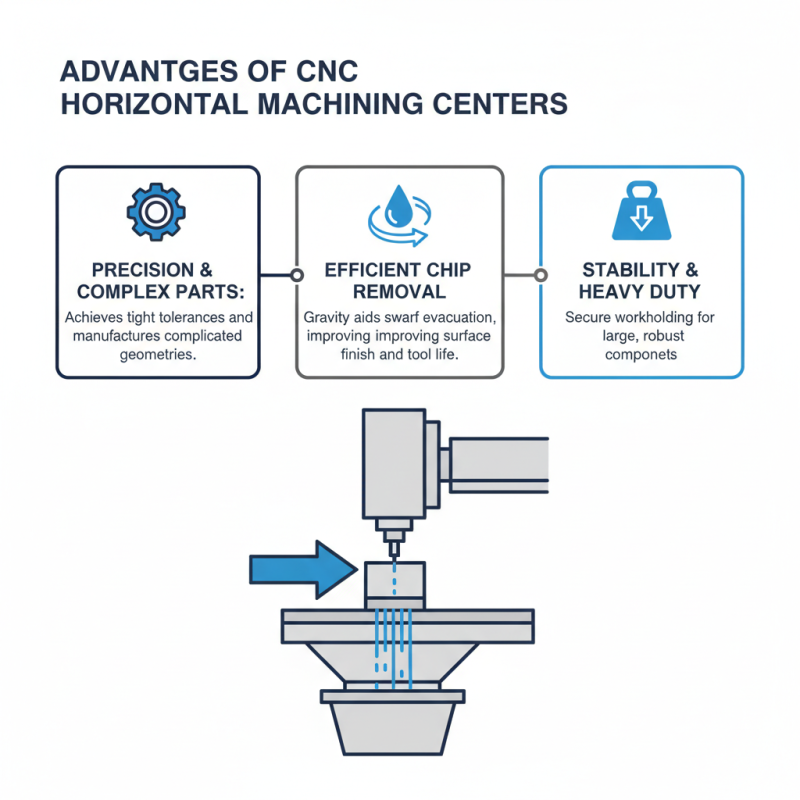
CNC horizontal machining centers are powerful tools in modern manufacturing. They excel in precision machining and are ideal for complex part production. The horizontal orientation allows for better chip removal and coolant flow, enhancing part quality and tool life. Operators often favor them for heavy-duty workpieces that require stability during machining.
One significant advantage is increased efficiency. These machines can perform multiple operations in one setup. This reduces the need for tool changes, saving time and costs. Additionally, horizontal machining centers often have larger work envelopes, accommodating bigger parts. This feature makes them suitable for industries such as aerospace and automotive, where precision is critical.
However, operators must be mindful of setup complexity. Loading a part into a horizontal machining center can be challenging. It requires skill to position components correctly. Improper alignment can lead to costly errors. Continuous training and experience are necessary to mitigate these issues. Crafting expertise in using these centers ensures that manufacturers can fully utilize their capabilities for optimal productivity.
Applications Across Various Industries
CNC horizontal machining centers are versatile machines widely used across various industries. They excel at producing complex parts with high precision. Industries such as aerospace, automotive, and medical rely on these machines for their efficiency and accuracy. By employing a CNC horizontal machining center, companies can achieve better surface finishes and tighter tolerances.
In the aerospace industry, these machines create components like brackets and housings. Their ability to handle heavy materials gives them an edge. In automotive manufacturing, they are used for engine blocks and transmission cases. The reliability of CNC horizontal machining centers minimizes waste and reduces production time.
**Tips:** When selecting a machining center, evaluate your production volume and part complexity. Understand the specific requirements of your industry. Always consider the machine’s adaptability for future projects. This helps in making informed decisions and avoiding costly mistakes.
In the medical sector, precision is paramount. These machines can create intricate surgical tools and implants. Their capabilities can enhance product quality while ensuring compliance with strict regulations. Balancing machinery investment with workflow needs can be challenging. Companies must be mindful of capacity and technology advancements.
Benefits of CNC Horizontal Machining Centers Across Industries
This chart displays the various applications and corresponding percentage benefits realized by industries utilizing CNC Horizontal Machining Centers.
Maintenance and Best Practices for CNC Machines
CNC machines are pivotal in modern manufacturing. Regular maintenance is critical for their efficiency and longevity. Keep an eye on coolant levels. Low coolant can affect both the machine and the quality of the parts produced. Regular checking helps in preventing overheating and ensures precise operation.
Daily cleaning is essential. Dust and debris can accumulate and lead to malfunctions. A quick wipe-down can make a significant difference. Don't overlook the importance of lubrication. Properly lubricated parts reduce friction and wear. Neglecting this can lead to costly repairs.
Operators should be trained and aware of common issues. A simple miscalculation can cause significant delays. Encouraging a culture of proactive maintenance can yield positive results. Learn from past mistakes. This approach not only enhances machine performance but also boosts overall productivity.

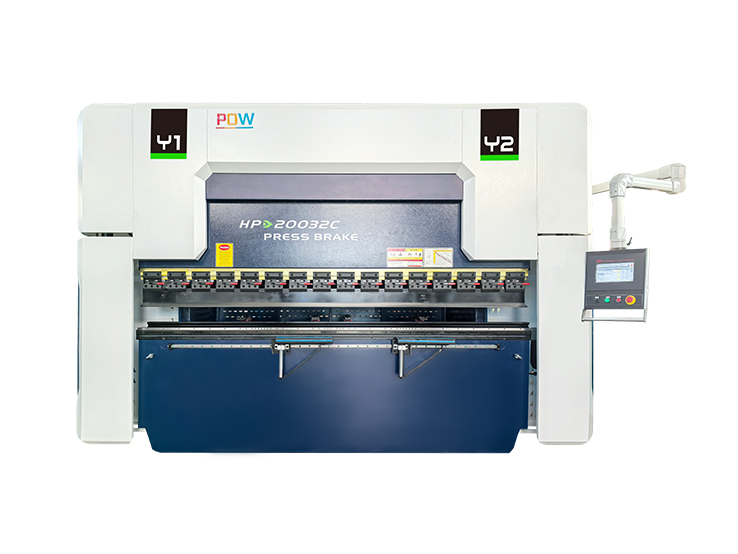 Press Brake
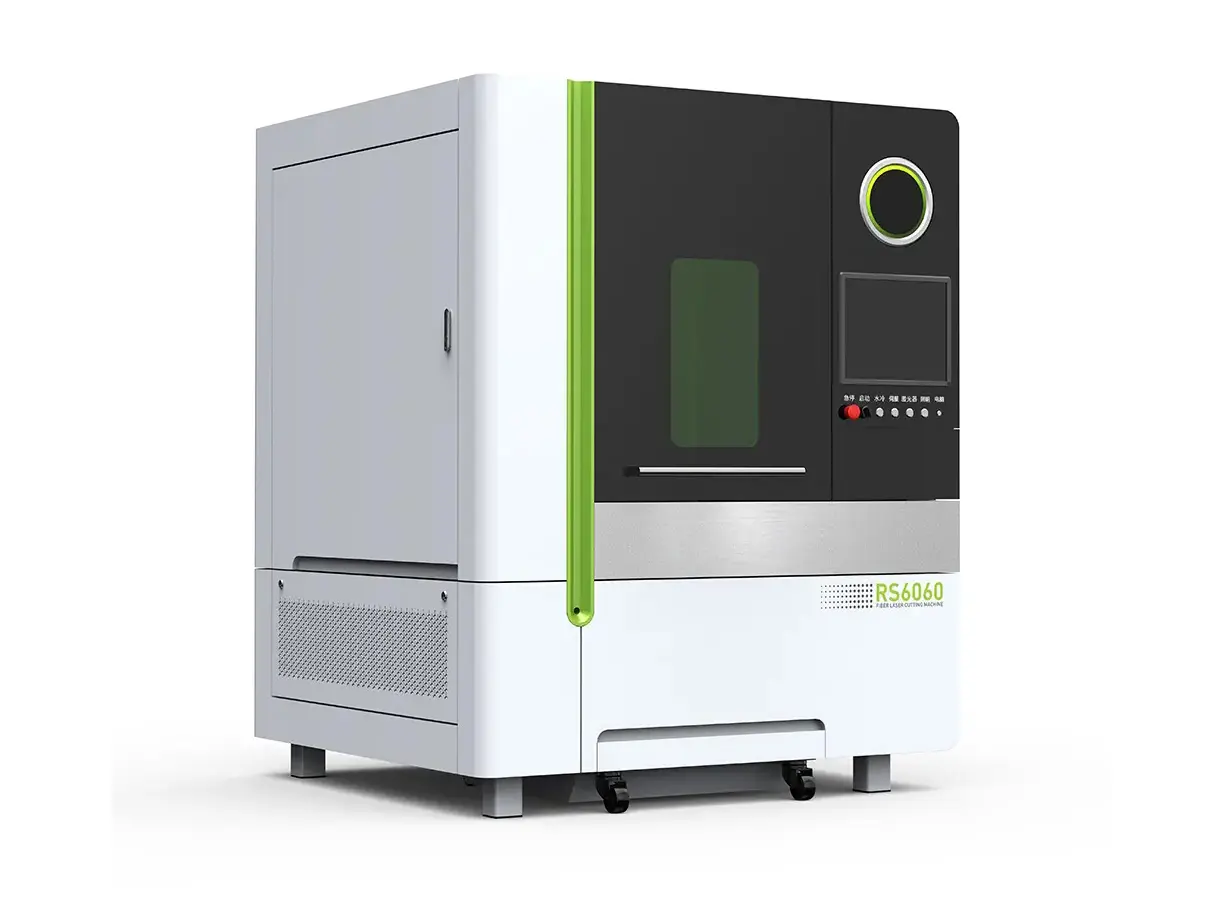 CNC Laser
 Industry Robot
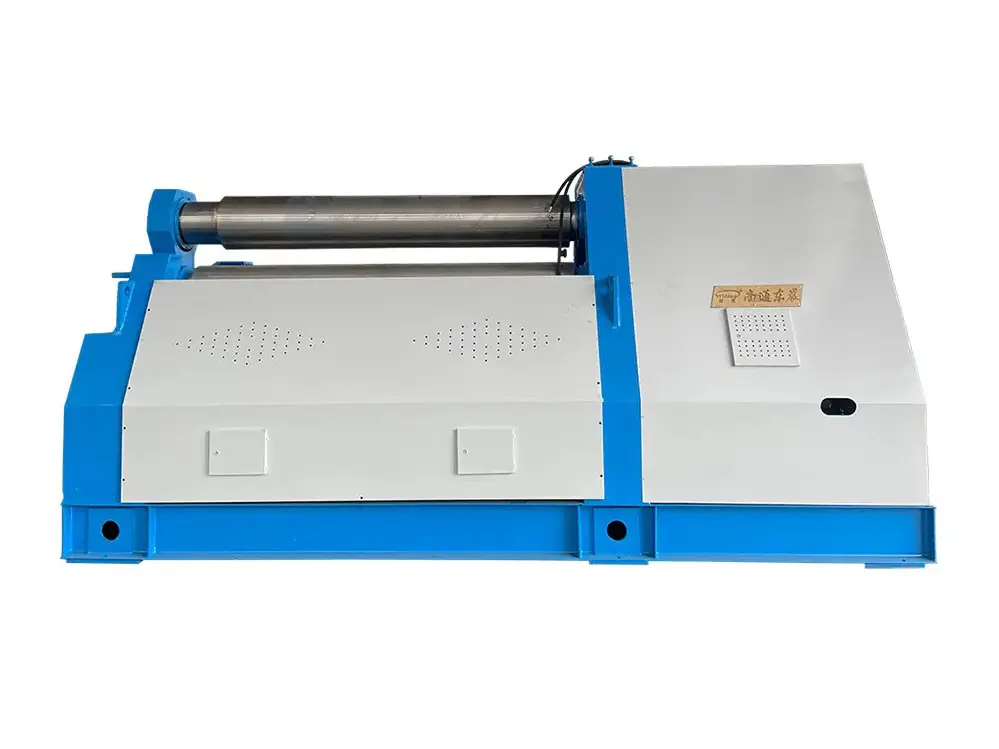 Plate Rolling Machine
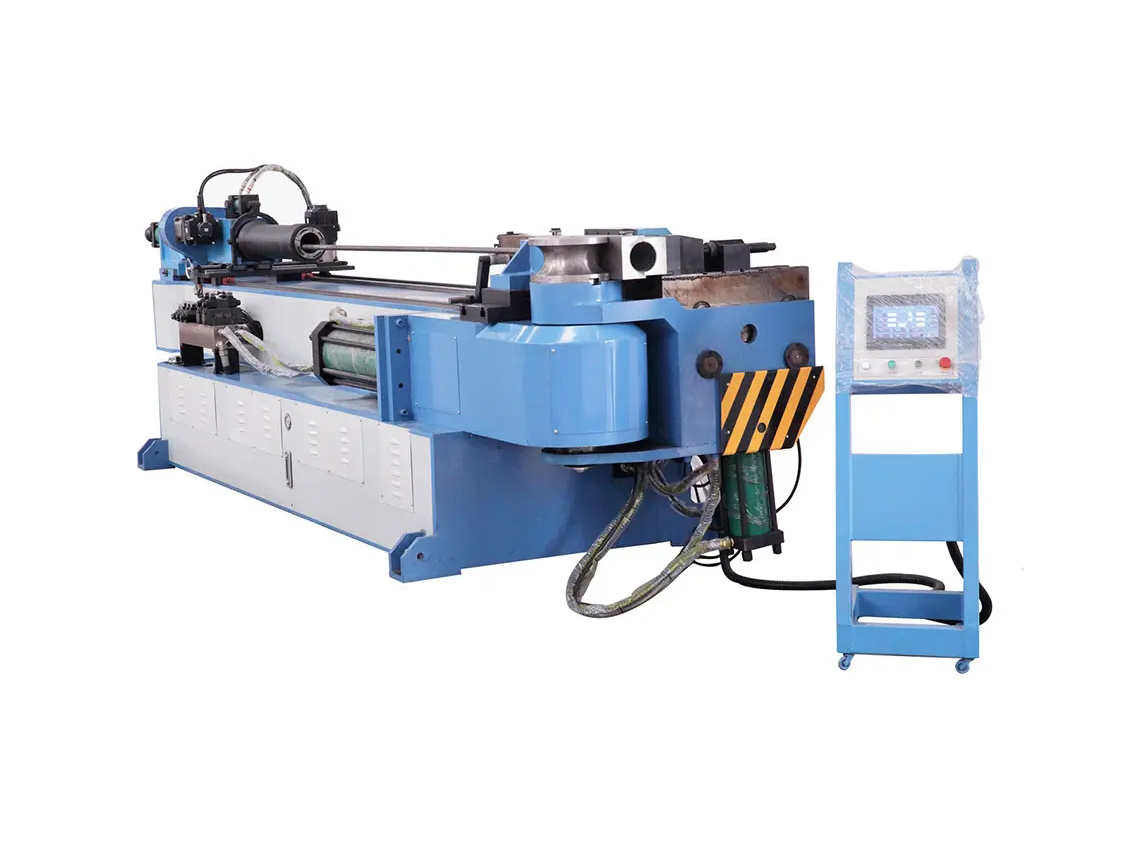 Tube Bending Machine
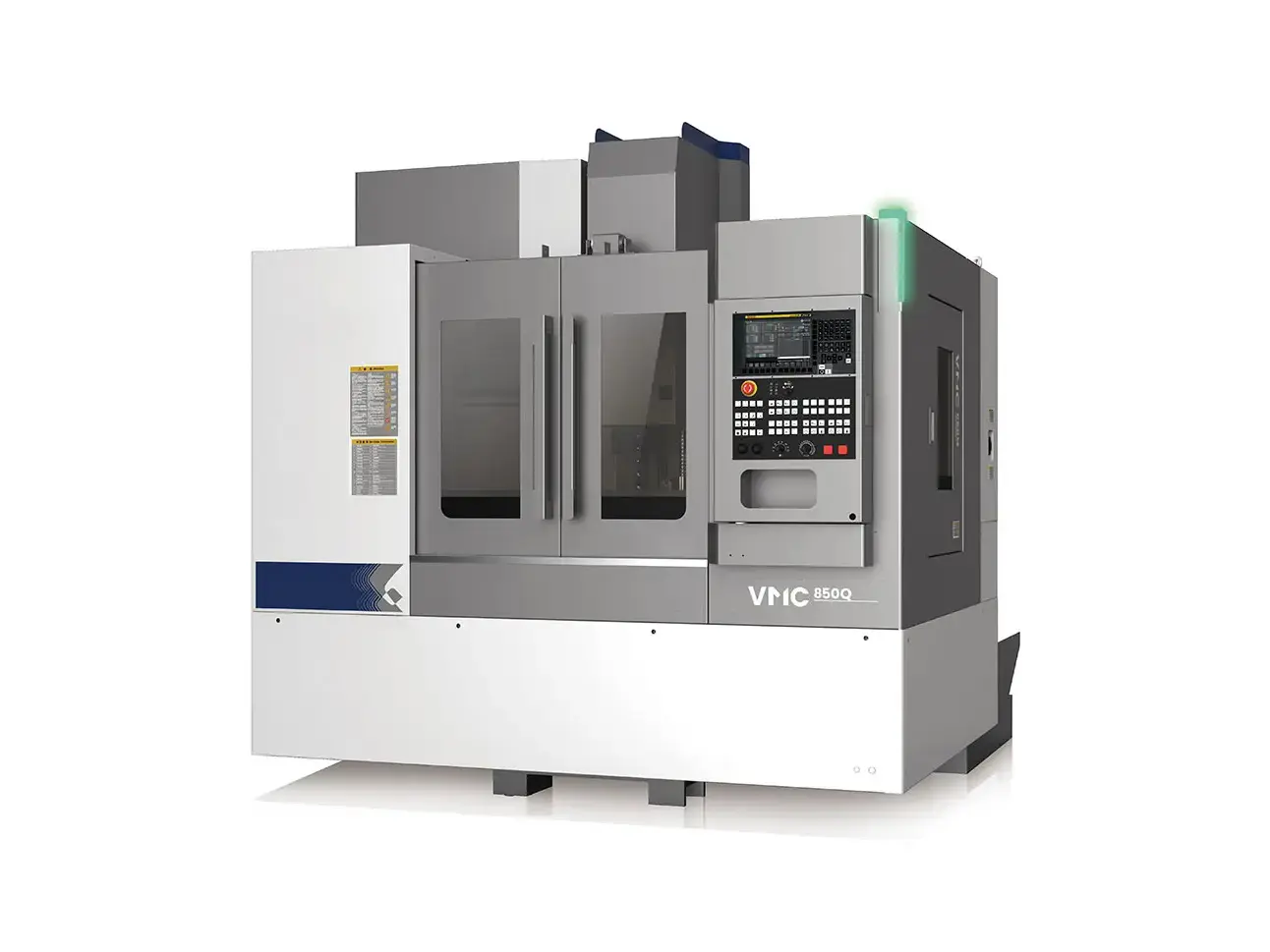 Lathe and Machining Center
 Machine Protection Products