Top Fiber Laser Welding Machine Manufacturers Worldwide
The global Fiber Laser Welding Machine market is expanding with manufacturing’s shift toward faster, cleaner, and more automated joining processes. Grand View Research estimates the laser welding machine market could reach approximately USD 2.4 billion by 2030, supported by automotive, aerospace, electronics, and metal fabrication demand. MarketsandMarkets also identifies fiber technology as a major growth segment, although its market boundaries and forecasts differ.
That difference matters. Reported figures depend on whether analysts include handheld systems, robotic cells, laser sources, or complete production lines. Buyers should examine the methodology, not repeat one impressive number.
In a modern factory, a fiber laser can weld thin stainless-steel panels with narrow heat distortion. It can also support robotic positioning, vision inspection, and digital process monitoring. Yet speed alone does not prove value. Beam quality, cooling stability, service response, software compatibility, and operator training often decide long-term performance.
Valentin Gapontsev, founder of IPG Photonics and a recognized fiber-laser pioneer, stated, “The future of lasers is in fiber lasers.” His view helps explain the technology’s influence, but it should not end the evaluation. Different manufacturers serve different production realities.
This guide examines the top Fiber Laser Welding Machine manufacturers worldwide through technical capability, application experience, global support, safety practices, and customer reliability. It considers established brands and influential regional suppliers. Some comparisons remain imperfect because manufacturers disclose different performance data. That limitation deserves attention. A credible ranking should therefore balance published specifications with field experience, independent testing, warranty terms, and measurable production results.
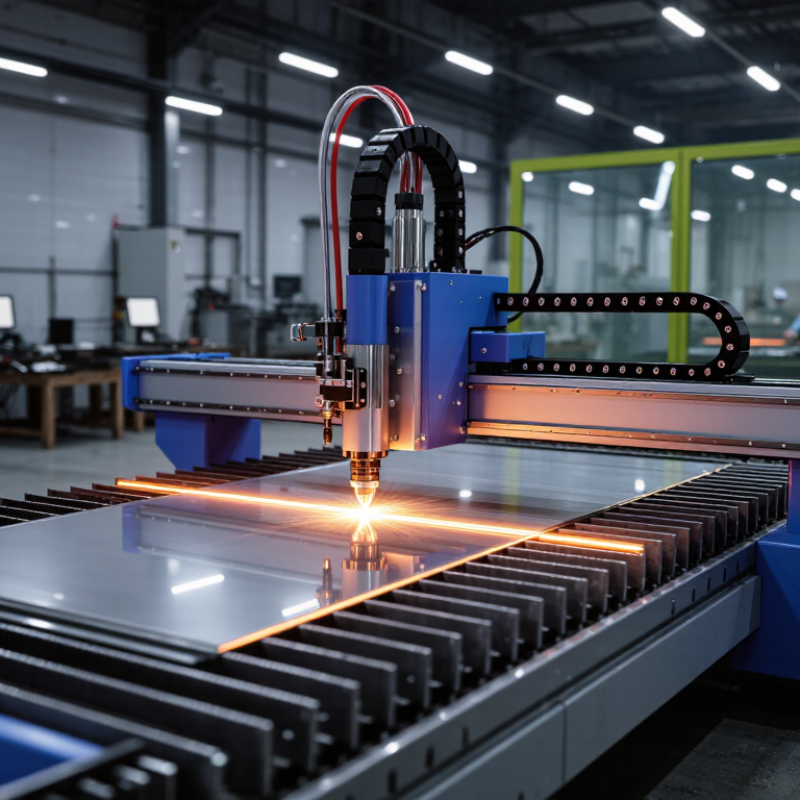
Fiber Laser Welding Machines: Definition and Working Principles
Fiber Laser Welding Machines: Definition and Working Principles
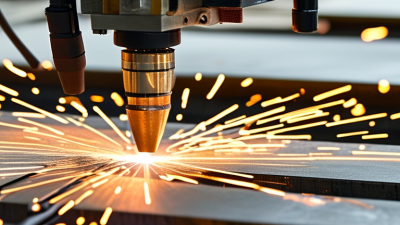
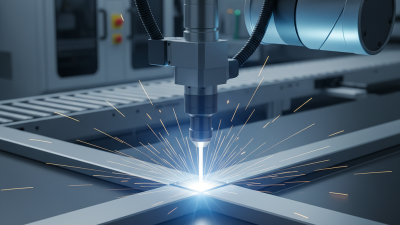
A fiber laser welding machine uses diode-pumped solid-state technology to produce a concentrated beam near 1.03–1.08 micrometres. The beam travels through an optical fiber before reaching a focusing head. At the joint, energy melts the metal and can form a narrow keyhole. Molten material then solidifies into the weld seam.
The process looks simple. It is not.
Power, travel speed, focal position, and shielding gas must remain balanced. Excessive power may create spatter or porosity. Insufficient energy can cause incomplete penetration. Argon or nitrogen usually protects the molten pool from atmospheric contamination. In production environments, operators also check nozzle alignment, lens cleanliness, and joint gaps before welding.
A 2024 MarketsandMarkets report estimated the laser welding market would grow from about USD 2.7 billion in 2023 to USD 5.8 billion by 2028. The International Federation of Robotics reported 541,302 industrial robots installed worldwide in 2023, showing the broader movement toward automated welding cells. These figures support demand for controllable, repeatable equipment, but market growth does not guarantee quality.
Actual results depend heavily on material reflectivity, surface preparation, and operator settings. Aluminum can reflect more energy than mild steel. Copper is even less forgiving. In my view, published penetration charts are useful starting points, not promises. Real factory trials remain necessary, especially when manufacturers compare fiber sources, motion systems, and process monitoring features.
How to Evaluate Global Fiber Laser Welding Machine Manufacturers
Evaluating global fiber laser welding machine manufacturers requires more than comparing advertised power. Start with application evidence. Ask for weld samples using your actual material, thickness, joint design, and production speed. A 1 mm stainless-steel lap joint can reveal heat distortion, porosity, and bead consistency within minutes. Request process parameters, not only polished photographs. Experienced suppliers explain limitations clearly. That honesty matters.
Examine technical competence through laser source specifications, beam delivery, cooling design, motion accuracy, and control software. Check whether the machine maintains stable output during repeated shifts. A useful factory test records penetration depth, weld width, cycle time, and defect rates. Review calibration methods and quality documentation. Independent certifications can support credibility, but certificates alone do not prove shop-floor performance. Ask for recent service records and references from comparable industries.
Global support often decides whether equipment becomes productive or creates expensive downtime.
Confirm installation training, remote diagnostics, spare-part availability, response times, and local technical coverage. Clarify warranty exclusions in writing. Visit a working installation if possible, and inspect cable routing, fume extraction, guarding, and operator access. No evaluation is perfect. My own early comparisons leaned too heavily on price and missed software usability. A careful scorecard should include safety, repeatability, maintainability, and the manufacturer’s willingness to discuss failed tests, not just successful ones.
Industry Trends and Future Developments in Laser Welding
Top Fiber Laser Welding Machine Manufacturers Worldwide
Industry Trends and Future Developments in Laser Welding
Laser welding is moving from specialist workshops into high-volume production. MarketsandMarkets estimates the laser welding machine market could reach about USD 4.1 billion by 2028, growing at roughly 11% annually. The estimate varies across reports. That uncertainty deserves attention.
Fiber lasers now support thinner seams, lower heat input, and faster cycle times. In a factory, this means less distortion around a 1.5-millimeter stainless-steel bracket. Sensors can monitor the weld pool, while cameras detect alignment changes during production. These systems help operators reduce rework, although software still needs careful calibration.
Automation is accelerating. The International Federation of Robotics reported 541,302 industrial robot installations worldwide in 2023. Welding cells will likely connect more closely with robots, vision systems, and production databases. Real-time quality records may become standard.
Energy efficiency also matters. Fiber laser sources generally convert electrical power more efficiently than older laser technologies. However, total energy use includes cooling, extraction, compressed air, and automation equipment. A narrow beam does not automatically mean a sustainable factory.
Future systems may adjust power, focus, and travel speed continuously. That sounds promising. Yet poor material preparation can still ruin a precise weld. Manufacturers should test joint design, shielding gas, operator training, and maintenance routines before purchasing equipment. Industry forecasts are useful, but real production trials remain more reliable.

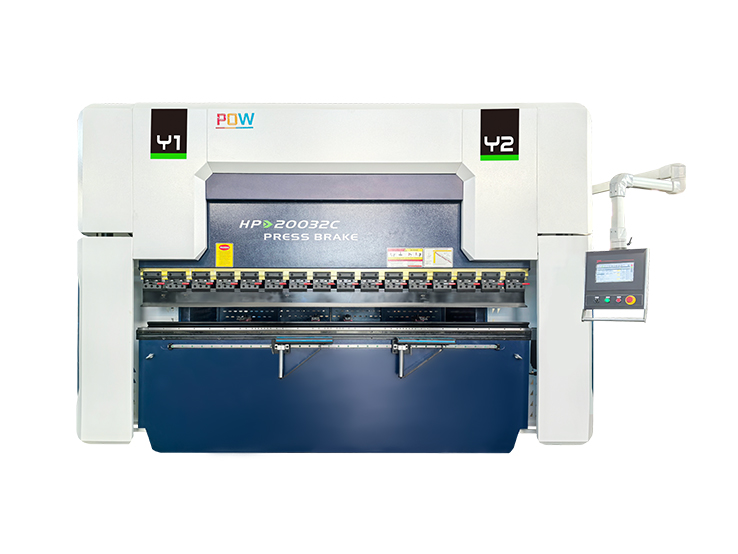 Press Brake
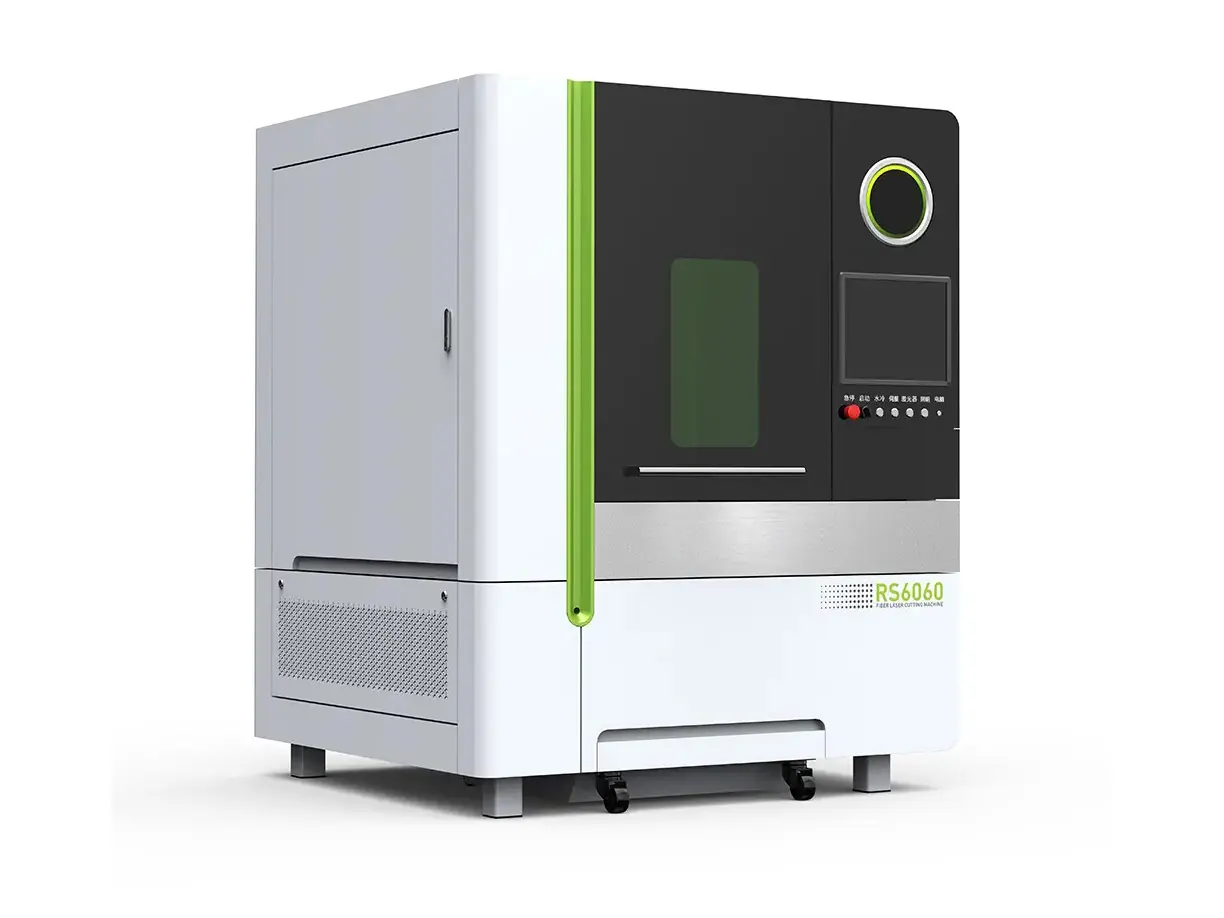 CNC Laser
 Industry Robot
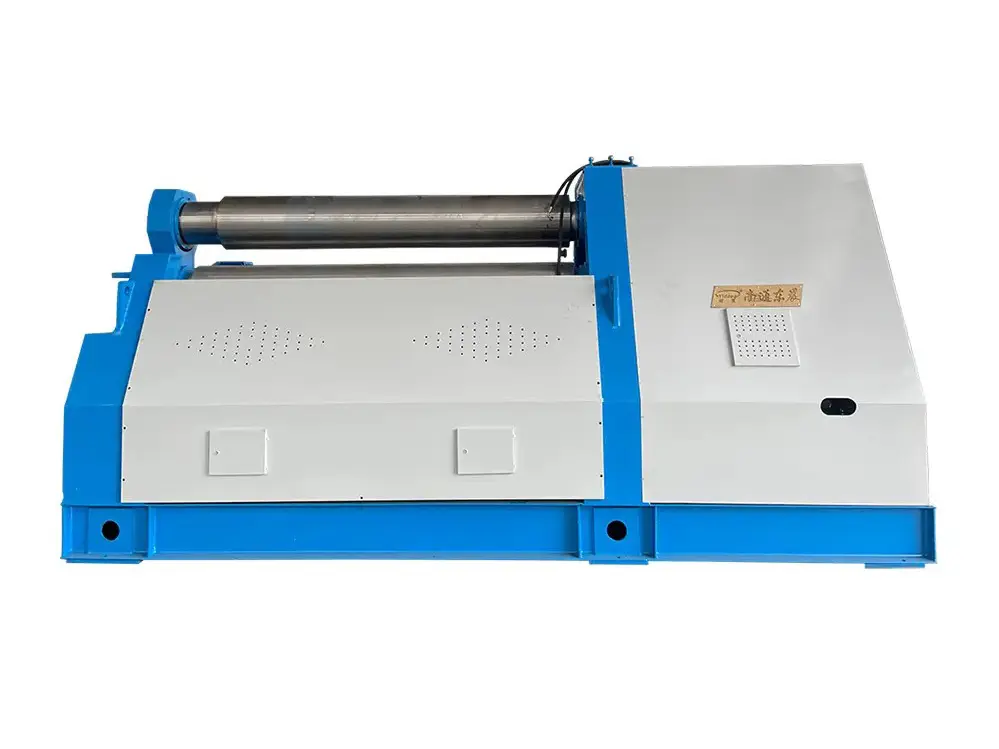 Plate Rolling Machine
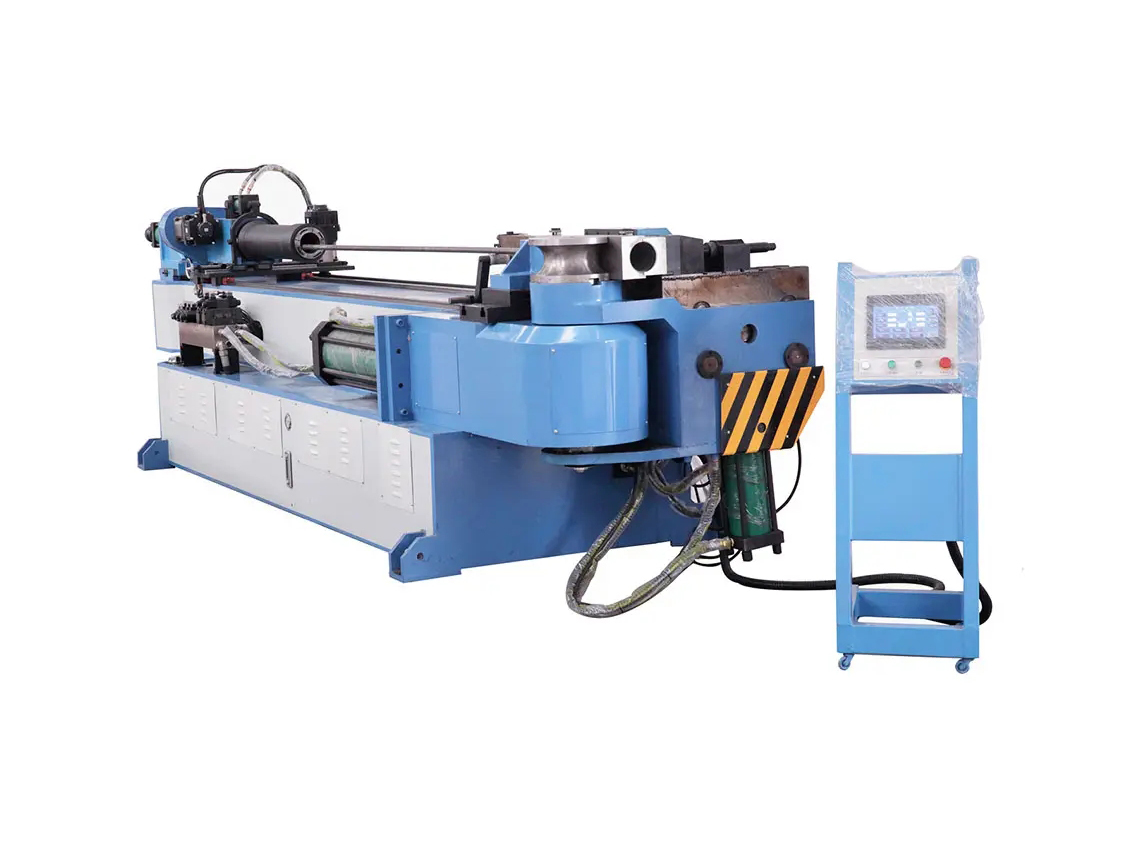 Tube Bending Machine
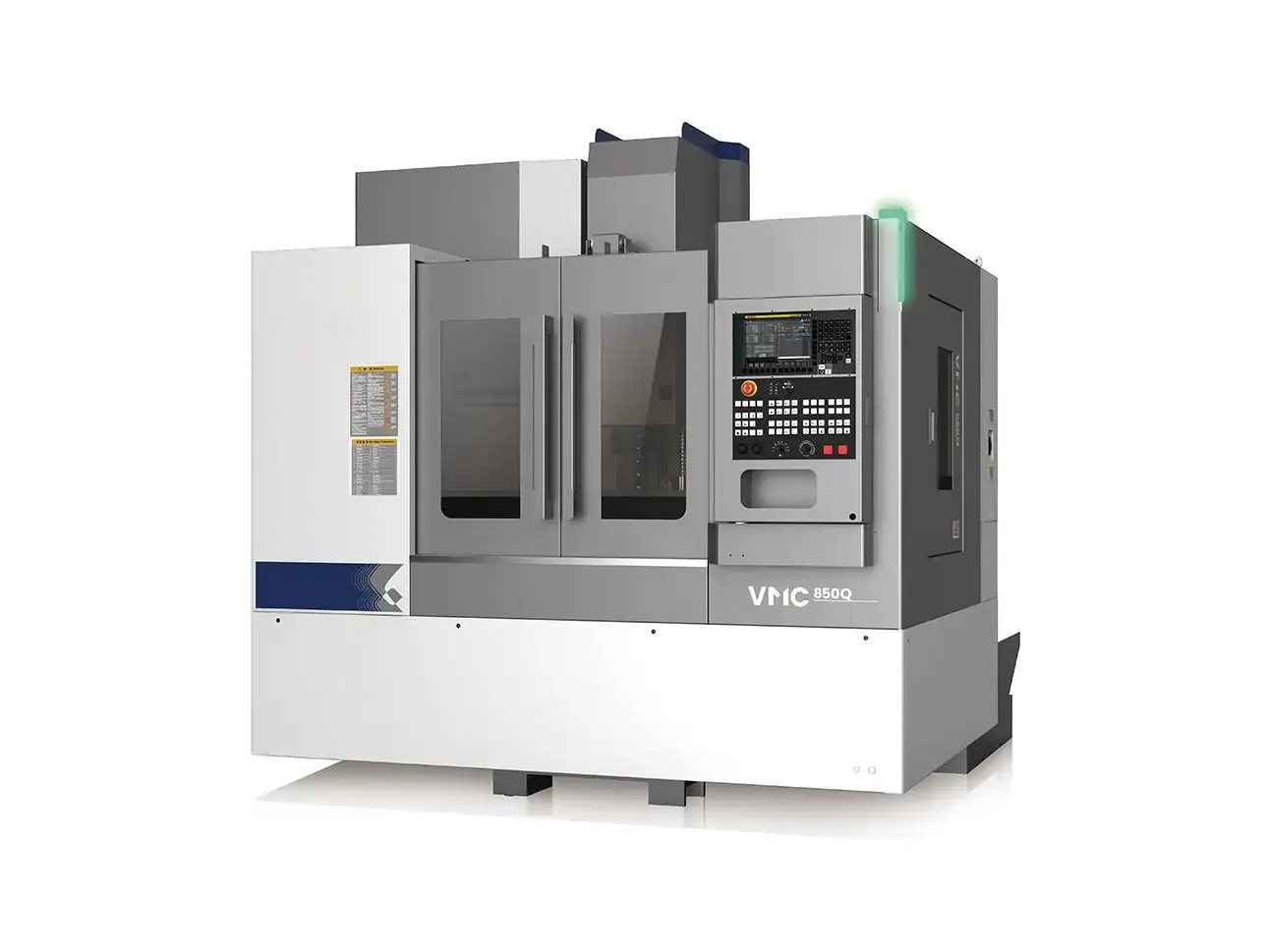 Lathe and Machining Center
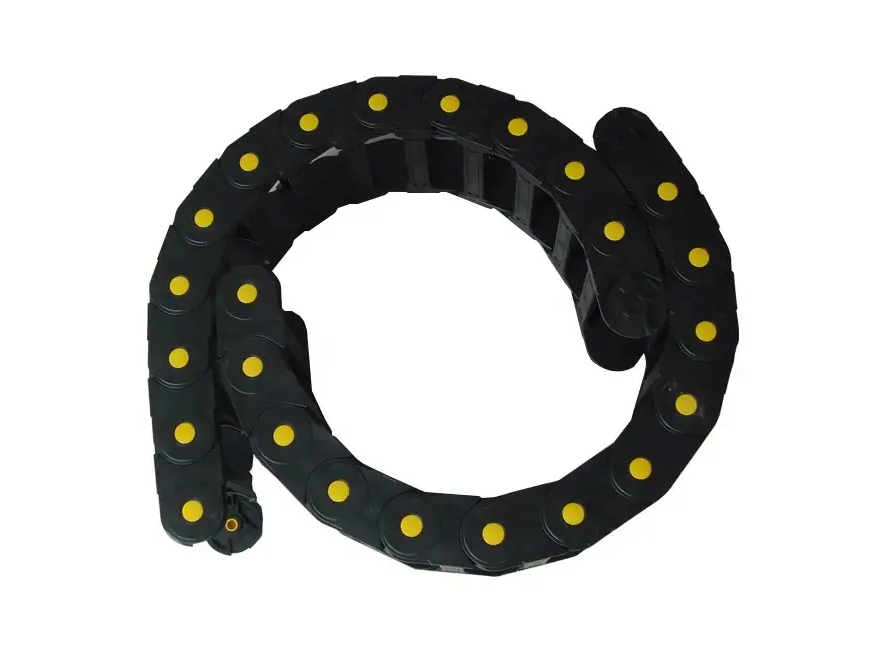 Machine Protection Products