Top 10 Laser Welders for Global Sourcing Needs?
In today's manufacturing landscape, the demand for precision and efficiency drives the adoption of advanced technologies. One such innovation is the Laser Welder, a powerful tool known for its ability to deliver high-quality welds with minimal thermal distortion. As industries across the globe seek to improve their production processes, sourcing the right laser welding equipment becomes crucial.
Choosing the best Laser Welder can be a daunting task. The market is flooded with various options, each claiming to offer superior performance. This makes it essential for sourcing professionals to evaluate their choices carefully. Factors such as power output, speed, and compatibility with different materials play significant roles in this decision-making process.
While some laser welding machines boast impressive specifications, they may not suit every application. It is important to reflect on the specific needs of your projects. Are you looking for versatility or ultimate precision? Understanding these requirements helps in selecting a Laser Welder that aligns with your goals. This guide will explore the top 10 Laser Welders tailored to meet diverse global sourcing needs.
Overview of Laser Welding Technology and Its Applications in Industry
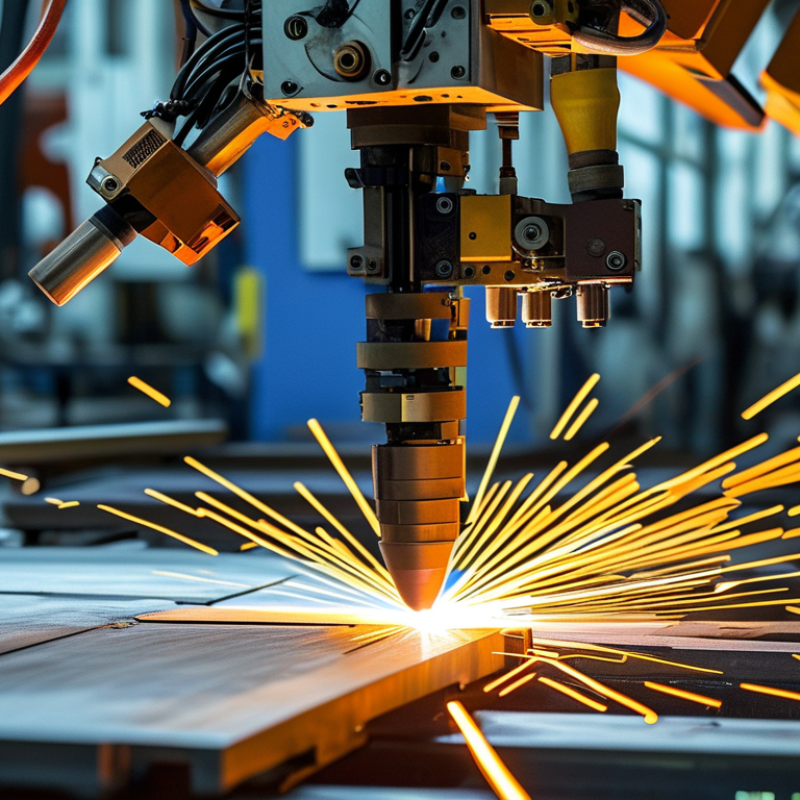
Laser welding technology has revolutionized industrial applications, owing much to its precision and efficiency. According to the International Journal of Advanced Manufacturing Technology, the demand for laser welding systems has increased by over 15% annually. This surge reflects the technology's advantages in manufacturing sectors like automotive, aerospace, and electronics. The integration of high-intensity laser beams allows for deep penetration welding with minimal thermal distortion, making it suitable for high-strength materials like titanium and advanced alloys.
Moreover, laser welding offers considerable productivity benefits. Reported efficiency improvements can reach up to 40% compared to conventional welding methods. Industries are adopting this technology to reduce operational costs and enhance production speeds. However, challenges exist. The initial investment cost for laser systems can be significant, often deterring small manufacturers. Training personnel to operate complex machinery effectively is another hurdle. Despite these obstacles, the long-term advantages may outweigh the challenges, particularly as manufacturing processes evolve.
Ultimately, laser welding technology serves critical applications across various industries. Its ability to create strong, precise welds is unmatched. Yet, ongoing advancements in this field require a commitment to comprehensive training and investment in state-of-the-art systems. As companies navigate these changes, staying updated with technological trends will be vital for competitive advantage.
Top 10 Laser Welders - Performance Comparison
This chart represents the welding speeds of the top 10 laser welders, highlighting their performance in terms of speed measured in meters per minute. Analyzing the welding speeds can help in selecting the appropriate laser welder for specific industrial needs.
Key Factors to Consider When Sourcing Laser Welders Globally
When sourcing laser welders globally, several factors must be taken into account. First, assess the quality standards of the manufacturer. Look for certifications that ensure products meet industry requirements. A reputable supplier shows commitment to excellence.
Consider the technical specifications you require. Different applications may demand unique features. Evaluate power output, weld speed, and versatility. You want machines that align with your specific needs. Also, check the availability of spare parts and service support. Reliable post-purchase assistance is crucial for minimizing downtime.
Tips: Communicate clearly with potential suppliers. Highlight your requirements precisely. This can prevent misunderstandings later on. Conduct thorough research on the suppliers' reputation. Look for online reviews and industry feedback. Lastly, factory visits can provide insights into their operations and quality control measures. Don't rush into decisions. Allow time for a comprehensive assessment of each option.
Top 10 Leading Laser Welder Manufacturers and Their Market Shares
The laser welder market is rapidly evolving. As industries embrace advanced technologies, key manufacturers are capturing significant market shares. Emerging reports indicate that the top players control over 70% of the market. This concentration reflects their technological advancements and reliable product offerings.
Among the leading companies, expertise in specific applications enhances their market position. For instance, reports show that sectors like automotive and aerospace heavily rely on laser welding technology. These industries require precision and efficiency, which some manufacturers deliver exceptionally well. However, not all producers maintain these standards, pointing to a need for improvement.
Market shares fluctuate, influenced by innovation and customer demands. Some companies focus on energy efficiency, while others emphasize versatility. Documentation indicates a growing trend in adopting green technologies. Yet, there are ongoing challenges like cost management and the need for skilled labor. These factors are crucial for manufacturers aiming to strengthen their presence in a competitive landscape.
Top 10 Laser Welders for Global Sourcing Needs
| Manufacturer |
Market Share (%) |
Annual Revenue (Million USD) |
Major Product Types |
Primary Application Industries |
| Manufacturer A |
25% |
150 |
Fiber Laser Welders |
Automotive, Aerospace |
| Manufacturer B |
20% |
120 |
YAG Laser Welders |
Electronics, Medical Devices |
| Manufacturer C |
18% |
100 |
CO2 Laser Welders |
Construction, Shipbuilding |
| Manufacturer D |
15% |
90 |
Ultrafast Laser Welders |
Semiconductor, R&D |
| Manufacturer E |
12% |
70 |
Compact Laser Welders |
Jewelry, Small Parts |
| Manufacturer F |
10% |
60 |
Plasma Laser Welders |
Energy, Heavy Industry |
| Manufacturer G |
8% |
50 |
Hybrid Laser Welders |
Transportation, Defence |
| Manufacturer H |
5% |
30 |
Robotic Laser Welders |
Manufacturing, Automation |
| Manufacturer I |
4% |
25 |
Micro Laser Welders |
Optical, Telecommunications |
| Manufacturer J |
3% |
20 |
TIG Laser Welders |
Metalworking, Fabrication |
Comparative Analysis of Laser Welding Techniques: Fiber vs. CO2 Lasers
When exploring laser welding techniques, two main options stand out:
fiber lasers and CO2 lasers.
Each type has distinct advantages and drawbacks that influence practicality and effectiveness.
Fiber lasers are known for their efficiency and precision.
They can achieve better results on thin materials due to their higher power density.
Their compact design also facilitates easier integration into existing manufacturing systems.
In contrast, CO2 lasers are more versatile in terms of materials. They can work on a wider range of substances, including thicker metals.
However, they require more maintenance and are bulkier, which can be a drawback in constrained spaces.
Their energy consumption is generally higher than that of fiber lasers.
This raises questions about operational costs over time.
Choosing between these two technologies often depends on specific project needs. Companies must consider factors like
material type, thickness, and desired weld precision.
Each option has room for improvement. For instance, while fiber lasers excel in speed, optimizing them for thicker materials remains a challenge.
CO2 lasers need advancements in energy efficiency to remain competitive.
A thoughtful analysis of these factors will guide sourcing decisions effectively.
The Future of Laser Welding: Trends, Innovations, and Market Projections
The field of laser welding is undergoing significant transformation. Recent trends highlight the increasing use of automation and artificial intelligence in welding processes. These technologies can enhance precision and efficiency, leading to superior weld quality. The integration of machine learning allows systems to adapt and improve over time. However, this evolution raises questions about the need for skilled operators. Can technology replace human touch?
In terms of market projections, the demand for laser welding is expected to rise. Industries such as automotive, aerospace, and electronics are increasingly adopting these techniques. The push for lightweight materials in manufacturing is driving this shift. Laser welding offers the ability to bond new materials effectively. However, implementing such advanced technologies requires careful consideration of training and infrastructure.
Furthermore, the environmental impact is an area for reflection. As industries aim for sustainability, laser welding must also adapt. Innovations that reduce energy consumption and waste generation are crucial. This transition may not be straightforward, and businesses will need to assess their current practices. Embracing these changes is essential for future competitiveness in the global market.

 Press Brake
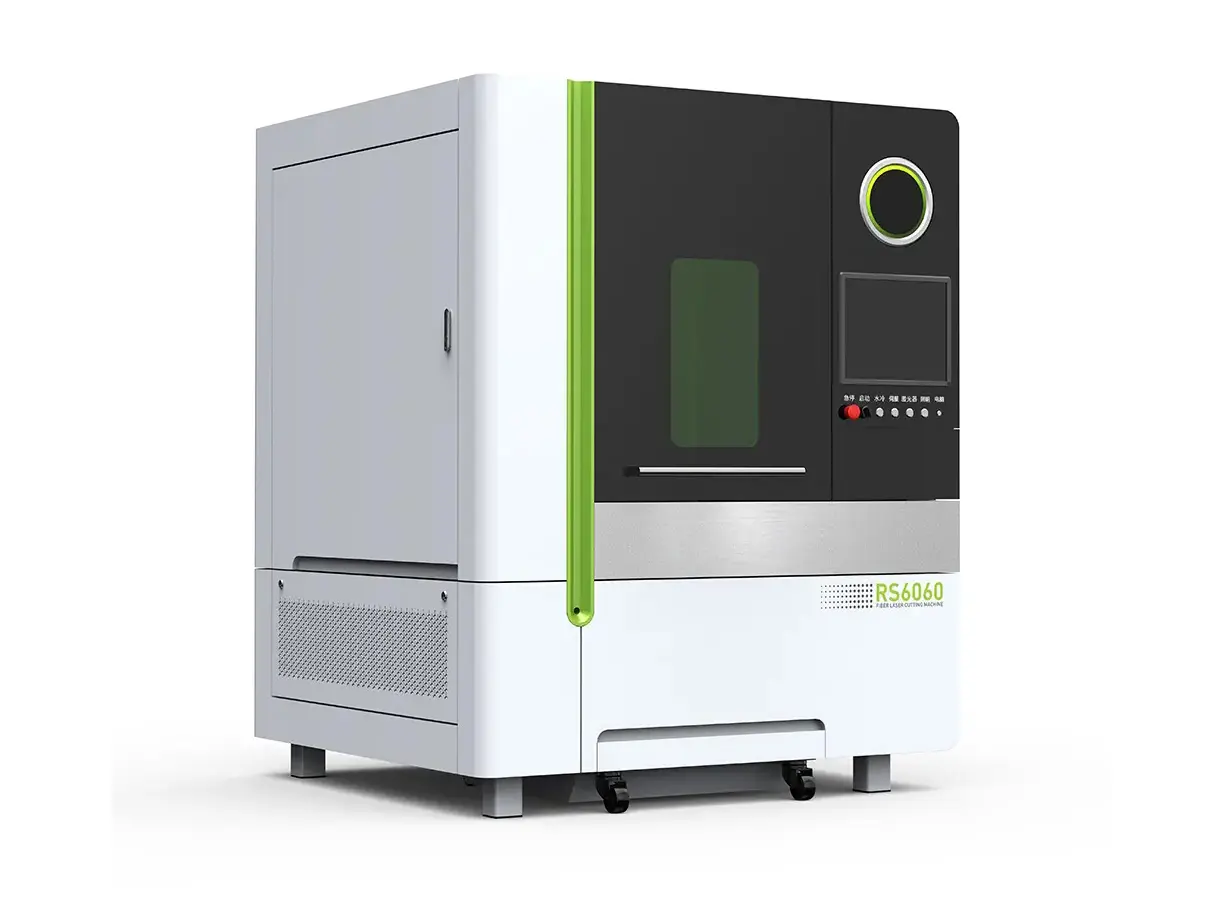 CNC Laser
 Industry Robot
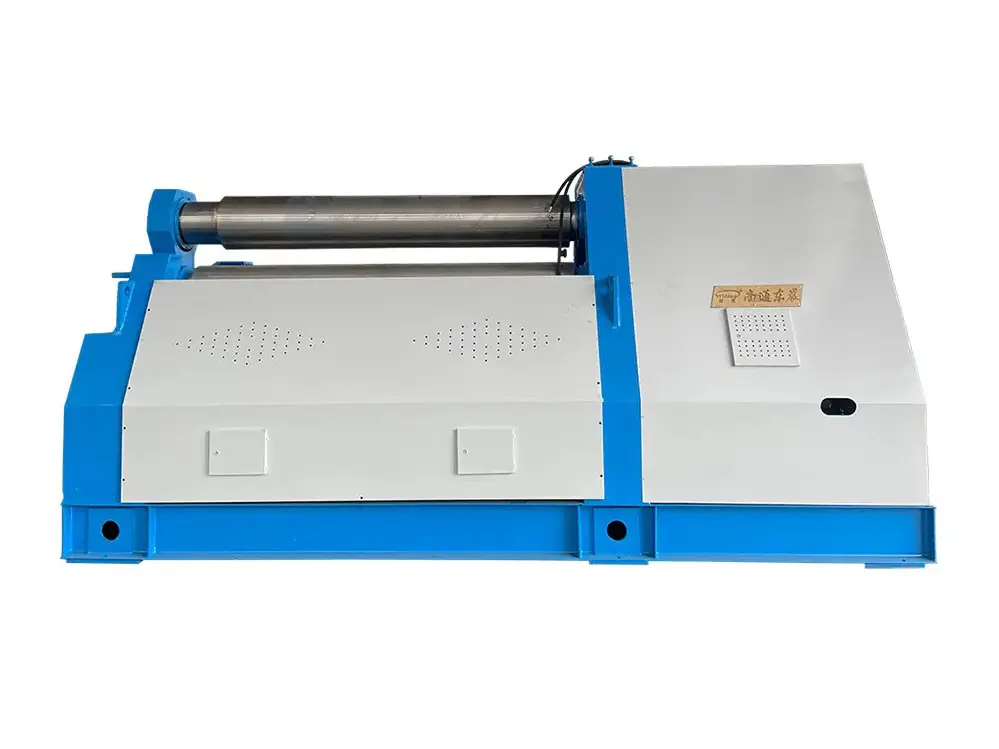 Plate Rolling Machine
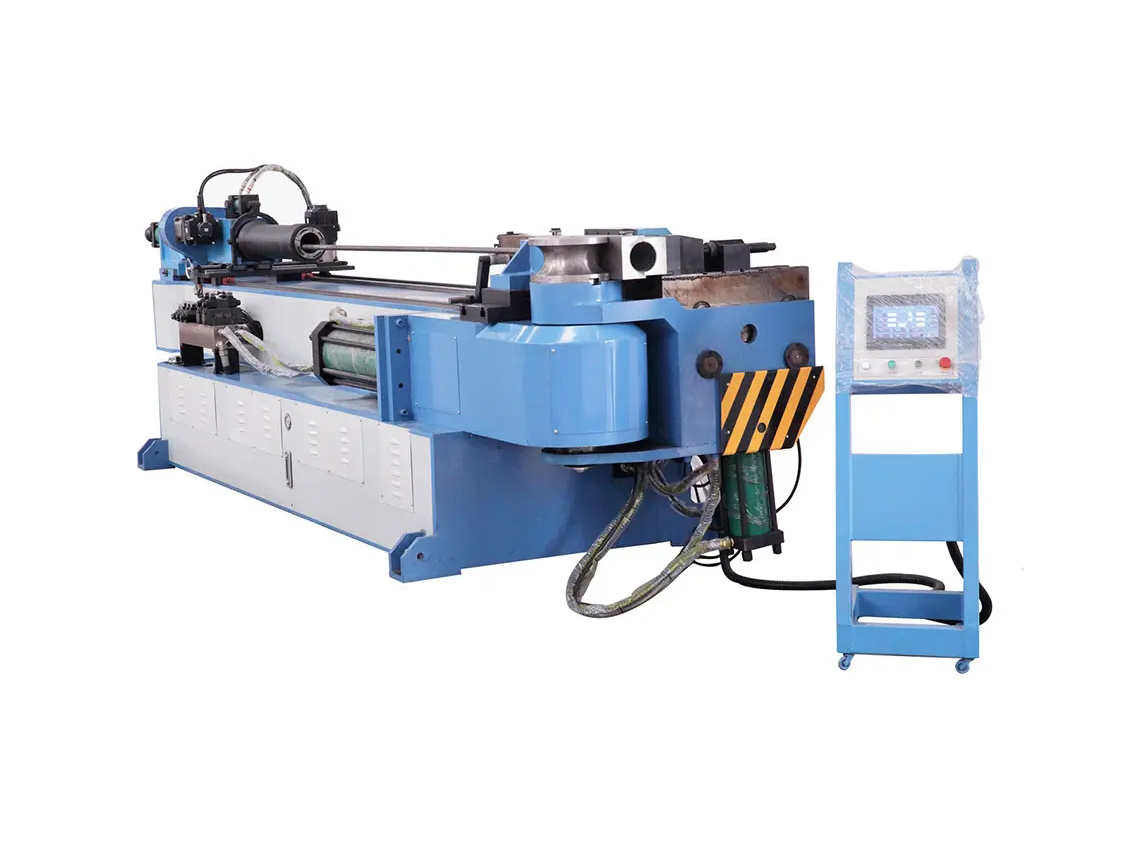 Tube Bending Machine
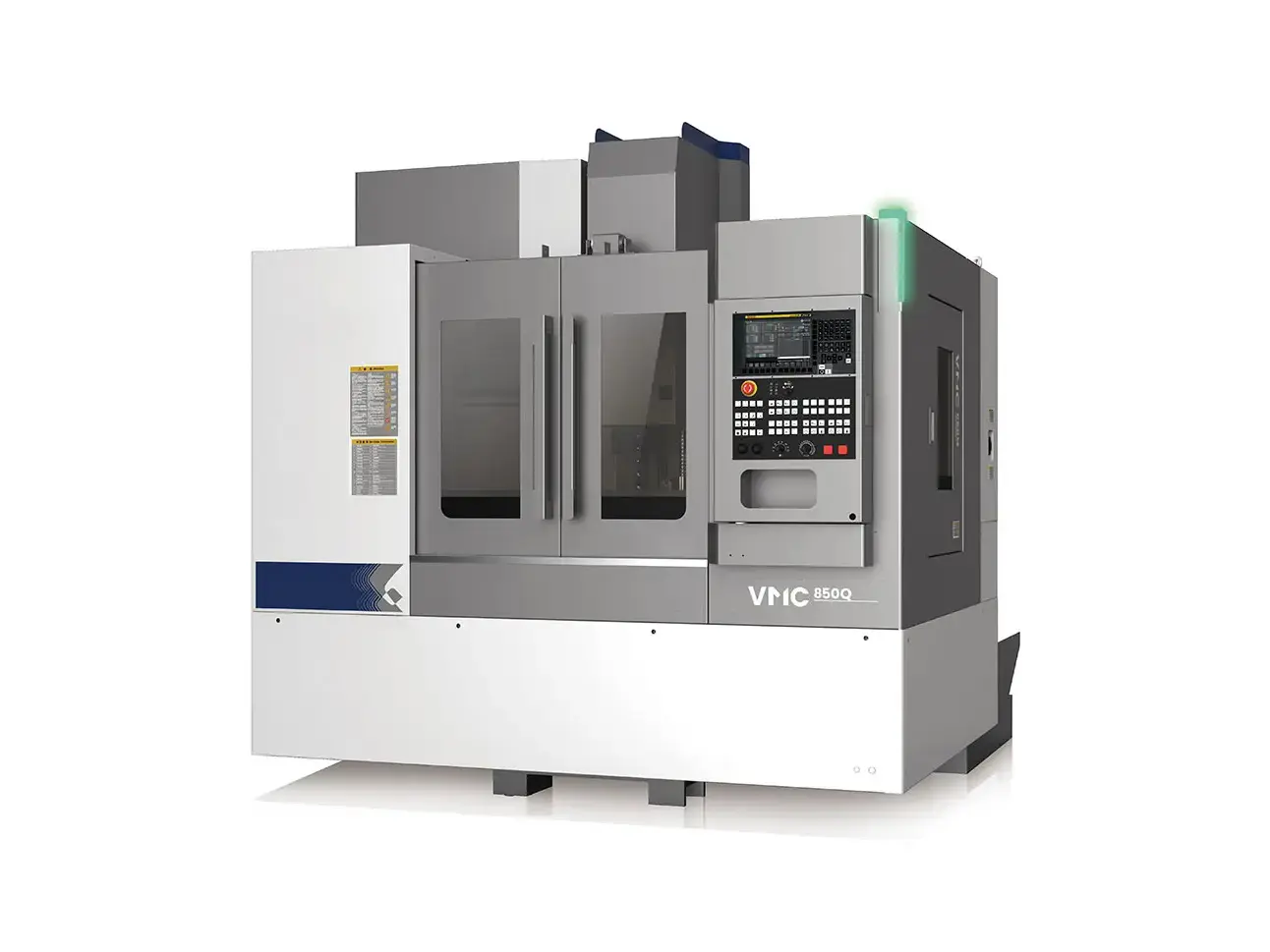 Lathe and Machining Center
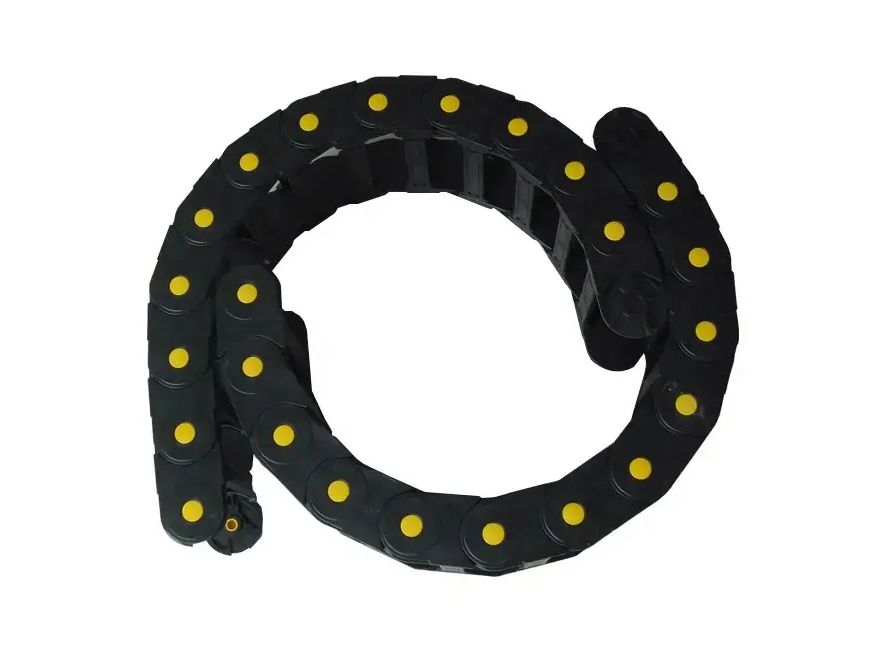 Machine Protection Products