How to Choose a Tube Bending Machine in 2026?
Choosing a Tube Bending Machine in 2026 requires more than comparing prices and motor power. The right machine must match your materials, production volume, bend geometry, and operators’ experience. A workshop forming thin stainless-steel tubing needs different control from one bending heavy carbon-steel frames. Wall thickness, outside diameter, bend radius, and springback all influence machine performance. Small details matter.
This guide examines practical criteria used by experienced fabricators and equipment specialists. It considers CNC accuracy, tooling flexibility, hydraulic or electric drives, setup time, maintenance access, and after-sales support. We will also review sample parts, machine trials, tolerance records, and energy consumption. Ask for evidence. A polished brochure is not enough. Request test bends using your actual tube grade and dimensions. Measure ovality, wrinkles, surface marks, and repeatability.
No single machine solves every production problem. That is worth remembering. A compact machine may reduce costs but limit future capacity. A powerful model may occupy valuable floor space and require specialized training. Some buyers focus heavily on automation and overlook tooling changes or software usability. That mistake can become expensive. Even reliable specifications need independent verification. Supplier reputation, documented service response, operator feedback, and warranty terms deserve equal attention. Our recommendations will remain practical, although real workshops can expose assumptions that look convincing on paper. Choose carefully, test honestly, and leave room for changing orders in 2026.
Define Tube Bending Requirements and Production Goals
Choosing a tube bending machine starts with production facts, not catalog features. Define tube diameter, wall thickness, material grade, bend radius, and allowable ovality. Record the tightest geometry, because one difficult bend can determine the machine class. Also measure annual volume, batch size, changeover frequency, and target cycle time. A machine for 300 prototypes differs greatly from one producing 20,000 frames monthly.
Set measurable production goals before comparing machines. Calculate acceptable scrap, operator involvement, tooling changes, and maintenance downtime. The International Federation of Robotics reported 541,302 industrial robots were installed worldwide in 2023. This indicates stronger automation demand, but automation is not automatically efficient. Deloitte’s 2024 Smart Manufacturing and Operations Survey found 86% of manufacturers expect smart manufacturing to improve competitiveness within five years. Therefore, check data connectivity, recipe storage, simulation, and inspection options. Still, real production data matters more than impressive software. A clean spreadsheet can expose weak assumptions.
Tips: Request sample bends using your actual tube, material, and tooling. Inspect springback, wrinkles, end deformation, and repeatability. Ask for cycle-time evidence across a complete batch. Include loading, unloading, and tool-change time. Do not trust a single demonstration part. It may be unusually easy. Leave capacity for future orders, but avoid buying excessive capacity without a clear return. I would also document every requirement, because vague specifications often become expensive modifications later. Recheck your figures after a pilot run; forecasts are useful, but rarely perfect.
Compare Tube Bending Machine Types and Forming Methods
Choosing a tube bending machine starts with the forming method, not the machine price.
Rotary draw bending offers accurate radii and strong control over ovality. It suits exhaust pipes, frames, and fluid lines. However, tooling costs can become significant for low-volume work. Compression bending is simpler and faster, but it usually produces larger radii and less control near the bend.
Roll bending works well for large radii and continuous curves. It is useful for architectural tubes and long components. Press bending handles heavy sections economically, yet springback may require repeated adjustment. Induction bending uses localized heat, allowing tight bends in large, thick-wall tubes. It can reduce wrinkling, but energy use and process control deserve careful review.
Data supports a cautious automation decision.
The International Federation of Robotics reported 541,302 industrial robots installed worldwide in 2023, showing the continued move toward automated production. The World Steel Association’s 2024 Short Range Outlook also forecast global steel demand growth of 1.2% in 2024 and 1.1% in 2025. These trends favor programmable systems, but demand alone should not dictate your choice. In practice, confirm tube material, wall thickness, bend radius, production volume, and acceptable ovality with sample trials. Small errors matter.
A machine that bends beautifully once may perform poorly across an eight-hour shift.
Review tooling changes, lubrication, calibration records, and operator training. My own caution is simple: published speed figures rarely describe setup time, scrap, or difficult alloys. Ask for measured cycle data, not optimistic demonstrations.
Evaluate Material Compatibility, Capacity, and Bending Accuracy
How to Choose a Tube Bending Machine in 2026?
Material compatibility should guide the decision. Steel, stainless steel, aluminum, and copper react differently under pressure. Check the machine’s rated material range, wall-thickness limits, and minimum bend radius. A tube that looks simple may wrinkle or flatten during forming. Request test bends using your actual tubing, not a similar sample.
Capacity matters beyond maximum diameter. Review the machine’s tube length, weight handling, tooling range, and production speed. A workshop bending 25 mm stainless steel needs different support than one forming 80 mm structural tube. Confirm whether the machine can handle repeated bends without excessive repositioning. Small details affect labor costs.
Accuracy deserves measured evidence. Ask for tolerance data across several bends, not one impressive demonstration. Inspect ovality, springback, and bend-angle consistency with calipers and a suitable angle gauge. In practical trials, record results after the machine warms up. I have seen early tests look excellent, while later bends drift slightly. That weakness matters. Control software, mandrel support, and tooling alignment all influence repeatability. Keep maintenance access in view, too. A highly accurate machine becomes unreliable when calibration is difficult or routinely postponed.
How to Choose a Tube Bending Machine in 2026?
Evaluate material compatibility, capacity, and bending accuracy before selecting a machine.
Material Compatibility
Higher-strength materials generally require greater bending torque and stronger tooling. Confirm the tube grade, temper, wall thickness, and springback behavior.
Capacity
Select a machine rated for the required outside diameter, wall thickness, centerline radius, and number of bends. Leave operating margin above the maximum tube specification.
Bending Accuracy
Check axis resolution, rotary-draw control, tooling repeatability, and springback compensation. Validate accuracy with a sample tube made from the intended material.
Typical yield-strength reference values shown in MPa. Actual values vary by specification, heat treatment, temper, and tube condition.
Calculate Total Cost, Supplier Support, and Long-Term Value
How to Choose a Tube Bending Machine in 2026?
Calculate Total Cost, Supplier Support, and Long-Term Value
The purchase price is only the visible part of a tube bending machine’s cost. Build a three-year estimate before requesting quotations. Include tooling, freight, installation, training, electricity, lubrication, and replacement parts. Add expected downtime and material scrap. A machine priced 20% lower may become expensive after repeated setup errors. Ask for cycle-time tests using your actual tube diameter, wall thickness, and bend radius. Request written results, not broad promises.
Supplier support affects production more than many buyers expect. Check the response time for technical problems. Ask whether remote diagnosis, operator training, and software updates are included. Clarify which components remain available after several years. A useful supplier should explain maintenance intervals in practical terms. For example, who replaces a worn clamp when a production order is waiting? Get those details in the quotation. Verbal assurances can disappear.
Long-term value depends on repeatability, flexibility, and operator confidence. Review bend accuracy across short and long production runs. Test changeover time between two common tube sizes. A machine that saves eight minutes per setup may recover its higher price surprisingly quickly. Still, calculations can be imperfect. Future orders may change, and estimated utilization may be too optimistic. Leave room for that uncertainty. Examine service records, customer references, warranty limits, and training quality before making the final decision.

 Press Brake
 CNC Laser
 Industry Robot
 Plate Rolling Machine
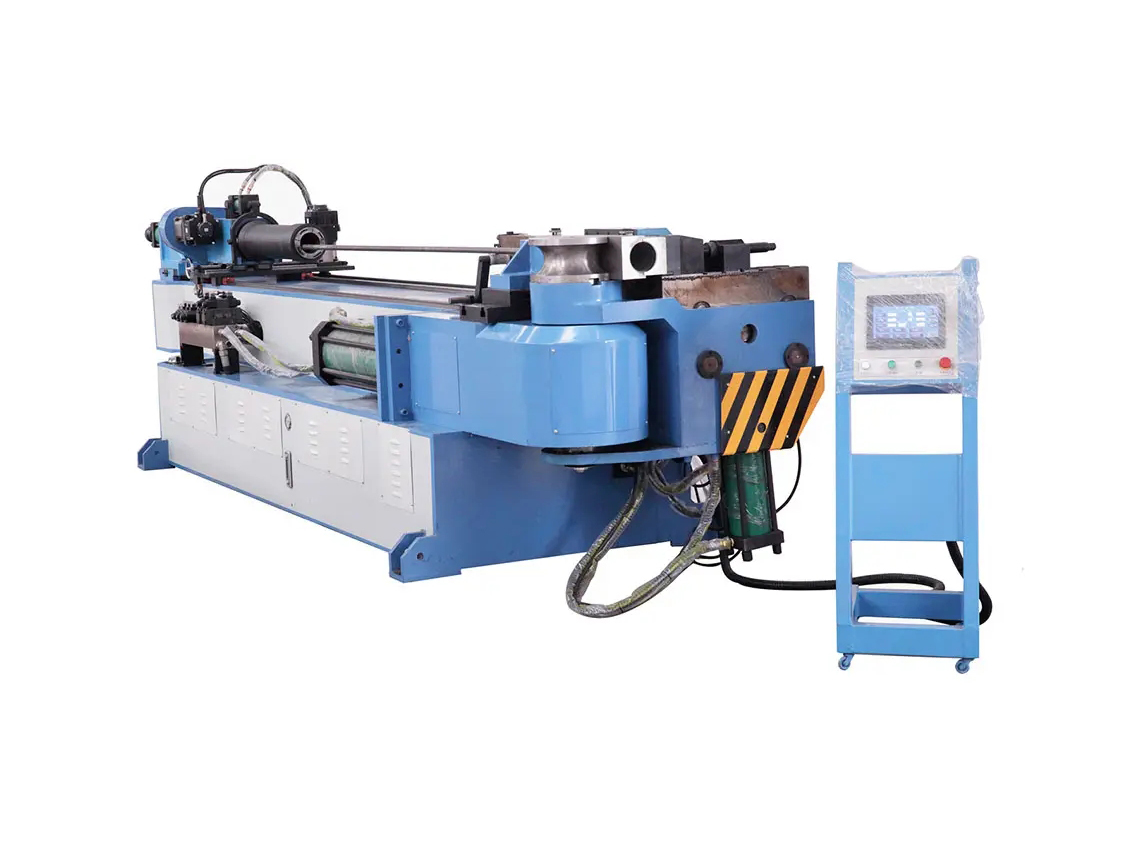 Tube Bending Machine
 Lathe and Machining Center
 Machine Protection Products