Inquiry
Form loading...

2026 Best CNC Milling Center for Global Buyers

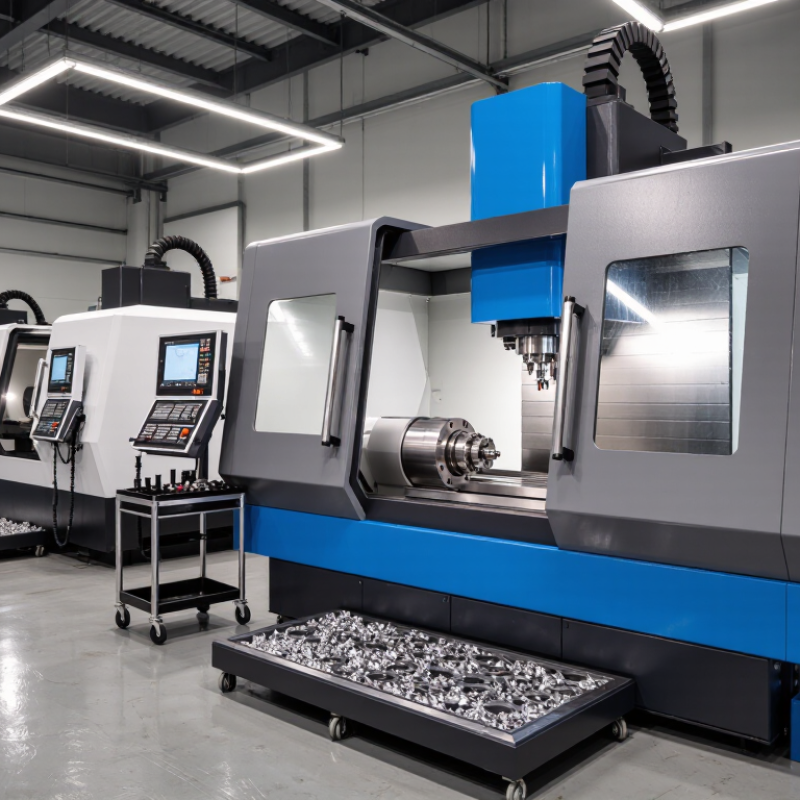
Choosing the right Cnc Milling Center in 2026 requires more than comparing prices and glossy specifications. Global buyers must examine machining accuracy, spindle performance, control systems, service support, and long-term operating costs. A machine may promise high speed, yet poor chip evacuation can interrupt production beside a full bin of aluminum chips.

Real workshops reveal the difference. Watch how the machine handles tool changes, coolant flow, vibration, and repeated production cycles. Check the working travel against your largest parts, not your average parts. Confirm positioning accuracy, repeatability, spindle taper, automatic tool capacity, and compatible power requirements. These details directly affect cycle time, surface quality, and maintenance expenses.

Small details matter.

This guide evaluates leading CNC milling centers for international buyers using practical and technical criteria. It considers machine construction, controller usability, energy consumption, installation requirements, training, spare-parts access, and remote diagnostics. Supplier experience also deserves careful review. Ask for application samples, inspection reports, factory references, and clear warranty terms. A reliable manufacturer should explain limitations, not only advertise strengths.

No ranking can fit every factory. A compact three-axis model may suit a prototype shop, while a five-axis center may reduce setups for complex aerospace or medical components. However, higher capability also brings greater programming demands and investment risk. That trade-off is easy to overlook. Buyers should compare verified performance with their own materials, tolerances, production volumes, and operator skills. Careful testing remains essential before signing a global purchasing agreement.

2026 Best CNC Milling Center for Global Buyers

Definition and Core Functions of a CNC Milling Center

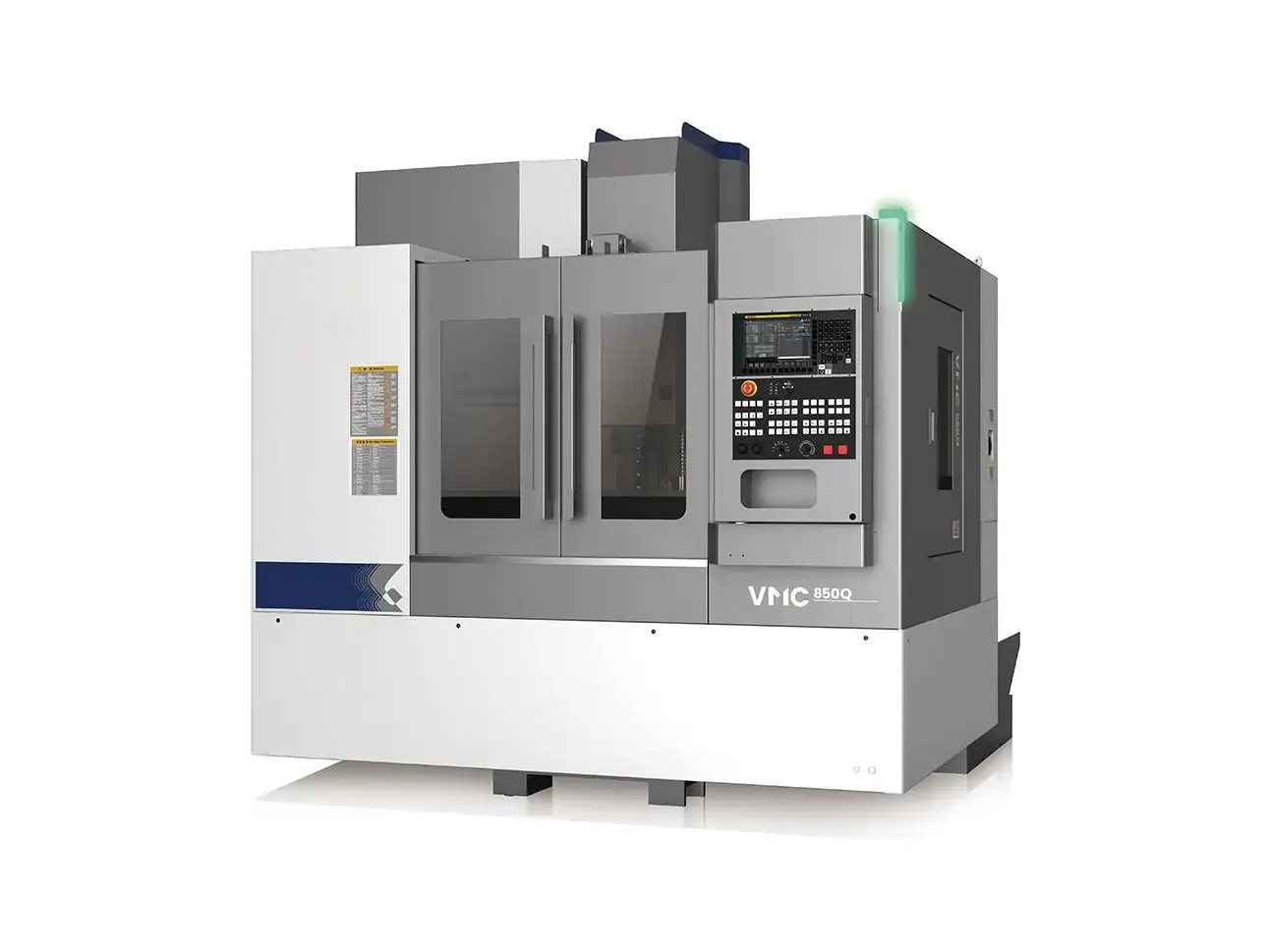
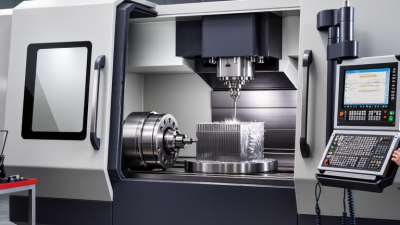
A CNC milling center is a computer-controlled machine that removes material with rotating cutting tools. It can mill, drill, tap, bore, and sometimes perform thread machining in one setup. The workpiece stays secured on a table while programmed axes move the tool or table precisely. A tool magazine changes cutters automatically, reducing manual handling and setup time. Coolant controls heat and carries chips away from the cutting area.

Its core function is repeatable material removal. The control system reads coded instructions, manages spindle speed, feed rate, tool movement, and cutting depth. Modern centers may use three, four, or five axes for complex parts, including angled surfaces and curved profiles. Accuracy depends on more than software. Machine rigidity, fixture quality, tool condition, and temperature all matter. A perfect program cannot correct a poorly aligned workpiece.

Tips: Check the fixture before loading the program. Measure tool length carefully. Watch the first dry run. In practice, the first setup is rarely perfect. A small clamping error can create visible dimensional problems. Buyers should review working travel, spindle power, axis accuracy, control functions, and service support. Production speed matters, but stable accuracy matters more. Some specifications look impressive on paper and perform differently on the shop floor. Reliable testing data deserves close attention.

Key Specifications for Evaluating CNC Milling Centers in 2026

2026 Best CNC Milling Center for Global Buyers

Key Specifications for Evaluating CNC Milling Centers in 2026

A dependable CNC milling center should match the buyer’s materials, batch size, and floor space. Check X, Y, and Z travel against the largest planned workpiece, not today’s smallest job. Spindle speed matters, but torque at low speed often decides steel-cutting performance. For aluminum, 12,000 to 24,000 rpm may improve productivity. For hardened materials, rigid construction and stable torque deserve more attention. Positioning accuracy and repeatability should be listed separately, preferably with test conditions and measurement standards. A fast tool changer is useful, yet tool-change reliability matters more than a headline cycle time.

Tips: Request a sample-cut report, spindle-load data, and accuracy results from a comparable machine. Inspect the chip conveyor, coolant filtration, and electrical requirements before purchase. Small omissions become expensive delays.

Five-axis capability can reduce setups and improve access to angled surfaces, but it also increases programming demands. A three-axis center may be more practical for repeated, flat components. Review controller compatibility, remote diagnostics, operator training, and spare-parts availability in your region. Power supply requirements must suit the factory, including voltage, phase, and peak load. I have seen buyers focus on maximum speed while overlooking thermal drift during long cycles. That choice looked efficient on paper. It was not. Ask how accuracy changes after warm-up, and request independent acceptance testing when possible. Safety guarding, interlocks, and documented maintenance procedures should be treated as core specifications, not optional extras.

2026 Best CNC Milling Center for Global Buyers - Key Specifications for Evaluating CNC Milling Centers in 2026
Evaluation Dimension Key Specification Typical 2026 Buyer Benchmark Why It Matters What to Verify Before Purchase
Machine Structure Machine configuration Vertical machining center for general work; 3-axis, 4-axis, or 5-axis configuration according to part complexity The number of controlled axes determines whether the machine can complete multiple surfaces and complex geometries in fewer setups. Confirm simultaneous or indexed axis capability, rotary-table integration, work envelope, and interference clearance.
Work Envelope X/Y/Z travel Common general-purpose range: approximately 500–1,050 mm / 350–650 mm / 400–650 mm Travel must accommodate the workpiece, fixture, tool length, and required clearance without reducing machining efficiency. Compare usable travel with the actual part envelope and check whether the stated figures are theoretical or usable under production conditions.
Workpiece Capacity Table size and maximum load Table width commonly about 600–1,400 mm; load capacity often approximately 300–2,000 kg, depending on machine size A properly sized table improves fixture stability and prevents overload-related accuracy, safety, and maintenance problems. Check T-slot dimensions, slot spacing, table flatness, maximum concentrated load, and load limits when using a rotary axis.
Spindle Performance Spindle speed About 8,000–15,000 rpm for general machining; high-speed options may reach 18,000–24,000 rpm Higher speed supports smaller tools and aluminum machining, while lower-speed torque is important for steel and difficult materials. Review the spindle speed-torque curve, continuous power rating, maximum torque, taper standard, and thermal stability.
Spindle Interface Tool taper and retention Common standards include BT40, BT50, CAT40, CAT50, and HSK options The taper affects rigidity, tool availability, permissible cutting loads, and compatibility with existing tooling. Match the interface with the buyer’s toolholders, retention knobs, automatic tool changer, and local tooling supply.
Drive System Motor and transmission Servo-driven axes with ball screws; direct-drive, belt-drive, or geared spindle according to application Drive design influences acceleration, positioning stability, cutting torque, noise, and long-term maintenance requirements. Request motor ratings, axis acceleration data, ball-screw diameter and support method, lubrication system, and backlash compensation features.
Feed Capability Rapid traverse and cutting feed Rapid traverse commonly about 24–48 m/min; cutting feed depends on material, tooling, and process Rapid movement reduces non-cutting time, but actual productivity also depends on acceleration, deceleration, and program execution. Check tested cycle time, acceleration values, feed-rate stability at low speed, and performance under full table load.
Accuracy Positioning accuracy and repeatability Typical high-quality machining centers may specify positioning accuracy around ±0.005–0.010 mm and repeatability around ±0.003–0.005 mm, subject to test conditions Accuracy determines whether the machine can meet drawing tolerances consistently across batches. Request an inspection report based on ISO 230-2 or equivalent testing, including temperature, axis length, and measurement conditions.
Thermal Control Thermal compensation and cooling Spindle temperature management, ball-screw compensation, coolant system, and optional oil chilling for demanding work Heat changes spindle and axis geometry, potentially causing dimensional drift during long production cycles. Verify warm-up procedures, thermal compensation functions, coolant capacity, filtration, and chiller specifications.
Automatic Tool Change Tool magazine capacity and change time Common capacity: 20–40 tools; larger production systems may use 60 or more positions Sufficient tool capacity reduces manual intervention and supports lights-out or mixed-part production. Confirm tool-to-tool change time, maximum tool diameter and length, adjacent-pocket restrictions, chip protection, and spare-tool management.
Control System Programming and connectivity Conversational programming, 3D simulation, Ethernet, USB, remote diagnostics, and compatibility with standard CNC code Modern connectivity reduces setup time, improves data collection, and supports integration with CAD/CAM and manufacturing systems. Check supported file transfer methods, memory capacity, network security, remote service policy, and post-processor compatibility.
Automation Readiness Robot, pallet, and probing integration Workpiece probing, tool measurement, pallet changers, bar-code or RFID identification, and robot interfaces Automation improves consistency and machine utilization, especially for repetitive or high-volume production. Verify I/O availability, robot safety interfaces, probing cycles, pallet accuracy, door design, and automation footprint.
Chip and Coolant Management Chip evacuation and coolant delivery Flood coolant, chip conveyor, washdown system, through-spindle coolant, and optional high-pressure coolant Effective chip control prevents recutting, tool damage, surface defects, and unplanned cleaning downtime. Confirm pump flow and pressure, tank capacity, filtration, conveyor type, chip compatibility, and coolant access around the fixture.
Energy Efficiency Electrical demand and standby consumption Evaluate total connected load, spindle-motor rating, standby power, coolant-pump efficiency, and automatic shutdown functions Energy use affects operating cost, facility planning, and compliance with sustainability targets. Request a complete electrical-load schedule and check compatibility with the destination country’s voltage, frequency, and electrical codes.
Safety Guarding and protective functions Fully enclosed work area, interlocked doors, emergency stops, overload protection, safety relays, and chip containment Proper safeguards protect operators and reduce exposure to rotating tools, chips, coolant, and unexpected machine movement. Review applicable conformity documentation, risk assessment, door-interlock behavior, emergency-stop response, and local safety requirements.
Installation Footprint, weight, and foundation Assess total machine footprint, height, shipping weight, floor loading, leveling requirements, and access route Insufficient floor capacity or restricted access can delay commissioning and create additional installation costs. Obtain shipping dimensions, center of gravity, foundation drawings, utility locations, lifting points, and anchoring requirements.
Global Compatibility Power and documentation Destination-specific electrical configuration, multilingual manuals, standardized drawings, and export-compliant documentation Correct documentation and utilities simplify customs clearance, installation, operator training, and service support. Confirm voltage and frequency, language requirements, certificates, spare-parts lists, wiring diagrams, and customs documents.
Maintenance Serviceability and spare parts Accessible lubrication points, diagnostic functions, standardized components, preventive-maintenance schedule, and remote support Fast troubleshooting and parts availability reduce downtime over the machine’s operating life. Check recommended spare-parts inventory, response times, warranty coverage, training options, and local technical support arrangements.
Acceptance Testing Pre-shipment and on-site validation Geometry inspection, spindle runout test, circular interpolation test, repeatability test, and sample-part machining Testing validates that the machine meets contractual performance requirements rather than relying only on catalog specifications. Define acceptance criteria, measurement instruments, environmental conditions, test materials, tolerance limits, and corrective-action procedures.
Total Cost of Ownership Purchase, operation, and lifecycle cost Evaluate machine price together with tooling, installation, training, energy, coolant, maintenance, software, and downtime costs The lowest initial price does not necessarily produce the lowest cost per finished part. Request a five-year cost estimate and compare productivity, availability, consumables, service rates, upgrade costs, and resale considerations.
Note: Specification ranges are indicative benchmarks for comparing general CNC milling centers. Final suitability depends on material, part geometry, tolerance, production volume, tooling, local regulations, and verified machine-test conditions.

Major CNC Milling Center Types and Their Applications

2026 Best CNC Milling Center for Global Buyers

Major CNC Milling Center Types and Their Applications

CNC milling centers differ by spindle direction, axis count, and production purpose. Vertical machining centers suit brackets, molds, and general metal parts. Their upright spindle gives operators clear access to the workpiece. Horizontal machining centers handle deep cavities and repeated batch production. Chips fall away more naturally. That detail matters. Five-axis centers machine turbine blades, medical components, and complex aerospace structures with fewer setups.

The International Federation of Robotics reported 541,302 industrial robots installed worldwide in 2023, showing how strongly manufacturers are pursuing automated production. CNC buyers should therefore evaluate pallet changers, probing systems, and robot integration, not only cutting speed.

For large plates, molds, or structural parts, gantry machining centers provide long travels and stable support. Compact turning-milling centers combine rotational and milling operations, reducing handling between machines. Grand View Research projects continued growth in the global CNC machine market through the decade, driven by automotive, electronics, and precision engineering demand.

However, market forecasts are not purchase guarantees. Local tooling, operator skill, coolant control, and after-sales response can change real productivity. Shop-floor testing remains essential.

Tips: Match the center to part geometry and batch size. Check spindle torque at low speed. Request sample-cut data, positioning accuracy, cycle time, and energy use. A perfect machine does not exist. The cheapest quote may create hidden setup costs. Build a scorecard before comparing suppliers.

How to Compare Manufacturers, Technologies, and Total Costs

2026 Best CNC Milling Center for Global Buyers

Comparing manufacturers starts with evidence, not polished brochures. Request acceptance-test records, spindle runout data, thermal compensation results, and references from similar materials. ISO 230-2 provides a recognized method for checking positioning accuracy and repeatability. A serious supplier should explain these results clearly.

Technology must match the workpiece. Three-axis machining may suit prismatic aluminum parts, while five-axis control can reduce setups for complex surfaces. Check spindle power, tool capacity, probing, chip evacuation, and control compatibility. Ask about service response in your region. A fast machine with slow technical support becomes expensive quickly. It happens.

Total cost needs a wider lens. Include tooling, installation, training, coolant, electricity, maintenance, software, and lost production during downtime. The U.S. Department of Energy estimates compressed-air systems can waste 20–30% of compressor output through leaks and poor management. Energy efficiency is not a small detail. The International Energy Agency’s Energy Efficiency 2023 report identifies industry as using about 37% of global final energy, making operating consumption commercially important. Compare five-year cost per productive hour, not only purchase price. Some calculations will be imperfect because future labor and energy prices are uncertain. State those assumptions openly. That improves trust.

2026 Best CNC Milling Center for Global Buyers

Five-year total cost of ownership benchmark by machine configuration. Values are normalized percentages for procurement planning; actual costs vary by region, options, workload, service terms, and energy prices.

How to read it: Purchase and installation usually dominate the initial investment, while tooling, maintenance, energy, and downtime influence long-term value. Higher-axis configurations may reduce setup time and improve access to complex surfaces, but they generally require greater upfront investment and more advanced programming capability.

Global Purchasing, Compliance, Installation, and After-Sales Support

2026 Best CNC Milling Center for Global Buyers

For global buyers, a CNC milling center must fit more than a production target. It must fit customs rules, electrical standards, factory space, and operator skills. Deloitte’s 2024 Smart Manufacturing Survey found that 86% of manufacturers expect smart manufacturing to be a major competitiveness driver within five years. That expectation raises the value of stable data interfaces, remote diagnostics, and documented process control.

Compliance should be checked before payment. Request the machine’s risk assessment, electrical documentation, material certificates, and applicable conformity records. Compare voltage, frequency, guarding, noise limits, and emergency-stop design with the destination country’s requirements.

The World Bank’s 2023 Logistics Performance Index evaluates 139 economies, showing why customs quality and shipment visibility matter. A delayed machine is expensive, even when the machine itself performs well.

Installation needs practical planning. Confirm foundation drawings, lifting points, coolant disposal, network access, and staff training hours. After-sales support should include spare-parts lists, response targets, preventive-maintenance schedules, and video troubleshooting. Not every remote solution works smoothly; weak internet and unclear language can slow diagnosis. That risk deserves honest attention.

Tips: Ask for a sample acceptance protocol before ordering. Record spindle accuracy, positioning repeatability, cycle time, and surface finish during inspection. Keep critical consumables locally when possible. A low purchase price can become costly without dependable support.