2026 How to Choose the Best CNC Horizontal Lathe for Your Needs?
Choosing the right CNC horizontal lathe is crucial for any machining operation. With numerous options available, it can be overwhelming. Understanding your specific needs is essential in making an informed decision.
CNC horizontal lathes offer versatility in handling various materials. They excel in turning, facing, and drilling tasks. However, not all machines are created equal. Each model varies in features, costs, and capabilities. The wrong choice may lead to inefficient production and increased costs.
Evaluating factors like size, precision, and automation is vital. Consider your production volume and the types of projects you handle. Seek expert advice to navigate available options. Ultimately, investing time in research will pay off, ensuring your CNC horizontal lathe meets your business needs effectively.
Understanding CNC Horizontal Lathes: Key Features and Benefits
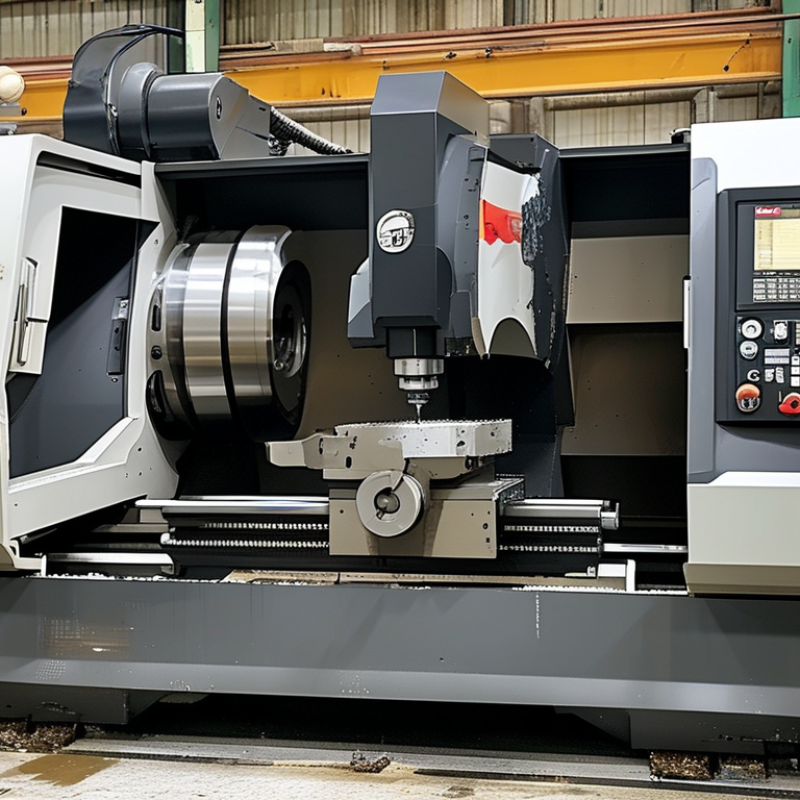
CNC horizontal lathes are essential tools for precision machining. These machines can create complex shapes with high accuracy. Key features to consider include spindle speed, tooling options, and bed length. A suitable spindle speed allows for efficient material removal. Tooling options can enhance versatility. For example, using different inserts can affect the finish and production time.
The bed length of a CNC lathe influences the size of parts you can produce. Longer beds accommodate larger workpieces. Operators should consider the type of materials they plan to work with. Some machines handle metals better, while others are suited for plastics. Understanding how these features affect performance is crucial.
Choosing the right CNC horizontal lathe involves not just specifications but also understanding your production needs. Users often reflect on previous projects to determine what features are necessary. For instance, machines with additional axes can improve productivity but may introduce complexity. Balancing capabilities with ease of use is vital for efficient operations.
Assessing Your Machining Needs: Factors to Consider
When selecting a CNC horizontal lathe, understanding your machining needs is crucial. Start by identifying the material you will work with. Different lathes excel in processing metals, plastics, or composites. Each material has unique properties that affect cutting speed and tool wear. This insight will guide you toward a well-suited machine.
Consider the size and complexity of the parts you intend to produce. Larger parts require a more robust machine with greater distance capacity. Likewise, intricate designs necessitate advanced features like live tooling and dual-spindle options. Think about the precision and tolerances you need. Some lathes are better suited for high-precision tasks, while others may fall short.
Reflect on your production volume as well. A high-output requirement might steer you toward automated systems. However, automation often comes with a higher initial investment. Balancing cost and efficiency is vital. While some may overlook maintenance, regular upkeep affects longevity and performance. A machine may promise high output, but without care, it can underperform. Take the time to evaluate these factors thoroughly, as they significantly impact your final choice.
2026 How to Choose the Best CNC Horizontal Lathe for Your Needs?
| Feature |
Importance Level (1-5) |
Description |
| Bed Length |
5 |
The length of the machine's bed should accommodate the maximum length of parts you plan to work with. |
| Swing Diameter |
4 |
This measurement is crucial for determining the diameter of the workpieces that can be turned. |
| Spindle Speed |
4 |
The spindle speed impacts the variety of materials and sizes you can work with efficiently. |
| Precision |
5 |
Higher precision machines ensure tighter tolerances which are necessary for quality production. |
| Tooling Options |
3 |
Versatility in tooling increases the range of operations you can perform on the machine. |
| Control System |
4 |
A user-friendly and advanced control system facilitates easier programming and operation. |
| Budget |
5 |
This is a key factor that will determine the range of models you can consider. |
| Maintenance Requirements |
3 |
Understanding maintenance needs helps in ensuring machine uptime and reliability. |
Evaluating Precision and Accuracy in CNC Horizontal Lathes
When evaluating CNC horizontal lathes, precision and accuracy are crucial factors. According to industry data, precision is defined by how closely the machine can replicate a specific measurement. Accuracy refers to how close a workpiece is to the intended dimensions. Studies show that machines with a tolerance of ±0.002 mm are ideal for tight specifications, particularly in aerospace and automotive sectors.
To ensure you select the right lathe for your needs, consider the following tips:
- Always check the machine's spindle speed and rigidity. Higher spindle speeds lead to better surface finishes and reduced cycle times.
- Pay attention to the feed rate as well. A feed rate of 0.1 mm/revolution achieves well-finished surfaces without sacrificing accuracy.
Additionally, consider the material you will be working with. Harder materials can dramatically affect a lathe's performance. Regular calibration and maintenance can help maintain accuracy over time. However, even the best machines are not infallible. Inefficiencies may arise due to operator error or machine wear. Regular training and quality checks will ensure you maximize investment in your CNC machines.
Exploring Different CNC Control Systems for Lathes
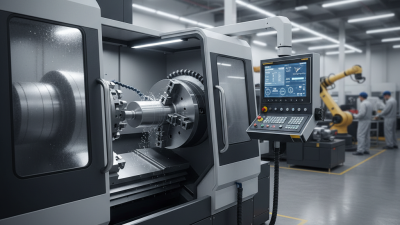
When selecting a CNC horizontal lathe, understanding the control systems is crucial. CNC control systems directly impact machining efficiency, accuracy, and ease of use. A 2021 report by the International Federation of Robotics indicated that advanced CNC controls can improve production efficiency by up to 30%. This efficiency gain can significantly affect overall operational costs.
There are various control systems available, with some offering intuitive interfaces and advanced programming capabilities. Users often encounter difficulties with complex systems, making training critical. A survey from the Manufacturing Technology Association revealed that 40% of operators felt unprepared when working with new CNC controls. The complexity can lead to errors and increased downtime, highlighting the need for a well-rounded understanding of the systems.
Moreover, some systems may not support specific industry applications, leading to additional challenges. Selecting the best CNC control requires evaluating both current needs and future scalability. Data suggest that choosing a flexible control system can enhance adaptability. This adaptability can be beneficial in an ever-evolving industry landscape. Lack of proper research can result in costly missteps, proving that informed choices are essential in CNC lathe procurement.
Budgeting for Your CNC Lathe: Cost Considerations and Options
Budgeting for a CNC lathe can determine the success of your production. It is crucial to consider your operational needs and production volume. Costs for CNC lathes vary significantly. Factors influencing the price include size, specifications, and features. Establish a clear budget, but also allow for unexpected expenses.
Used machines can lower costs, yet they carry risks. Inspecting them thoroughly is essential. You may need repairs or upgrades, which adds to initial expenses. New machines often come with warranties. They can be more reliable, but the upfront cost is usually higher. Balance short-term affordability with long-term benefits.
Consider operational costs too. Maintenance, tooling, and power consumption impact your overall budget. Sometimes, investing more initially leads to lower expenses later. Take the time to assess all the factors carefully. Making an informed decision will save you from future headaches.

 Press Brake
 CNC Laser
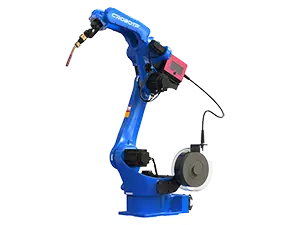 Industry Robot
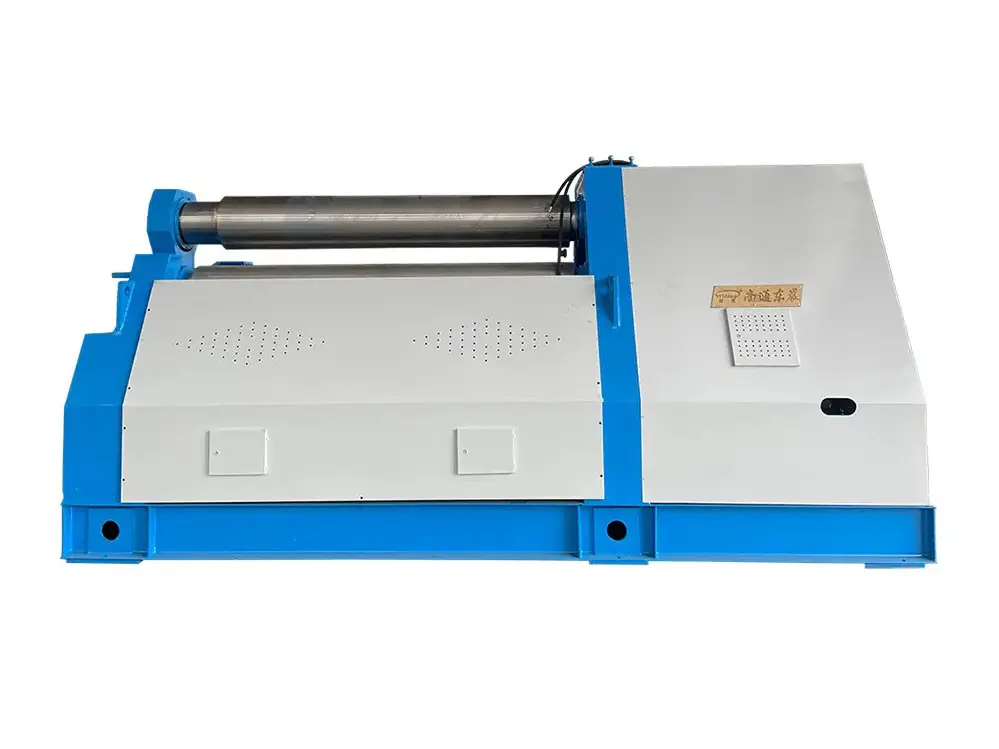 Plate Rolling Machine
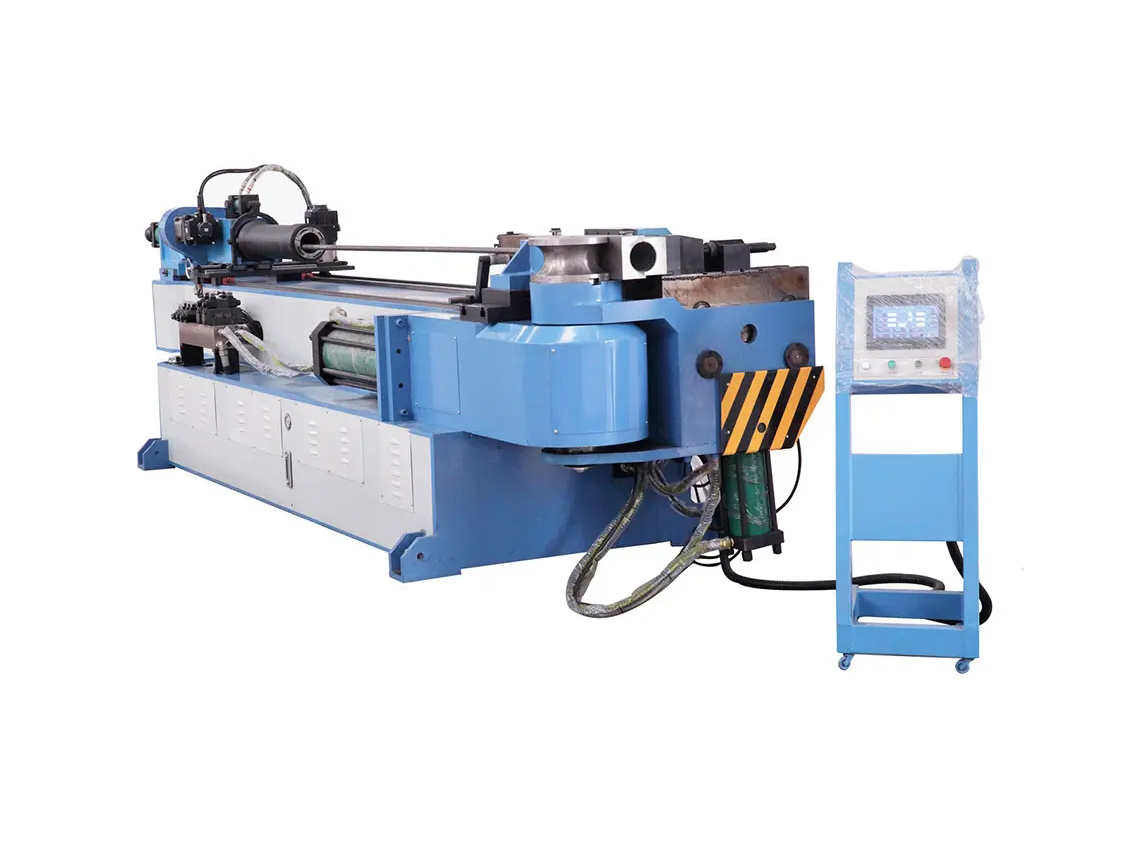 Tube Bending Machine
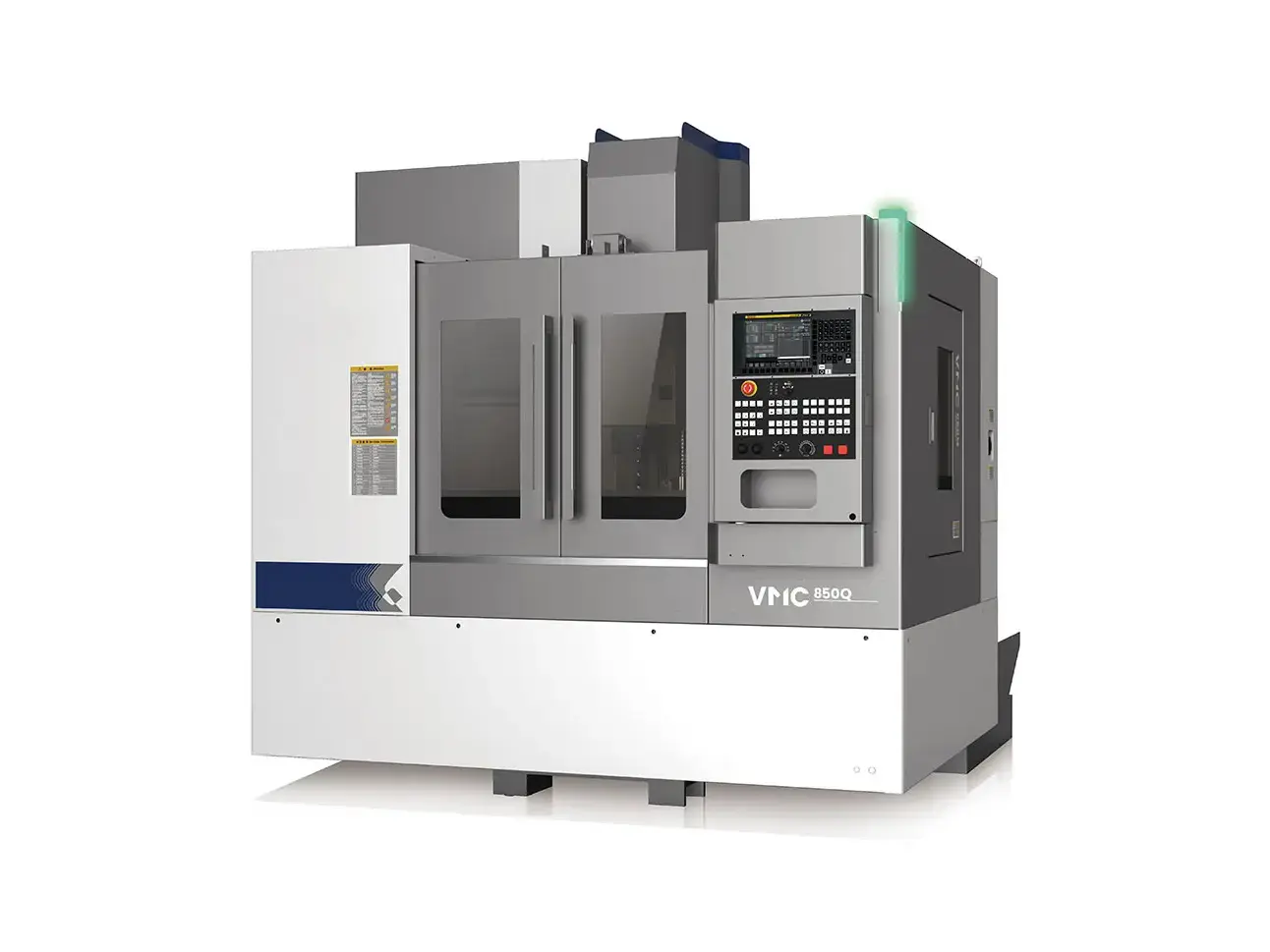 Lathe and Machining Center
 Machine Protection Products