How to Choose the Right Press Brake for Your Business?
Choosing the right Press Brake is crucial for any metal fabrication business. Experts agree on the importance of making informed decisions in this area. John Smith, a leading figure in the Press Brake industry, once stated, "Selecting the right machine can define your production efficiency."
Press Brakes come in various types and sizes, each catering to different needs. For instance, hydraulic models offer power and precision, while electric options push for energy efficiency. It's essential not to overlook these aspects. Each option has its benefits and shortcomings. A machine that excels in one area may lack in another.
Reflecting on specific requirements can clarify your decision. Consider factors like material thickness, bending angles, and daily production rates. A mismatch can lead to inefficiencies, wasted resources, and even frustration. The right Press Brake will align with both operational needs and future growth. Take the time to assess your unique situation before making a commitment.
Understanding Press Brakes and Their Importance in Manufacturing
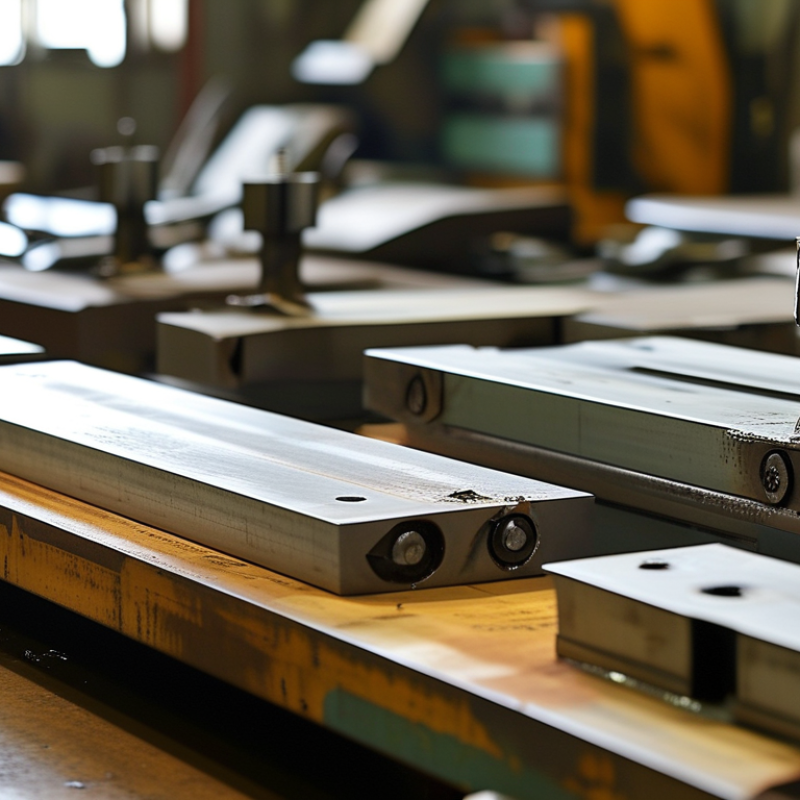
Press brakes are essential machines in manufacturing, shaping metal into precise forms. They play a crucial role in producing components across various industries, including automotive and aerospace. According to a recent industry report, the global press brake market is expected to grow by 4.5% annually, highlighting their importance in modern manufacturing.
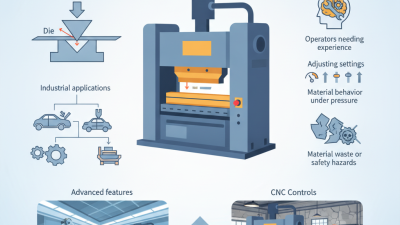
Choosing the right press brake involves understanding its specifications, capabilities, and appropriate applications. For instance, tonnage and working length are critical when determining the right press brake for a specific task. A mismatch in capacity can lead to operational inefficiencies, resulting in production delays and increased costs. It’s essential to assess your production needs carefully and select a press brake that aligns with them.
Engaging with experienced operators can provide valuable insights into the practical aspects of press brake usage. When evaluating options, consider the types of materials you'll work with, such as aluminum or steel, and how thickness impacts choice. Watch for features that enhance precision and efficiency, like CNC controls. Observe industry trends; investing in energy-efficient models may save operational costs over time.
Key Factors to Consider When Selecting a Press Brake
When selecting a press brake, several key factors are important. The bending capacity is crucial. Most small to medium businesses require machines that can handle materials up to 10 mm thick and lengths of at least 2 meters. According to industry reports, over 60% of users prioritize capacity that aligns with their typical workload. This ensures efficiency and longevity of the machine.
Next, consider the control system. Advanced CNC systems allow for precise bending operations. A study showed that businesses using CNC press brakes reported a 30% decrease in material waste. Additionally, ergonomic features should not be overlooked. A well-designed work environment can prevent injuries and enhance productivity.
Lastly, evaluate the brand’s reputation and service support. Research indicates that reliability and customer service impact machine performance significantly. A press brake is a long-term investment. Take the time to analyze feedback and reviews. Many businesses regret not doing thorough research before purchase. Always weigh the initial costs against expected performance and maintenance over time.
How to Choose the Right Press Brake for Your Business? - Key Factors to Consider When Selecting a Press Brake
| Factor |
Description |
Importance Level |
| Bending Capacity |
The maximum thickness and length of material the press brake can handle. |
High |
| Accuracy |
The precision of bends, affecting the quality of finished products. |
High |
| Control System |
Type of software and interface used to operate the machine. |
Medium |
| Maintenance Support |
Availability of service and maintenance from manufacturer or supplier. |
High |
| Footprint |
The physical space the press brake occupies in your shop. |
Medium |
| Power Source |
Electric, hydraulic, or hybrid options depending on your facility's resources. |
Medium |
| Budget |
The overall cost of the press brake including purchase and operational expenses. |
High |
Types of Press Brakes and Their Suitable Applications
When selecting a press brake, understanding the types and their applications is critical. There are several main types: mechanical, hydraulic, and servo-electric. Mechanical press brakes are ideal for high-speed production environments. They can produce a consistent output, making them popular in the automotive sector. However, they often lack flexibility in terms of material types and thicknesses.
Hydraulic press brakes offer versatility. They can handle a wide range of materials and varying thicknesses. According to a report by the International Federation of Robotics, the demand for hydraulic press brakes continues to grow, accounting for nearly 50% of market share in recent years. Their adaptability makes them suitable for industries like aerospace and construction, where different bending tasks are commonplace.
Servo-electric press brakes are increasingly popular in energy-efficient operations. They consume less power compared to hydraulic models while providing precision bending. A study by Market Research Future suggests that the global market for servo-electric press brakes is expected to grow at a CAGR of 4.5% between 2021 and 2027. Yet, they can be more expensive upfront. Balancing initial investment against long-term savings is crucial for businesses. Understanding these distinctions can help manufacturers make informed decisions tailored to their specific needs.
Evaluating Press Brake Specifications for Your Business Needs
Choosing the right press brake involves understanding specific technical specifications. Evaluate the bending capacity needed for your projects. This includes the maximum sheet width and thickness you will handle. If you work with diverse materials, ensure your press brake can accommodate various types and gauges.
Consider the machine's precision and repeatability. Press brakes with advanced control systems often provide greater accuracy. A reliable press brake ensures consistent results over time, reducing material waste.
Look into customization options, as not all businesses require the same features. Some might need additional tooling or specialized software for design modifications. This flexibility can address evolving business needs.
Tip: Assess your current workload and potential future demands before making a purchase. Your business might grow, and you don’t want to be stuck with underperforming equipment.
Tip: Regularly review your machine's performance and maintenance logs. This can highlight any inconsistencies that may indicate a need for upgrades. Investing in quality maintenance extends equipment life and ensures reliability.
Budgeting for Your Press Brake Investment: Costs and Financing Options
When considering a press brake investment, budgeting is crucial. According to recent industry reports, the average cost of a press brake ranges between $30,000 and $200,000. This wide range is influenced by factors such as machine size, technology, and additional features. Understanding these aspects helps businesses make informed decisions.
Financing options can help manage these costs. Many manufacturers offer leasing agreements, which can be beneficial for startups lacking initial capital. Research shows that leasing can lower upfront expenditures by up to 30%. Additionally, government grants and loans may provide further financial relief. Businesses must evaluate all available financial avenues to ensure sustainable cash flow and operational efficiency.
It's essential to account for maintenance costs, which can be overlooked. Industry studies indicate that annual maintenance expenses can reach around 10% of the initial machine cost. This added expense can strain budgets if unplanned. Therefore, businesses should include these figures in their financial planning. Reflecting on both immediate and long-term costs will lead to a more holistic approach to investing in a press brake.

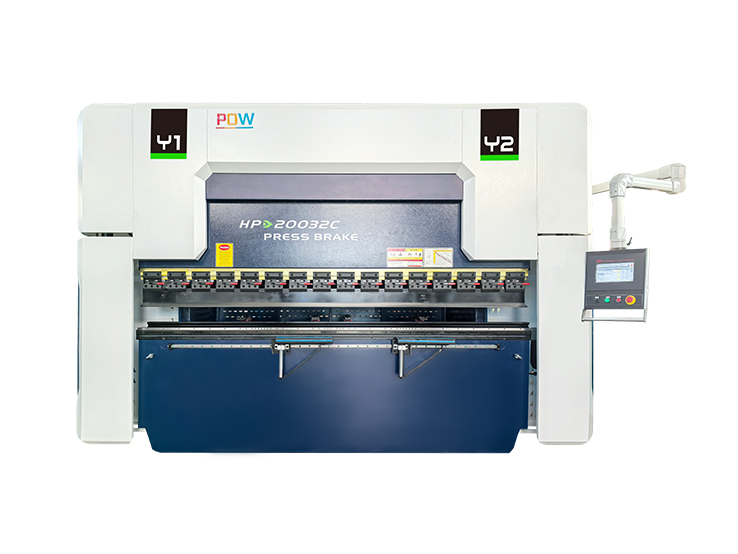 Press Brake
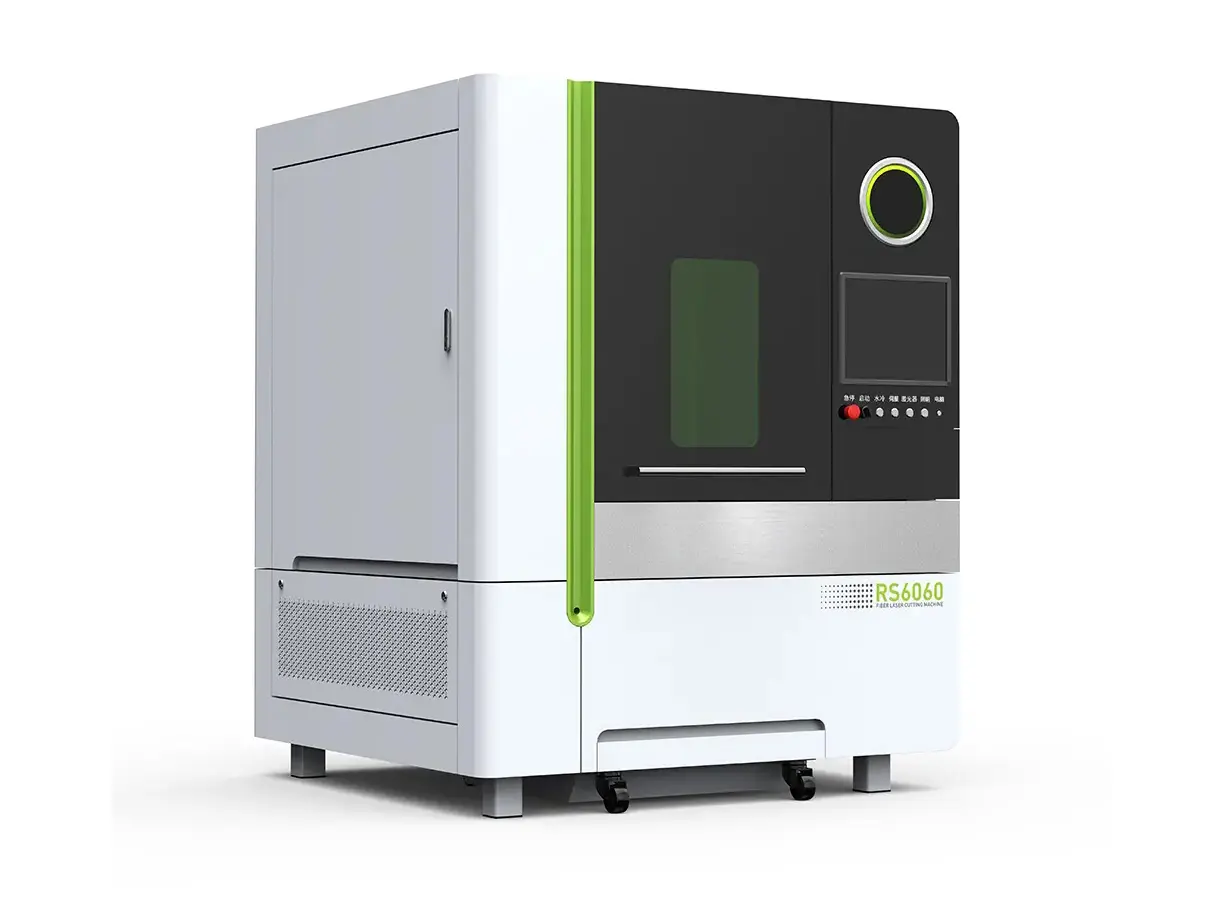 CNC Laser
 Industry Robot
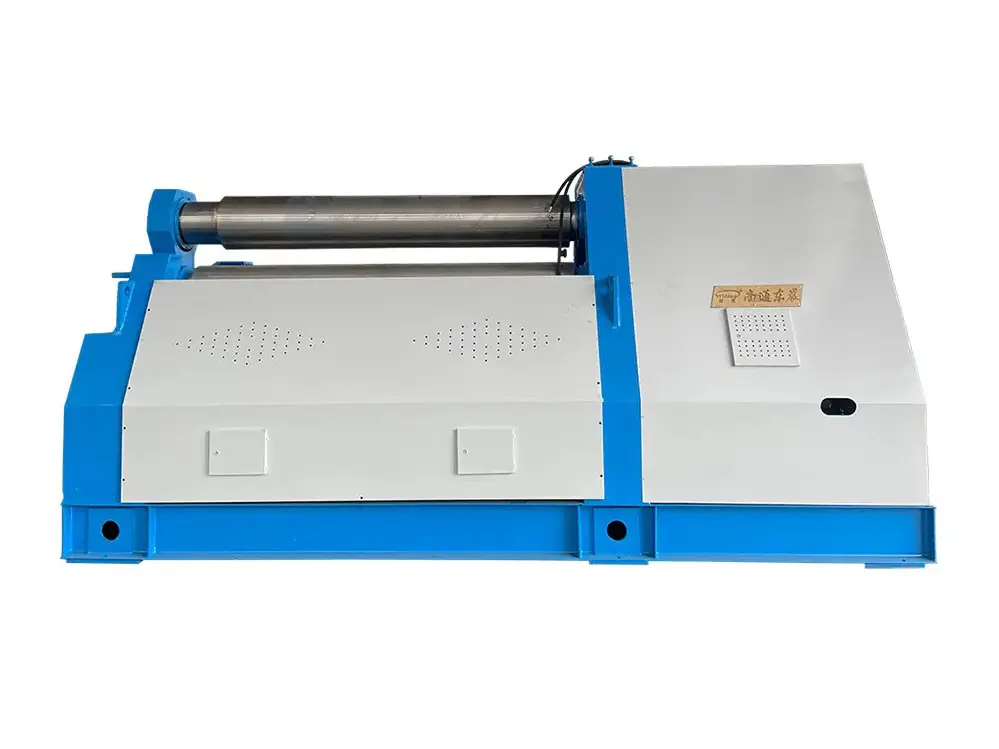 Plate Rolling Machine
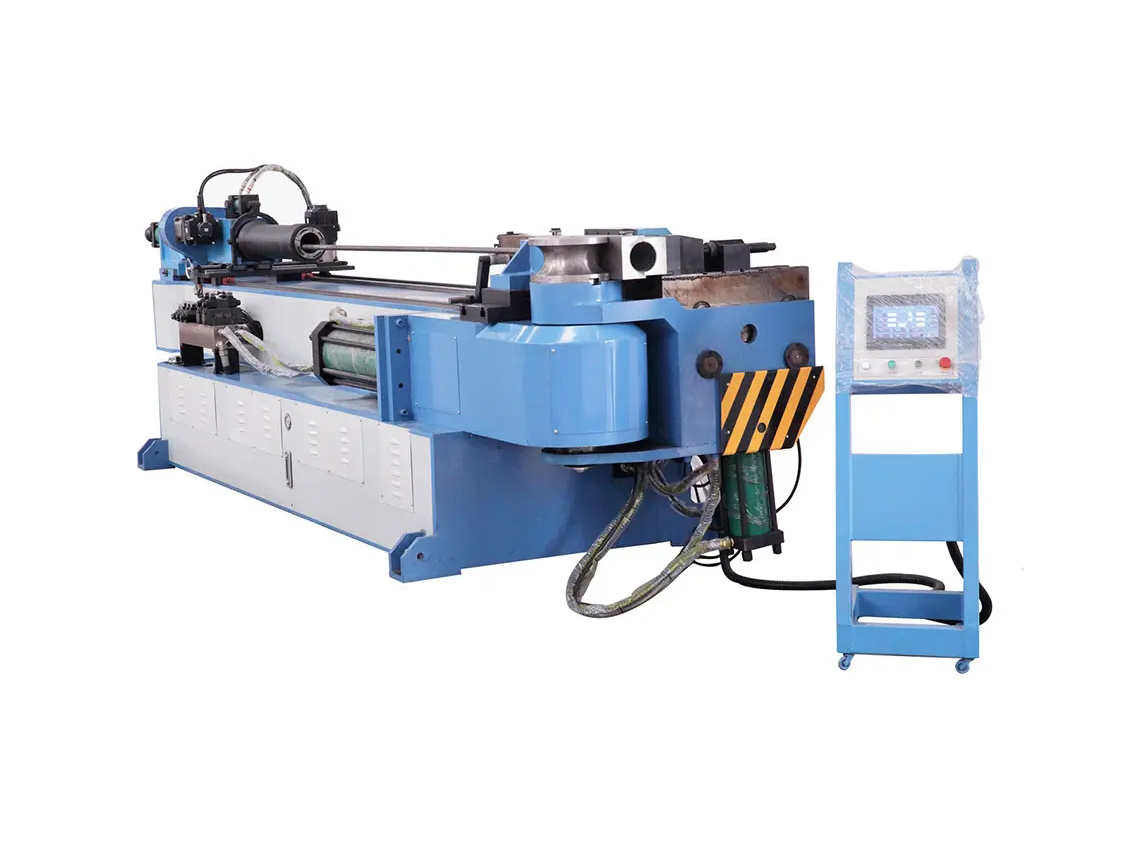 Tube Bending Machine
 Lathe and Machining Center
 Machine Protection Products