What is a Press Brake and How Does it Work in Metal Fabrication?
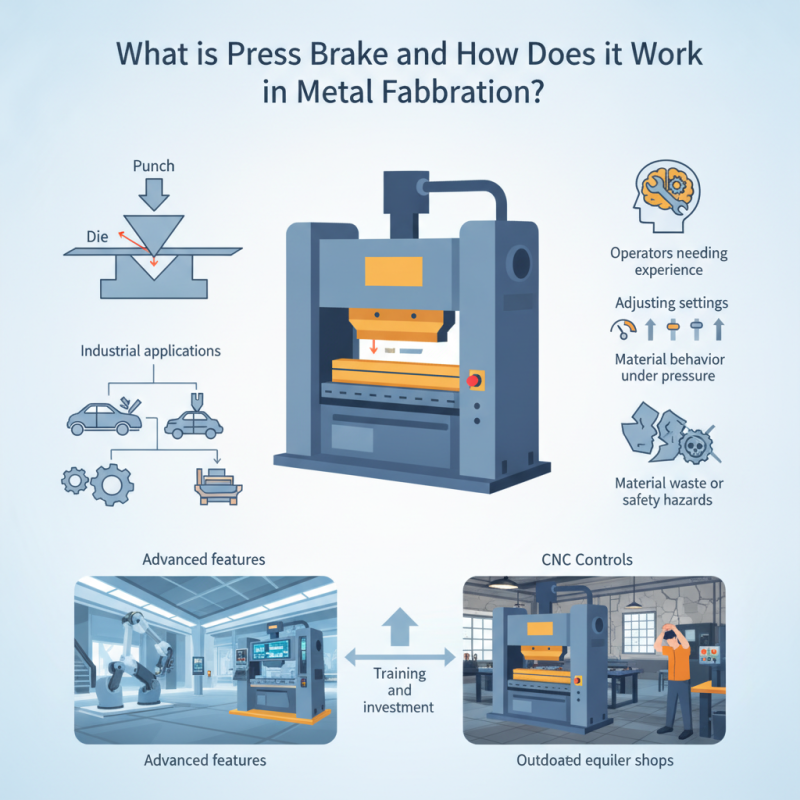
In the realm of metal fabrication, the Press Brake stands as an indispensable tool. This machine bends sheet metal with precision, shaping it into various forms for industrial applications. Its role is crucial in manufacturing sectors, from automotive to construction. The Press Brake uses a punch and die system to achieve tight tolerances, ensuring parts meet strict specifications.
Understanding how a Press Brake operates reveals its complexity. Operators need experience to harness its full potential. Adjusting settings requires a deep knowledge of materials and their behavior under pressure. Mistakes can lead to material waste or safety hazards. This highlights the importance of skilled professionals in operating such machinery.
As technology evolves, modern Press Brakes incorporate advanced features. These include CNC controls and automatic loading systems. However, not all facilities can afford these innovations. Smaller shops might struggle with outdated equipment, limiting their capabilities. Reflecting on these challenges can lead to improvements in training and investment strategies.
What is a Press Brake in Metal Fabrication?
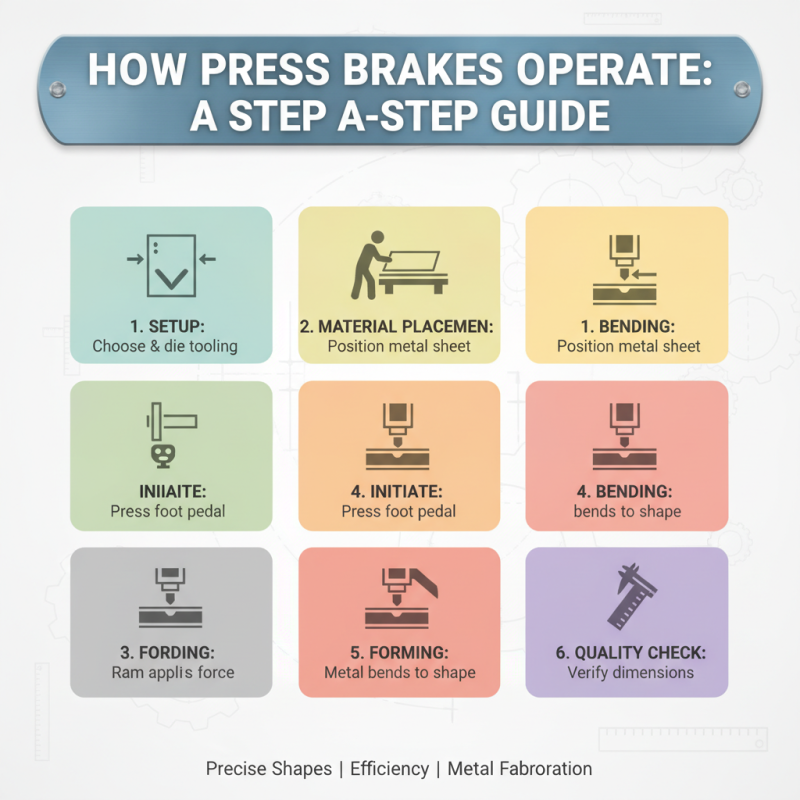
A press brake is an essential tool in metal fabrication. It is used for bending and shaping metal sheets into various angles and forms. The device utilizes a die and punch system to create precise bends. Skilled operators can achieve accurate results with different metals, from aluminum to steel. This flexibility makes it valuable in manufacturing industries.
Understanding how a press brake works requires knowing its components. The upper part is the ram, which moves downward to perform the bending. The lower part contains a die that shapes the material. Operators must adjust the machine settings for thickness and material type. Errors in settings can lead to incorrect bends. These mistakes can waste time and resources. Proper training and experience enhance accuracy in using a press brake.
The operation involves feeding a metal sheet into the machine. The sheet is clamped securely before the bending process begins. The precision of the bends can vary significantly based on operator skill. Inexperienced operators might struggle with complex shapes. Fine-tuning of the press brake is essential. Even minor adjustments can make a significant difference in the final product's quality.
The Components of a Press Brake and Their Functions
A press brake is an essential tool in metal fabrication. It bends sheet metal into various shapes and angles. Understanding its components helps enhance its efficiency. Let's explore the key parts of a press brake and their functions.
The most significant component is the frame. It provides stability and supports the bending process. The ram is also vital; it moves up and down to apply pressure. This pressure shapes the metal accurately. A die and punch work together to define the bend's angle. Selecting the right die is crucial; it affects the final product's quality.
Hydraulic systems control the ram's movement. Hydraulic press brakes offer tremendous power and precision. The control panel allows operators to set bend angles and depths. Some operators struggle with programming. Incorrect settings can lead to wasted material. Training on these systems is important for efficiency. Each component’s role is interconnected, making expertise in operation essential for success.
Press Brake Usage by Industry
Common Applications of Press Brakes in Industries
Press brakes are essential tools in metal fabrication. Many industries rely on these machines for bending metal sheets into desired shapes. The aerospace and automotive sectors frequently use press brakes for component manufacturing. These machines can handle various materials, including aluminum and steel, offering versatility in fabrication processes.
According to recent industry reports, the global press brake market is expected to grow significantly, estimated to reach $4.6 billion by 2026. This growth is driven by the increasing demand for precision and efficiency in manufacturing. Factories often seek advanced technology to improve production rates. Automated systems integrated with press brakes contribute to this by minimizing human error and enhancing safety protocols.
Common applications of press brakes include creating structural components for buildings, manufacturing brackets, and producing enclosures. However, challenges persist. Many operators face difficulties in achieving uniform bends, particularly with thicker materials. Training is crucial for maximizing the effectiveness of press brakes. Skilled operators can reduce waste and increase productivity, yet many companies struggle with maintaining a fully trained workforce. Regular assessment of operators' skills can address these issues and improve output quality.
What is a Press Brake and How Does it Work in Metal Fabrication? - Common Applications of Press Brakes in Industries
| Application |
Material Used |
Thickness Range (mm) |
Industries |
Common Features |
| Sheet Metal Bending |
Aluminum, Steel |
0.5 - 10 |
Manufacturing, HVAC |
Precision Control, Variable Speed |
| Metal Forming |
Stainless Steel, Brass |
1 - 5 |
Automotive, Aerospace |
Automated Controls, Safety Features |
| Channel Bending |
Mild Steel |
3 - 15 |
Construction, Shipbuilding |
Customizable Dies, High Capacity |
| Box Fabrication |
Aluminum, Carbon Steel |
2 - 8 |
Electronics, Appliances |
Modular Design, Versatility |
Safety Considerations When Using a Press Brake
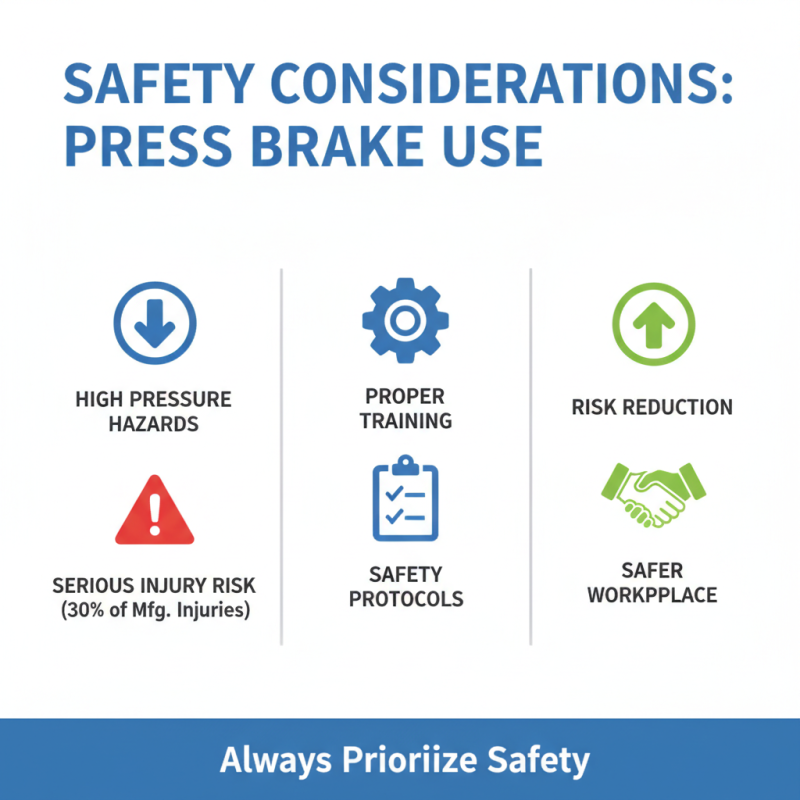
When working with a press brake, safety is paramount. The machine operates under high pressures, which can pose serious hazards. According to industry reports, nearly 30% of workplace injuries in manufacturing are related to equipment like press brakes. Proper training and safety protocols can greatly reduce this risk.
Operators must wear appropriate personal protective equipment (PPE). This includes safety glasses, steel-toed boots, and gloves. However, even with safety gear, accidents can occur. A significant number of injuries result from improper machine set-up or inadequate guarding. Regular maintenance of the machine is crucial. It is not uncommon for a malfunctioning press brake to lead to operator injury.
Understanding the machine's limitations is important. Some operators push their equipment beyond safe limits, increasing risk. Regularly scheduled safety audits can help identify these risks. Training should also address the importance of risk assessment before operations begin. A culture of safety can transform how operators engage with the machine, ensuring their well-being while maintaining productivity.

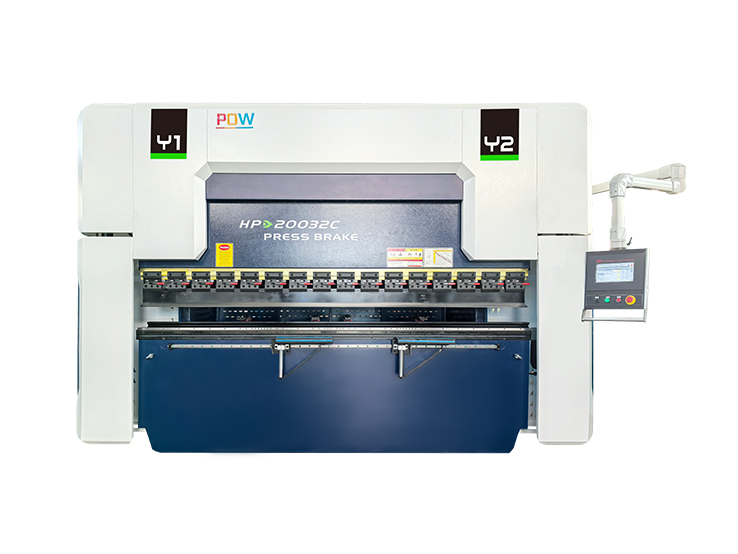 Press Brake
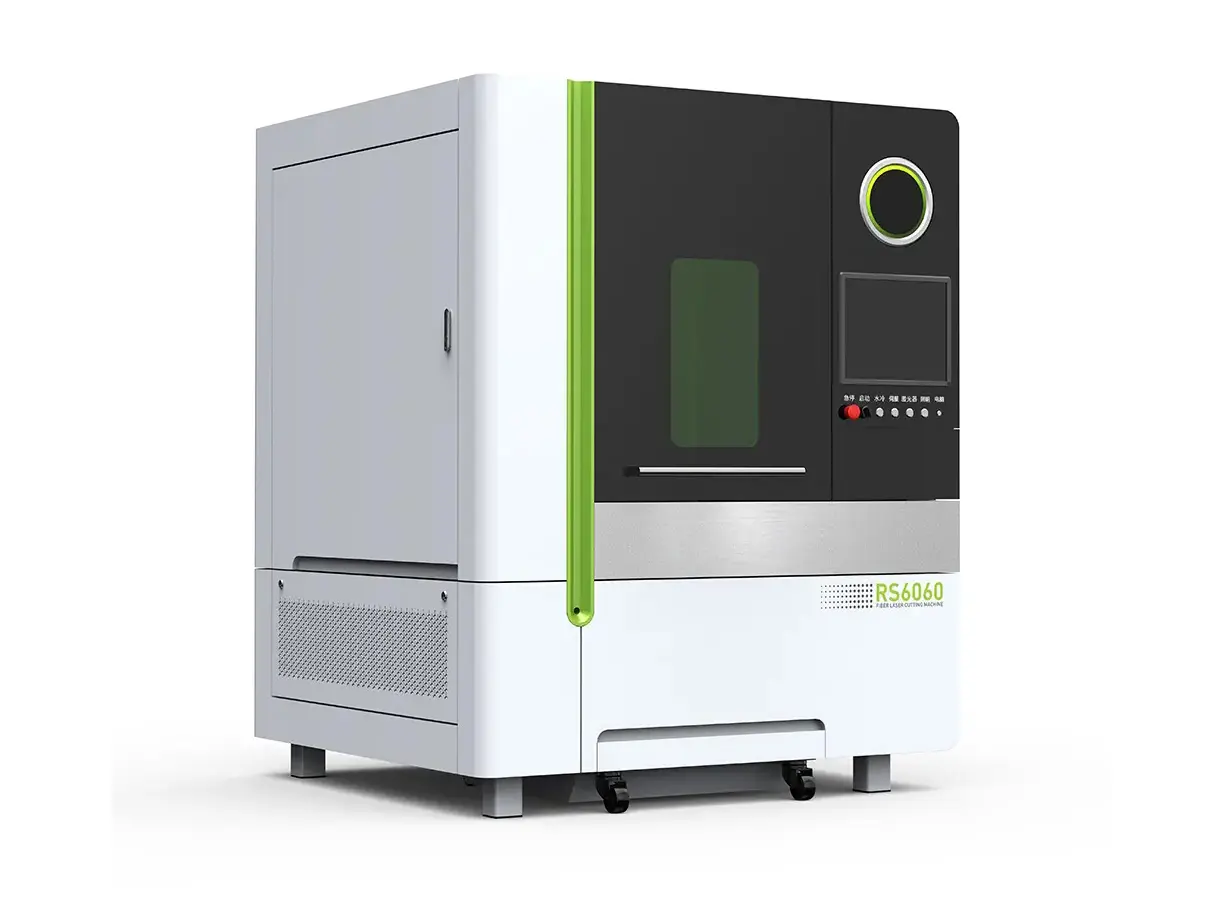 CNC Laser
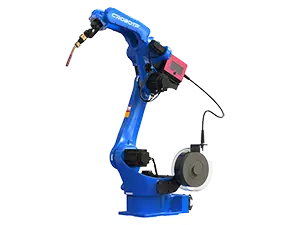 Industry Robot
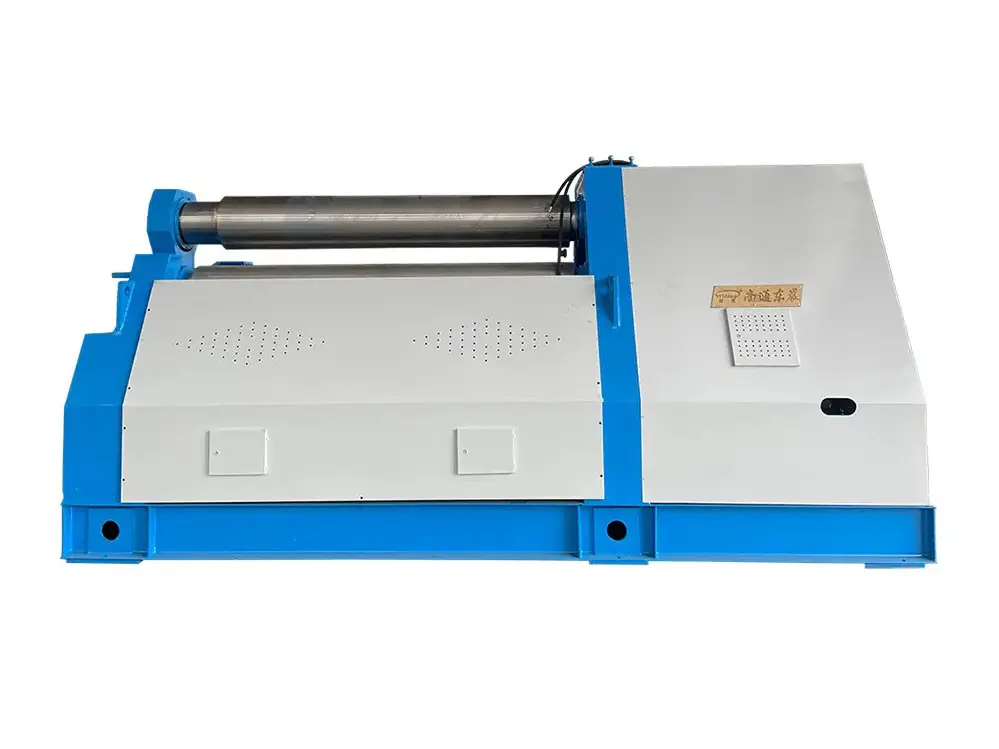 Plate Rolling Machine
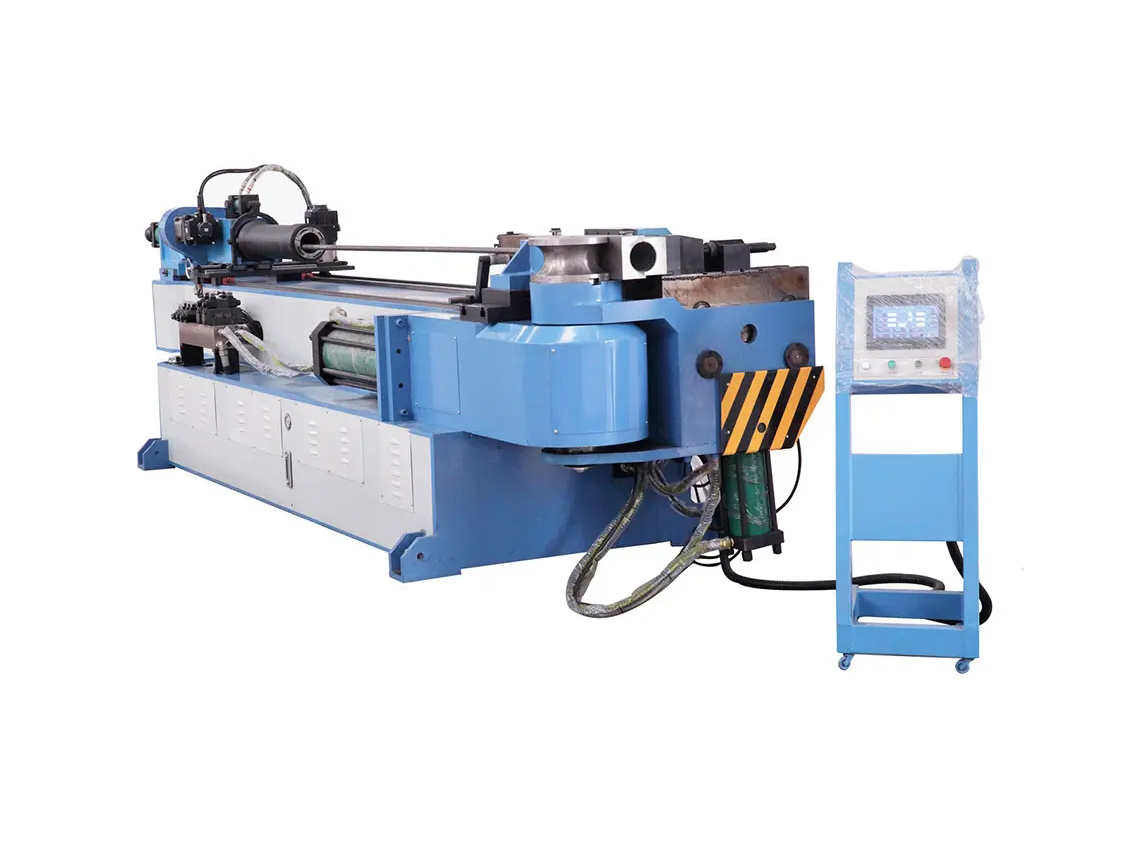 Tube Bending Machine
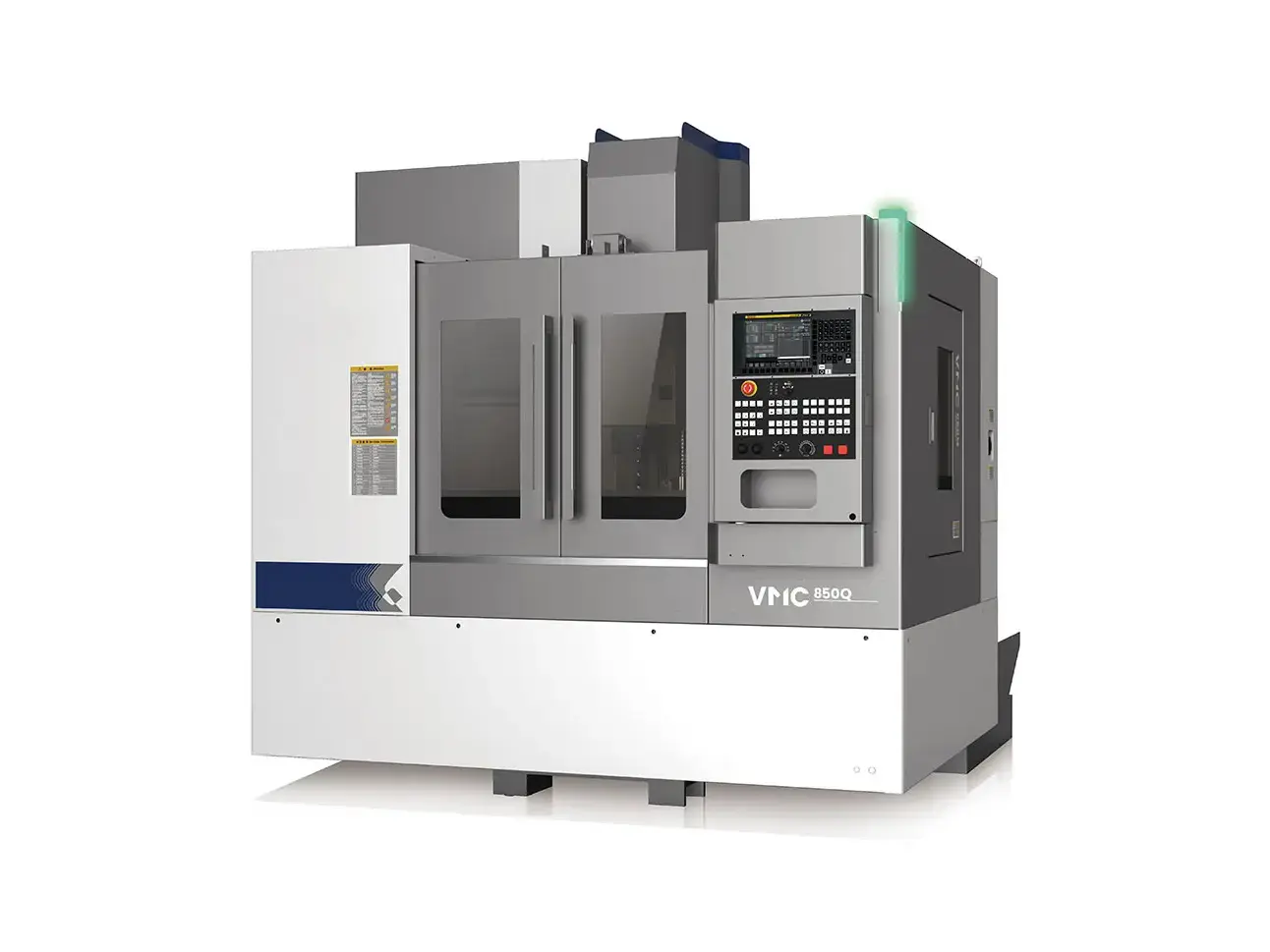 Lathe and Machining Center
 Machine Protection Products