How to Choose the Right CNC Lathe Protective Shell for Your Needs?
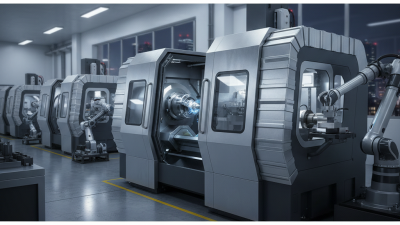
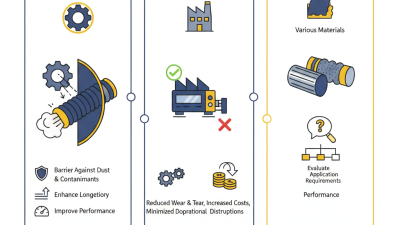
Choosing the right CNC Lathe Protective Shell is crucial for the safety and efficiency of your machining operations. A well-fitted protective shell shields your lathe from dust, debris, and potential accidents. In industrial environments, equipment can sustain damage if not properly protected. This emphasizes the importance of selecting the right materials and designs.
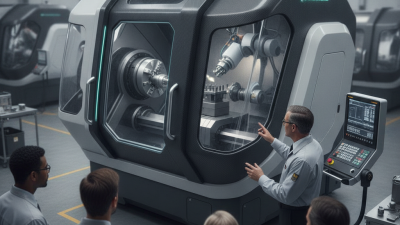
When evaluating CNC Lathe Protective Shell options, consider your specific machining needs. Different projects may require varying levels of protection based on the size or complexity of the workpiece. Do you often work with metal shavings or other particulates? The right shell can help maintain a clean workspace and extend the life of your equipment.
Moreover, reflect on the balance between cost and protection. Cheaper options may save you money initially but can lead to higher expenses in repairs or replacements over time. Investing in a high-quality CNC Lathe Protective Shell often pays off. Ultimately, understanding your needs and materials ensures better performance and longevity of your lathe.
Understanding the Importance of CNC Lathe Protective Shells
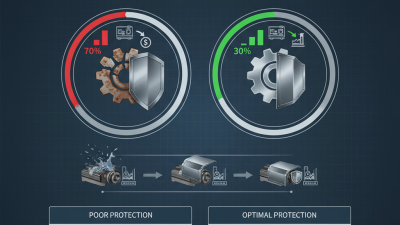
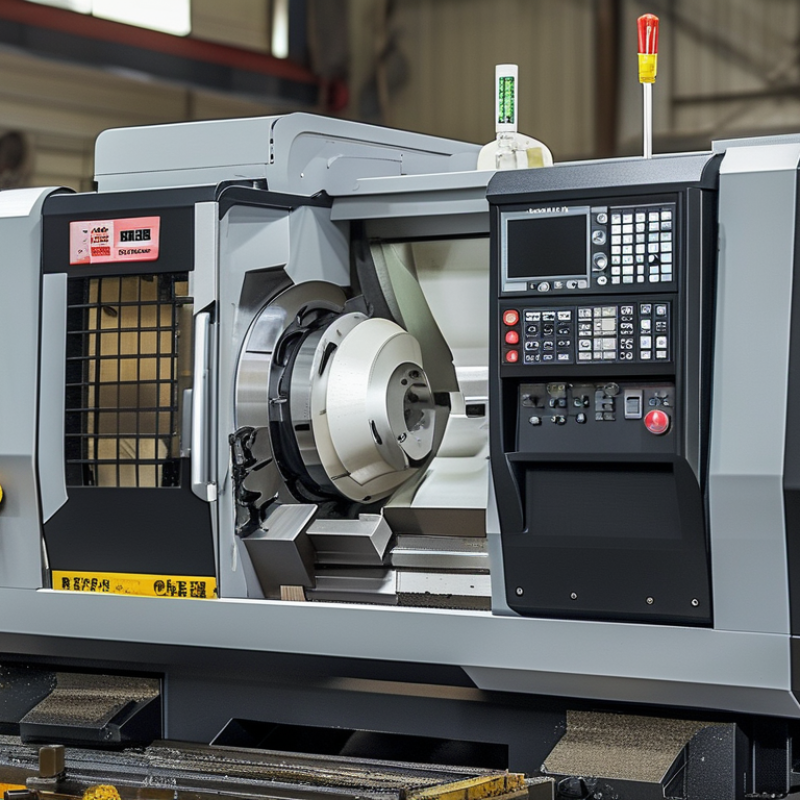
CNC lathe protective shells are crucial in ensuring the longevity and performance of machinery. According to industry reports, about 30% of CNC lathe failures stem from external contaminants like dust and debris. The protective shell acts as a barrier, preventing particles from entering critical components. When choosing a shell, consider the material and design. Some materials offer better abrasion resistance, while others are designed for specific environments.
Understanding the role of these shells is vital. They not only protect machinery but also enhance safety. A study found that workspaces without adequate machine protection saw a 25% higher incident rate. This highlights the need for appropriate protective measures. Investing in a quality shell can significantly reduce maintenance costs. Neglecting this aspect can lead to frequent repairs, impacting productivity.
Selecting the right protective shell involves balancing cost and functionality. Some manufacturers may claim their products are superior, but reviews often reveal inconsistencies in performance. It's essential to gather data from multiple sources before making a decision. A thorough evaluation can save time and resources in the long run. Be aware that not all protective shells are created equal; some may not offer the expected protection.
Factors to Consider When Selecting a CNC Lathe Protective Shell
When selecting a CNC lathe protective shell, several factors require careful consideration. One major aspect is the material of the shell. It needs to withstand heat and impact but must also be lightweight for easy handling. Common materials include polycarbonate and aluminum, each offering different levels of protection and durability. Understanding the specific environments where the lathe will operate can guide this choice.
Another crucial factor is the fit and compatibility with your CNC lathe. A well-fitted shell minimizes the risk of dust and debris entering critical components. Some users overlook the necessity of custom fittings; however, ensuring a snug fit can prolong the machine's life. Additionally, consider the accessibility features of the shell. It should allow easy access for maintenance and operation.
Lastly, think about the design and aesthetics of the shell. While this may seem less important, a visually appealing shell can enhance your workspace. It can also reflect your professionalism in a client-facing environment. Balance your functional needs with these aesthetic preferences. A sound decision will stem from a thoughtful mix of practicality and visual appeal.
Factors to Consider When Selecting a CNC Lathe Protective Shell
Different Types of CNC Lathe Protective Shells and Their Features
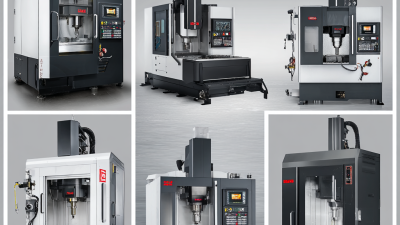
When selecting a CNC lathe protective shell, understanding the different types available is crucial. Protective shells typically fall into several categories. For instance, rigid shells provide robust defense against debris and coolant splashes. They ensure long-term durability, yet can be heavier and limit visibility. Flexible shells, on the other hand, are lightweight and offer ease of installation. However, they may not provide the same level of protection against heavier impacts.
Another option is transparent shells made from acrylic or polycarbonate. These provide visibility of the machining process while safeguarding operators from flying shavings. Yet, they can scratch easily and may require more frequent replacements. Consider how frequently your equipment is used and the types of materials you typically work with to choose the appropriate type.
Some users may find that their protective shell does not meet their needs after purchasing. This can be a valuable learning experience for future purchases. Reflecting on the effectiveness of your chosen shell can lead to better decision-making later. Remember that the ideal shell balances protection, visibility, and ease of use. Always take time to evaluate your specific requirements.
Evaluating Material Durability for CNC Lathe Protective Shells
When selecting a CNC lathe protective shell, one critical aspect is material durability. The right material can significantly impact both the longevity of the shell and the protection it offers your CNC lathe. Common materials include plastics, composites, and metals. Each comes with its pros and cons. For example, while metal shells often provide excellent impact resistance, they can be heavy and costly.
Consider the operating environment of your CNC lathe. High temperatures or exposure to chemicals can degrade some materials quickly. Plastics might be lightweight, but they may not withstand extreme conditions. Composites offer a balance of strength and weight, yet they can be expensive. Reflecting on your production needs is vital. Sometimes, the most durable option is not the best for your budget or operational constraints.
Additionally, think about the shell's potential for wear and tear. Will it face frequent scrapes or hits? This question is often overlooked. A more rugged, thicker shell might be beneficial in high-traffic areas. However, such choices can affect maneuverability. Thus, evaluating the specific requirements of your setup is essential to finding the most suitable protective shell.
Cost Considerations and Budgeting for CNC Lathe Protective Shells
When considering a CNC lathe protective shell, budgeting is crucial. The initial cost can vary widely based on materials and design. High-quality shells often cost more but offer better durability and performance. Cheaper options may save money upfront but could lead to higher repair or replacement costs down the line.
Evaluate your needs carefully. What environment will the lathe operate in? Factors like temperature, humidity, and exposure to chemicals can influence your choice. Investing in a protective shell that meets these demands is vital. Therefore, assess the long-term benefits over the initial outlay.
One common mistake is ignoring maintenance costs. Protective shells can require upkeep, influencing overall expenditure. Consider those potential costs when budgeting. They can significantly impact your financial planning. Having a realistic budget ensures that you select a protective shell that not only fits your needs but also aligns with your financial expectations.

 Press Brake
 CNC Laser
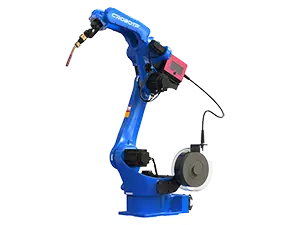 Industry Robot
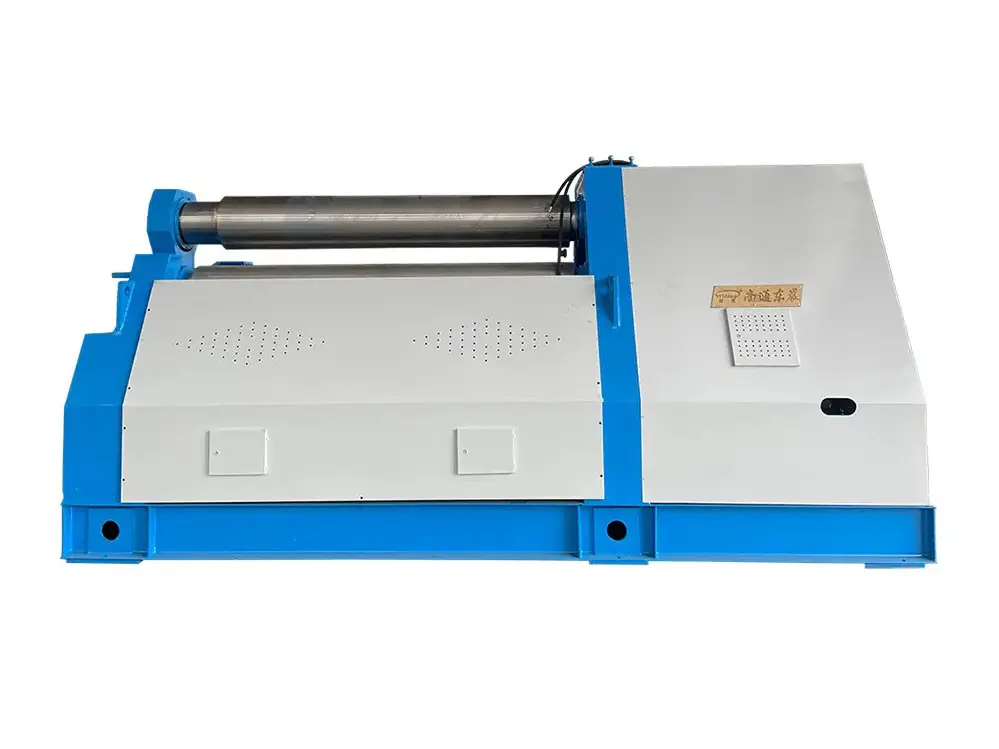 Plate Rolling Machine
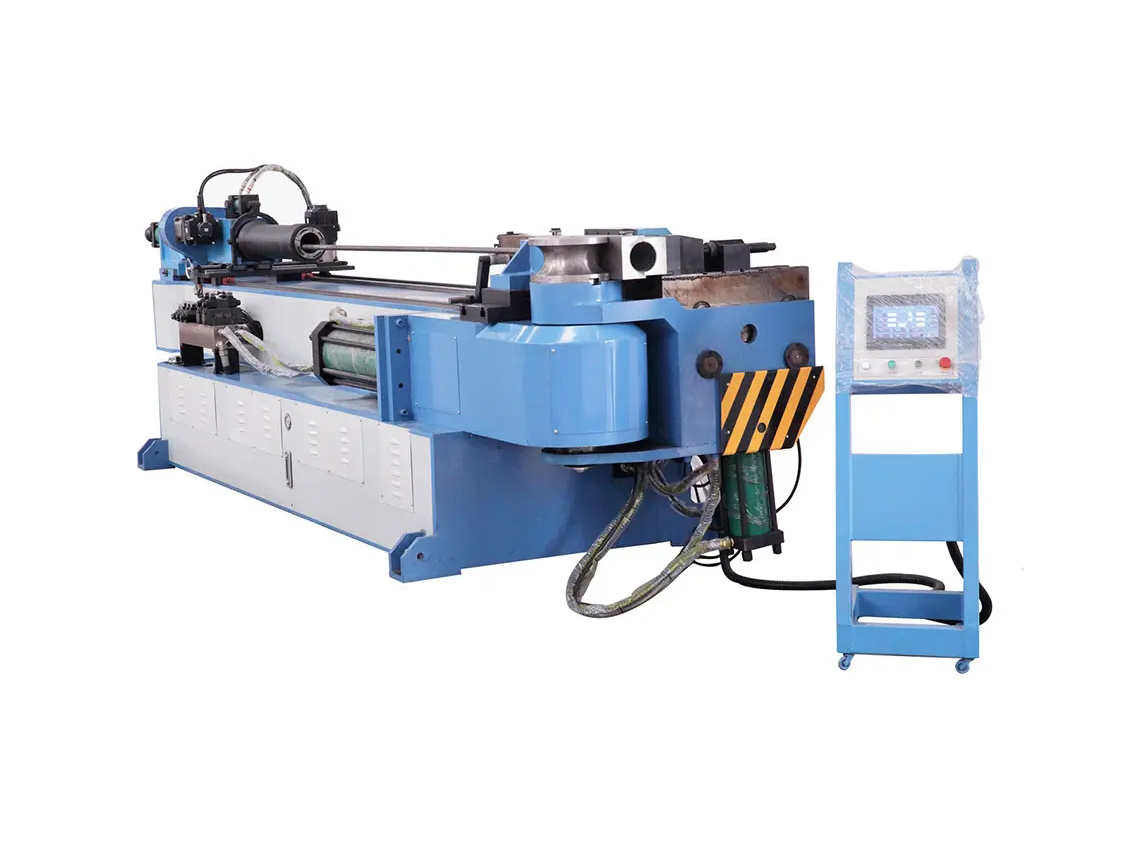 Tube Bending Machine
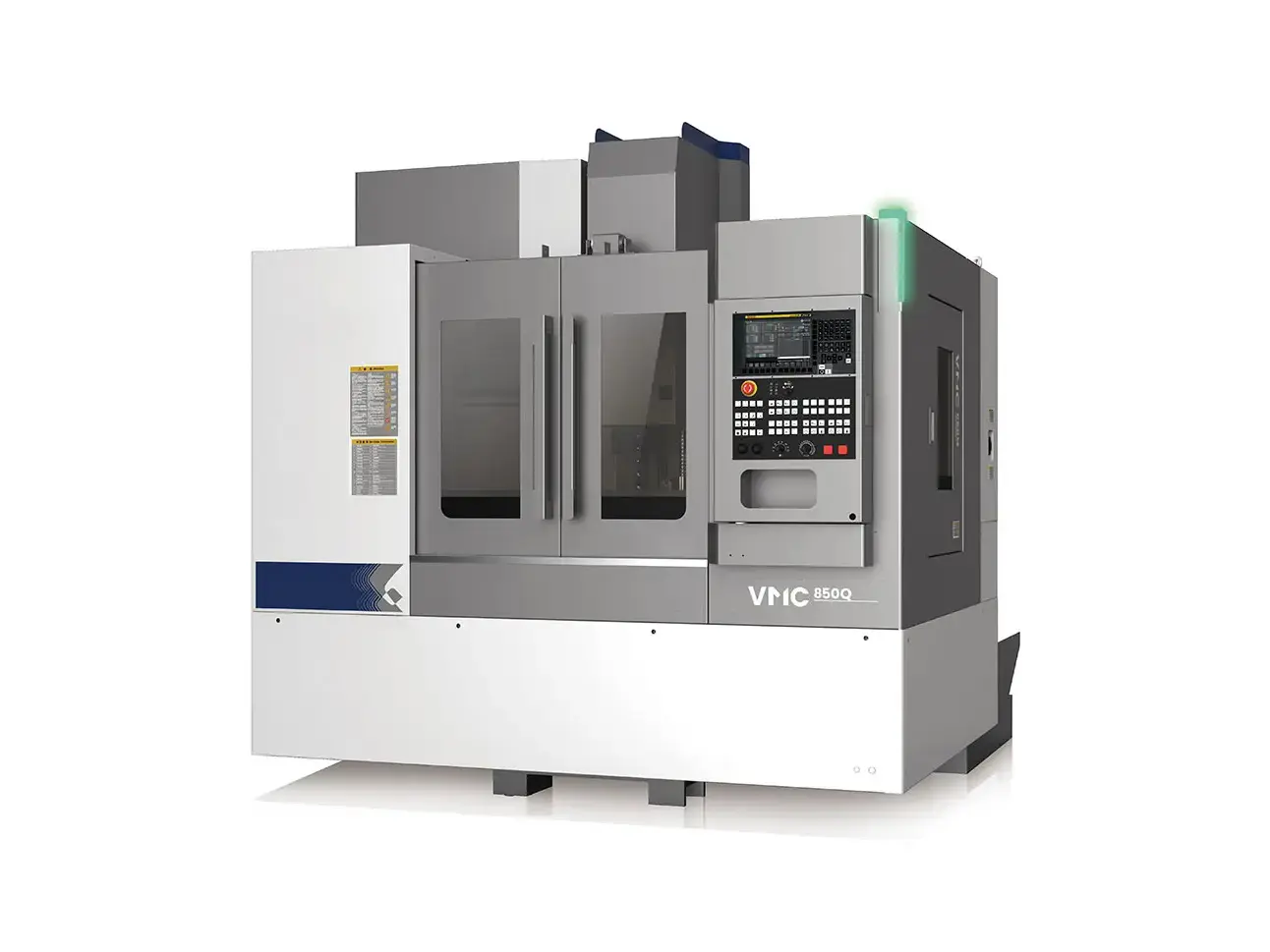 Lathe and Machining Center
 Machine Protection Products