Top 5 Press Brake Tips for Efficient Metal Bending?
In the competitive world of metal fabrication, mastering the use of a Press Brake is critical. According to the Fabricators and Manufacturers Association, 70% of industry leaders cite efficiency in metal bending as a top priority. This enhances production times and reduces waste, making it vital to utilize best practices in this area. Industry expert John Smith emphasizes, "A well-calibrated Press Brake maximizes output and minimizes material loss."
Improper techniques can lead to issues in the bending process. For instance, miscalculations in angle or force may create defective parts. Many shops report up to a 20% rework rate due to these common inefficiencies. Focusing on essential tips can significantly reduce such errors. Taking steps to improve accuracy not only conserves materials but also boosts overall productivity.
Navigating the complexities of metal bending requires both skill and knowledge. While many operators rely on experience, systematic approaches yield consistent results. Embracing these tips ensures a smooth workflow and positions businesses for growth in the demanding manufacturing landscape.
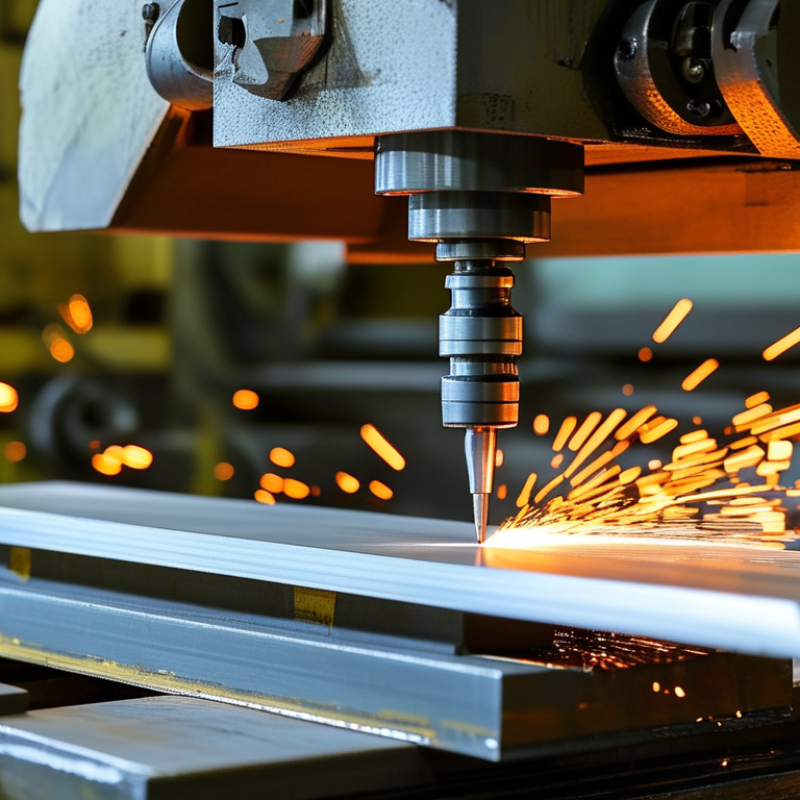
Understanding the Press Brake: Types and Functions in Metal Bending
The press brake is a crucial machine in metalworking. It bends sheets of metal into specific shapes. Understanding its types is essential for effective use. There are two main types: mechanical and hydraulic. Mechanical press brakes use a flywheel to generate force. Hydraulic models rely on hydraulic cylinders for power, making them more versatile.
Efficient metal bending demands precision. One tip is to ensure proper calibration of the machine. Misalignment can lead to inconsistent bends. Regular maintenance is another key factor. Research shows that machines not properly maintained can result in up to 20% productivity loss.
Another important aspect is tool selection. The right tooling can make or break the bending process. Operators should use the correct die size and shape for the material thickness. Choosing the wrong tool can cause defects, leading to waste. The cost impact of material waste can negatively affect overall profitability.
Selecting the Right Tooling: Importance of Die and Punch Configuration
Selecting the right tooling is crucial for optimal metal bending. The configuration of the die and punch greatly impacts the quality and efficiency of bending operations. A well-designed die ensures that the metal is properly supported during the bending process. This support reduces the chances of defects and improves the overall precision of the bend.
A common issue is mismatched tooling. If the punch does not complement the die, you may face challenges. Misalignment can cause inconsistent bends, leading to wasted materials and time. Regularly evaluating your tooling setup can identify these shortcomings. Properly configured tooling allows for smoother operation and better output quality.
Additionally, consider the material thickness and bend radius. These factors guide your choice of die and punch. Not every configuration suits every project. A tailored approach can enhance results and minimize trial and error. As you refine your tooling choices, reflect on past experiences. Mistakes can highlight areas for improvement and lead to more efficient metal bending processes.
Setting up the Machine: Calibration Techniques for Precision Bending
Calibration is key to achieving precision in metal bending. A well-calibrated press brake can significantly reduce production errors. Start by checking the alignment of the tooling, ensuring that the upper and lower dies fit snugly without gaps. Misalignment often leads to uneven bends. Simple tools like dial indicators can aid in this process.
Another important aspect is adjusting the back gauge. Often overlooked, accurate positioning here is crucial for repeatability. Measure the distance from the die face to the material. This will ensure consistent bending angles across multiple pieces. Inadequate adjustments can result in failed bends or wasted material.
Lastly, monitor the hydraulic pressure. It's essential to ensure it matches the material type and thickness. Too high pressure can damage the material, while too low can lead to incomplete bends. Regular assessments of these settings can lead to better quality control. Calibration might seem tedious, but the payoff is in precision and efficiency. Test regularly, and always be open to refining your approach.
Top 5 Press Brake Tips for Efficient Metal Bending
| Tip No. |
Tip Description |
Calibration Technique |
Frequency of Calibration |
| 1 |
Ensure Tooling is Properly Aligned |
Check alignment using a dial indicator |
Daily |
| 2 |
Regularly Lubricate Moving Parts |
Use a greasing schedule based on usage |
Weekly |
| 3 |
Measure Material Thickness Accurately |
Utilize a micrometer or caliper |
Before Each Job |
| 4 |
Adjust Back Gauge Settings |
Use a digital readout for accuracy |
Every Setup |
| 5 |
Perform Regular Machine Maintenance |
Follow manufacturer maintenance guidelines |
Monthly |
Optimizing Bend Speed: Impact on Production Efficiency and Quality
In metal fabrication, the speed of bending operations can significantly affect the overall quality and efficiency of production. Optimizing bend speed is not just about cranking the machine up to maximum settings. It requires a balance between speed and precision. Too fast, and the risk of defects increases. This could lead to costly rework and wasted materials. Finding that sweet spot is crucial for manufacturers aiming for efficiency.
Monitoring the bend speed can illuminate potential bottlenecks in the production process. Slower speeds might deliver better quality but can slow down throughput. Conversely, high-speed bending may impress but often results in higher scrap rates. It's essential to assess the types of materials being bent and their specific requirements. Different metals behave differently under pressure; some can handle faster speeds than others without compromising quality.
Testing various speeds on smaller batches can provide you with valuable insights. Pay attention to the consistency of the bends and inspect for any irregularities. Documenting these findings helps refine the bending process over time. Embracing a more analytical approach to bend speed will not only enhance production efficiency but also contribute to product quality.
Optimizing Bend Speed: Impact on Production Efficiency and Quality
Maintaining Press Brake Performance: Key Practices for Longevity and Safety
Maintaining the performance of a press brake is crucial for longevity and safety in metal bending. Regular inspections, including checking hydraulic fluid levels and ensuring proper lubrication, are essential. According to a survey by the Fabricators & Manufacturers Association, 28% of machine failures are attributed to inadequate maintenance practices. Neglecting these checks can increase downtime and repair costs significantly.
Training operators is equally important. A well-trained operator can identify issues before they escalate. Safety measures, such as using the correct personal protective equipment, are critical too. Reports indicate that nearly 50% of injuries in metalworking are due to operator error. Regularly updating training and safety protocols can dramatically reduce these statistics.
Implementing a routine maintenance schedule can enhance operational efficiency. This could involve regular cleaning and inspection of machine components. Slight misalignments may seem insignificant but can lead to larger issues over time. A study from the National Institute of Standards and Technology noted that preventive maintenance can extend machinery life by up to 30%. Failing to adhere to such practices can leave facilities vulnerable to accidents and increased operational costs.

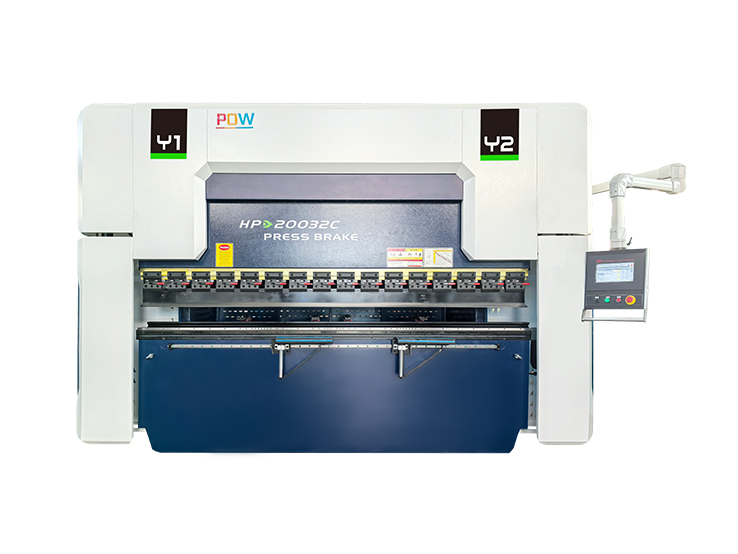 Press Brake
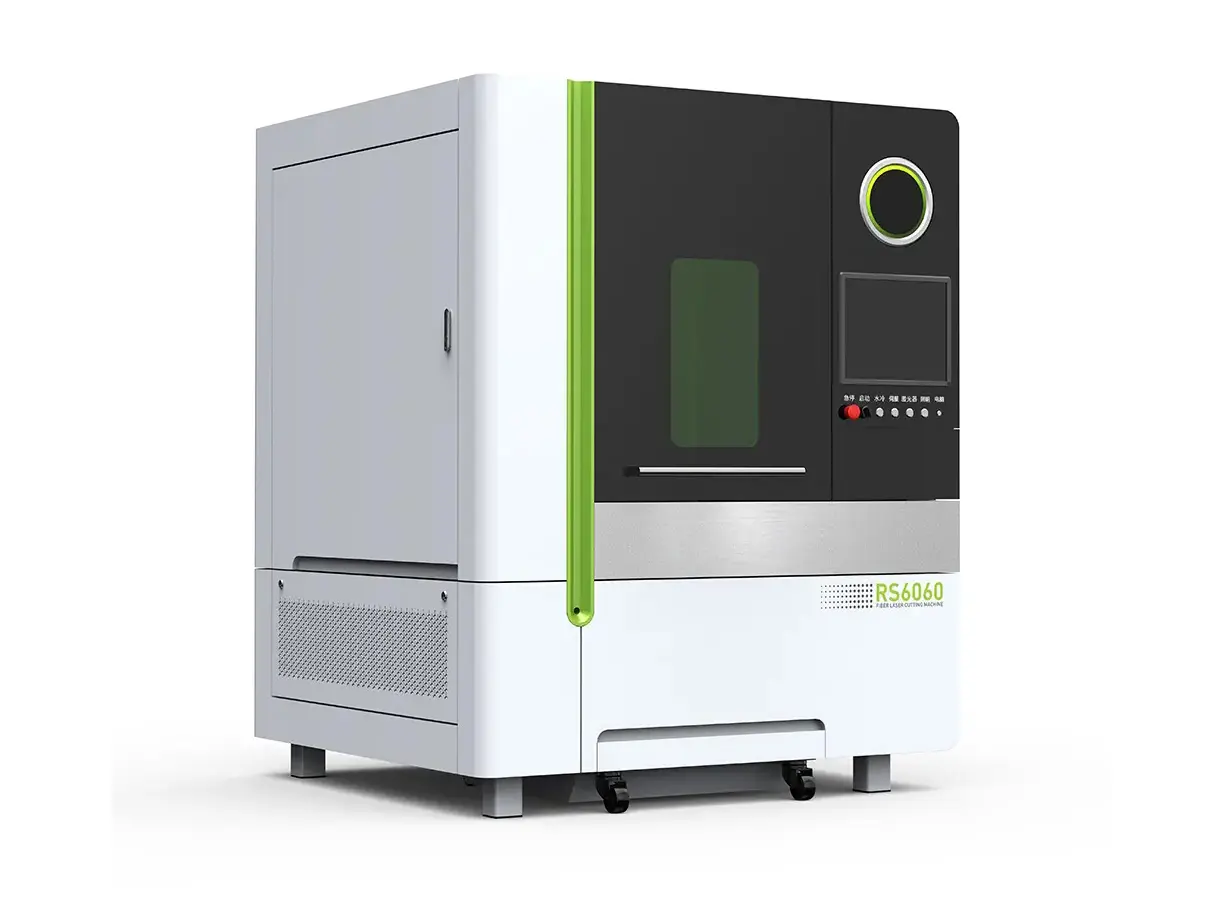 CNC Laser
 Industry Robot
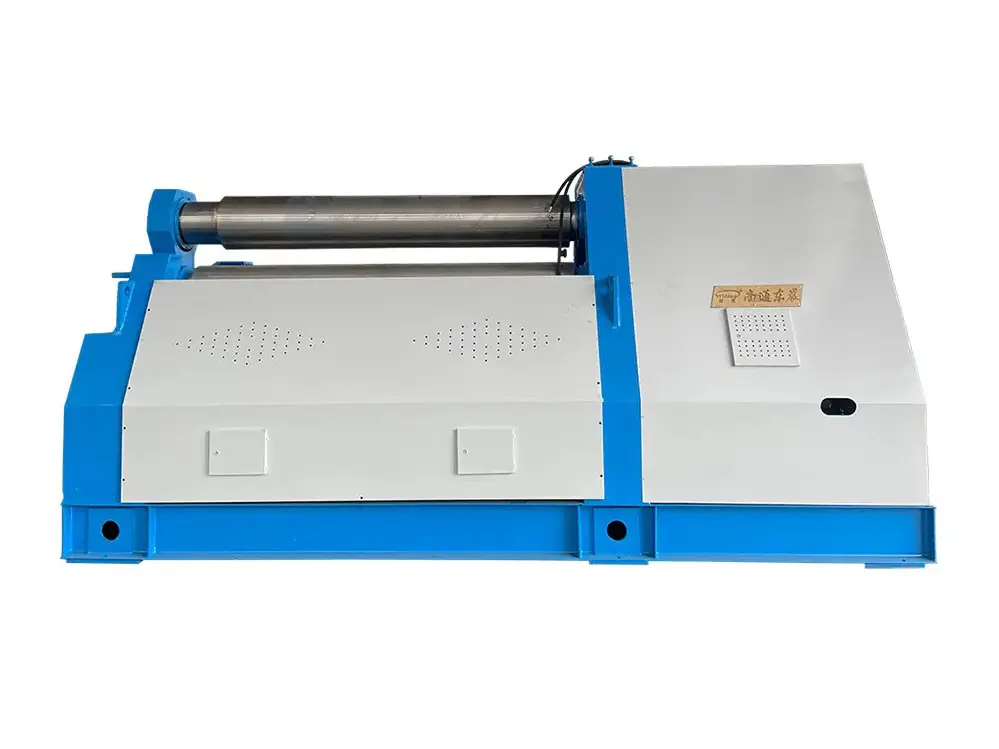 Plate Rolling Machine
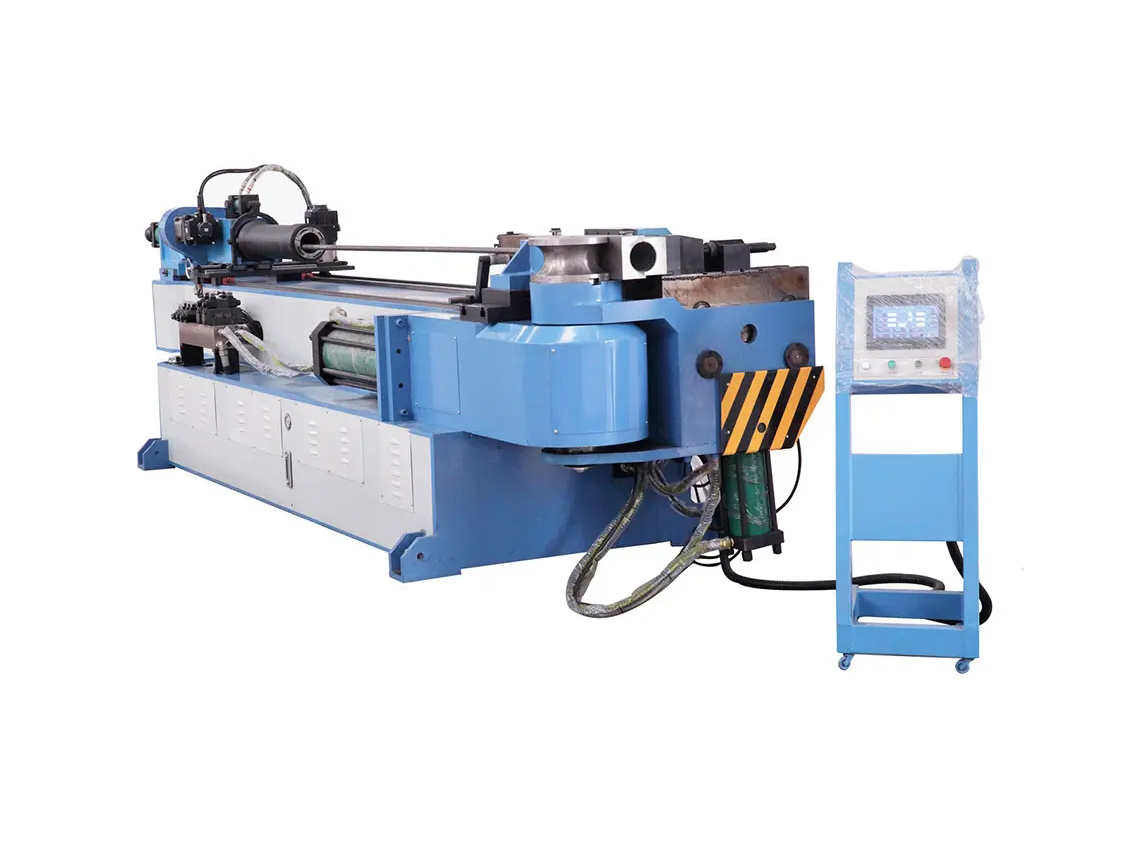 Tube Bending Machine
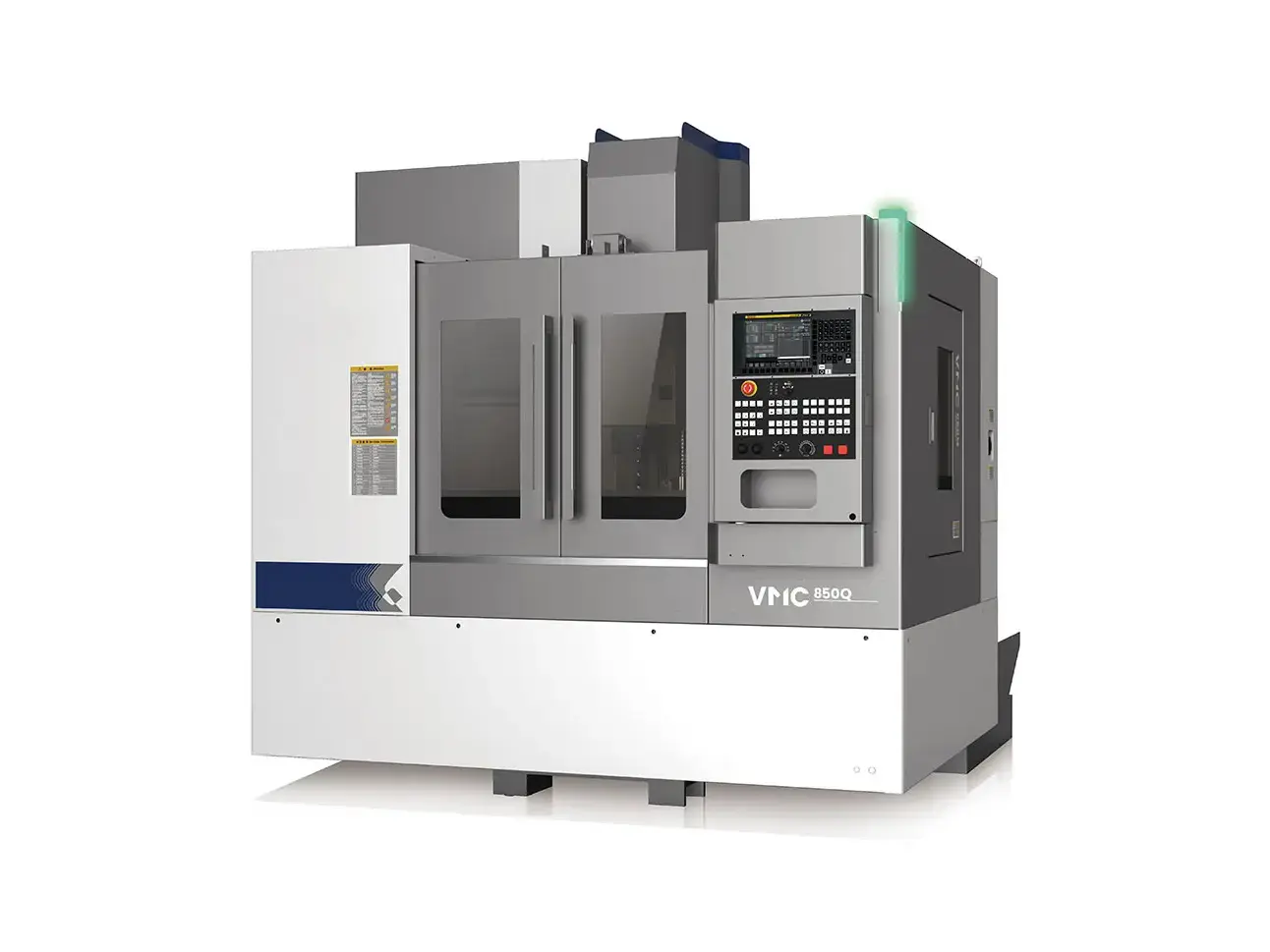 Lathe and Machining Center
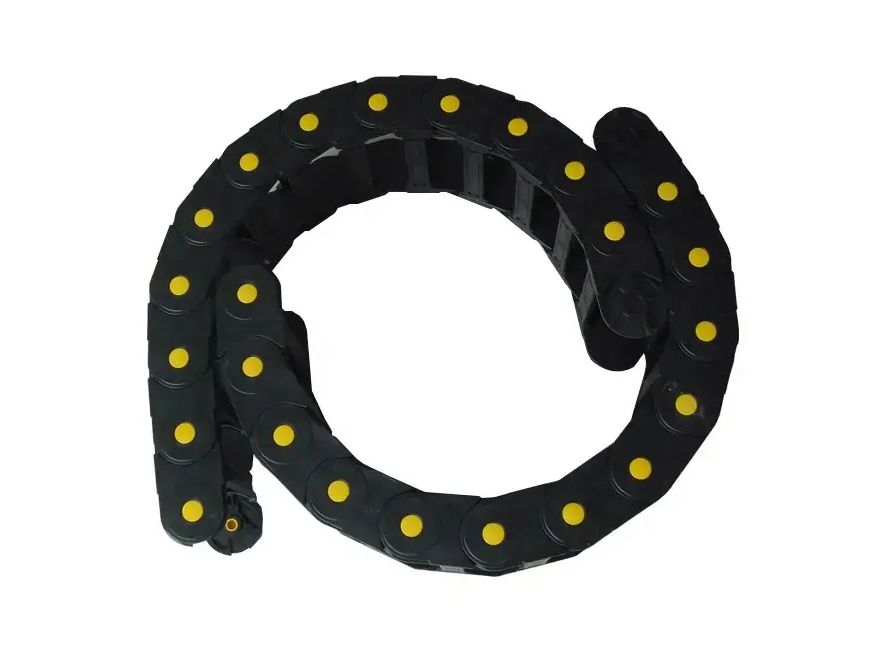 Machine Protection Products