Top Advantages of Laser Welding Machines for Global Buyers?
In the ever-evolving field of manufacturing, the significance of the Laser Welding Machine cannot be overstated. Experts, like Dr. Emily Chen, a leading authority in laser technology, emphasize, “Laser welding offers unparalleled precision and efficiency.” For global buyers looking to enhance their production, this technology presents a host of advantages.
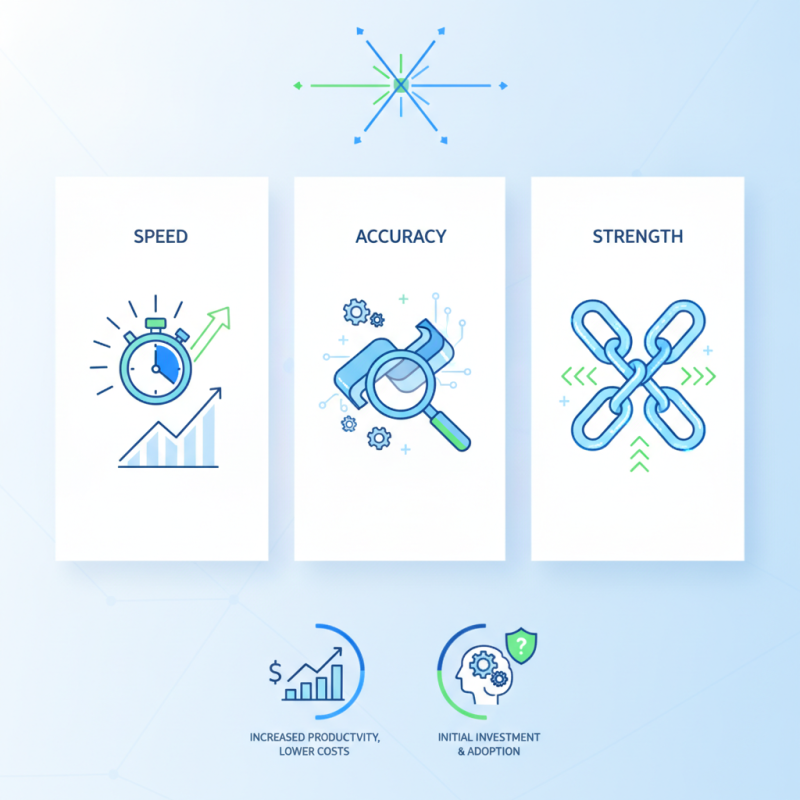
One major benefit is speed. Laser Welding Machines significantly reduce processing times compared to traditional methods. This rapid efficiency can lead to increased productivity and lower operational costs. However, not all businesses may fully realize this potential. Many overlook the initial investment required for cutting-edge machines.
Moreover, the accuracy of laser welding allows for more intricate designs and stronger joints. This is crucial for industries that demand the highest quality, like aerospace and automotive. Yet, some manufacturers still stick to outdated techniques due to familiarity. Embracing laser technology could be a game-changer, despite the hesitations. The exploration of this transition deserves careful consideration and reflection.
Advantages of Laser Welding Machines in Precision Manufacturing Sectors
Laser welding machines are becoming essential in precision manufacturing sectors. Their advantages are significant and support high-quality production processes. According to recent industry reports, laser welding can increase efficiency by up to 50% compared to traditional welding methods. This technology is ideal for industries that demand accuracy, such as aerospace and automotive. The focused energy beam allows for minimal heat-affected zones, reducing the risk of warping and maintaining structural integrity.
When considering laser welding, there are several key factors to keep in mind. The versatility of laser machines enables them to work with various materials, including metals and plastics. The precision achieved through laser technology also enhances the possibility of automated processes, leading to more streamlined manufacturing operations. However, initial costs can be high, and maintenance requires specialized training. This complexity points to a need for ongoing evaluation of effectiveness.
Tips: Regularly review the operational efficiency of your laser welding machines. Train your staff comprehensively on machine handling to mitigate risks. These steps can optimize the benefits and ensure sustainable production practices.
Top Advantages of Laser Welding Machines for Global Buyers
| Advantage |
Description |
Applications |
Efficiency Improvement |
| Precision |
Laser welding provides high precision and minimal heat-affected zones, reducing distortion. |
Automotive, Aerospace, Electronics |
Increased accuracy leads to higher quality products and less waste. |
| Speed |
Faster operation compared to traditional welding methods. |
Mass Production, Fabrication |
Reduces cycle times, increasing overall production output. |
| Versatility |
Can be used on various materials, including metals and plastics. |
Jewelry, Medical Devices, Automotive Components |
Allows for diverse applications across multiple industries. |
| Automation |
Easily integrated into automated systems for seamless operation. |
Robotics, Assembly Lines |
Enhances productivity and reduces the need for manual labor. |
| Cost-Effective |
Reduction in material usage and potential repair costs. |
Construction, Heavy Machinery |
Long-term savings due to less rework and high-quality outputs. |
Cost Efficiency of Laser Welding Compared to Traditional Methods
The cost efficiency of laser welding is one of its standout advantages over traditional welding methods. Laser welding machines operate with precise energy output, which minimizes unnecessary energy consumption. This efficiency translates into lower operational costs, allowing manufacturers to maximize their budgets. In contrast, traditional welding often requires prolonged application of heat, leading to energy wastage and increased expenses.
Moreover, laser welding often results in reduced material waste. The precision of laser technology ensures cleaner cuts and better joins. This precision reduces the need for excess material and can lead to significant savings over time. Traditional methods may produce excessive slag and require additional cleanup, compounding costs.
However, not every project suits laser welding. Some materials may not react as favorably, which can lead to costly mistakes. Buyers should evaluate their specific needs. Understanding the long-term benefits and potential obstacles is essential for making an informed decision. Carefully weighing these factors is crucial in optimizing both performance and costs.
Cost Efficiency of Laser Welding Compared to Traditional Methods
Improved Weld Quality and Strength with Laser Technology
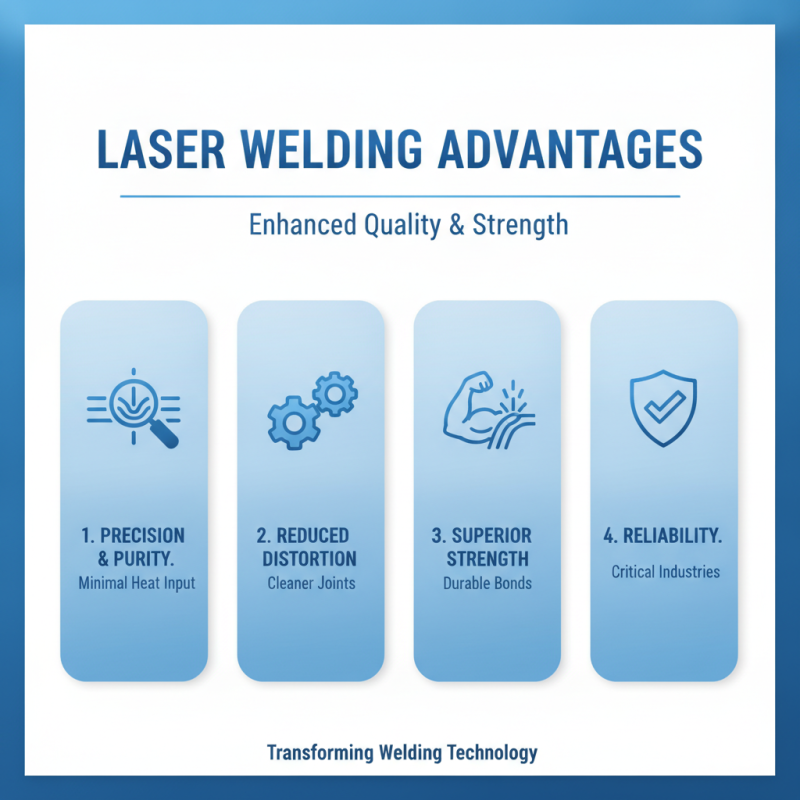
Laser welding technology has significantly transformed the welding landscape by enhancing the quality and strength of welds. Traditional welding methods can often lead to imperfections, affecting the overall integrity. In contrast, laser welding offers precision that ensures minimal heat input. As a result, there is less distortion of the materials involved. This precision leads to cleaner and stronger joints that are crucial in industries where durability is key.
One of the core benefits of laser welding is its ability to work with a variety of materials. It bonds metals, plastics, and composites with great efficiency. For instance, thin sheets of metal can be welded without compromising the structure. However, one must consider the technical skills required to operate these machines effectively. Skilled operators are essential to maximize the potential of laser welding.
While the advantages are apparent, it is also important to recognize the learning curve involved. Training is necessary to ensure that operators are knowledgeable about the machine's capabilities and limitations. Understanding these factors can lead to better outcomes and more reliable welds. The investment in laser technology is profound, but being mindful of its complexities is equally important.
Flexibility and Versatility of Laser Welders in Various Applications
Laser welding machines have gained popularity due to their unique flexibility and versatility. They can effectively weld a wide range of materials, from metals to plastics. This adaptability makes them suitable for different industries, including automotive, electronics, and healthcare. Using laser technology allows for precise control, resulting in clean and strong welds. This precision can enhance the quality of finished products.
The ability to work with various thicknesses is another significant advantage. Laser welders can handle thin sheets and thick components seamlessly. However, this capability requires skilled operators who understand the nuances of each material. Experimenting with settings can yield better results but also poses a risk if not done carefully. Misjudgments in power or speed can lead to defects in the weld.
Moreover, laser welders are often compact and easy to integrate into existing production lines. This feature grants manufacturers the flexibility to adapt to changing demands quickly. While this potential is impressive, it's essential to consider the initial investment and training required. Some users may struggle with keeping up with the technology's advancements. Overall, the growing array of applications for laser welding machines presents exciting opportunities, but manufacturers must approach them with a mindful strategy.
Data-Driven Insights on Productivity Gains from Laser Welding Usage
Laser welding machines have transformed the manufacturing landscape. Their efficiency drives productivity and reduces operational costs. Many industries now leverage this advanced technology for faster production rates. Data shows significant gains in output. Manufacturers report up to a 30% increase in production when switching to laser welding. The precision of these machines minimizes rework and waste, leading to even more savings.
Tips: Evaluate your current welding processes. Consider how laser technology could improve your operations. Even minor adjustments can yield substantial benefits.
However, not all laser welding applications achieve optimal results. Factors like material compatibility and joint design can impact performance. Buyers should assess their specific needs carefully. Understanding limitations is crucial. Investing in training for operators can also enhance productivity gains. Ultimately, a thoughtful approach to integrating laser welding can yield impressive outcomes.

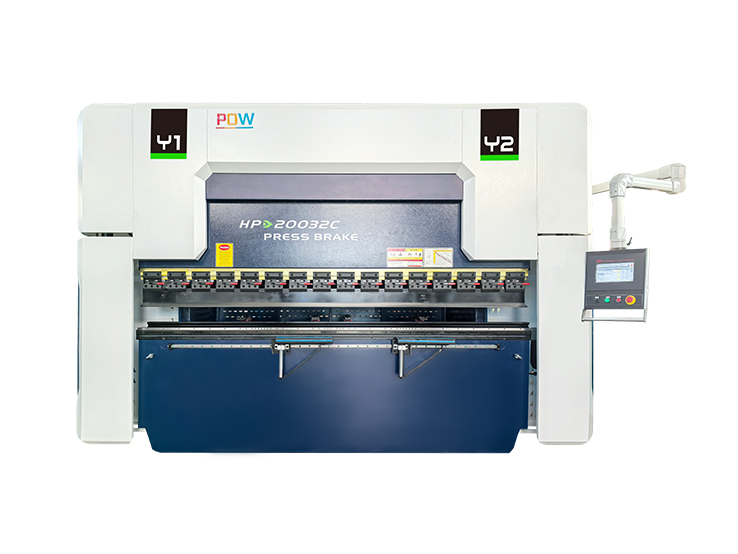 Press Brake
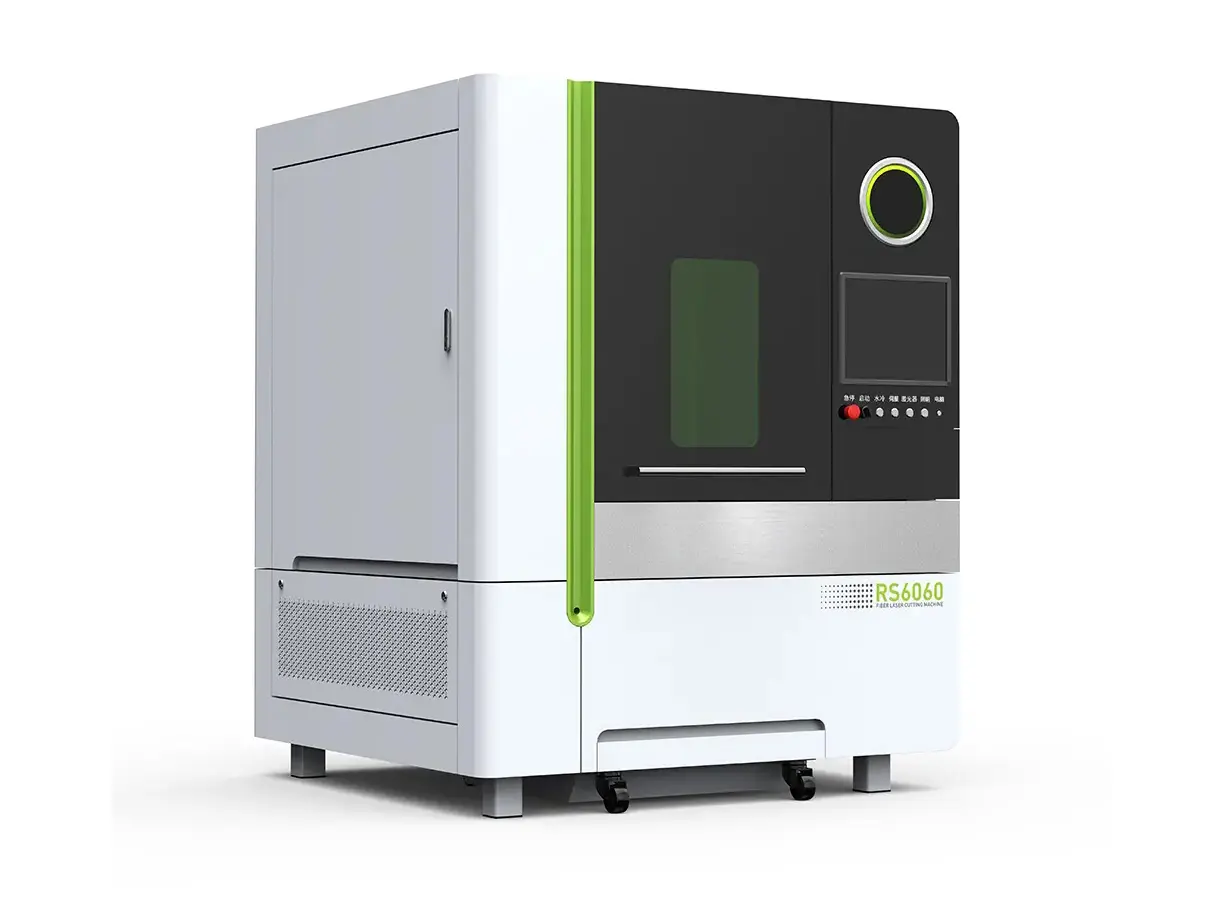 CNC Laser
 Industry Robot
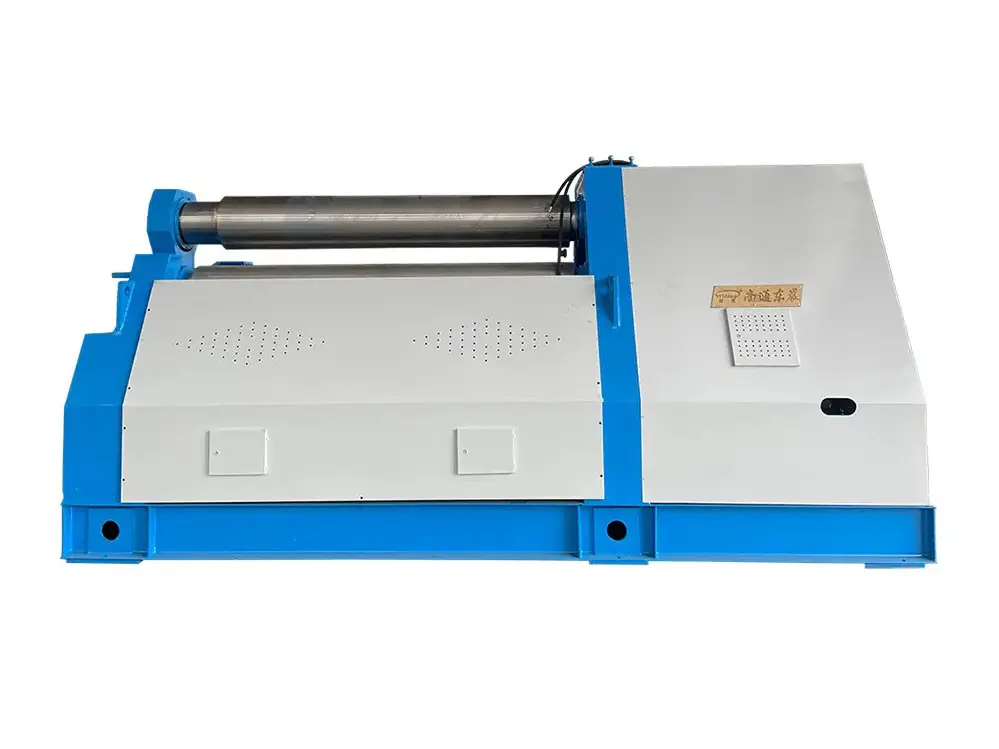 Plate Rolling Machine
 Tube Bending Machine
 Lathe and Machining Center
 Machine Protection Products