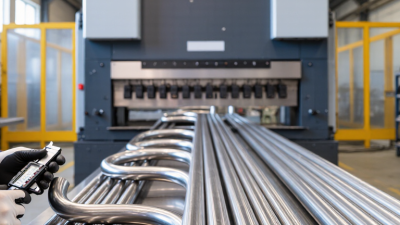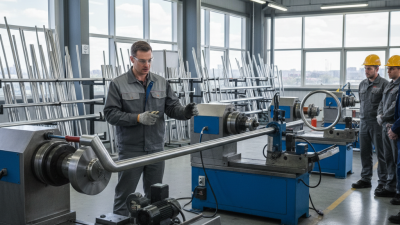
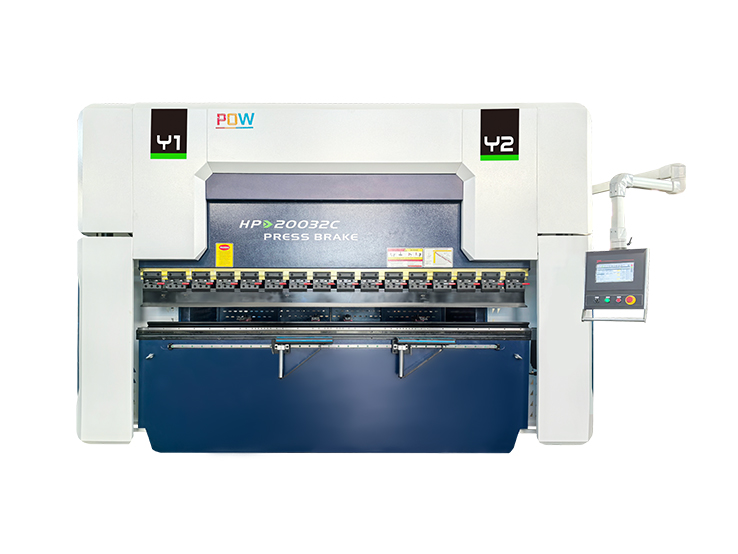
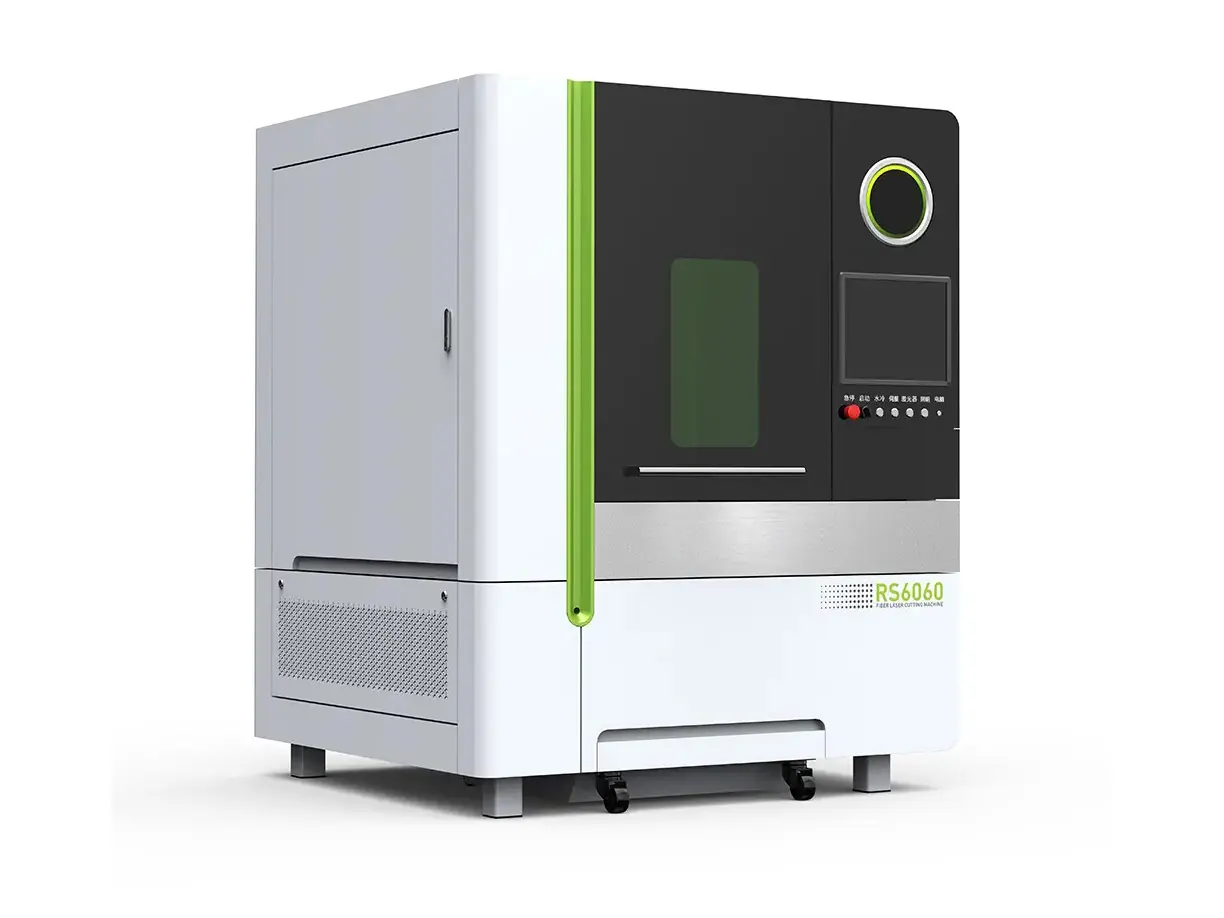
Choosing a Tube Bending Machine can change how a workshop handles speed, accuracy, and production pressure. Instead of cutting several pieces and welding them together, manufacturers can form continuous tubes with fewer joints. This matters in exhaust systems, handrails, heat exchangers, furniture frames, and industrial equipment.
Guido Perla, a recognized tube-forming consultant, once observed, “A successful bend is controlled deformation, not brute force.” That principle explains the machine’s value. A quality system controls bending radius, rotation, feed length, and springback. Operators can then produce repeatable parts, even when orders involve different diameters or wall thicknesses. In practical terms, a digital setup may store programs for 25-millimeter stainless-steel tubing. The next batch can begin with less trial material and fewer adjustments.
The benefits are not automatic. Poor tooling can leave wrinkles, flattening, or surface marks. Incorrect lubrication can damage both the tube and the machine. Training also requires time. These details are easy to underestimate.
Still, a suitable Tube Bending Machine can reduce rework and improve workflow visibility. It may support consistent quality while lowering dependence on manual fabrication. The right choice depends on tube material, production volume, bend complexity, and available floor space. A small workshop may not need a fully automated model. That is worth remembering. Careful testing, supplier support, and realistic cost calculations create a more reliable investment than choosing equipment by speed alone.
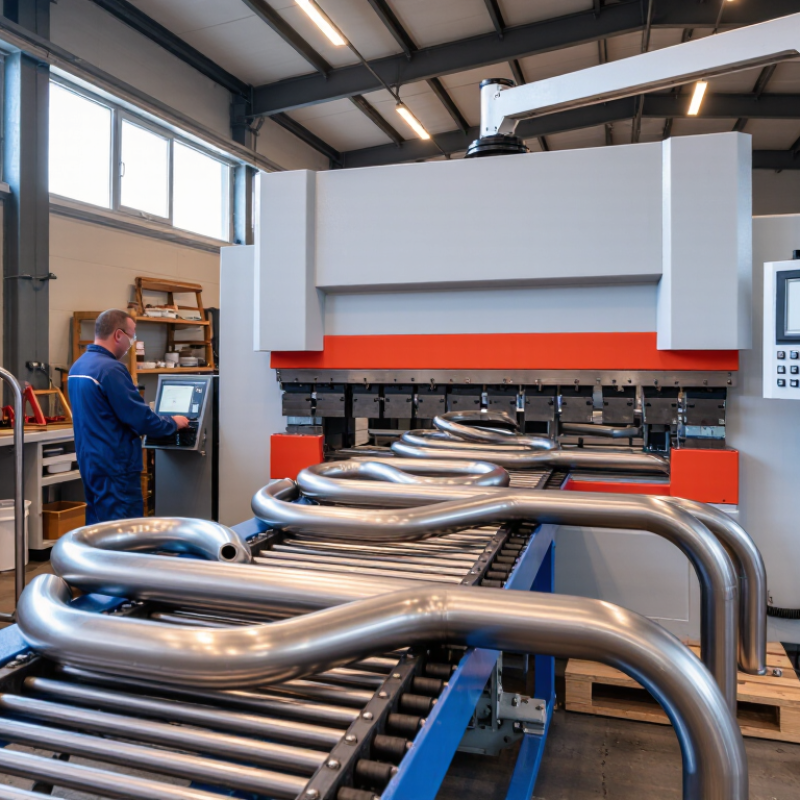
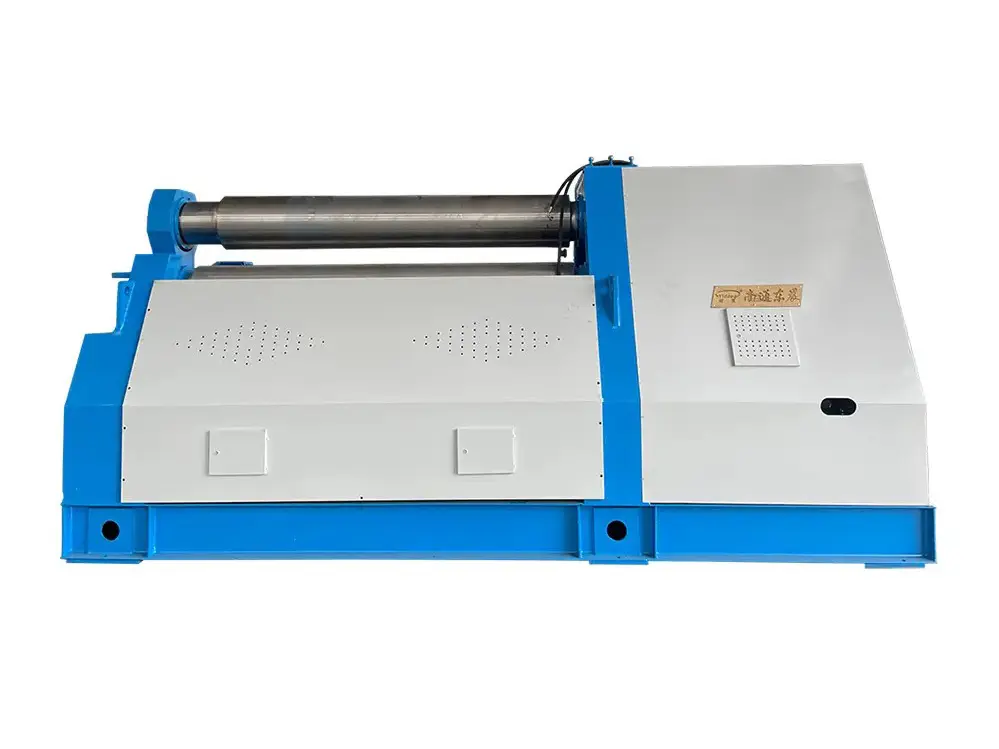
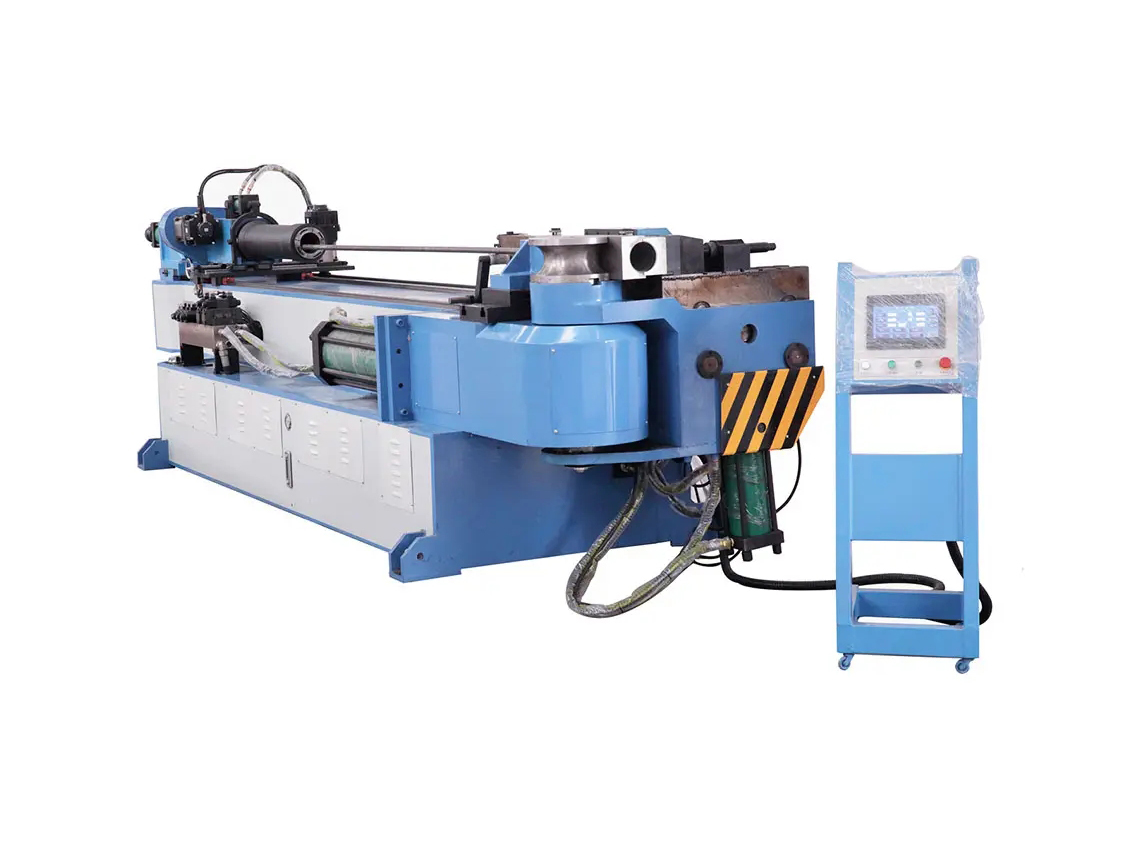
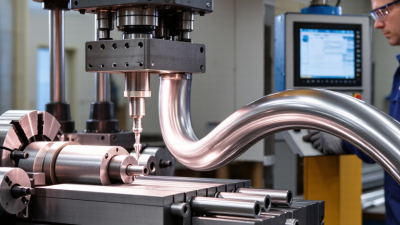
A tube bending machine shapes hollow metal tubes into controlled curves without cutting them into separate sections. In a workshop, an operator loads a tube into a die, clamps it, and aligns its centerline. The machine then applies force around the die. The tube follows the die’s radius while the tooling supports its walls. That support matters. Without it, thin tubing may flatten, wrinkle, or crack. Common systems use rotary draw bending, roll bending, or compression bending. Each method suits different diameters, materials, and curve requirements.
In rotary draw bending, the clamp holds the tube while a rotating die pulls it around a fixed radius. A pressure die guides the outside surface, and a mandrel can support the inside wall. The operator enters settings such as bend angle, radius, tube diameter, and material thickness. Sensors may monitor position and repeatability.
Small adjustments still matter. Springback can make a 90-degree bend return slightly open, especially in stainless steel or high-strength alloys. Test pieces reveal this behavior before production begins.
Businesses choose these machines when consistent bends reduce welding, joints, and finishing work. A frame, handrail, exhaust line, or fluid path can emerge with fewer connections. That can improve appearance and reduce potential leak points.
Yet automation is not magic. Poor alignment, worn tooling, or incorrect settings can ruin expensive tubing. I have found that careful setup often matters more than maximum speed. The best choice depends on production volume, bend complexity, operator skill, and inspection needs. A short trial run is wise.
Tube bending machines serve industries where accurate curves, repeatability, and clean production matter. Automotive manufacturers use bent tubes for chassis frames, exhaust systems, seat structures, and fluid lines. The International Energy Agency’s Global EV Outlook 2024 reports that electric car sales exceeded 14 million in 2023. That growth increases demand for lightweight frames, battery cooling lines, and protective structures. A bending machine can reduce welded joints and improve production consistency. However, automation is not always the best answer. Low-volume workshops may recover their investment slowly.
Construction and HVAC companies also benefit significantly. The United Nations Environment Programme’s 2023 Global Status Report states that buildings created about 37% of global energy-related emissions in 2022. Efficient ducting, heat-pump piping, handrails, and structural tubing require reliable bends with minimal deformation.
Aerospace manufacturers need even tighter control. Bent tubes can support hydraulic, fuel, and cabin systems, but material traceability and inspection remain essential. Small errors can become expensive.
Tips: Match the machine to tube diameter, wall thickness, alloy, and production volume. Test springback before ordering tooling. Keep sample parts from real projects. They reveal problems that brochures hide.
Operators also need practical training, not only software instructions. The right equipment should shorten setup time, protect surface quality, and produce repeatable bends across long shifts. Evaluate maintenance access, measurement systems, and scrap rates before comparing purchase prices.
Why Choose a Tube Bending Machine for Your Business?
How Tube Bending Machines Improve Production Efficiency
In a busy fabrication shop, production delays often begin with small handling problems. A tube bending machine reduces repeated marking, clamping, and manual repositioning. It guides each tube through a controlled bending sequence. This creates a steadier workflow for frames, rails, conduits, and fluid lines. Operators can load material, check alignment, and repeat programmed angles with less physical strain. Less strain matters. Fatigue can quietly reduce accuracy near the end of a shift.
Modern machines improve efficiency by combining measured force with repeatable tooling. Digital angle settings shorten setup time when orders change frequently. Some systems store job parameters, helping experienced operators reproduce proven results. However, stored settings are not magic. Tube diameter, wall thickness, material hardness, and springback still require verification. A trial bend and a simple angle check can prevent a long run of rejected parts. This step may feel slow, but it protects material and labor.
Efficient production also depends on maintenance and operator judgment. Clean tooling supports smoother movement and reduces surface marks. Regular inspection can reveal loose clamps, worn dies, or inconsistent lubrication. These details affect cycle time and bend quality. A skilled operator watches the first pieces closely, measuring outside diameter and checking for flattening. Inspection data can guide better settings on future batches. The process is not perfect. Even accurate equipment needs sensible planning, clear instructions, and honest review of defects.
A tube bending machine can improve production when repeatable curves matter. Yet the right model depends on your materials, volumes, and tolerance requirements. Before purchasing, define the tube diameter range, wall thickness, bend radius, and maximum bend angle. A machine that handles stainless steel may behave differently with aluminum or thin-wall tubing. Check its actual working capacity, not only the advertised maximum.
I once underestimated setup time on a bending project. The machine produced accurate bends, but changing tooling slowed the entire shift. Evaluate tooling changeover, programming controls, and stored job settings. Clear screens help operators reduce errors. Automatic springback compensation can improve consistency, but test samples still matter. Ask for production trials using your own tube sizes. Review bend accuracy, surface marks, cycle time, and scrap rates. Request maintenance records or service procedures from the supplier.
Tips: Measure your busiest production day, not an average day. Confirm electrical requirements and floor space before delivery. Inspect the clamping system, mandrel support, lubrication access, and emergency controls. Training should include setup and fault diagnosis. A lower purchase price may become expensive when spare tooling is difficult to obtain. I would also leave room for future tube sizes. That choice can be wrong, though, if expansion is only a guess. Check real orders before paying for unused capacity.
Key features businesses should evaluate before purchasing
This 100-point planning model reflects the main factors commonly used when comparing tube bending equipment. Accuracy and repeatability help protect part quality, while throughput, tooling flexibility, automation compatibility, changeover time, and serviceability influence operating cost and production efficiency.
A tube bending machine should be judged beyond its purchase price. Compare machine cost, tooling, installation, training, maintenance, and scrap over five years. A low quote can hide expensive setup changes. In a production review, record bend time, changeover minutes, first-pass yield, and operator hours. Small differences become visible quickly. They also expose uncomfortable assumptions.
Quality requires measurable evidence. Request sample parts, bend-radius consistency, springback results, and inspection records.
The ISO Survey of Certifications reports more than one million ISO 9001 certificates worldwide, showing how strongly documented quality systems support industrial purchasing decisions. However, certification alone cannot prove bending accuracy. Check actual parts under production conditions. Thin-wall tubing may reveal defects that a showroom sample hides.
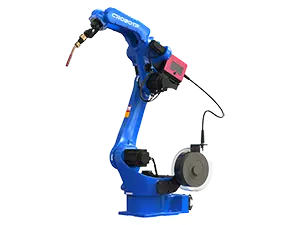
Long-term business value depends on utilization, service response, and future flexibility. The International Federation of Robotics reported 541,302 industrial robots installed globally in 2023, indicating continued investment in automation. Deloitte’s 2024 Smart Manufacturing Survey found that 86% of manufacturers expect smart manufacturing to remain a major competitiveness driver.
A capable bending machine may reduce labor pressure and stabilize output, but only with suitable programming and reliable technical support. My first payback estimate would still be imperfect. Demand can fall, operators can leave, and tooling needs can expand. Compare realistic scenarios, not optimistic ones.