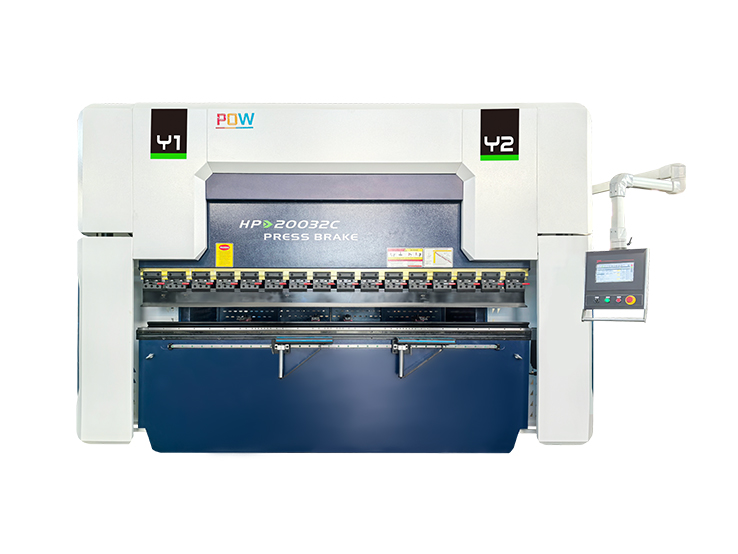
What are the best China Press Brake manufacturers? The answer depends on your production needs, material thickness, bending accuracy, and service expectations. A reliable machine for thin stainless steel may not suit heavy structural work. The “best” choice is rarely universal.
This guide examines Chinese manufacturers through practical criteria. These include frame construction, hydraulic or electric drive systems, CNC control quality, tooling compatibility, and safety design. It also considers factory experience, export records, technical documentation, installation support, and spare-parts availability. A serious supplier should explain its testing process clearly. Buyers should request videos, inspection reports, reference projects, and realistic performance data.
Details matter. Look for a rigid welded frame, consistent bend angles, clean electrical cabinets, and responsive back gauges. Ask how the Press Brake performs after years of daily operation, not only during a showroom demonstration. Service response also matters.
Machines must keep working.
Some manufacturers offer impressive specifications at attractive prices. However, a low quotation can hide limited software support, uncertain component origins, or expensive replacement parts. This does not mean every affordable machine is unreliable. It means the comparison requires patience and evidence.
The following overview will help readers compare leading China Press Brake manufacturers with greater confidence. It will discuss their strengths, typical applications, customization capabilities, and buyer considerations. No ranking should replace independent verification. Even experienced purchasers can overlook small details before signing an order. That is why a careful evaluation remains essential.
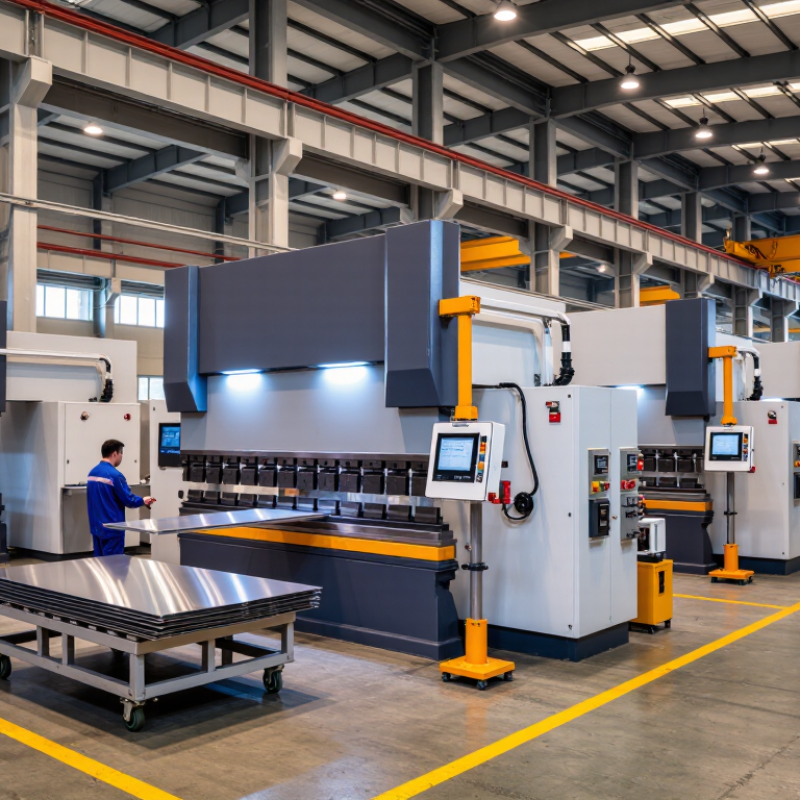
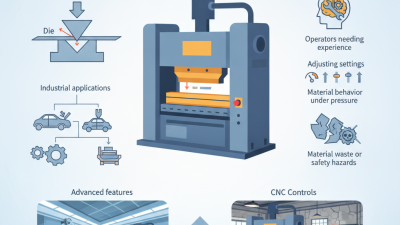
A press brake is a machine that bends sheet metal with controlled force. Its punch moves toward a die, forming precise angles in steel, aluminum, or other materials. Operators depend on it for brackets, enclosures, frames, and custom components. Accuracy matters, but repeatability matters more. A machine that bends one part correctly and the next part differently can quietly increase waste.
Manufacturer choice affects much more than the purchase price. A reliable manufacturer should provide clear specifications, realistic capacity data, operator training, and responsive technical support. Look for rigid construction, stable hydraulic or electric systems, accurate backgauges, and controls that workers can understand. Ask how the machine performs after years of daily use. A polished brochure is not proof. Factory testing, service records, and practical customer references offer stronger evidence. Still, no machine is perfect. Maintenance quality, tooling selection, and operator habits can change results.
Tips: Request a sample bend before ordering. Check angle consistency, noise, cycle speed, and material handling. Confirm spare-parts availability and service response times. Do not choose only by tonnage. A smaller, well-supported press brake may outperform a larger machine with weak training and limited support. Photograph test results, record measurements, and ask difficult questions. Small details matter.
A leading China press brake manufacturer proves capability through machine performance, not polished catalogs. Its engineering team should understand bending force, springback, tooling clearance, and material variation. Ask for test records using steel similar to your own. A clean trial bend reveals more than a sales presentation.
Build quality matters at the factory level. Inspect the welded frame, hydraulic piping, electrical cabinet, and back-gauge assembly. Stable synchronization helps maintain angle accuracy across long sheets. Reliable manufacturers also document calibration methods, component sources, and inspection points. Clear manuals and responsive technical support reduce costly downtime after installation.
Experience appears in small details. Operators should find the control interface logical, with guarded motion and clearly marked emergency functions. The manufacturer should explain maintenance intervals, training arrangements, spare-part availability, and regional service capacity. Certifications can support trust, but they do not replace production evidence. No factory gets every detail right. A minor alignment issue may still appear during commissioning. What matters is whether the team detects it, records it, and corrects it without avoiding responsibility. Buyers should compare repeatability, service response, and total operating cost rather than choosing by price alone.
Which factors define a leading China press brake manufacturer?
The chart presents a practical buyer-evaluation framework. Product quality and bending accuracy receive the highest weighting, followed by after-sales service, safety compliance, customization capability, delivery reliability, and total cost of ownership. The percentages represent recommended evaluation weights rather than data from any individual company or brand.
Evaluation dimensions reflect common industrial machinery procurement criteria, including quality management, dimensional accuracy, machine safety, service support, delivery performance, and lifecycle cost.
When comparing China’s top press brake manufacturers, begin with the machine’s working demands. Check bending length, maximum tonnage, throat depth, and angle accuracy. A strong supplier should explain these figures clearly, not hide behind attractive prices. Ask for samples using your actual steel grade and thickness. The result should show consistent angles across several bends. One trial is not enough.
Inspect the manufacturer’s engineering process. Review frame welding, stress relief, hydraulic components, control systems, and electrical protection. Request inspection records for the ram, table, and back gauge. Factory visits can reveal useful details, such as clean assembly areas and organized testing stations. Photos help, but direct evidence is stronger. Numbers matter.
Service quality often separates reliable suppliers from ordinary ones. Compare installation support, operator training, spare-part availability, and response times. Confirm whether manuals include maintenance schedules and fault codes. Ask how software updates are handled after delivery. A low purchase price may become expensive when production stops. That risk deserves careful calculation.
Do not judge every manufacturer by polished videos. Some claims need verification. A supplier may promise high precision, yet provide limited measurement data. This is where buyers should slow down and ask difficult questions. Compare warranty terms, delivery records, customization experience, and total ownership costs. Even a careful evaluation can miss something. Leave room for a second technical review before signing.
Choosing among China press brake manufacturers requires more than comparing tonnage and price. Buyers should verify how each machine performs under real production conditions. Ask for test data showing bending angle repeatability, backgauge accuracy, frame deflection, and hydraulic stability. Request a factory acceptance test with sample material and your actual tooling.
Quality appears in small details. Inspect weld finishing, electrical cabinet labeling, cable protection, lubrication points, and guarding around moving parts. Confirm that emergency stops, light curtains, door switches, and overload protection work during a live demonstration. Safety documents should match the delivered machine, not an older model. A clean showroom proves little.
Support can decide whether a reliable machine stays productive. Check the response time for technical questions, spare-parts availability, software updates, and remote troubleshooting procedures. Request clear installation instructions, operator training, maintenance schedules, and warranty terms. Speak with recent overseas users, but examine their production needs carefully. A supplier may provide excellent support in one region and slower service elsewhere. No checklist is perfect. A missed tolerance on one test should not be dismissed as a bad day; it may reveal weak process control. Insist on corrective evidence, repeated testing, and written commitments before payment.
| Verification Dimension | What Buyers Should Verify | Reliable Evidence or Documentation | Practical Acceptance Criteria | Priority |
|---|---|---|---|---|
| Manufacturer Experience | Experience producing hydraulic, hybrid, or electric press brakes and experience with the buyer's material, thickness, and production volume. | Factory profile, product history, export references, production records, and customer application examples. | The supplier can explain machine selection, tooling, programming, maintenance, and typical applications without relying only on marketing claims. | High |
| Machine Capacity | Rated bending force, working length, throat depth, stroke, daylight, ram speed, and maximum allowable load. | Technical datasheet, machine nameplate, engineering drawing, and witnessed test results. | Capacity is calculated from the buyer's material type, tensile strength, thickness, bend length, and tooling—not from nominal tonnage alone. | High |
| Frame and Structural Quality | Welded-frame design, stress-relieving method, machining accuracy, ram guidance, and bed rigidity. | Manufacturing process records, inspection reports, dimensional drawings, and photographs or video of machining and assembly. | The frame remains stable under rated load, critical mounting surfaces are machined, and the supplier can provide measured dimensional tolerances. | High |
| Bending Accuracy | Repeatability, angle consistency, straightness across the working length, and compensation of frame deflection. | Factory acceptance test, sample workpieces, calibrated measuring tools, and recorded results at multiple positions. | Accuracy values are stated with measurement conditions, material details, tooling, bend length, and test method. Claims without test conditions should not be treated as comparable. | High |
| CNC Control System | Number of controlled axes, graphical programming, bend-sequence calculation, offline programming, file transfer, and password or access management. | Controller specification, software demonstration, user manual, interface language list, and backup procedure. | The control system can store and recall programs, compensate for material or tooling changes, and allow operators to edit programs safely. | High |
| Backgauge Performance | Axis configuration, positioning accuracy, repeatability, mechanical rigidity, finger design, and collision protection. | Axis specification, calibration record, test cuts, and photographs of the backgauge assembly. | Backgauge performance is verified at several positions and with the actual sheet sizes used in production. | High |
| Hydraulic or Drive System | Hydraulic circuit design, pump type, valves, seals, motor rating, oil filtration, cooling requirements, or the relevant electric-drive components. | Hydraulic schematic, component list, maintenance schedule, and service-part availability statement. | Major components have identifiable specifications, pressure protection is provided, leakage testing is documented, and replacement parts can be sourced through a defined process. | High |
| Operator Safety | Emergency stops, guarding, light curtains or other protective devices, foot-pedal safety, restart prevention, and safe access to the tooling area. | Risk assessment, safety circuit diagram, safety-component list, conformity documentation, and live safety-function test. | Safety devices stop or inhibit hazardous motion as intended, emergency stops require a controlled reset, and operators receive documented safety instructions. | High |
| Electrical Safety | Control-panel construction, wiring quality, grounding, short-circuit protection, overload protection, cabinet labeling, and voltage compatibility. | Electrical schematic, wiring inspection record, insulation or continuity test record, and cabinet photographs. | The machine is configured for the destination country's voltage and frequency, electrical components are traceable, and all circuits are clearly labeled. | High |
| Tooling Compatibility | Upper and lower tooling type, clamping system, segment layout, die openings, tool hardness, and compatibility with the buyer's existing tools. | Tooling drawings, material or hardness information, sample bends, and clamping-system specifications. | Tool selection matches the required bend radius, material thickness, tonnage, and desired bend length. Tooling is inspected for damage and dimensional consistency. | High |
| Energy Efficiency | Motor power, idle consumption, hydraulic standby behavior, duty cycle, and energy-saving drive options. | Motor and drive specifications, power-consumption measurements, and operating-cycle test data. | Energy claims are supported by a defined test cycle. Buyers compare total operating cost rather than motor rating alone. | Medium |
| Quality Management | Incoming inspection, in-process inspection, final assembly checks, calibration control, and nonconformance handling. | Quality certificate, inspection plan, calibration records, corrective-action records, and final inspection checklist. | The supplier uses documented inspection procedures and can identify who performed each inspection and which instruments were used. | High |
| Factory Acceptance Testing | Testing of unloaded movement, full-load or representative-load operation, accuracy, noise, leakage, safety functions, and sample bending. | Signed factory acceptance test report, test video, measurement records, and buyer-approved inspection checklist. | Acceptance testing is completed before shipment and includes the buyer's agreed material, tooling, programs, and performance requirements. | High |
| Documentation Package | Operating manual, maintenance manual, electrical drawings, hydraulic diagrams, parts list, software backup, and recommended spare-parts list. | Sample document set supplied before purchase and final machine-specific documents delivered with the machine. | Documents are written in an understandable language, match the supplied machine configuration, and include clear maintenance and troubleshooting instructions. | High |
| Compliance for Destination Market | Applicable machinery, electrical, electromagnetic-compatibility, and workplace-safety requirements in the importing country or region. | Declaration of conformity where applicable, risk assessment, test reports, technical file support, and required local certification. | Compliance documents correspond to the exact model and configuration. Buyers should verify requirements with local authorities or a qualified compliance professional. | High |
| Installation and Commissioning | Foundation requirements, unloading method, leveling, electrical connection, hydraulic preparation, calibration, and operator training. | Installation manual, foundation drawing, commissioning checklist, training agenda, and remote or on-site service plan. | Responsibilities, travel costs, response times, and commissioning deliverables are written into the sales agreement. | High |
| Warranty Terms | Warranty duration, covered parts, exclusions, labor, travel, response time, and procedure for reporting defects. | Signed warranty document and commercial contract with clearly defined terms. | Warranty coverage is specific rather than described only as “full support,” and it identifies how replacement parts and service claims are handled. | High |
| After-Sales Support | Technical response channels, remote diagnostics, service engineers, spare-parts stock, training, and support hours. | Service organization chart, support contacts, spare-parts catalog, service-level agreement, and customer references. | The supplier provides a named technical contact, a defined response target, troubleshooting procedures, and a realistic spare-parts supply route. | High |
| Spare-Parts Availability | Availability of seals, filters, sensors, switches, tooling components, control hardware, and other wear or failure items. | Recommended spare-parts list, part numbers, prices, lead times, and storage recommendations. | Critical parts are identifiable and can be ordered without dismantling the machine to determine their specifications. | Medium |
| Total Cost of Ownership | Purchase price, tooling, freight, installation, training, energy, maintenance, software, spare parts, and downtime risk. | Itemized quotation, five-year operating-cost estimate, maintenance schedule, and service-rate sheet. | Offers are compared on equivalent specifications and lifecycle costs—not only on the initial machine price. | High |
| Commercial and Delivery Risk | Production lead time, payment milestones, packaging, shipping terms, inspection rights, change-control process, and remedies for delay. | Purchase contract, approved technical specification, packaging plan, shipping documents, and pre-shipment inspection clause. | Technical requirements, delivery milestones, acceptance criteria, and responsibilities are written clearly and signed by both parties. | High |
| Reference Validation | Performance in applications comparable to the buyer's work, including material, thickness, production volume, and machine size. | Verifiable customer references, application samples, independent inspection, or a witnessed demonstration. | References are relevant and independently contactable. Buyers should confirm accuracy, service quality, delivery experience, and long-term reliability. | Medium |

Choosing the right Chinese press brake manufacturer requires more than comparing machine prices. Start by checking manufacturing experience, engineering capability, and quality control records. A reliable supplier should explain frame welding, stress relief, hydraulic components, electrical systems, and calibration methods clearly. Vague answers are warning signs.
Ask for a factory video or arrange an independent inspection. Look for organized production areas, traceable materials, inspection reports, and technicians testing machines under load. Request a trial bend using your actual steel thickness and common profiles. Measure angle consistency across the sheet. Small errors become expensive during repeated production.
Review the technical proposal carefully. It should state bending force, working length, back gauge accuracy, tooling type, controller functions, safety devices, and installation requirements. Confirm spare parts availability and response times before signing. Clear manuals and remote training also matter. A low purchase price may hide difficult maintenance later.
I once focused too heavily on the quoted price. That was a mistake. A cheaper machine can require more setup time, operator adjustment, and replacement parts. Ask for references from factories with similar materials and production volumes. Speak with those users directly, if possible. Their daily experience often reveals details that brochures leave out. Some suppliers may promise perfect accuracy, but every machine needs proper installation, leveling, and operator training. Ask how they handle problems when results fall short.