How to Choose the Best Laser Cutting Machine for Your Needs?
Choosing the right Laser Cutting Machine can significantly impact your production efficiency. According to Dr. Emily Carter, a leading expert in laser technology, "Selecting a laser cutting machine is crucial for achieving precise results." With numerous options available, the decision can be overwhelming.
Different machines offer unique capabilities and features. Understanding your specific needs is essential. For instance, materials like acrylic and metal require distinct settings and power levels. Assessing your project requirements helps in narrowing down choices. Often, businesses overlook the importance of after-sales support and training. These factors can sway your decision significantly.
Investing in a Laser Cutting Machine is not just about price. It's about durability, precision, and support. Reflect on how each machine aligns with your production goals. The right choice can lead to increased productivity and better quality outputs. Don't rush; take time to evaluate and reflect on your options.
Factors to Consider When Selecting a Laser Cutting Machine
Choosing the right laser cutting machine is crucial for efficiency and productivity. A few key factors can significantly influence your decision.
Power and intensity are paramount. Higher wattage allows for faster cutting and a wider range of materials. For instance, a machine with at least
100 watts is often recommended for industrial applications. However, this may not be necessary for lighter projects or smaller businesses.
Material compatibility is another essential consideration. Some machines excel with specific materials like acrylic or wood, while others are versatile for metals.
Understanding your primary materials will guide you towards the right model. Not all machines can handle the same thickness or type of substrate. Therefore,
review laser cutting machine specifications carefully.
Tips: Assess your budget carefully. High-end machines have more features, but sometimes a mid-range option is adequate.
Conduct user reviews and case studies. They can reveal insights into performance and reliability. Remember, what works for one application may not suit another.
Try to test the machine if possible before purchasing. Don't overlook maintenance costs either; they can add up over time.
Types of Laser Cutting Technologies and Their Applications
When selecting a laser cutting machine, understanding the various technologies is essential. CO2 lasers are popular for cutting materials like wood and acrylic. They operate efficiently, especially in thicker materials, providing a clean edge and high-speed cutting. Research indicates that CO2 lasers account for around 55% of the laser cutting market due to their versatility and efficiency.
Fiber lasers have gained traction in metalworking industries. They excel at cutting metals such as stainless steel, aluminum, and copper. A report from Laser Focus World shows that fiber lasers are growing at an annual rate of 10%, thanks to their energy efficiency and low maintenance. The wavelength of fiber lasers allows for better absorption in metals, resulting in quicker processing times.
While both technologies have their strengths, it's essential to assess specific needs. The best choice depends on the material type and required precision. Some users find that investing in a more focused technology can lead to enhanced productivity. Consider the differences carefully and reflect on the best fit for your projects. Making the right choice can significantly impact operational efficiency and production quality.
Key Specifications: Power, Speed, and Cutting Thickness
When selecting a laser cutting machine,
power, speed, and cutting thickness are crucial specifications to consider.
The power of the machine is typically measured in watts.
Higher wattage allows for cutting thicker materials and achieving cleaner cuts.
For instance, a 150-watt machine can efficiently cut through
metal, while a 40-watt device is better suited for
thinner materials like wood. It’s essential to assess your needs based on the materials you plan to cut.
Speed is another vital factor. This is often expressed in inches per minute (IPM)
or millimeters per second. Faster cutting speeds can increase productivity but may compromise cut quality.
Finding a balance is important. Machine setup and material type can also influence speed. Each project may require
adjustments, so understanding these nuances is necessary.
Cutting thickness varies widely based on the material and the machine's power.
For example, a machine might only cut up to 1-inch thick acrylic
while it handles metals significantly better. To achieve optimal results,
you must experiment and learn from each cut. It’s a constant process of reflection and refining.
Each choice impacts efficiency and
end quality.
Cost Analysis: Initial Investment vs. Long-Term Savings
Selecting a laser cutting machine involves a comprehensive cost analysis. The initial investment can be substantial. A high-quality machine may cost between $20,000 to $150,000 depending on features. However, many businesses overlook long-term savings. Data indicates that efficient machines can reduce operational costs by 20-30%.
Maintenance is another critical factor. Regular upkeep ensures longevity and performance. Research shows that a well-maintained system can last 10 years or more. In contrast, neglecting maintenance may lead to breakdowns and additional expenses.
Additionally, energy consumption plays a significant role. Machines with higher efficiency ratings consume less power. Thus, they lower monthly utility bills. A study suggests that energy-efficient cutting systems can save upwards of $5,000 annually in electricity costs. Choosing the right laser machine requires careful consideration of these financial factors, with a keen eye on both upfront investment and potential long-term savings.
Cost Analysis: Initial Investment vs. Long-Term Savings
| Machine Type |
Initial Investment ($) |
Annual Operating Cost ($) |
Operational Lifespan (Years) |
Long-Term Savings ($) |
| CO2 Laser Cutter |
10,000 |
2,000 |
10 |
15,000 |
| Fiber Laser Cutter |
15,000 |
1,500 |
15 |
22,500 |
| Nd:YAG Laser Cutter |
20,000 |
2,500 |
12 |
10,000 |
| UV Laser Cutter |
18,000 |
2,200 |
8 |
13,000 |
Maintenance Requirements and Operational Costs of Laser Cutters
When considering laser cutters, maintenance requirements and operational costs are crucial factors. Regular maintenance ensures optimal performance. Dust and debris can accumulate in the machine, affecting output quality. Check lenses and mirrors frequently. A clean machine reduces operational issues.
Operational costs vary based on usage and material. Consumables like lenses or nozzles may need replacement over time. Electricity costs also add up. Assess how often you will use the machine. Consistent use could lead to higher costs.
Tip: Keep spare parts handy to minimize downtime. Always follow the manufacturer's guidelines for maintenance.
Occasionally, you might encounter unexpected failures. These situations require quick troubleshooting skills. Regular training can assist in understanding your machine better.
Tip: Document all maintenance performed. This record can help identify patterns in machine performance.

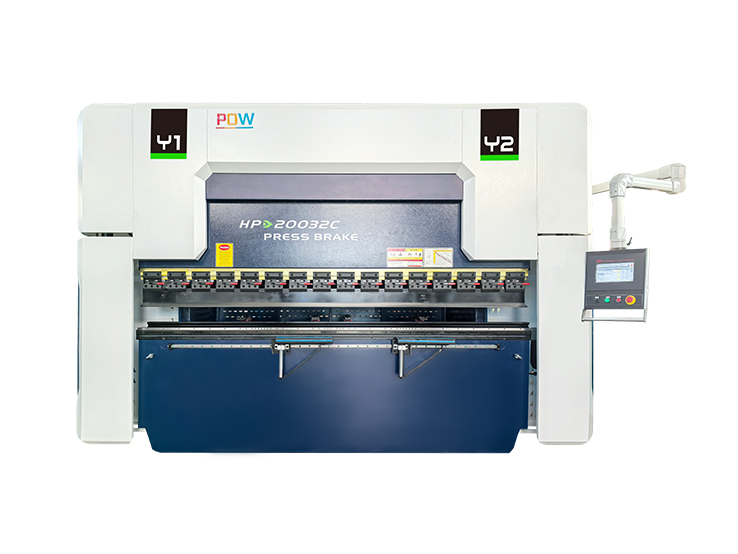 Press Brake
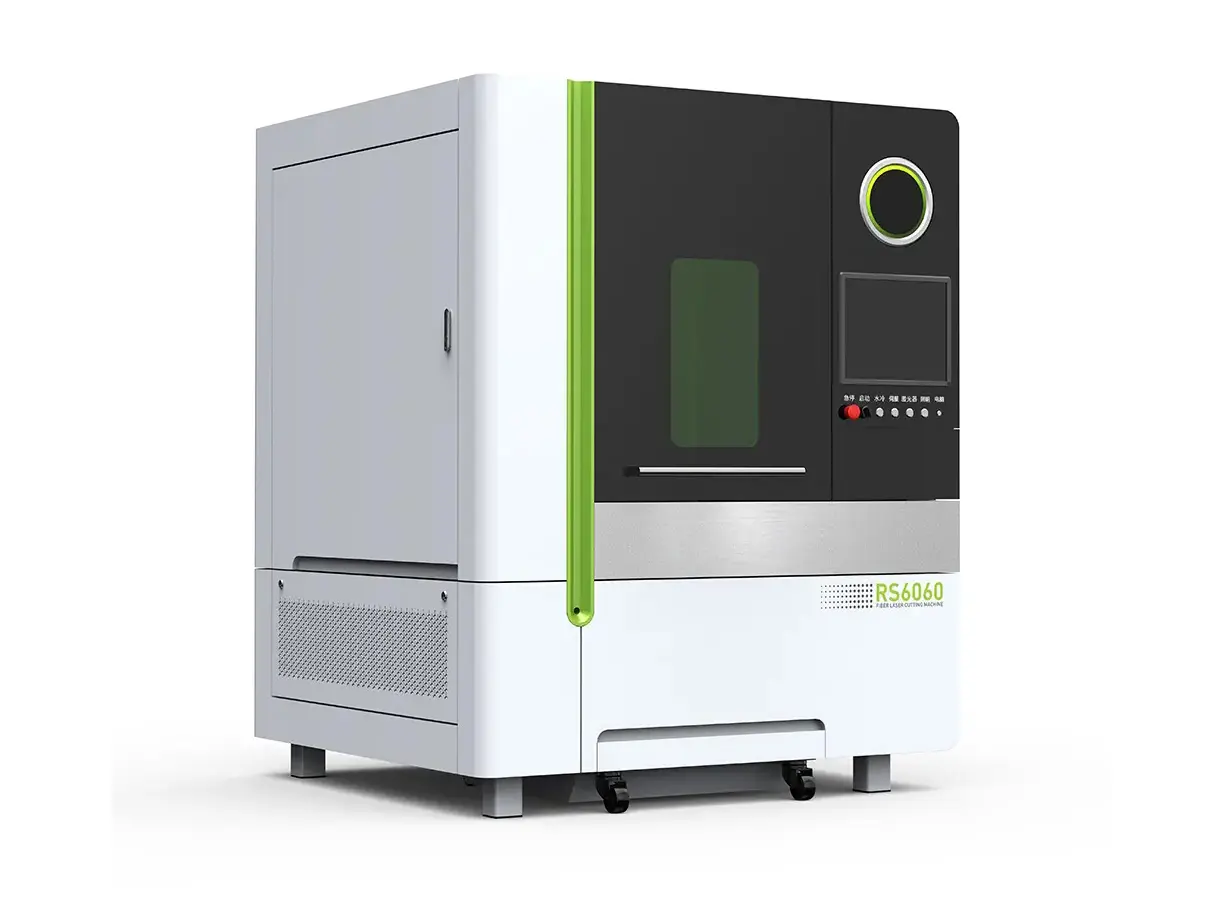 CNC Laser
 Industry Robot
 Plate Rolling Machine
 Tube Bending Machine
 Lathe and Machining Center
 Machine Protection Products