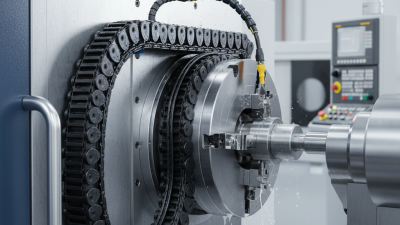
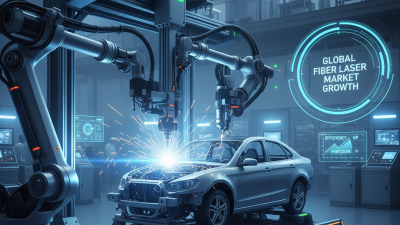
Top 10 Plastic Towline For CNC Machine Tools You Must Know?
In the evolving landscape of manufacturing, the importance of reliable components is paramount. Among these, the Plastic Towline for CNC Machine Tools has emerged as a critical element, ensuring efficient cable management and mobility. According to a report by Grand View Research, the global market for CNC machine tools is projected to reach USD 100 billion by 2027, emphasizing the need for durable and efficient accessories like towlines.
Quality in design and material selection is crucial. Plastic towlines not only reduce wear on cables but also enhance operational efficiency. This improvement can lead to significant cost savings over time. However, not all towlines meet industry standards. Some may lack the robustness required for high-speed machining, which could undermine production reliability. Manufacturers must reflect on their choices and consider the long-term implications of using subpar products.
Ultimately, selecting the right Plastic Towline for CNC Machine Tools is an investment in both performance and longevity. As the industry continues to grow, understanding these components becomes essential for maintaining competitive advantage and achieving operational excellence. The right data-driven decisions can make a decisive difference in production quality and efficiency.
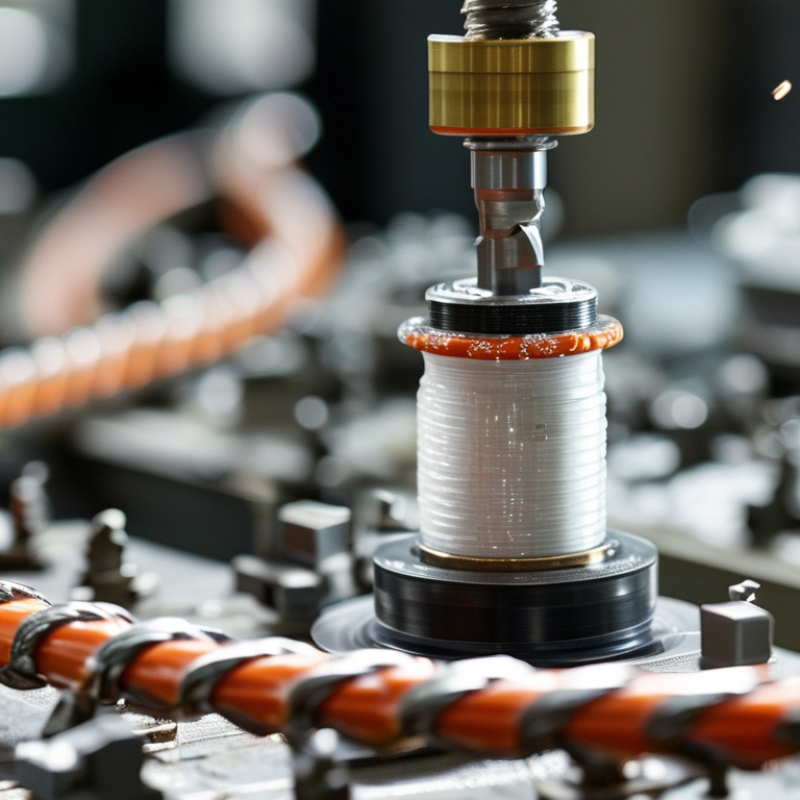
Top Features to Consider in CNC Machine Tool Plastic Towlines
When selecting plastic towlines for CNC machine tools, several features are crucial. Durability tops the list. Look for materials that withstand abrasion and harsh conditions. The towline should resist chemicals as well. Environmental factors can affect performance. Ensure the towline functions well under different temperatures.
Flexibility in design is another critical aspect. A flexible towline reduces stress on cables and hoses. This minimizes wear and prolongs lifespan. Consider the size as well. Proper sizing prevents tangles and enhances smooth operation. The internal structure should accommodate various cable types. This ensures that all components fit securely.
Tips: Regularly inspect your towlines for signs of wear. Catching issues early can save costly downtime. Choose a towline with adequate bend radii to prevent damage during operation. Remember, a small oversight can lead to significant problems. Adjustments are necessary as conditions change. Keep a close eye on performance to ensure reliability.
Common Materials Used in Plastic Towlines for CNC Applications
When considering plastic towlines for CNC applications, various materials come into play. Commonly, materials like nylon, polypropylene, and polyurethane are used. These materials offer a unique combination of durability and flexibility. For example, nylon is known for its strength, making it ideal for tough environments. Polypropylene provides excellent chemical resistance, while polyurethane is valued for its abrasion resistance.
In addition to these materials, the specific design of towlines also matters. Some towlines are engineered with a segmented design, allowing for easy access to cables and hoses. This design can help prevent wear and tear over time. However, not all designs work perfectly in every situation. Some users report challenges with alignment and cable management.
Understanding the properties of different materials can guide choices, but it's also important to assess specific application needs. For instance, a material that performs well in one setting may fall short in another. Users should periodically review their towline setup, looking out for any signs of wear or limitations in performance. A proactive approach can lead to longer-lasting and more efficient operations.
Benefits of Using Plastic Towlines in CNC Machinery
Using plastic towlines in CNC machinery offers numerous benefits that can enhance operational efficiency. These towlines provide a reliable means to organize and protect cables and hoses. By preventing tangling, they reduce downtime during maintenance. This aspect is crucial in fast-paced environments where every minute counts. In addition, their lightweight construction minimizes extra load, contributing to higher speeds and improved accuracy.
One must consider the durability of plastic towlines. While they are resistant to wear and tear, exposure to extreme conditions can lead to degradation. Regular inspections are necessary to identify potential weak points before they cause failures. Furthermore, installation can sometimes be tricky, especially in tight spaces. Ensuring optimal placement requires thoughtful planning and careful execution. Striking a balance between accessibility and protection can be challenging, yet it is essential for long-term performance.
Top Brands of Plastic Towlines for CNC Tools
When considering plastic towlines for CNC machine tools, several key brands stand out for their reliability and performance. According to recent industry reports, the global market for towlines is expected to grow by over 5% annually, reflecting the increasing demand for automated solutions. This growth underlines the importance of selecting quality components that enhance machine functionality.
Choosing the right towline requires an understanding of materials and design. High-density polyethylene (HDPE) and polypropylene are common materials used for durability. Industry studies suggest that use of robust materials can extend the lifespan of CNC machinery by reducing wear and tear. Avoiding subpar components helps prevent breakdowns during critical operations.
Tips for selecting the best towline include assessing the load capacity and bend radius. Ensure the towline is compatible with your specific CNC application. Regular maintenance of towlines is essential. Inspect them for wear periodically. A small crack can lead to major issues. Selecting reliable brands is crucial for long-term success in your machining endeavors. A balance of price and quality often yields the best results.
Maintenance Tips for Longevity of Plastic Towlines in CNC Machines
Plastic towlines play a crucial role in the operation of CNC machines. Regular maintenance can significantly enhance their longevity and functionality. According to industry reports, properly maintained towlines can last up to 5 years longer than those that are neglected. The following maintenance tips can help ensure optimal performance.
Keep the towline clean and free from debris. Dust and fluid can compromise its integrity. Regularly inspect the towline for wear and tear. Look for signs of fraying or cracks, which could lead to breakage. Replace any damaged sections immediately to avoid further issues. Use soft cloths for cleaning to prevent scratches.
Furthermore, ensure proper lubrication of moving parts. A well-lubricated towline reduces friction, promoting smoother operation. Avoid overloading the towline, as excessive weight can strain its structure. Manufacturers often recommend not exceeding the towline's specified weight limit. Document your maintenance schedule. Keeping records increases accountability and helps recognize patterns in wear, leading to more proactive care strategies. Regular maintenance enhances the life span of towlines and minimizes downtime in CNC machining processes.

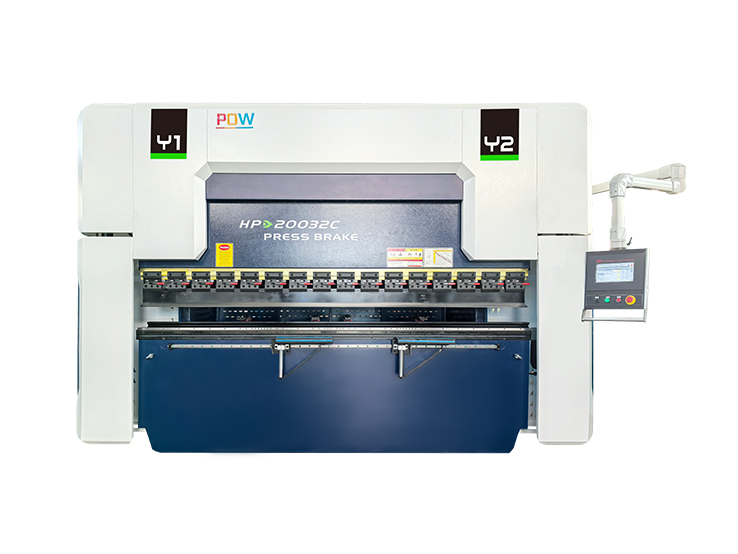 Press Brake
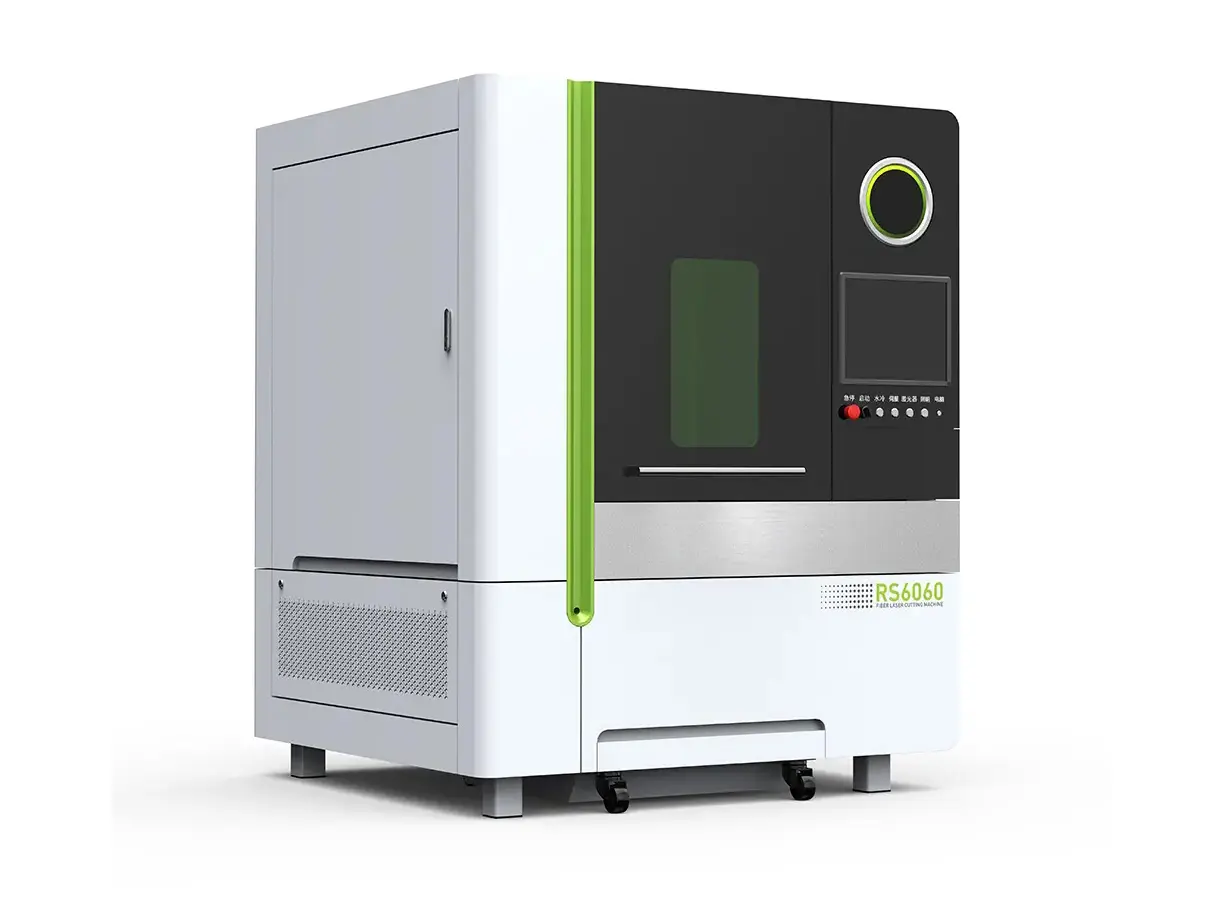 CNC Laser
 Industry Robot
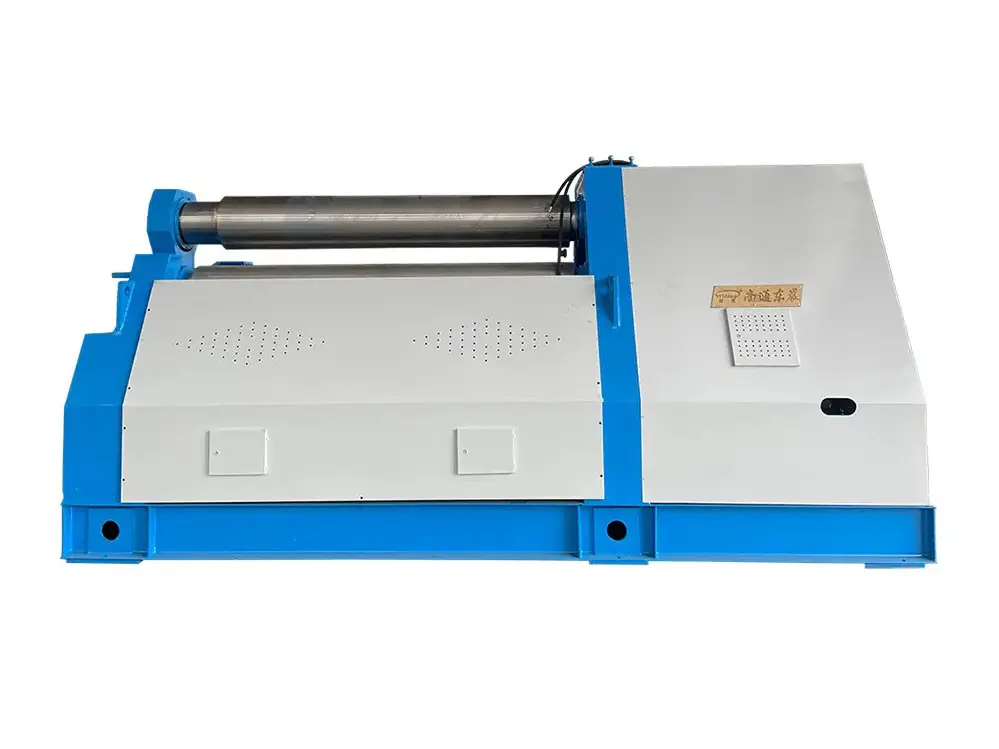 Plate Rolling Machine
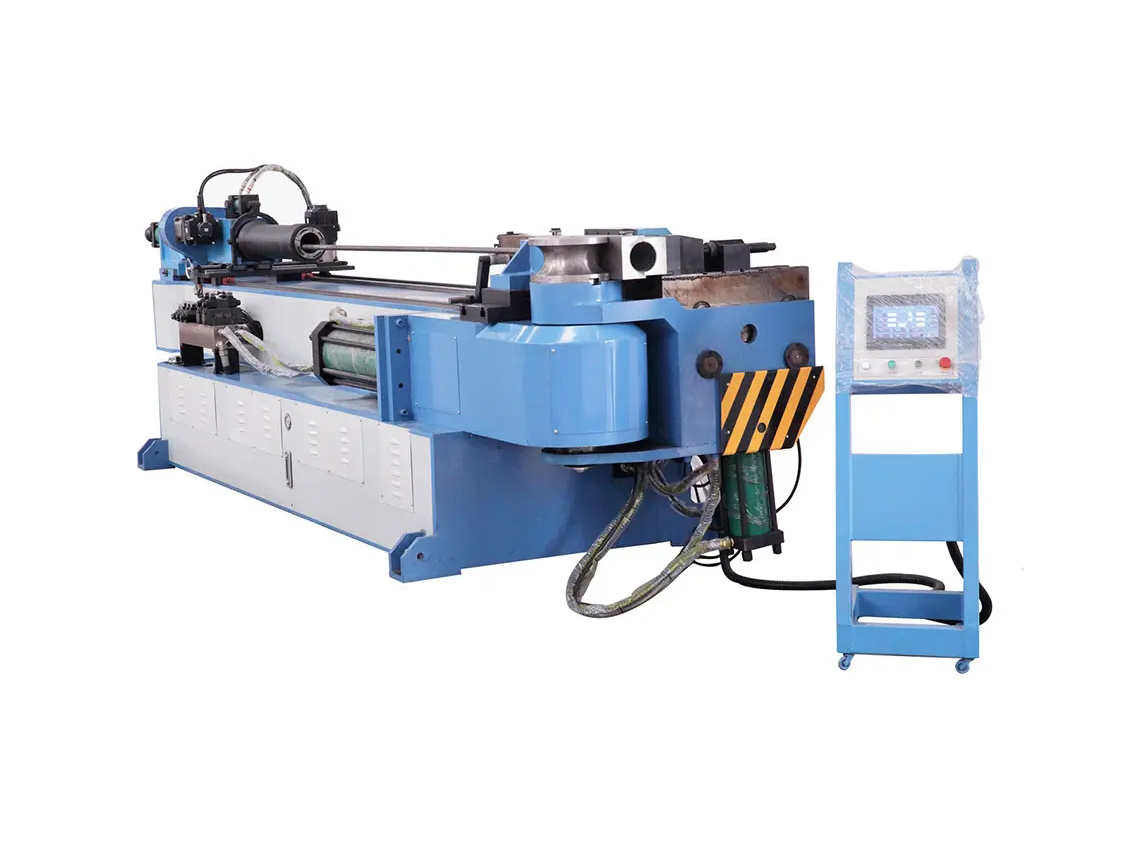 Tube Bending Machine
 Lathe and Machining Center
 Machine Protection Products