2026 Best Cnc Milling Center for Global Buyers Guide?
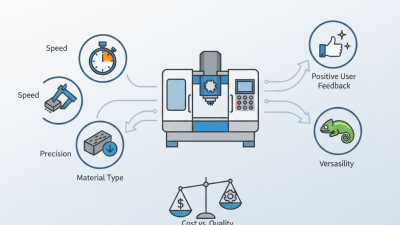
In the evolving landscape of manufacturing, the choice of a CNC milling center is crucial. Nowadays, businesses worldwide seek precise and reliable machinery to enhance productivity. A CNC milling center’s capabilities greatly affect the quality of production. Selecting the right one involves careful consideration of technical specifications, brand reputation, and user feedback.
Today’s global market offers numerous options. Each CNC milling center boasts unique features designed to meet diverse production needs. However, not all centers are created equal. Some may promise high precision but fail to deliver in real-world applications. Buyers need to critically examine performance, support services, and long-term reliability.
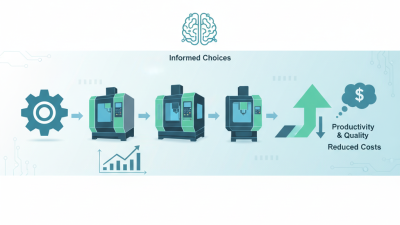
This guide provides essential insights for global buyers. It aims to highlight reputable CNC milling centers that meet industry demands. We delve into the technical aspects, usage, and common pitfalls encountered in selecting a center. Armed with detailed information, buyers can make informed decisions. It’s more than a purchase; it’s an investment in future capabilities.
Overview of CNC Milling Centers: Types and Applications
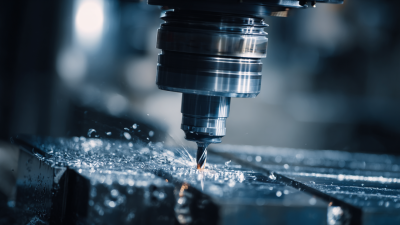
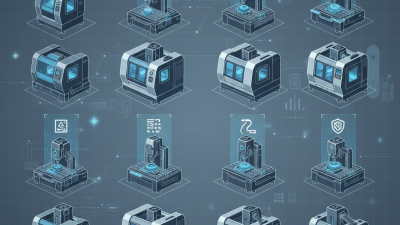
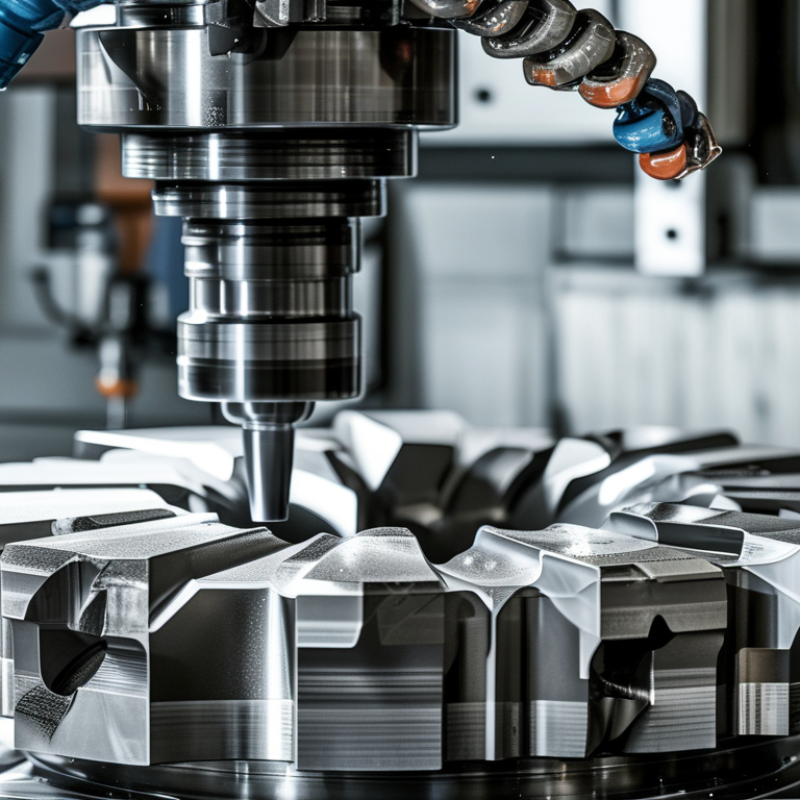
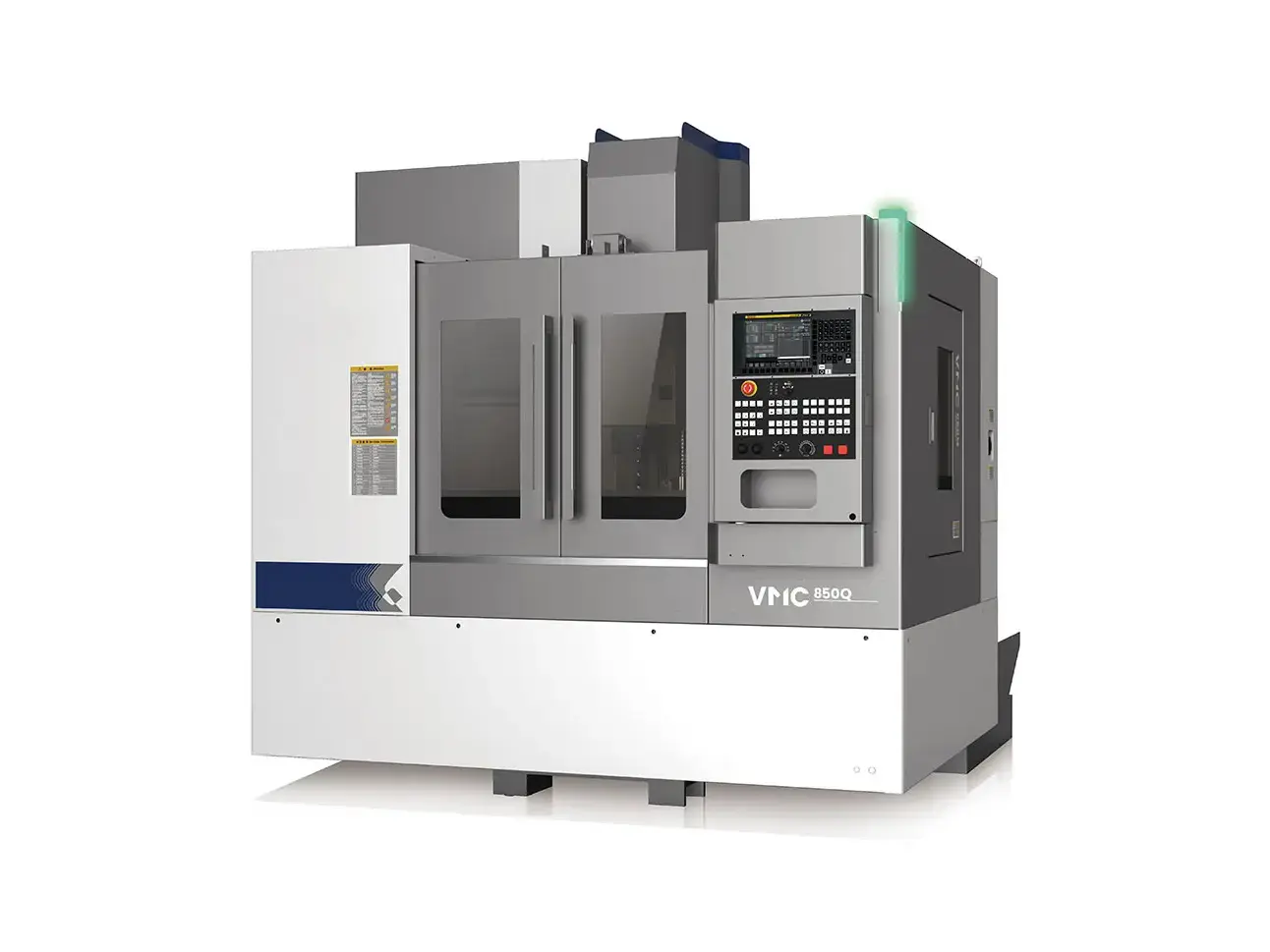
CNC milling centers are essential tools in modern manufacturing. They shape materials like metal and plastic into precise components. Understanding the different types is crucial for selecting the right equipment. Most milling centers fall into three categories: vertical, horizontal, and universal. Each type has its unique strengths and specific applications.
Vertical milling centers are popular for their ease of use. They are ideal for small to medium-sized jobs. Horizontal centers, on the other hand, excel in high-volume production. They provide better chip removal and can handle larger workpieces efficiently.
Universal milling machines combine features of both styles, offering versatility for varied tasks.
Tips: Always consider your production needs before purchasing. Evaluate the materials you will work with. Reflect on the size and complexity of your projects. An effective choice can enhance efficiency and reduce waste. Regular maintenance is vital for longevity. Take the time for a thorough inspection to avoid costly downtimes.
In summary, understanding the types of CNC milling centers helps streamline manufacturing processes. But be mindful—it’s easy to overlook critical features that may fit your specific needs.
Key Features to Look for in a CNC Milling Center
When considering a CNC milling center, several key features stand out. Precision is paramount. Industry reports indicate that CNC machines today can achieve tolerances within 5 microns, which is crucial for industries like aerospace and medical. Users should look for machines that offer high-speed machining capabilities. This can significantly reduce production times while ensuring quality.
Another noteworthy feature is the software integration. Advanced CNC systems support various programming languages and have user-friendly interfaces. This allows for greater flexibility in design and manufacturing processes. Additionally, automated tool changers can enhance efficiency by minimizing downtime between operations.
However, it’s important to acknowledge that not all CNC milling centers meet these criteria. Some models may lack robust support for updates and maintenance, making them less reliable over time. Buyers should also question the cost-effectiveness. Investing in high-end features might not always translate to better performance if the machine isn’t suited for one’s specific needs. Balancing features with practical requirements is essential for making an informed purchase.
2026 Best CNC Milling Center for Global Buyers Guide
| Feature |
Description |
Importance Level |
| Machine Size |
Available in various sizes for different workpieces |
High |
| Control System |
User-friendly interface with advanced programming options |
High |
| Spindle Speed |
High RPM for efficient machining |
Medium |
| Tool Capacity |
Number of tools available for diverse machining tasks |
High |
| Accuracy |
Precision in machining tolerances |
High |
| Material Compatibility |
Able to machine various materials including metals and plastics |
Medium |
| Warranty |
Coverage period for machine defects and issues |
Medium |
| Maintenance Support |
Availability of technical support and service |
High |
Top Brands and Manufacturers of CNC Milling Centers
When evaluating the landscape of CNC milling centers, focus on the top brands and manufacturers available to buyers globally. Many factors contribute to a brand's reputation. Innovativeness and reliability tend to stand out as key qualities in well-regarded CNC milling centers. Buyers often seek precise machining solutions and robust customer support. The best brands here continuously invest in R&D.
Understanding the specific features that make these centers effective can guide purchases. Consider factors such as speed, precision, and ease of use. High-performance models often include advanced automation features. However, not all top brands excel in every area. Some may be better for specific applications than others, leading to potential buyer regret if the wrong choice is made.
While researching, take note of user reviews and expert analyses. These insights can be invaluable. Engaging with forums and communities may reveal unexpected opinions. Don’t overlook personal experiences shared by other users. They often highlight both strengths and weaknesses in real-world scenarios. Evaluating this feedback will deepen your understanding and aid in making informed decisions.
Comparative Analysis: CNC Milling Centers for Different Industries
In today's manufacturing landscape, CNC milling centers play a pivotal role across various industries. These machines enhance precision and efficiency, catering to diverse applications from aerospace to automotive. Each sector has unique requirements, demanding tailored features from milling centers. For instance, aerospace often needs lightweight yet durable materials, while medical devices require strict adherence to sanitary standards.
CNC milling centers are not one-size-fits-all. A common mistake is assuming that higher speed equates to better performance. It's vital to consider the specific material being machined. Different materials react uniquely; metals require robust tools, while plastics may need softer settings. Evaluate your long-term production needs and scalability before making a decision.
Tips for choosing a CNC milling center include reviewing technical specifications thoroughly. Focus on spindle speed, tooling compatibility, and the machine’s rigidity. Additionally, consult industry experts for insights, ensuring the machinery aligns with your operational goals. Testing machinery with sample projects beforehand can prevent costly mistakes in production. Always consider the maintenance and support options available for the equipment you select.
Future Trends in CNC Milling Technology for Global Buyers
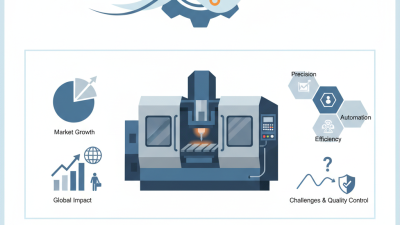
The future of CNC milling technology is rapidly evolving. Industry reports indicate that the global CNC machine market is projected to reach $100 billion by 2025. This growth is largely driven by the demand for precision in manufacturing. New advancements in automation and artificial intelligence are enhancing efficiency. These technologies can reduce operational costs while increasing production capabilities.
Experts have noted a shift toward integrating Industry 4.0 principles. Smart manufacturing models emphasize connectivity and data exchange. This interconnected environment allows for real-time monitoring and optimization of milling processes. However, some companies struggle with adapting to these changes. Not all organizations can afford the transition to high-tech solutions.
Sustainability is also becoming a critical focus. A report by the International Federation of Robotics suggested a 30% increase in energy-efficient machines by 2026. Such developments are imperative as industries strive to minimize their carbon footprints. Yet, implementing green technologies presents challenges. Transitioning might require extensive training and upfront investment. This complexity complicates the decision-making process for many manufacturers.

 Press Brake
 CNC Laser
 Industry Robot
 Plate Rolling Machine
 Tube Bending Machine
 Lathe and Machining Center
 Machine Protection Products