How to Choose the Best Fiber Laser Cutter for Your Needs?
Choosing the right Fiber Laser Cutter can be a daunting task. With numerous options available, understanding your specific needs is key. Industry expert Dr. Alex Thompson states, “The perfect laser cutter is one that aligns with your production goals and material types.” This insight emphasizes the importance of customization in selecting equipment.
When considering a Fiber Laser Cutter, think about power requirements and cutting thickness. A higher wattage offers more versatility but may not always be necessary. Reflecting on past experiences helps in narrowing down choices. Have you assessed what materials you’ll be using most? Focusing on compatibility can streamline your selection process.
Ultimately, each Fiber Laser Cutter comes with its strengths and weaknesses. Prioritize features that matter to you. It’s essential to weigh performance against cost. A well-informed choice can lead to significant benefits in productivity and efficiency. Remember, the ideal cutter should enhance your operations, not complicate them.
Key Considerations for Selecting a Fiber Laser Cutter
When selecting a fiber laser cutter, several key considerations come into play. A crucial factor is the cutting speed, which can significantly affect productivity. Industry data suggests that some fiber laser cutters can operate at speeds up to 50 meters per minute, providing an edge in manufacturing efficiency. However, not all applications require such high speeds. Understanding the specific needs of your operations will guide you in choosing the optimal cutter.
Another essential consideration is the thickness of the materials you plan to process. Reports from major industry analysts indicate that fiber lasers excel in cutting metals, particularly stainless steel and aluminum, up to a thickness of 25 mm with precision. However, if your projects primarily involve thicker materials, you might encounter limitations. Evaluating the material types and thicknesses in your inventory will help ensure that the machine meets your cutting requirements.
Lastly, laser power is not a one-size-fits-all specification. While higher wattage can increase cutting speed and versatility, it may also lead to overspending for businesses with less demanding applications. Different projects may require varying power levels for optimal results. A careful assessment of your application needs will help determine the right power level, striking a balance between efficiency and cost.
How to Choose the Best Fiber Laser Cutter for Your Needs?
| Dimension |
Consideration |
Importance Level |
Examples |
| Laser Power |
Higher power allows for cutting thicker materials. |
High |
1000W, 2000W |
| Cutting Speed |
Affects production efficiency. |
Medium |
20 m/min |
| Work Area Size |
Determines the maximum sheet size you can work with. |
High |
1300x2500mm |
| Material Type |
Compatibility with various materials is crucial. |
High |
Steel, aluminum, brass |
| Maintenance Requirements |
Ease of maintenance impacts downtime. |
Medium |
Lubrication needs, component checkups |
Understanding Different Types of Fiber Laser Cutters
When exploring fiber laser cutters, understanding the different types is crucial. The core categories include pulsed fiber lasers and continuous wave (CW) lasers. Pulsed fiber lasers release energy in short bursts. This is ideal for materials like thin metals or plastics. The precision in cutting leads to minimal heat-affected zones. However, the speed might lag behind CW lasers for thicker materials.
Continuous wave lasers provide a steady beam. This makes them well-suited for cutting through thicker materials and for high-speed operations. They excel in the industrial sector, especially in mass production settings. Yet, the increased heat can lead to distortion in delicate workpieces. Finding the right balance between power and precision can be challenging.
Consider the specific applications you need the cutter for. A pulsed laser may offer higher precision but at lower speeds. Meanwhile, the continuous wave option could potentially sacrifice detail for efficiency. Each decision carries its own weight of pros and cons. Understanding these nuances is essential for effective use and investment. Seek expert advice to navigate these complexities, as the right choice impacts both quality and profitability.
Evaluating Cutting Speed and Power Requirements
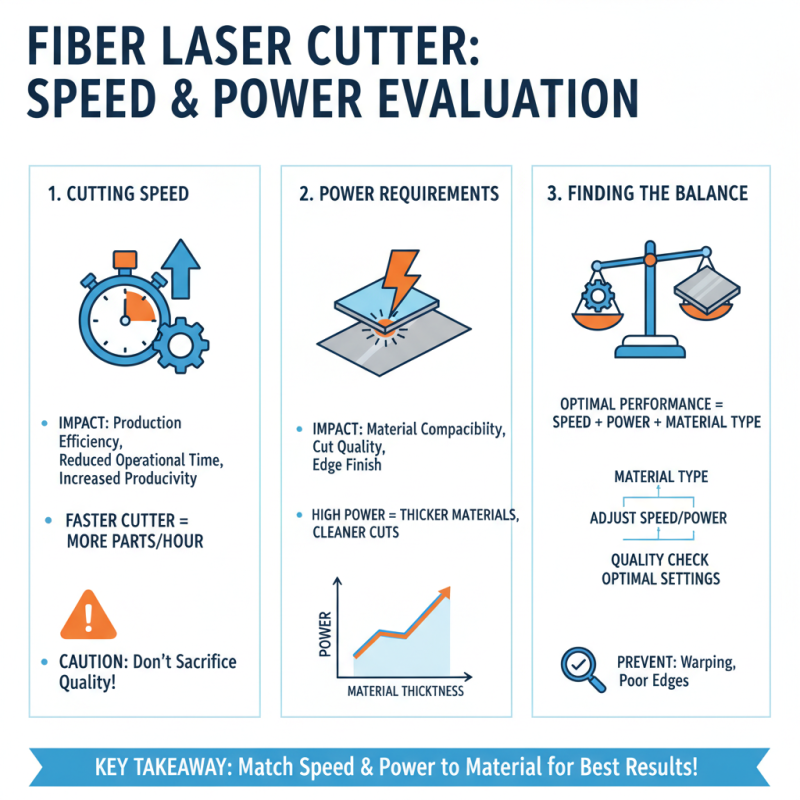
When choosing a fiber laser cutter, evaluating cutting speed and power requirements is crucial. The cutting speed affects production efficiency. A faster cutter can reduce operational time and enhance productivity. However, it is important not to sacrifice quality for speed. A balance must be struck. High speeds may lead to material warping or poor edges if not matched properly with the material type.
Power requirements also play a critical role in selection. Higher wattage typically means the ability to cut thicker materials. However, excessive power can cause damage to thinner sheets. Understanding the material you will be working with is essential. Conducting tests can provide insights into optimal settings, but many may overlook this step.
Additionally, consider the type of projects you take on. Some projects may require intricate designs that demand precision over raw cutting speed. Identifying your workflow can help streamline the decision-making process. Ultimately, the right balance between speed and power depends on unique project needs and material characteristics. Regular assessments will lead to improvements in your operational approach.
Assessing Material Compatibility and Thickness
When selecting a fiber laser cutter, material compatibility is crucial. Different materials respond uniquely to laser cutting. Metals like stainless steel and aluminum require higher power to achieve clean cuts. On the other hand, materials like wood and acrylic are less demanding, though their thickness must also be considered. Understanding which materials you will primarily work with shapes your choice.
Thickness is another key consideration. Thicker materials absorb more energy, which may lead to burn marks or uneven edges if not handled properly. A machine with adjustable power settings can help manage this issue. However, choosing a cutter that spans a range of thicknesses can be tricky.
Sometimes, what works for one thickness may not work for another. Finding feedback from users who cut similar materials can provide valuable insights.
You might find that specific applications require experimenting. Testing with different settings is important. Keep track of what works and what doesn't. This trial-and-error approach can guide future decisions. Ensuring that your cutter meets your specific needs is vital.
Exploring Budget Options and Maintenance Costs
When selecting a fiber laser cutter, maintenance costs and budget options can be significant factors. Understanding these aspects can help you make an informed choice. Regular maintenance is crucial to ensure the longevity of your fiber laser cutter. This typically includes cleaning lenses, checking alignment, and monitoring software updates. Companies often overlook these tasks, leading to costly repairs and downtime.
Consider the long-term expenses beyond the initial purchase price. Some budget models may require more frequent repairs and higher maintenance. Investing in a higher-quality machine upfront could save you money in the long run. Evaluate the cost of replacement parts as well. A cheap cutter may have expensive components that add up over time.
Tips for managing costs: Maintain a regular cleaning schedule to avoid issues. Explore warranties and service agreements when purchasing. These can provide peace of mind and reduce unexpected expenses. Always keep in mind the training costs associated with operating the machine properly. Investing in proper training can minimize mistakes and enhance efficiency.
Cost Analysis of Fiber Laser Cutters

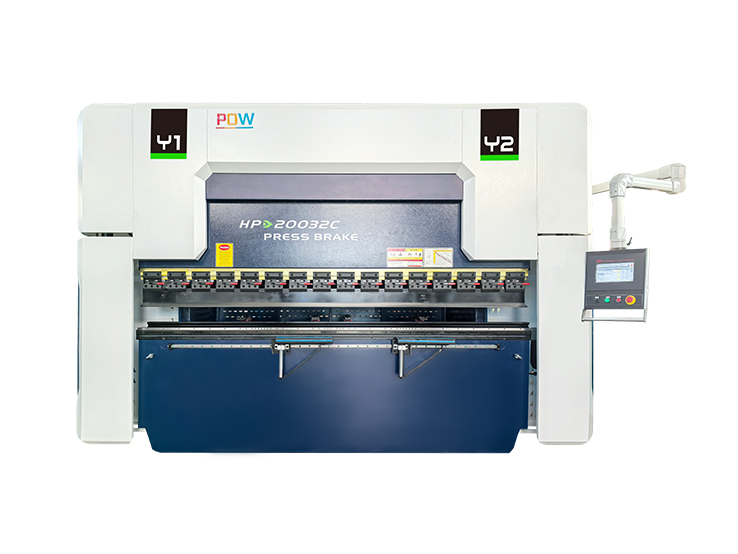 Press Brake
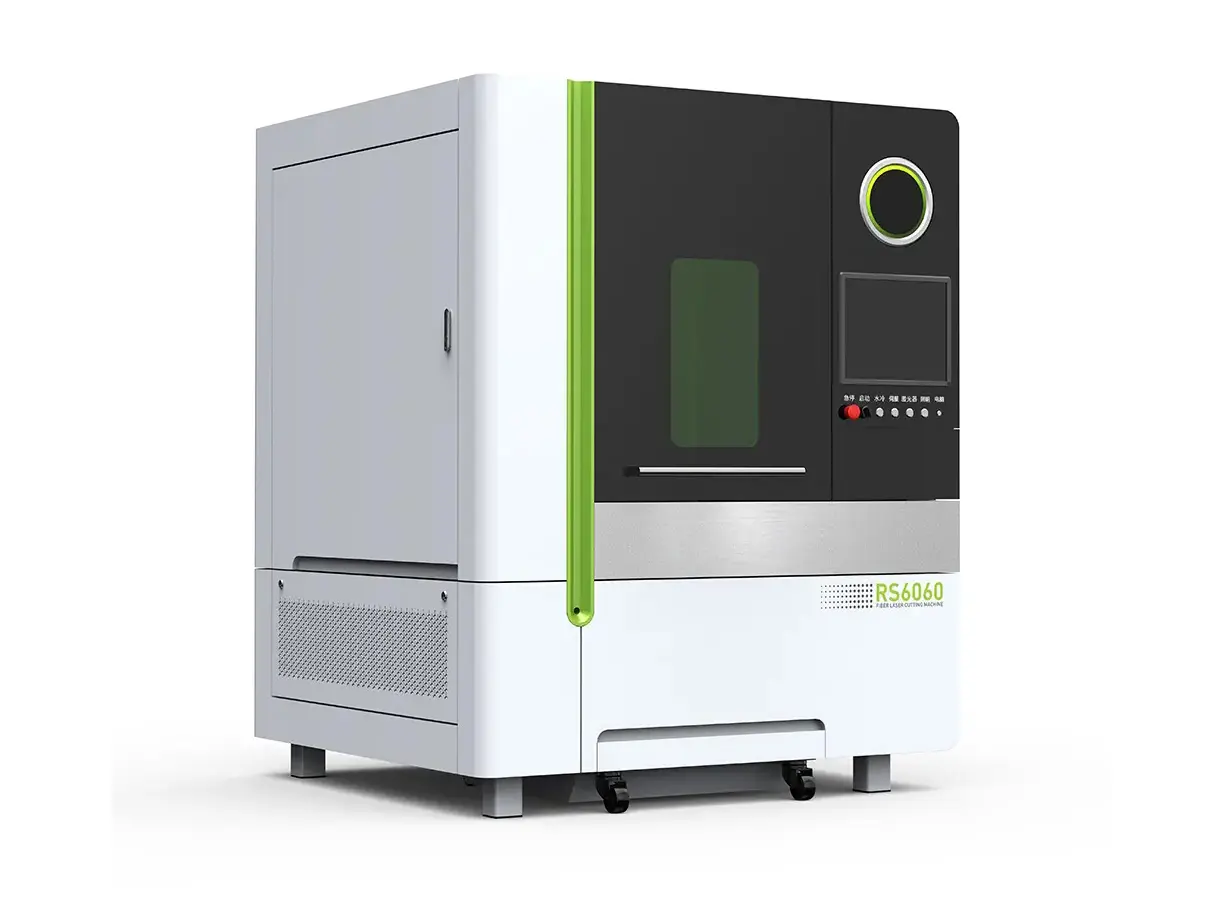 CNC Laser
 Industry Robot
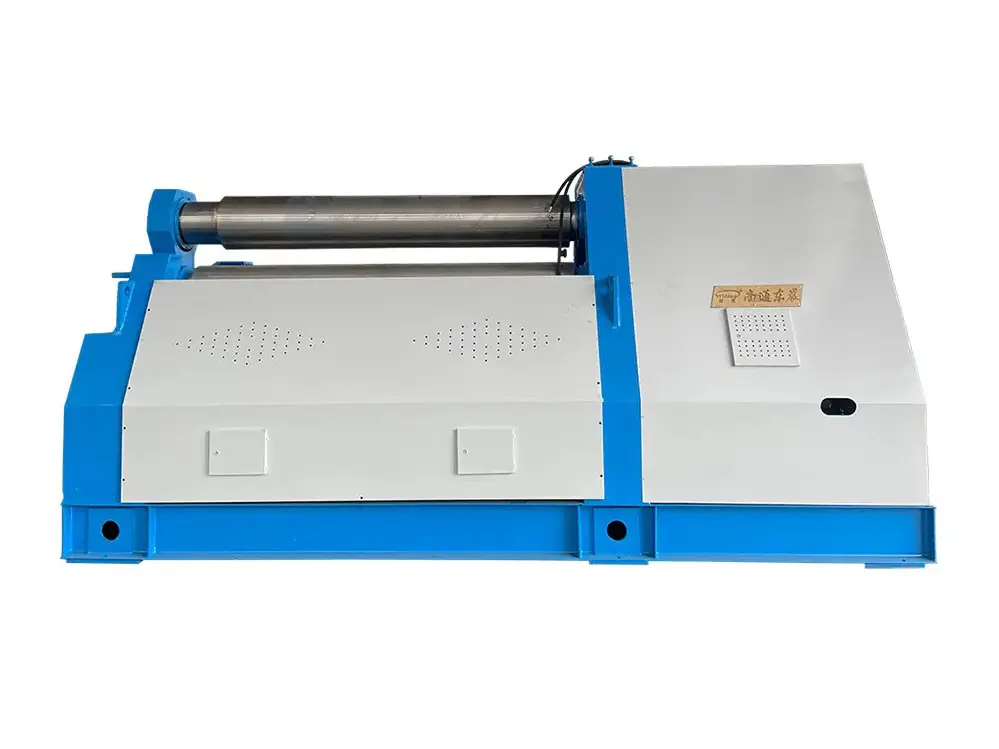 Plate Rolling Machine
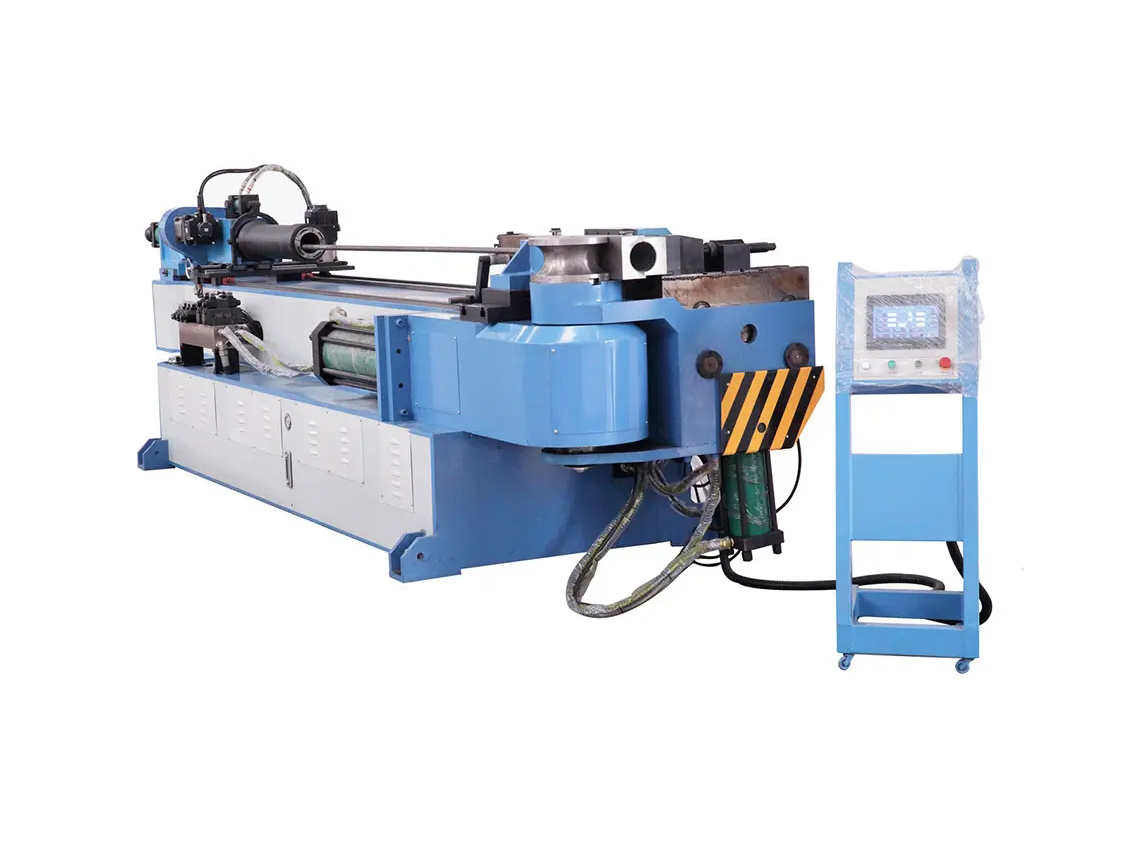 Tube Bending Machine
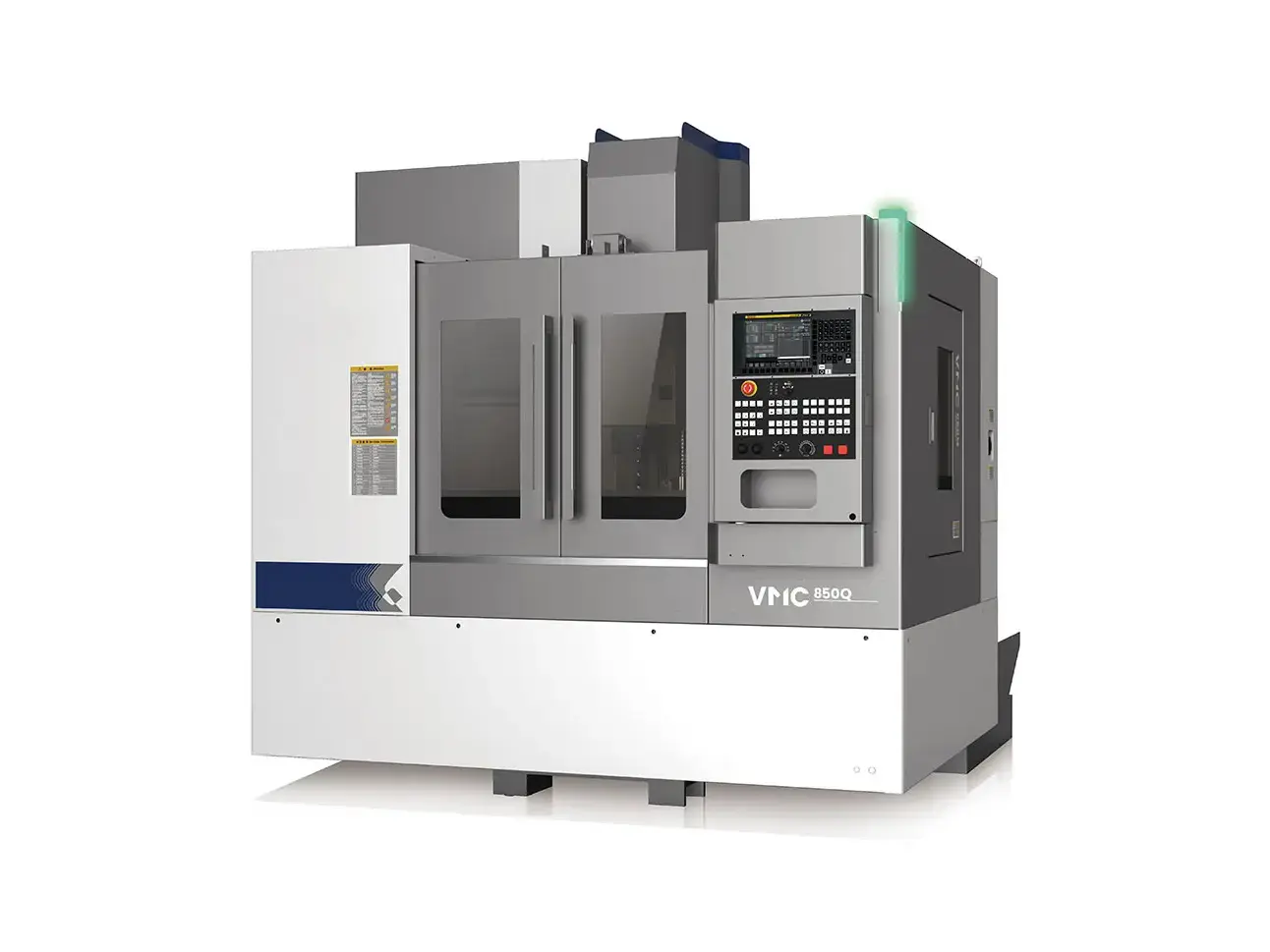 Lathe and Machining Center
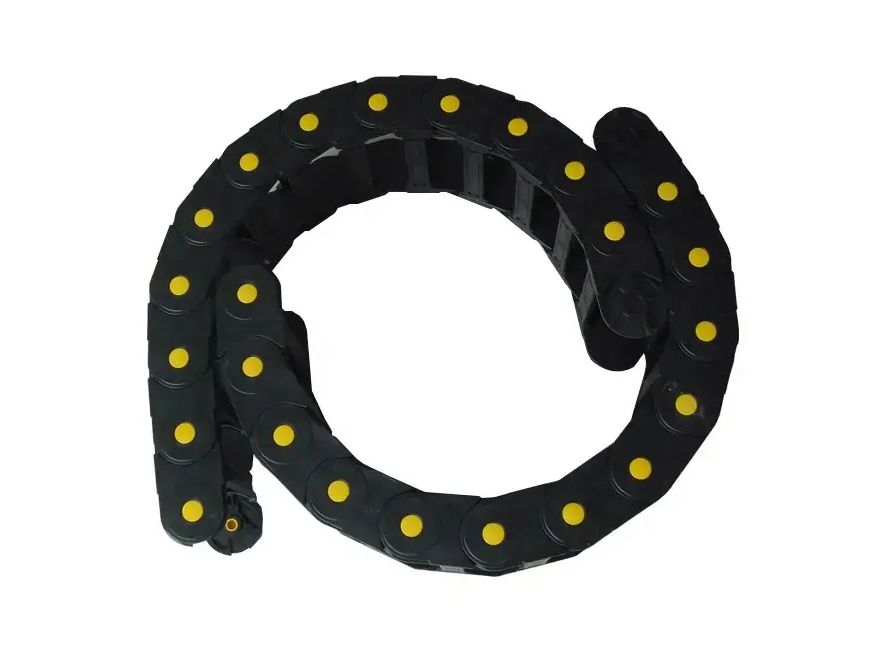 Machine Protection Products