Who Are the Top CNC Milling Machine Manufacturers in China?
China’s manufacturing story is increasingly measured in precision, flexibility, and automation. The International Federation of Robotics’ World Robotics 2024 report recorded 276,288 industrial robot installations in China during 2023, about 51% of global installations. This figure does not measure milling-machine sales. It does, however, indicate the scale of China’s automated production environment, where Cnc Milling Machine suppliers compete on spindle stability, control systems, delivery, and service. For buyers, the key details are practical: work-envelope size, positioning accuracy, tool-change time, and local technical support.
A catalogue is not enough. A shop floor offers better evidence: inspect a milled aluminum housing, listen for vibration at high spindle speed, and ask how quickly replacement parts arrive. Manufacturing scholar Yoram Koren describes reconfigurable production as the ability to “quickly adjust its production capacity and functionality.” That principle matters when factories switch between prototypes and repeat orders. Still, flexibility does not guarantee a reliable machine. That distinction is easy to miss. This guide compares leading Chinese manufacturers by product range, technical documentation, export experience, and after-sales support. Public data can group milling centers with broader machine-tool categories, so rankings are not definitive. Verify specifications, test-cut results, and service coverage directly before purchasing.
How China’s CNC Milling Machine Industry Is Organized
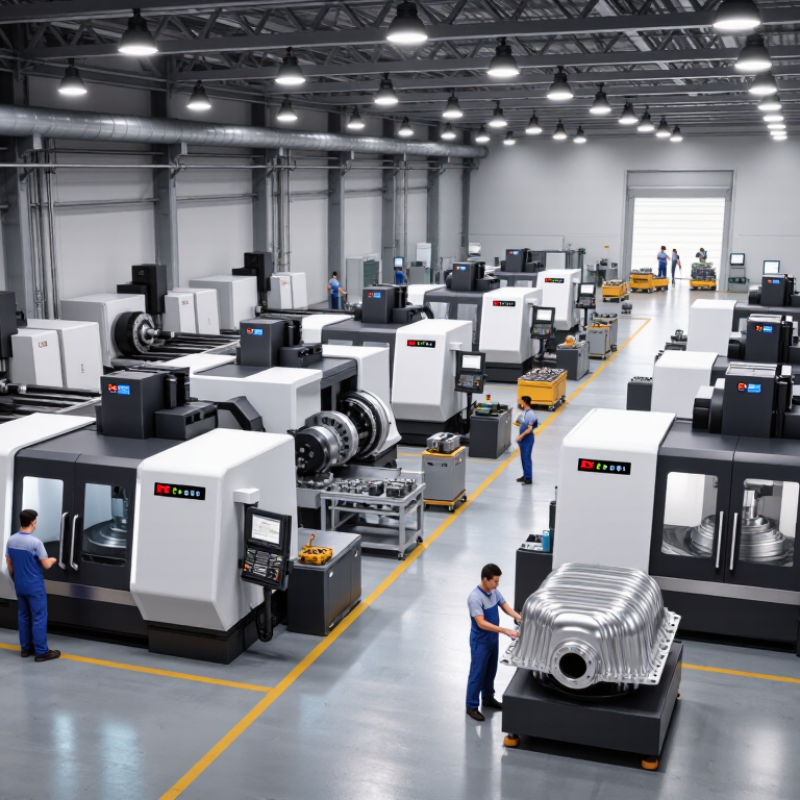
China’s CNC milling sector is not one uniform block. It includes large machine-tool groups, privately owned builders, specialist workshops, and component suppliers. Many suppliers operate in coastal manufacturing belts, close to foundries, spindle makers, control-system firms, and tooling vendors. This can shorten sourcing routes. Quality still varies.
Demand comes from a broad factory base. The International Federation of Robotics’ World Robotics 2024 reports that China installed 276,288 industrial robots in 2023, or 51% of global installations. This is not a milling-machine sales figure; it indicates the scale of automation demand around manufacturers. Within the supply chain, some companies build complete mills, while others provide castings, spindles, drives, controls, or retrofit services. System integrators connect these parts to production lines.
For buyers, this structure can offer flexible sourcing, but supplier roles are not always clear. A company assembling a machine may rely on outside suppliers for key components. Check spindle specifications, positioning accuracy, service coverage, and parts availability—not just catalogue claims. Ask for test-cut records on a material similar to yours. One limitation: industry reports describe automation and machine-tool markets broadly, so they do not rank individual milling-machine makers.
Leading CNC Milling Machine Manufacturers in China
Leading CNC milling machine manufacturers in China serve industries that need accurate cutting, repeatable production, and dependable machine support. Their capabilities vary, so buyers should compare machine types, spindle power, travel range, control systems, and stated tolerances. A catalog can look impressive. Ask for a sample cut on material similar to your own, then inspect edge quality, dimensions, and finish. Small details matter. A vibration mark on an aluminum part may point to setup or rigidity issues, not just operator skill.
Reliable suppliers should explain installation, training, spare-parts availability, and expected service response times. Request clear specifications, inspection records, and references for comparable applications. If possible, assess the factory’s quality-control process and watch a machine run under load. Even a careful review has blind spots; a polished showroom alone proves little. Some buyers may focus too heavily on price, and that can be a mistake. Compare the full operating picture, including tooling, maintenance, delivery, and technical communication. Direct answers to specific questions are often more useful than broad performance claims.
Company Backgrounds and Manufacturing Specialties
China’s CNC milling sector includes manufacturers with different industrial roots. Some grew from conventional machine-tool workshops, while others developed around automation or contract manufacturing. That background often shapes their strengths. A workshop with long experience in machine building may focus on rigid frames, spindle stability, and dependable daily operation. A company serving export customers may put more attention into documentation, customization, and service support.
Their manufacturing specialties also vary. Some concentrate on vertical machining centers for mold work and general components. Others build horizontal or multi-axis machines for larger parts and more complex cutting paths. Look closely at the details: casting quality, axis travel, spindle options, tool capacity, and the inspection process. Ask how a machine performs during sustained cutting, not only during a short demonstration. A clean showroom is useful, but it is not proof of long-term accuracy. Some gaps are easy to miss. Published specifications can also leave out practical limits, such as performance with heavy workpieces or difficult materials. A careful comparison should connect each manufacturer’s background to the parts and production conditions it actually handles.
CNC Milling Machine Specialties in China
A capability overview of common milling-machine configurations—not a ranking or a count of manufacturers.
Axis count indicates the machine’s total controlled axes: three-axis machines move along X, Y, and Z; four-axis machines add a rotary axis; five-axis machines add two rotary axes. The chart describes machine configurations, not market share or manufacturer performance.
Machine Types and Capabilities Across Major Manufacturers
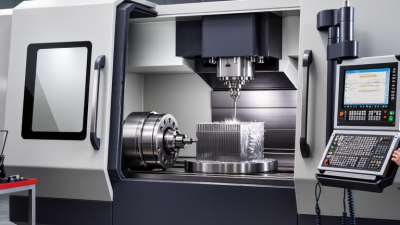
Chinese CNC milling machine manufacturers offer several machine types, from compact vertical mills to large gantry systems. Vertical machining centers suit molds, fixtures, and general production. Their upright spindles provide convenient access for setup and inspection. Horizontal models use pallet systems to machine multiple faces with fewer manual resets. That can save time.
For complex parts, some manufacturers build five-axis machines that tilt or rotate the workpiece during cutting. These systems can reach angled surfaces, but they need careful programming and skilled operators. Three-axis machines remain practical for flat plates, housings, and many everyday components.
Larger gantry mills handle long panels and heavy workpieces, while compact machines fit smaller workshops. Capacity varies widely.
Capabilities depend on more than the machine’s listed axes. Spindle power, table load, travel, tool capacity, and thermal control all affect real output. A fast spindle may suit aluminum, while steel cutting often needs rigidity and steady torque.
Ask for sample machining results using material and tools similar to your own. Check positioning data, service arrangements, and component specifications in writing. A brochure cannot show every shop-floor limitation.
Test cuts help.
One detail is easy to overlook: a larger working envelope may reduce rigidity when machining near the limits of travel.
Factors for Comparing Chinese CNC Milling Machine Suppliers
Comparing Chinese CNC milling machine suppliers requires more than checking spindle speed or quoted price. Start with the parts you plan to cut: material, dimensions, batch size, and required tolerance. Ask suppliers to demonstrate a sample cut using a similar workpiece. Measure it independently, then review the inspection method and recorded results. Small details matter.
Check machine rigidity, axis travel, spindle power, tool capacity, and control compatibility against your workflow. Request component specifications, calibration records, and a clear factory acceptance test plan. A machine that looks capable on paper may struggle with chatter in a deep pocket or repeatability during a long production run. Ask about maintenance intervals, consumables, spare parts, and typical technical-support response times.
Compare warranty scope and operator training, not just warranty duration. Confirm installation requirements, manuals, electrical needs, and remote diagnostics. Ask for references from customers making comparable components, but treat testimonials as one input, not proof. Gaps happen. Put performance targets, acceptance criteria, and delivery milestones in writing before ordering. No checklist is perfect; verify the trial under real cutting conditions.

 Press Brake
 CNC Laser
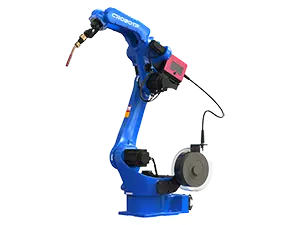 Industry Robot
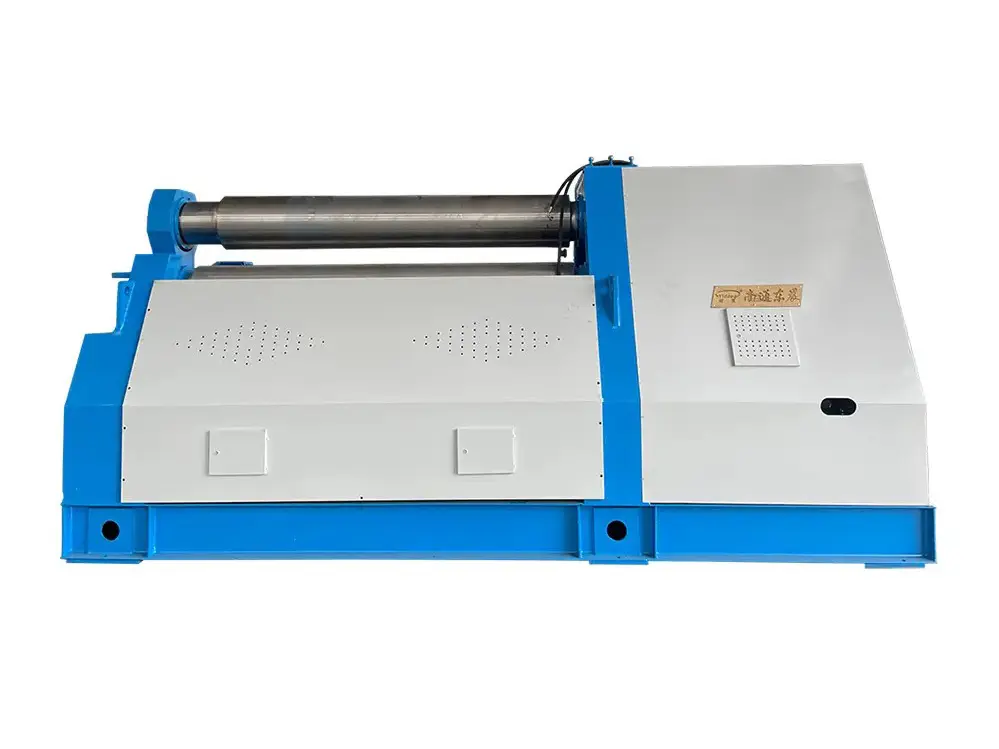 Plate Rolling Machine
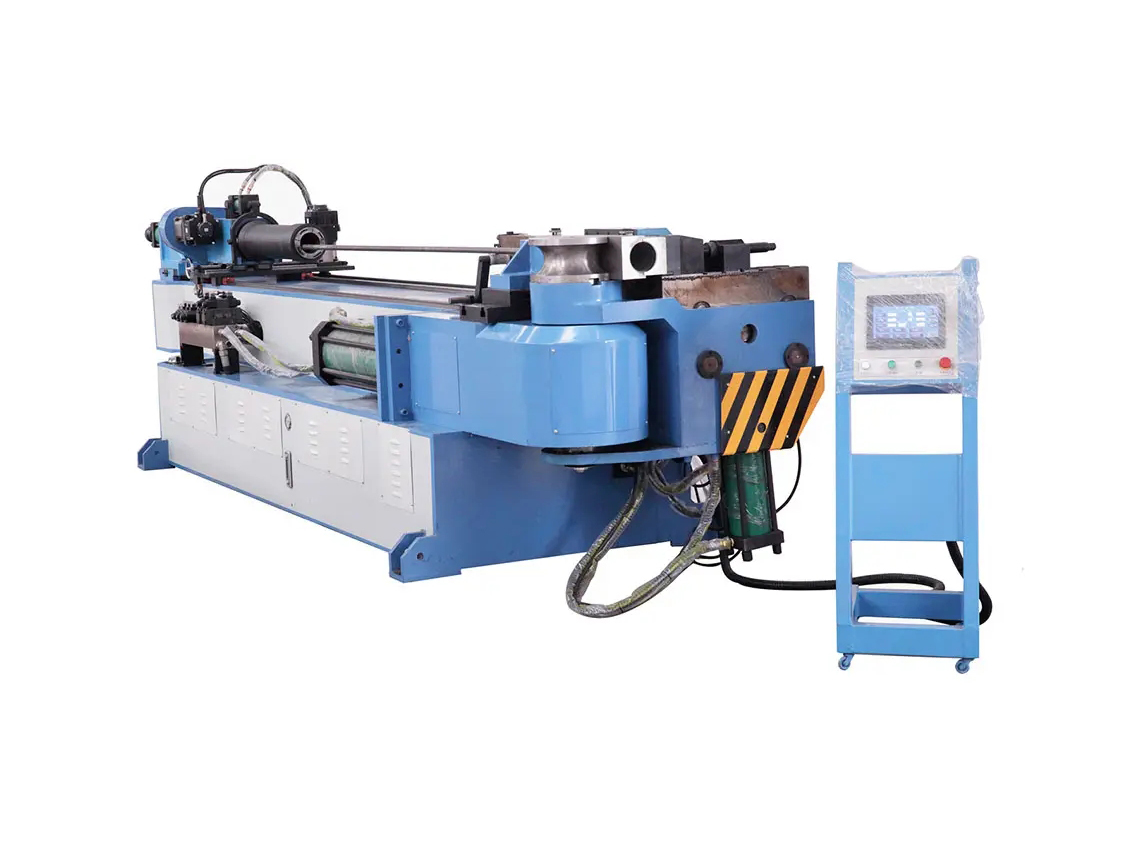 Tube Bending Machine
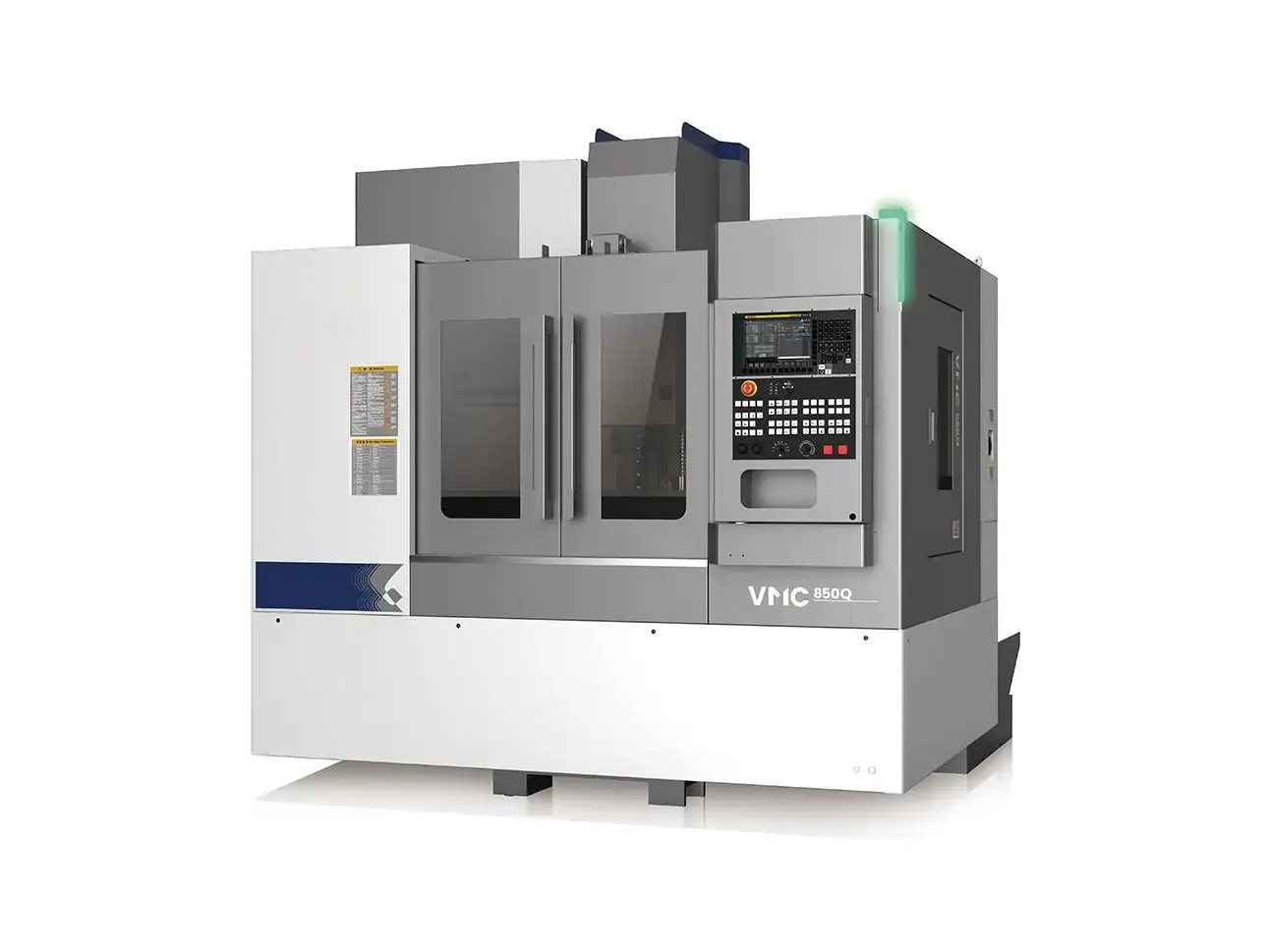 Lathe and Machining Center
 Machine Protection Products