 Press Brake
 CNC Laser
 Industry Robot
 Plate Rolling Machine
 Tube Bending Machine
 Lathe and Machining Center
 Machine Protection Products
Inquiry
Form loading...
Choosing the right Plastic Towline For Cnc Machine Tool can protect cables, hoses, and production stability. In 2026, CNC workshops face faster axes, tighter layouts, and more demanding machining cycles. A towline must guide moving services without twisting, crushing, or creating unnecessary friction.
This guide examines leading plastic towline types for milling machines, turning centers, routers, and automated machining cells. It considers bend radius, chain pitch, load capacity, noise, installation space, and service access. These details matter on the shop floor. A compact chain may suit a narrow axis, while a larger design may better support coolant lines and sensor cables. Reinforced links can improve durability, but they may increase weight and cost. That trade-off deserves attention.
Real-world selection should begin with motion data, not product appearance. Measure travel distance, cable diameter, movement speed, acceleration, and operating temperature. Then compare the manufacturer’s technical data with actual machine conditions. Independent testing and documented service experience can strengthen confidence, although no single model fits every application. Some recommendations may seem convincing at first. They can still fail when chips, coolant, or poor alignment enter the system. Careful maintenance remains necessary. Regular checks may reveal worn links, loose mounts, or cable rubbing before downtime occurs. This introduction prepares readers to compare top plastic towline options with practical judgment, technical evidence, and a willingness to question convenient assumptions.
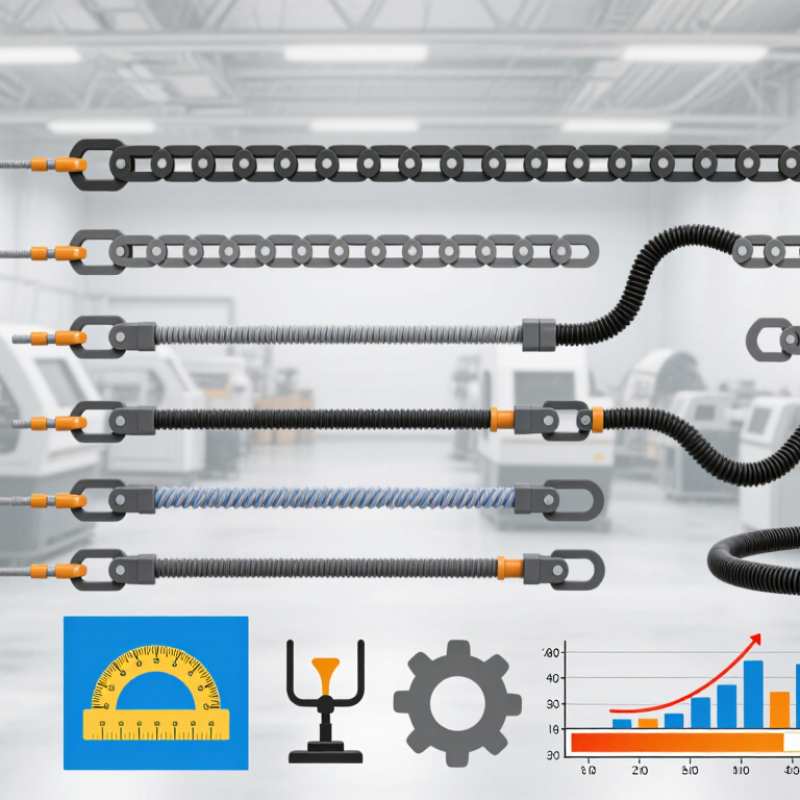
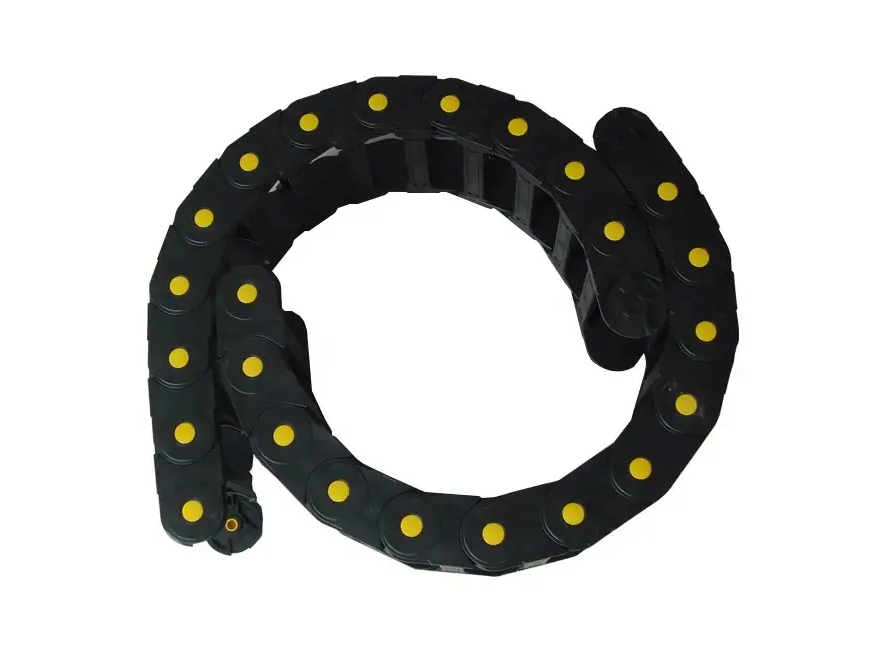
A plastic towline guides power and signal cables as a CNC machine’s axes move. Its links bend repeatedly, so material choice affects wear, noise, and maintenance. PA66 links are common because they are light, resist many workshop oils, and can run quietly. They are not indestructible. Heat, abrasive chips, or a tight bend radius can shorten service life, even when the chain looks sound.
Steel towlines suit heavier cable bundles and harsher conditions, such as machines exposed to hot chips. They offer rigidity and impact resistance, but add weight and may create more noise. That extra mass matters on fast-moving axes. Check the machine’s travel speed, cable load, and mounting space before choosing; a strong chain can still be a poor fit.
Hybrid designs combine plastic links with selected steel components, balancing lower mass with added support where loads demand it. This can help on long travel paths, though the result depends on link geometry and installation. Keep cables separated, allow room for movement, and inspect the bend for rubbing or dust buildup. Small details matter. I have seen a neatly routed cable bundle develop wear because one clamp held it too tightly. Check the actual machine conditions, not just the material label.
Comparison of common cable-carrier designs for CNC machine tools. Performance depends on the carrier model, installation, cable selection, travel, speed, and operating environment; confirm limits with the component manufacturer.
| Design / material | Construction fundamentals | Typical advantages | Considerations | CNC machine-tool applications |
|---|---|---|---|---|
| PA66 plastic towline | Articulated links commonly molded from polyamide 66 (PA66), with openings or covers to route and separate cables and hoses. | Lightweight, modular, and available in many link sizes and bend radii. Individual links or sections can often be replaced. | Check temperature, chemical exposure, impact, dust, and chip conditions against the specific material and design. Not every plastic carrier is suitable for hot chips or harsh coolant exposure. | Common choice for moving cables on CNC axes, gantries, tool changers, and auxiliary equipment where carrier weight and flexible routing matter. |
| Steel towline | Metal links or plates form a guided carrier path; construction and surface protection vary by design and application. | Can provide a robust enclosure and resistance to mechanical impacts in applications designed for metal carriers. | Typically heavier than a comparable plastic carrier. Assess corrosion risk, noise, moving mass, installation support, and compatibility with the machine layout. | Consider for demanding routing or exposure where the selected metal design is appropriate, including certain heavy-duty machine-tool installations. |
| Hybrid link design | Combines materials or features, such as a plastic link body with selected metal components, depending on the carrier design. | May balance low carrier mass with localized reinforcement or other application-specific features. | “Hybrid” is not a single standardized construction. Confirm exactly which parts use each material and check the complete carrier’s rated conditions. | Useful when a machine layout or operating environment calls for a compromise between a conventional plastic carrier and a metal design. |
| Selection check | Verify cable and hose fill, minimum bend radius, moving load, travel length, speed and acceleration, mounting orientation, separation requirements, environmental exposure, and maintenance access. The carrier must not force cables or hoses below their specified bend radius. | |||
Note: Material names alone do not establish load capacity, service life, or suitability. Use the product-specific ratings and the cable and hose manufacturers’ installation guidance.