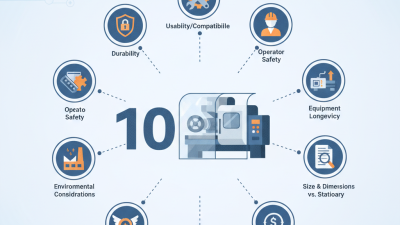
Why Choose Organ Protective Bellows Cover for Your Equipment?
In the world of industrial machinery, protecting equipment is paramount. Organ Protective Bellows Covers serve as a crucial barrier against contaminants, moisture, and mechanical wear. According to a recent industry report by Machining World, 78% of equipment failures are linked to environmental factors. This statistic underscores the importance of effective protective measures in extending equipment lifespan.
Expert Amanda Riggs, a leader in equipment maintenance strategies, states, "The right protective solutions, like Organ Protective Bellows Covers, can prevent catastrophic failures and save costs." Her insights reflect the growing recognition of the need for robust protection.
While these covers are highly effective, not all applications require them. Choosing the right material and design necessitates careful consideration. This decision can profoundly impact the efficiency and reliability of machinery. Proper evaluation can lead to better outcomes, yet many industries still overlook this crucial step. Addressing these gaps can optimize productivity and minimize downtime.
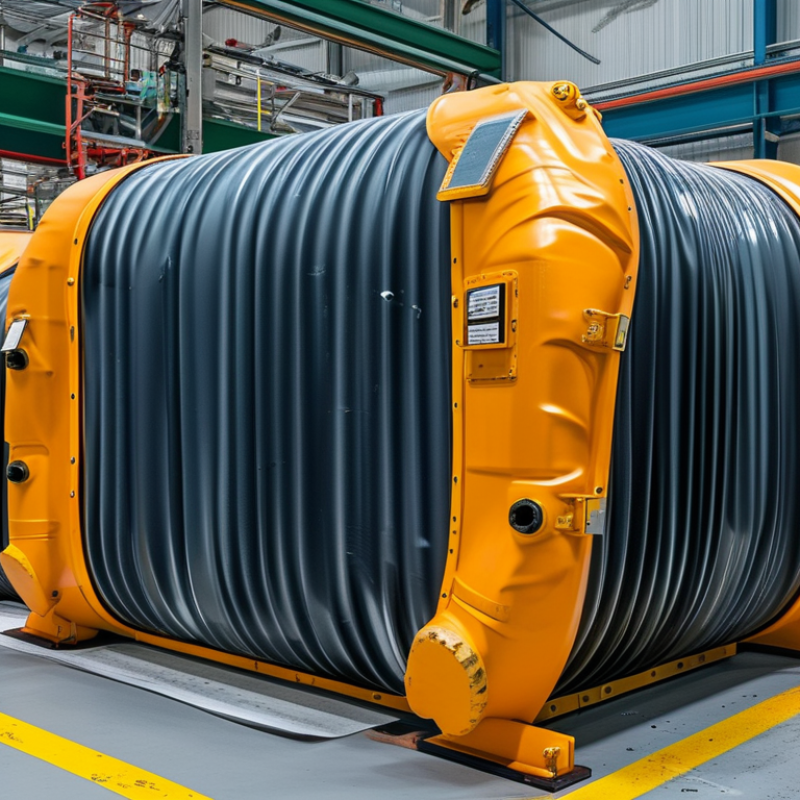
Benefits of Using Organ Protective Bellows Covers
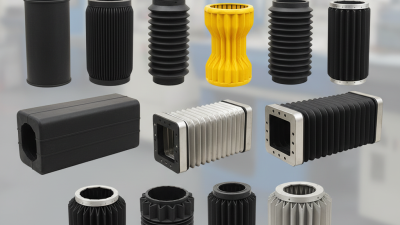
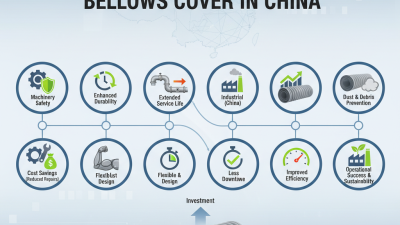
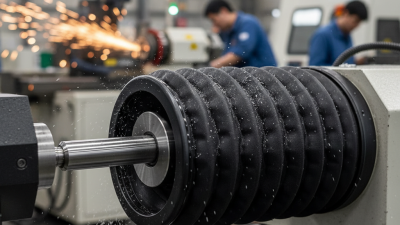
Organ protective bellows covers are essential for various industrial applications. These covers shield equipment from dust, debris, and moisture, which can significantly affect performance. They act as a barrier, maintaining the integrity of machinery parts. This helps to extend the lifespan of equipment, reducing maintenance costs.
Using these bellows covers also improves safety in the workplace. They prevent accidents caused by moving parts and provide protection against high temperatures. When operators can work without distractions, productivity increases. These covers come in various materials, ensuring compatibility with different equipment. It's crucial to choose the right material based on the specific environment to maximize protection.
Additionally, the installation of organ protective bellows covers is not always flawless. Some may struggle with fitting during the initial application. Periodic checks are necessary to ensure they remain securely in place. Regular maintenance can be overlooked, potentially leading to wear. Nevertheless, the benefits they provide—such as enhanced protection and safety—outweigh these challenges. Properly implemented, these covers can make a significant difference in operational efficiency.
Types of Equipment That Require Protection
When it comes to equipment protection, organ protective bellows covers are essential for various machinery. According to a recent industry report, over 30% of equipment failures stem from environmental contaminants. This statistic highlights the need for robust protective solutions. Bellows covers effectively shield machine components from dust, debris, and moisture, prolonging their lifespan and maintaining optimal performance.
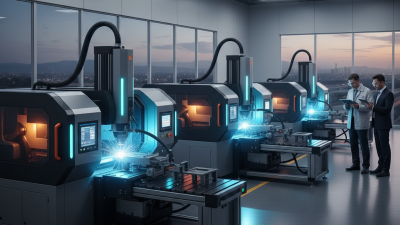
Industries like manufacturing, aerospace, and automotive rely heavily on precision equipment. For example, CNC machines, which are vital in these sectors, can experience significant downtime due to unprotected parts. Research shows that unprotected machines can incur repair costs up to 25% of their total value annually. Protective covers serve as a cost-effective solution to this challenge. They not only enhance machine reliability but also reduce maintenance frequency.
Moreover, equipment used in harsh environments, such as construction and mining, also benefits from these covers. Exposure to grit and temperature variations can lead to rapid wear. A study found that equipment operating in extreme conditions without proper protection might fail prematurely by 40%. Investing in organ protective bellows covers mitigates such risks, ultimately serving as a critical component of an efficient operational strategy.
Why Choose Organ Protective Bellows Cover for Your Equipment? - Types of Equipment That Require Protection
| Equipment Type |
Protection Purpose |
Material Used |
Benefits |
| CNC Machines |
Prevent dust and debris accumulation |
Polyester fabric |
Increases lifespan of machinery |
| Robotic Arms |
Shielding from oil and coolant |
Neoprene |
Enhances mechanical reliability |
| Linear Guides |
Prevents contamination |
PVC coated fabric |
Improves precision and performance |
| Laboratory Equipment |
Protection from chemical spills |
Chemical-resistant fabric |
Increases safety of operation |
| Construction Equipment |
Protect from environmental elements |
Heavy-duty vinyl |
Reduces maintenance cost |
Material Choices for Organ Protective Bellows Covers
When selecting material for organ protective bellows covers, various factors come into play. The material needs to provide maximum durability while ensuring flexibility. Commonly used materials include PVC, polyurethane, and silicone rubber. Each offers unique benefits that cater to different environments and applications. For example, polyurethane bellows are known for their superior tear resistance, making them ideal for heavy-duty machinery. Research indicates that these materials can enhance the lifespan of equipment by up to 30%.
Environmental conditions also shape material choices. If the equipment operates in extreme temperatures, specialized materials are crucial. Certain compounds maintain their integrity better under intense heat or cold. For instance, silicone rubber remains stable in temperatures ranging from -60°F to 500°F. However, it can be expensive, requiring careful budgeting. Data from industry reports underline that investing in appropriate materials pays off in terms of reduced maintenance costs and improved equipment efficiency.
Despite numerous advantages, no material is without drawbacks. PVC, while cost-effective and versatile, can degrade faster in UV light. Manufacturers must evaluate these limitations against operational needs. Choices may feel overwhelming, yet understanding material properties and their implications can lead to effective decision-making. Addressing these factors can contribute significantly to the longevity and reliability of your equipment.
Material Choices for Organ Protective Bellows Covers
Installation and Maintenance Considerations
When considering organ protective bellows covers, installation is crucial. Proper installation ensures that the covers fit snugly, preventing dust and debris from entering machinery. Incorrectly installed covers may lead to equipment damage over time. Be mindful of alignment and secure fastening to enhance durability. Each cover type may have unique requirements, so it's important to follow guidelines specific to your application.
Maintenance is also a vital component. Regular inspections can help identify wear and tear before it leads to significant issues. Look for signs of fraying or cracking in the bellows material. Cleaning is essential; dust accumulation can compromise their effectiveness. Using a soft brush or cloth can help maintain the covers. It's easy to overlook maintenance, but this oversight can lead to costly repairs down the line. Prioritize both installation and maintenance to prolong the life of your equipment.
Cost-Effectiveness of Bellows Covers in Equipment Longevity
When discussing the cost-effectiveness of organ protective bellows covers, the impact on equipment longevity is paramount. These covers act as a shield against dust, debris, and environmental factors. Research shows that equipment without protective covers can experience a 30% reduction in lifespan. Regular wear from contaminants can lead to costly repairs and downtime.
Investing in bellows covers can significantly reduce maintenance costs. A study by the Industrial Fabric Association International revealed that businesses can save up to 25% on equipment repairs over five years with proper protective measures. This longevity not only decreases repair frequency but also enhances overall operational efficiency. A well-protected machine performs better and requires fewer replacements.
It is crucial to recognize that not all bellows covers are the same. Some materials may degrade faster under specific conditions. Careful selection based on equipment type and working environment is essential. Ignoring these factors could lead to unexpected failures. Therefore, assessing the right quality and fit for your equipment not only protects it but also contributes to sustained savings in the long run.

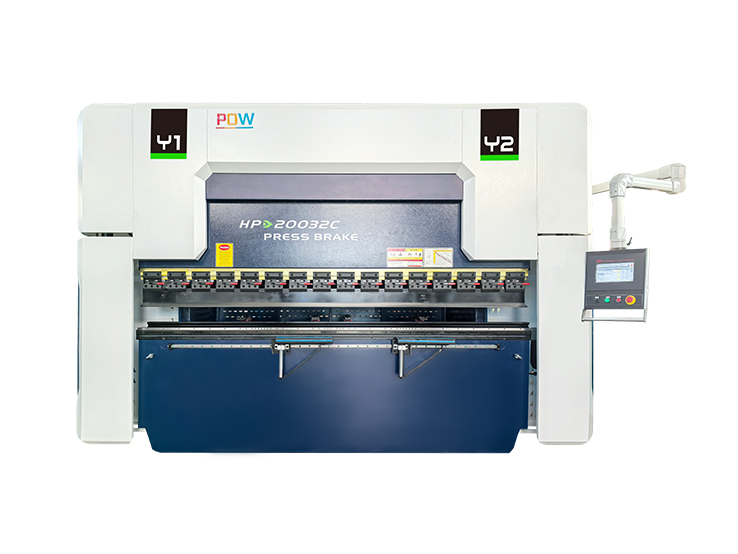 Press Brake
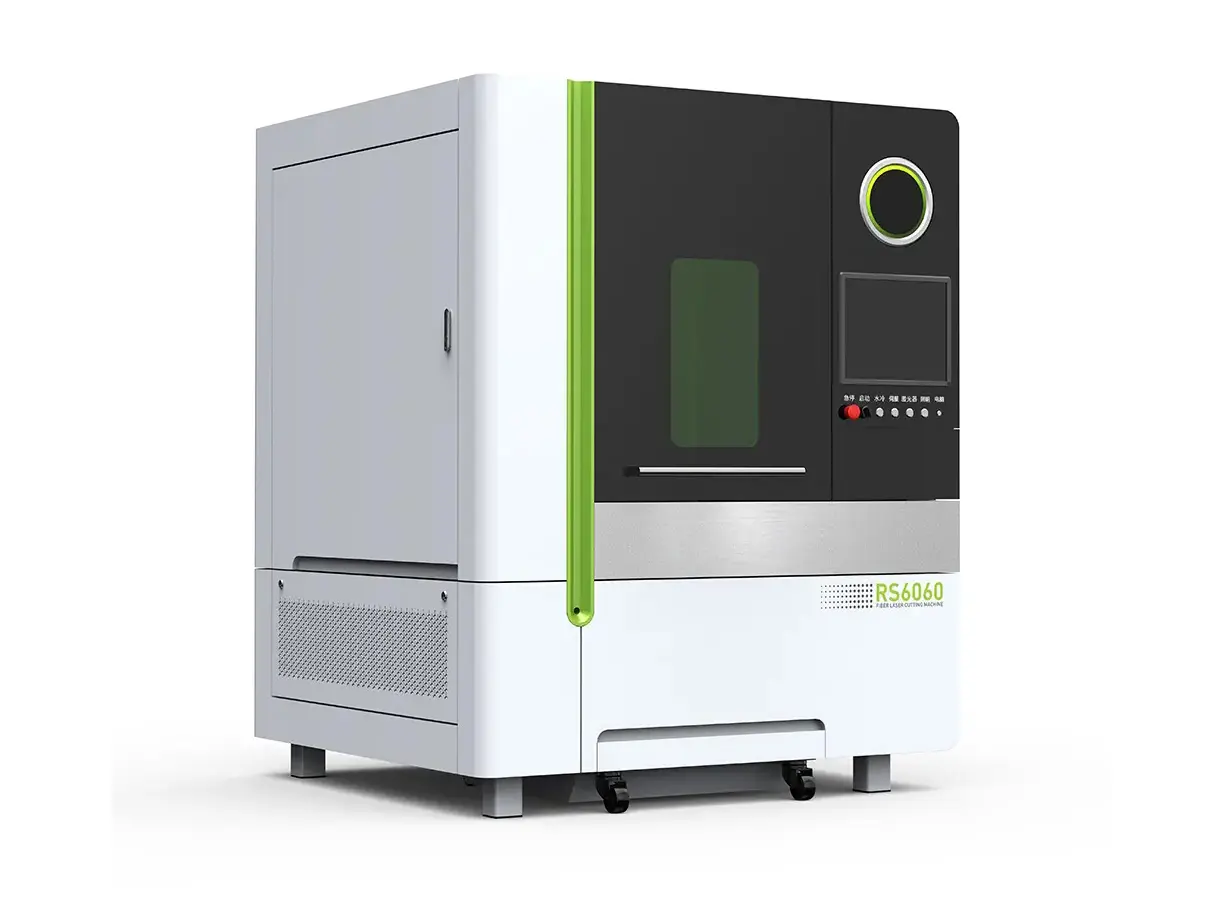 CNC Laser
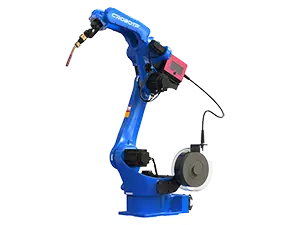 Industry Robot
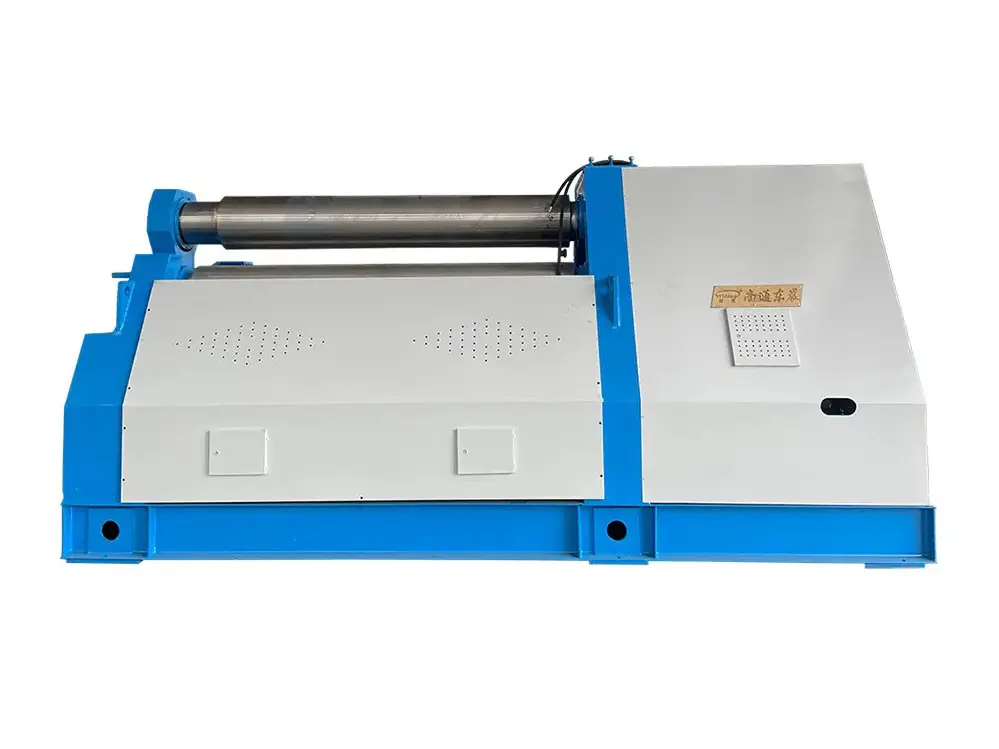 Plate Rolling Machine
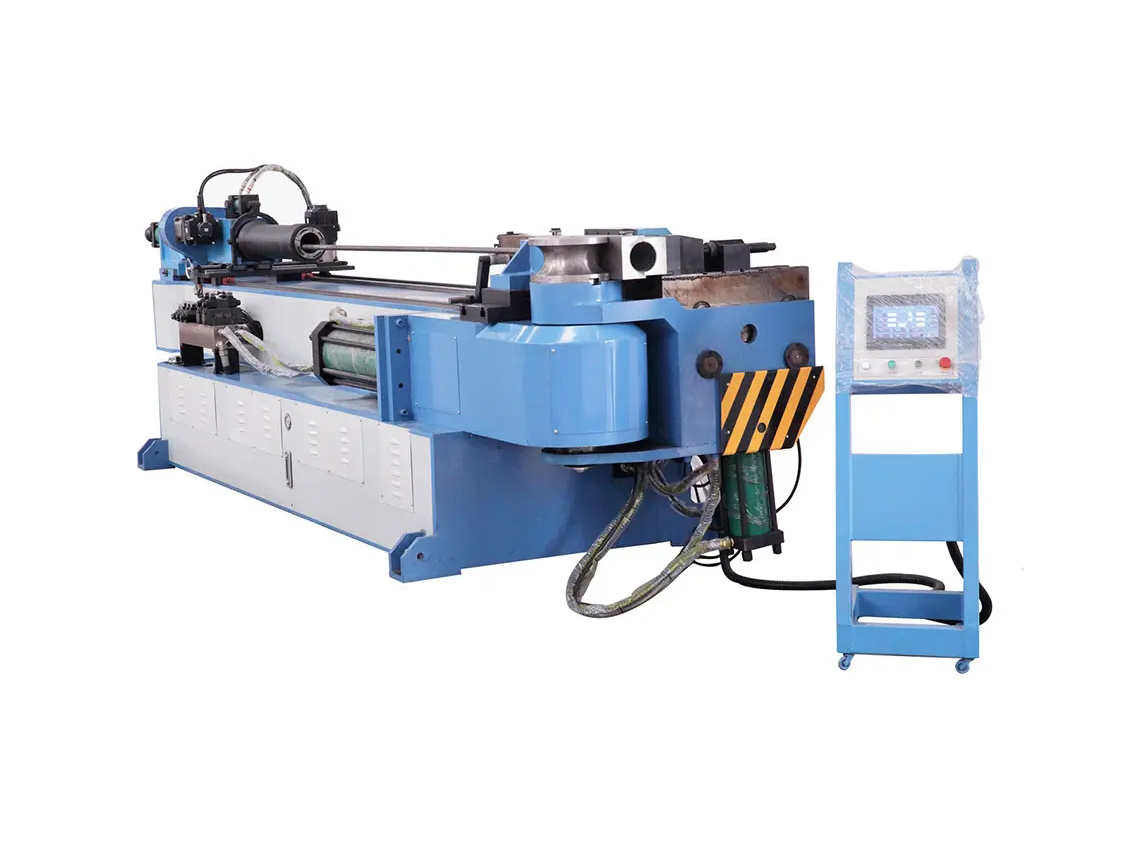 Tube Bending Machine
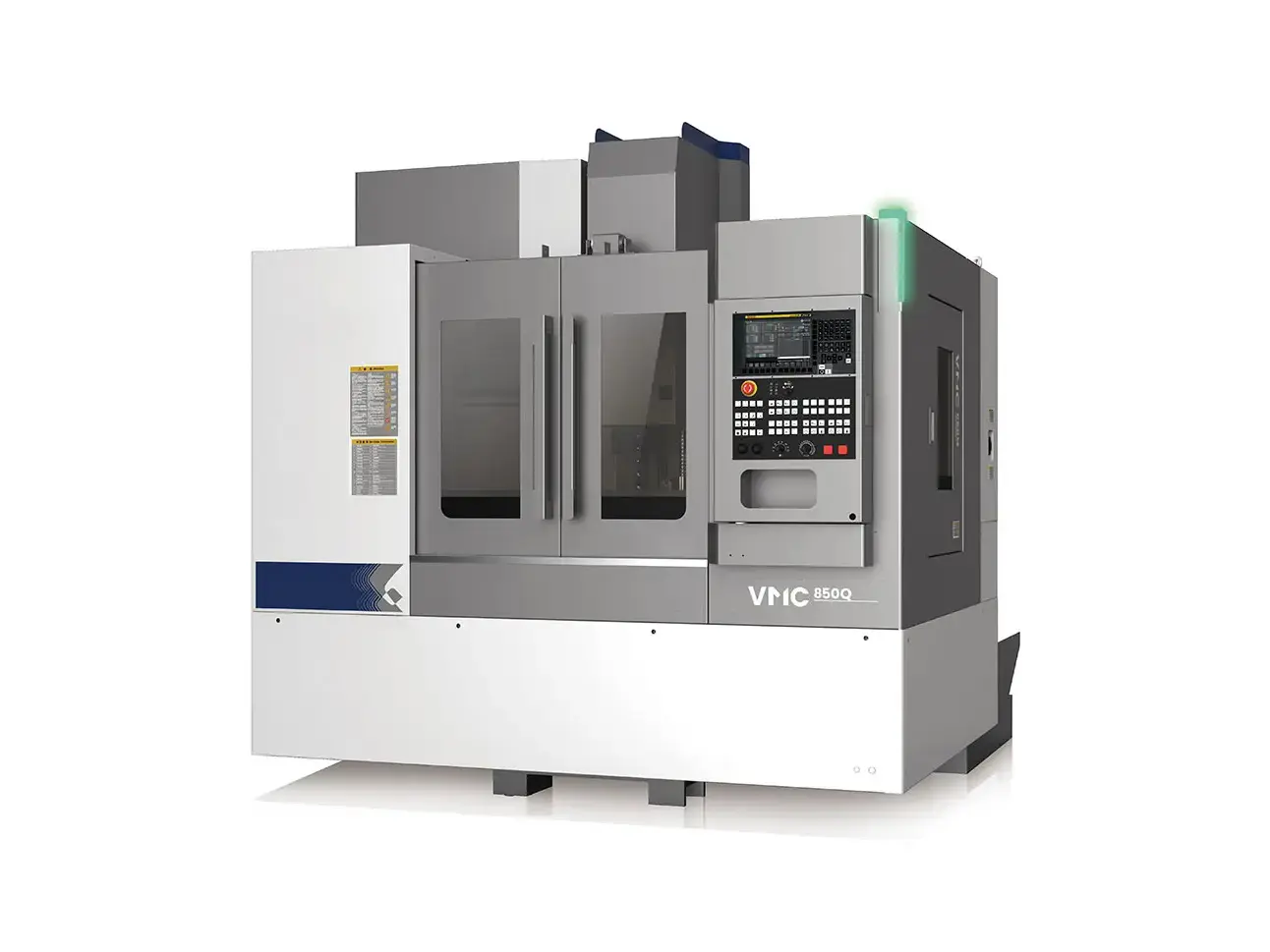 Lathe and Machining Center
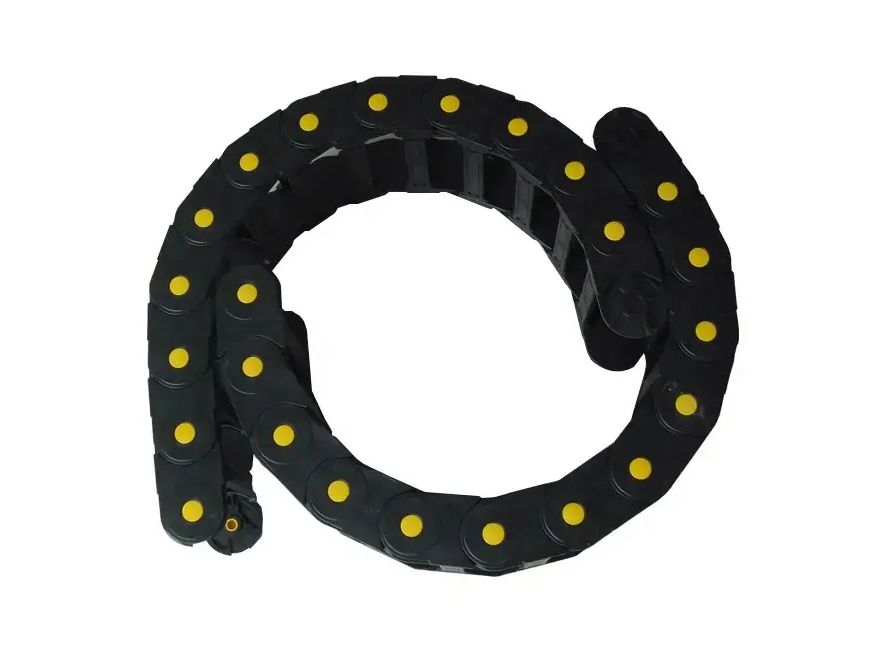 Machine Protection Products