What is Organ Protective Bellows Cover Benefits and Applications?
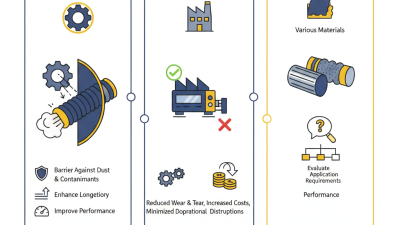
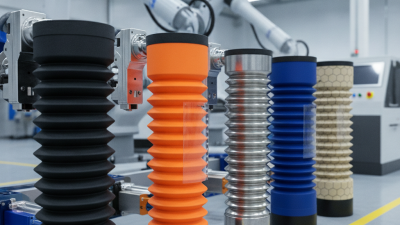
The Organ Protective Bellows Cover is an essential component across various industries. Its primary function is to shield machinery and components from environmental hazards. This protective cover prevents dust, dirt, and moisture from affecting delicate parts, ensuring their longevity and performance.
In industries like manufacturing and robotics, the Organ Protective Bellows Cover plays a critical role. It protects moving parts from wear and tear, which can result from exposure to harsh conditions. High-quality materials enhance its durability. However, choosing the wrong type may lead to rapid degradation, necessitating careful selection.
Applications extend beyond just machinery. They are useful in medical equipment, automotive industries, and robotics. Each application has its unique requirements. It's important to assess these needs thoroughly for optimal protection. While the benefits are clear, understanding the limits of organ protective covers is essential to avoid potential pitfalls in maintenance and operation.

What are Organ Protective Bellows Covers and Their Key Features?
Organ protective bellows covers are vital components in various industries. They serve to shield sensitive equipment from dust, debris, and harsh environmental conditions. Their design often incorporates flexible materials, allowing them to accommodate different movements while maintaining protection. A report by the Industrial Fabrics Association International states that equipment downtime can be reduced by up to 40% with proper protective measures. This highlights the value of using bellows covers effectively.
Key features of organ protective bellows covers include their resistance to chemicals and UV exposure, ensuring durability in demanding environments. Their ability to withstand temperature variations enhances their reliability across different applications. According to a recent study from the National Safety Council, failures due to unprotected machinery result in millions of dollars in losses annually. Properly designed bellows can mitigate these risks.
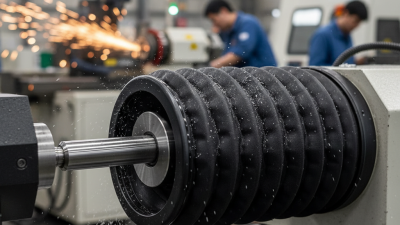
In practical terms, bellows covers can be applied in diverse fields such as automotive, aerospace, and manufacturing. For example, in machining operations, these covers prevent metal shavings from interfering with delicate components. Despite their effectiveness, some organizations overlook maintenance. This can lead to early wear and reduced efficiency. Balancing protection and regular inspection is crucial for optimizing their lifespan.
Advantages of Using Organ Protective Bellows Covers in Industrial Settings
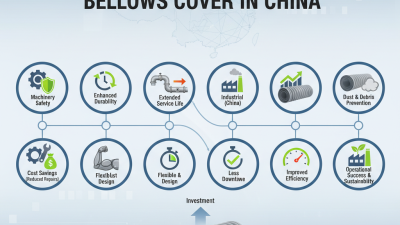
In industrial settings, organ protective bellows covers offer significant advantages. They shield critical components from dust, debris, and moisture. This protection enhances equipment longevity. Without these covers, machinery faces wear and tear. The costs of repairs and replacements can escalate quickly. Investing in bellows covers often results in lower maintenance expenses over time.
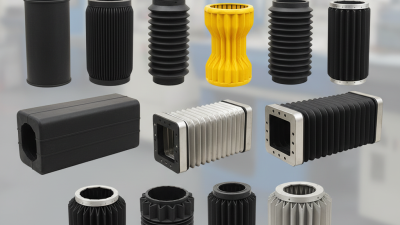
These covers are highly versatile. They can be used in various applications, from CNC machines to robotic arms. Their flexibility allows easy installation in tight spaces. However, some users may find it challenging to choose the right material. Different environments require specific types of protection. It’s essential to evaluate the operational conditions carefully.
While organ protective bellows covers generally perform well, there are factors to consider. Regular inspection is crucial to ensure they remain effective. Wear may occur in high-friction areas. Users should address these issues promptly to maintain efficiency. Implementing a maintenance routine can sometimes be overlooked. A proactive approach to care leads to better performance in equipment lifespan.
Benefits of Organ Protective Bellows Covers
This bar chart illustrates the various benefits of using Organ Protective Bellows Covers in industrial settings, rated on a scale from 1 to 10. The protective covers excel in providing durability, contaminant protection, and versatility, making them a beneficial addition to industrial applications.
How Organ Protective Bellows Covers Enhance Equipment Longevity and Safety
Organ protective bellows covers play a crucial role in enhancing equipment longevity and safety. These covers shield sensitive machine parts from debris, dust, and moisture. A study from the Machinery Maintenance Institute shows that equipment exposed to contaminants faces a 30% reduction in lifespan. Bellows covers, therefore, become essential in environments like manufacturing and robotics where exposure to harsh conditions is common.
The design of organ protective bellows allows for flexibility and protection simultaneously. They can absorb shocks and vibrations, reducing wear on moving parts. Reports indicate that applying bellows covers can decrease maintenance costs by up to 25%. This translates to less downtime and improved productivity. However, it’s important to note that choosing the right material is vital. Inadequate materials might wear out quickly, leading to increased frustrations.
Moreover, a recent survey revealed that nearly 40% of maintenance professionals believe proper protective covers are often overlooked in equipment design. This oversight can lead to severe safety hazards, especially in high-speed operations. By prioritizing organ protective bellows covers, companies can create safer workspaces and extend the operational life of machinery. This consideration could serve as a wake-up call for industries aiming to enhance safety and efficiency.
Industry Applications of Organ Protective Bellows Covers in Manufacturing
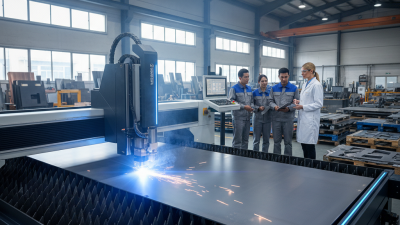
Organ protective bellows covers are essential in various manufacturing sectors. They shield machinery from dust and debris. This is crucial for maintaining equipment. Protecting components reduces wear and tear. Less maintenance translates to lower costs. Companies benefit from increased efficiency and productivity.
In industries like aerospace and automotive, bellows covers play a vital role. They safeguard precision components during machining processes. The harsh environments can damage sensitive parts. Bellows covers prevent contaminants from interfering. This ensures that products meet strict quality standards. In robotics, these covers protect delicate sensors and actuators. Their flexibility allows for smooth movement without hindrance.
Despite their advantages, selecting the right material is crucial. Certain environments may require more durable options. Knowing the specific industry needs helps in making informed choices. There is always room for improvement regarding durability and performance. Organizations must continually evaluate their protective measures to ensure optimal functionality.
Comparative Analysis: Organ Protective Bellows vs. Traditional Covers
When comparing organ protective bellows covers to traditional covers, several factors come into play. The versatility of bellows covers significantly enhances machine lifespan in various industries, including manufacturing and aerospace. According to a recent industry report, maintenance costs can be reduced by up to 30% when switching from traditional covers to bellows designs. This reduction stems from the bellows' ability to provide a tighter seal, preventing abrasive particles from entering critical components.
In contrast, traditional covers often suffer from wear and tear. They can become rigid, losing flexibility over time. This can lead to gaps where contaminants may intrude. A comparative study highlighted that nearly 45% of traditional covers fail within the first two years, directly impacting machinery reliability. The durability of bellows covers often stands out, with a lifespan increase of 20% to 50%, based on material choices alone.
While bellows covers bring advantages, they are not without flaws. Installation may pose challenges, requiring precise alignment. Misalignment can negate their protective benefits. This aspect should prompt careful consideration during implementation. The choice between these two options hinges not only on efficiency but also on the specific application and operational context.

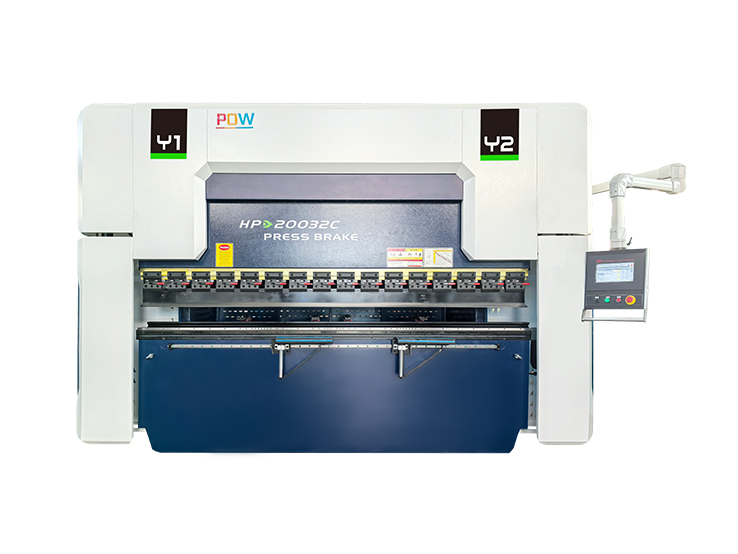 Press Brake
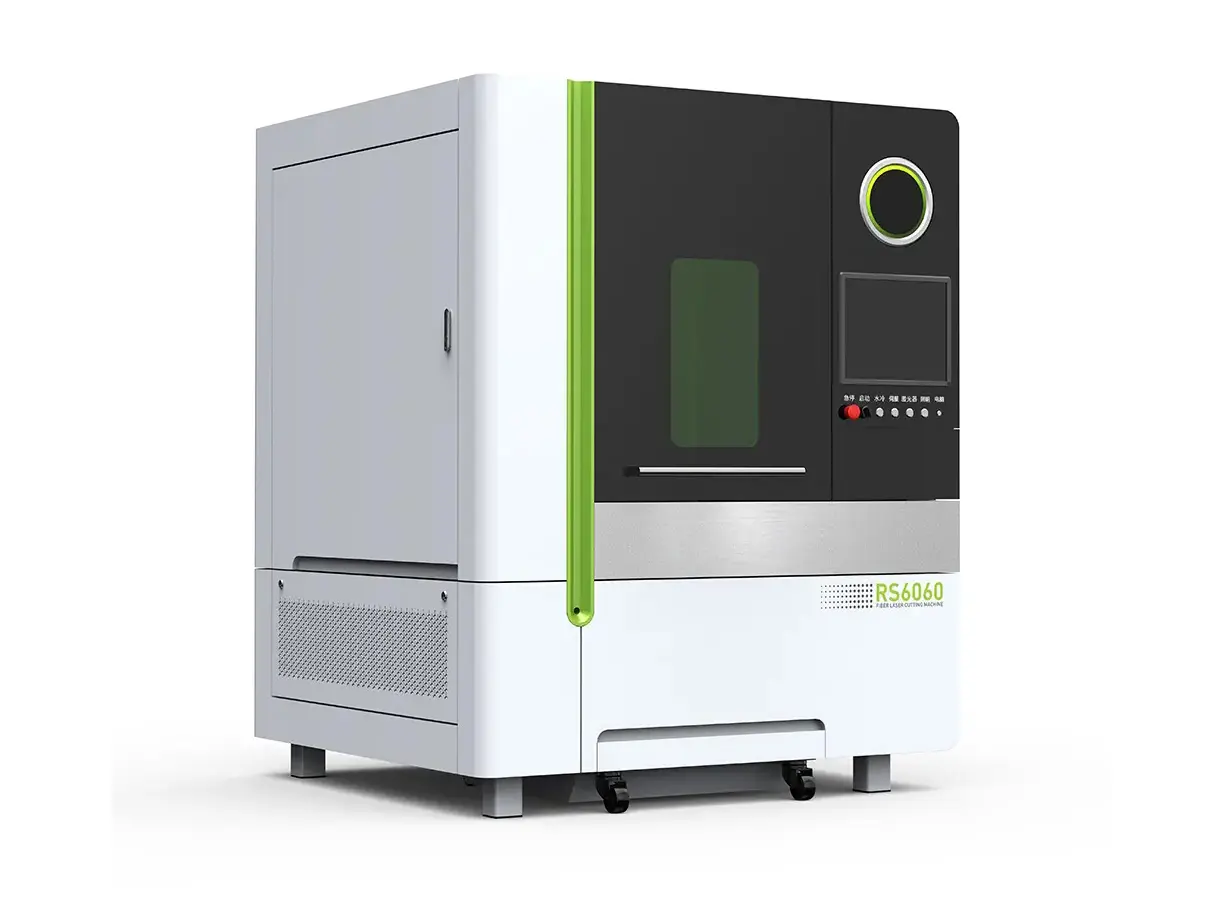 CNC Laser
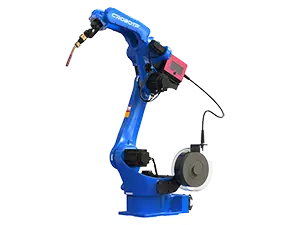 Industry Robot
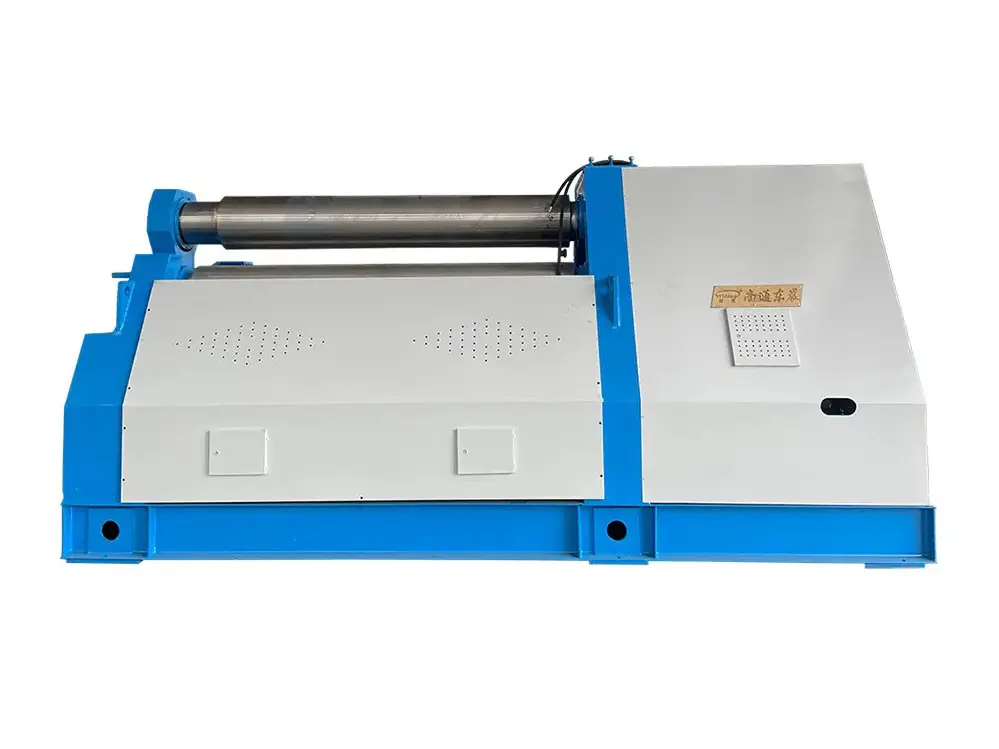 Plate Rolling Machine
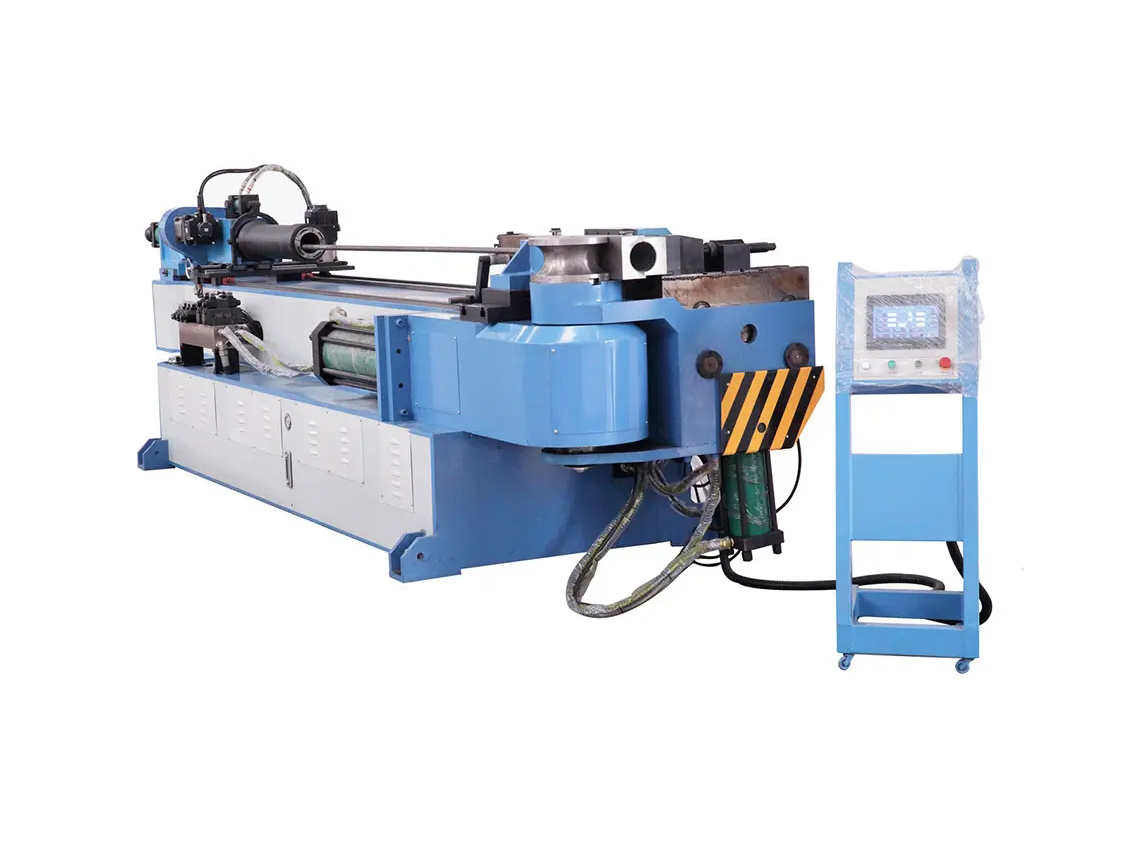 Tube Bending Machine
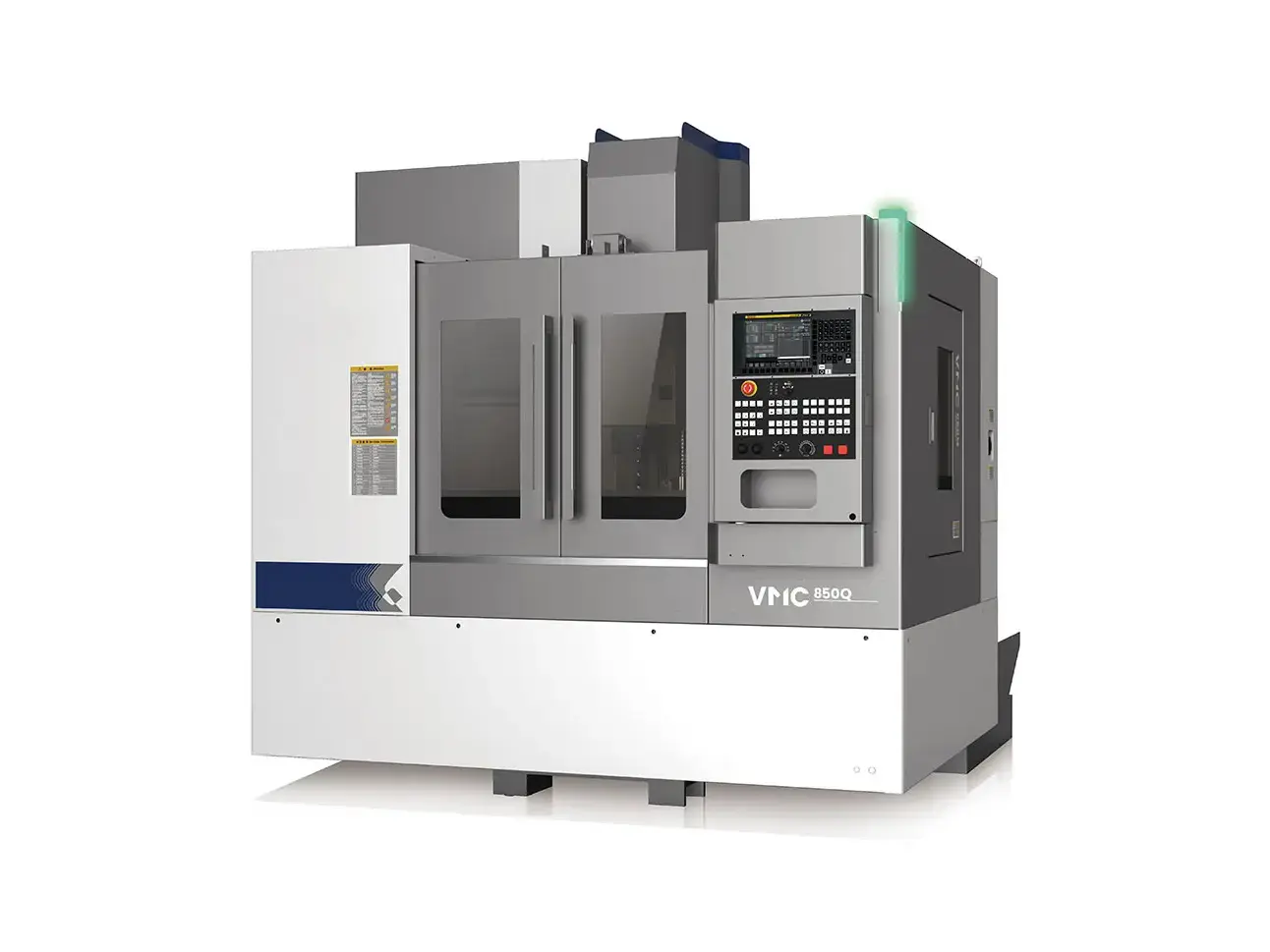 Lathe and Machining Center
 Machine Protection Products