Top Tips for Choosing the Best Fiber Laser Cutter for Your Business?
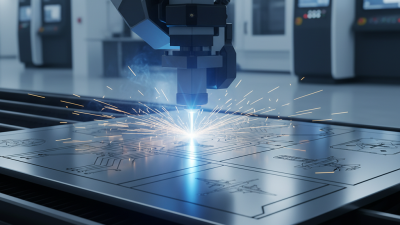
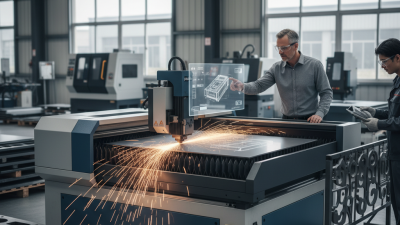
Choosing the right Fiber Laser Cutter can significantly impact your business's production efficiency and cost. Industry expert Dr. Emily Hartman emphasizes, “A quality Fiber Laser Cutter can transform your manufacturing process.” This insight underscores the importance of careful selection.
In today’s competitive landscape, understanding the features of a Fiber Laser Cutter is essential. Businesses need a reliable machine that meets specific cutting requirements. Factors such as power output, cutting speed, and material compatibility matter greatly. Many buyers overlook maintenance and support options, which are critical for long-term use. Investing in a Fiber Laser Cutter without considering these aspects can lead to costly mistakes.
Furthermore, it's beneficial to evaluate your operational needs before purchasing. Some features may seem appealing but might not be relevant to your work. Engaging with experts and reading user reviews can help clarify your choices. There is no one-size-fits-all solution. Thus, reflecting on your business goals is crucial when selecting a Fiber Laser Cutter for optimal performance.
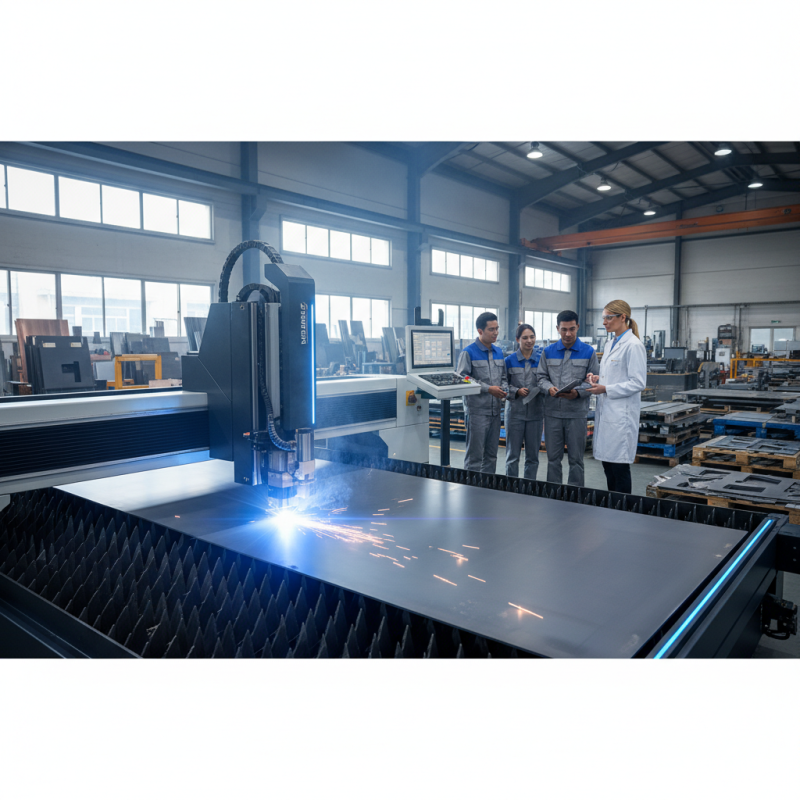
Understanding the Different Types of Fiber Laser Cutters Available
When choosing a fiber laser cutter, understanding the different types available is crucial. Each type serves unique purposes, tailored to specific materials and industries. Generally, fiber laser cutters can be categorized into three main types: open type, closed type, and all-in-one systems. Open types are versatile and great for smaller operations, but they lack safety features. Closed types provide better protection and are ideal for larger-scale production. However, these can be more expensive.
All-in-one systems combine cutting, engraving, and marking. They are suitable for businesses that need versatility. These systems often require a larger investment. Yet, they save space and increase efficiency. It's essential to assess your production needs carefully. Reflect on your budget and the materials you plan to work with. That’s where the decision-making becomes tricky.
There may be trade-offs with each option. For example, while a closed system offers higher safety, it might limit accessibility. Open systems can be easier to maintain but pose risks. The right choice usually narrows down to a balance between budget, safety, and production capacity. Each business may face unique challenges, and it’s vital to reflect on them before making a choice.
Evaluating Cutting Speed and Power Requirements for Your Business Needs
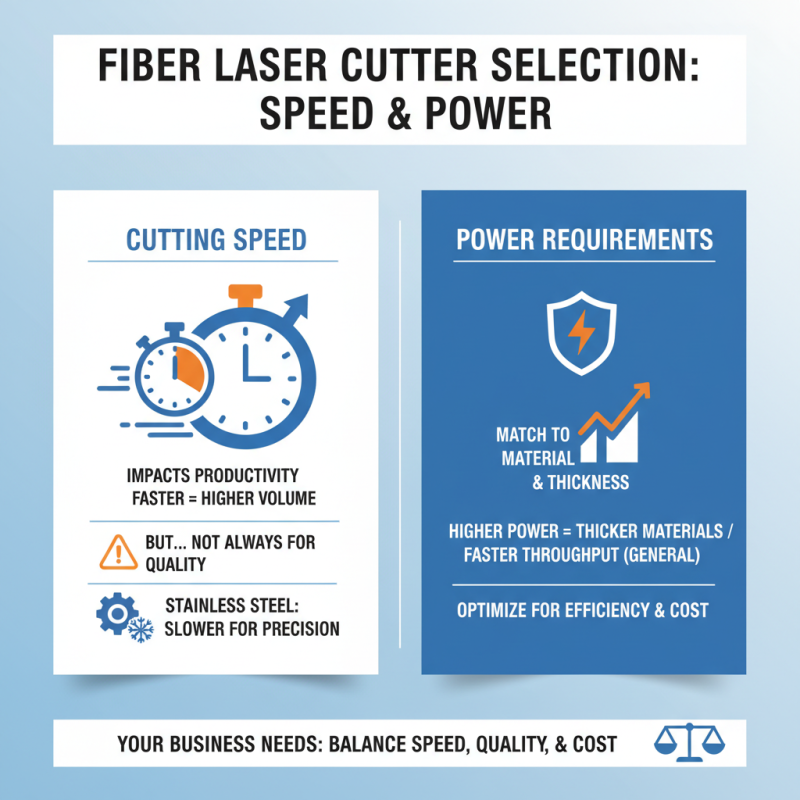
When selecting a fiber laser cutter, assessing cutting speed and power requirements is crucial. Cutting speed directly impacts productivity. A faster machine can handle larger volumes. However, high speed doesn’t always mean quality. Materials like stainless steel may need slower speeds for precision cuts.
Power requirements vary with material types. A 500-watt laser may suffice for thin sheets, but thicker materials often require 1,000 watts or more. Insufficient power will lead to poor cuts or insufficient penetration. Users must analyze their most common tasks and future projects to determine the appropriate power level.
Consider the trade-offs. Investing in higher power might increase initial costs but could enhance long-term efficiency. Conversely, a lower-powered cutter might require more post-processing, which adds extra steps. Identifying the perfect balance involves understanding business needs and customer expectations deeply. It's worth reflecting on operational goals before making a final decision.
Analyzing Material Compatibility: Which Materials Will You Cut?
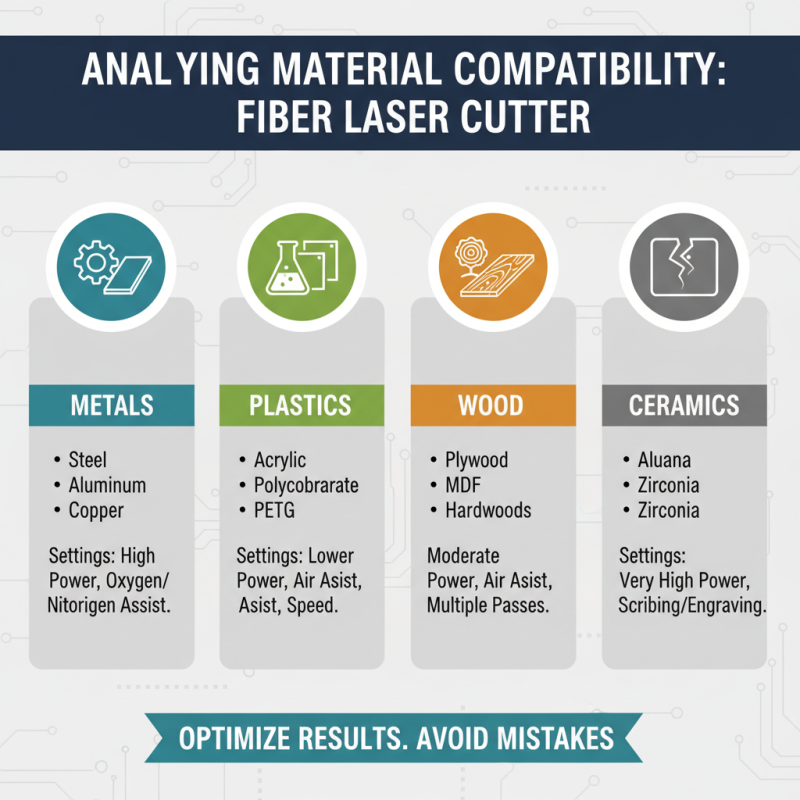
When selecting a fiber laser cutter, material compatibility is crucial. Different materials react differently to laser cutting. Commonly processed materials include metals, plastics, wood, and ceramics. Each material requires specific settings for optimal results. Understanding these requirements helps avoid costly mistakes and improves efficiency.
Studies suggest that fiber laser cutters perform exceptionally well with metals like stainless steel and aluminum. According to a market report, fiber lasers can cut materials up to 20 mm thick with precision. This capability enhances production speed and quality. However, cutting softer materials like acrylic might require adjustments to avoid melting or burn marks.
Choosing the right laser cutter involves matching capabilities with your business needs. For instance, if you aim to cut thick plastics, consider a machine with higher wattage. Additionally, testing smaller samples can provide insight into how materials will behave during production. Crafting a well-thought-out material strategy can prevent future challenges.
Considering Budget and Cost of Ownership for Fiber Laser Cutters
Choosing the right fiber laser cutter involves careful financial consideration. The cost of ownership encompasses not only the initial investment but also maintenance and operational costs. According to industry research, the average price for a quality fiber laser cutter ranges from $60,000 to $200,000. These machines often have longer lifespans than traditional cutters, with many lasting over 10 years with proper care.
Budgeting for ownership costs is crucial. Many operators report annual maintenance costs between $2,000 and $5,000. This can vary based on usage and the complexity of the cutter. Additionally, energy consumption plays a significant role. Fiber lasers are reported to be more energy-efficient, using up to 50% less electricity than CO2 lasers. This can lead to substantial savings over time.
When evaluating a purchase, consider the total cost of ownership. This includes not just buying price and maintenance but also the potential for increased productivity. Many business owners find that the enhanced cutting speed and precision of fiber lasers can offset initial costs. However, it’s essential to analyze projected expenses versus savings accurately. Understanding this balance can guide businesses in making informed decisions.
Examining Maintenance and Support Options for Long-Term Use
When selecting a fiber laser cutter for your business, maintenance and support are crucial factors. According to industry reports, around 70% of operational issues stem from inadequate maintenance. Regular upkeep can significantly extend the life of your equipment. Ensure you have a solid plan in place to handle regular check-ups and servicing.
One tip is to look for machines that offer robust support options. This can include 24/7 technical assistance or an online knowledge base. A reliable support team can reduce downtime. Many companies report up to a 30% decrease in productivity due to equipment failures without proper support systems.
Consider user reviews and testimonials too. They often highlight the manufacturer's responsiveness and the quality of their after-sales service. Be wary of brands with negative feedback related to support. Such insights can guide your decision.
Investing in a cutter with excellent maintenance and support options is crucial for your long-term success in this competitive field.

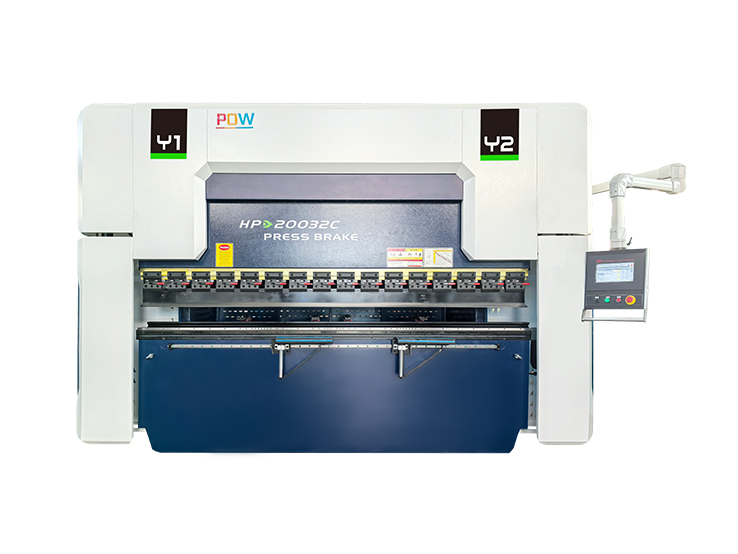 Press Brake
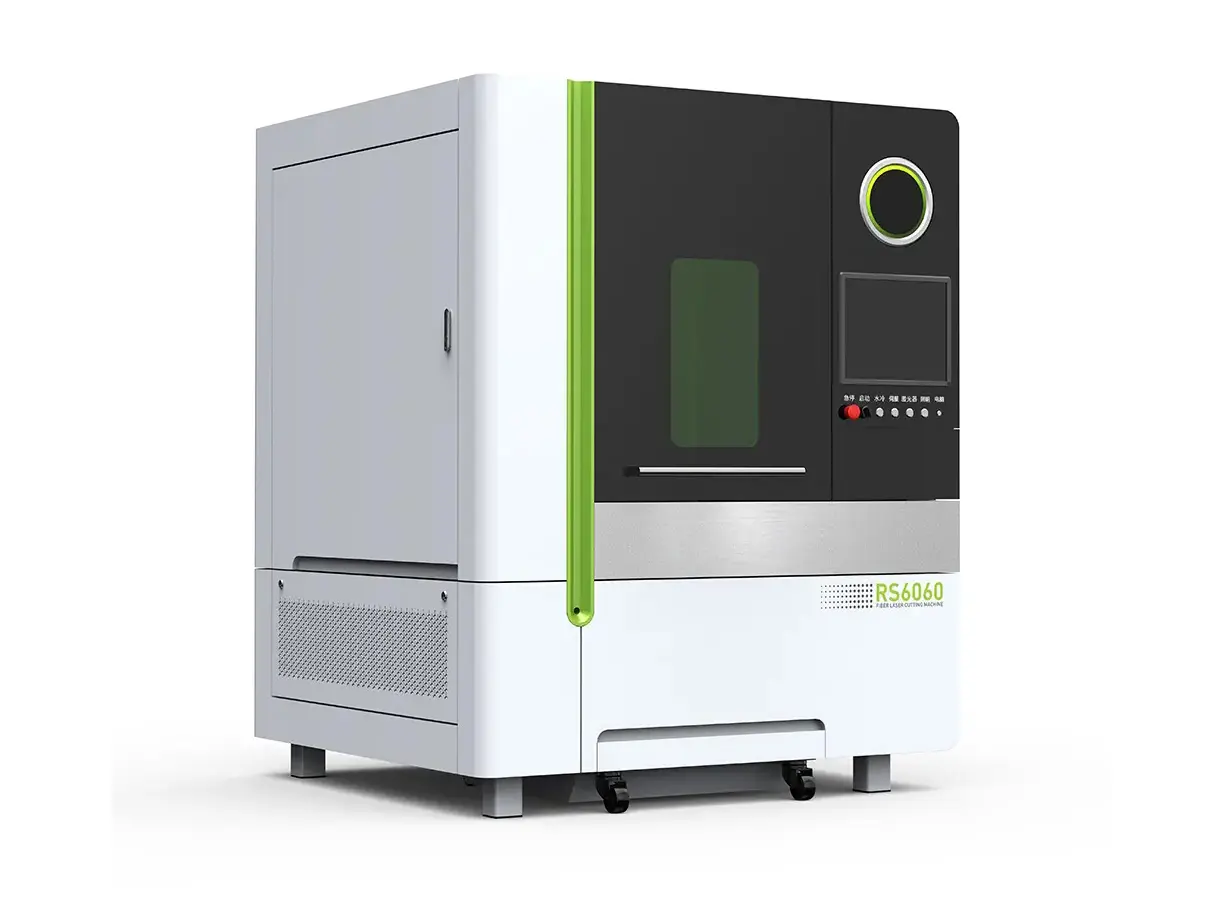 CNC Laser
 Industry Robot
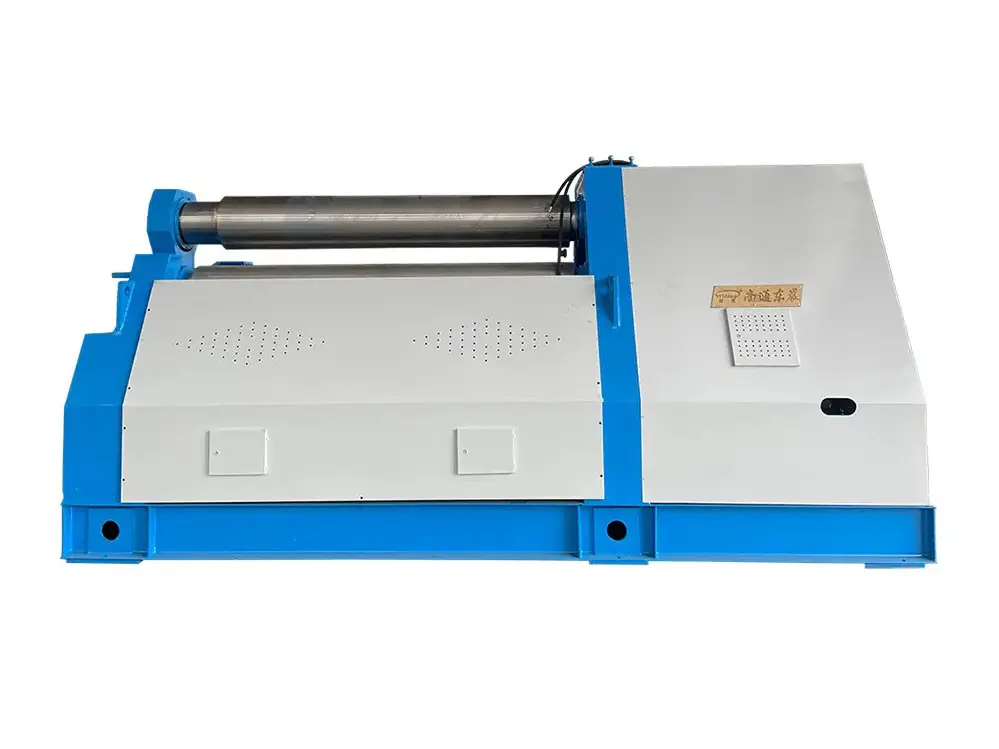 Plate Rolling Machine
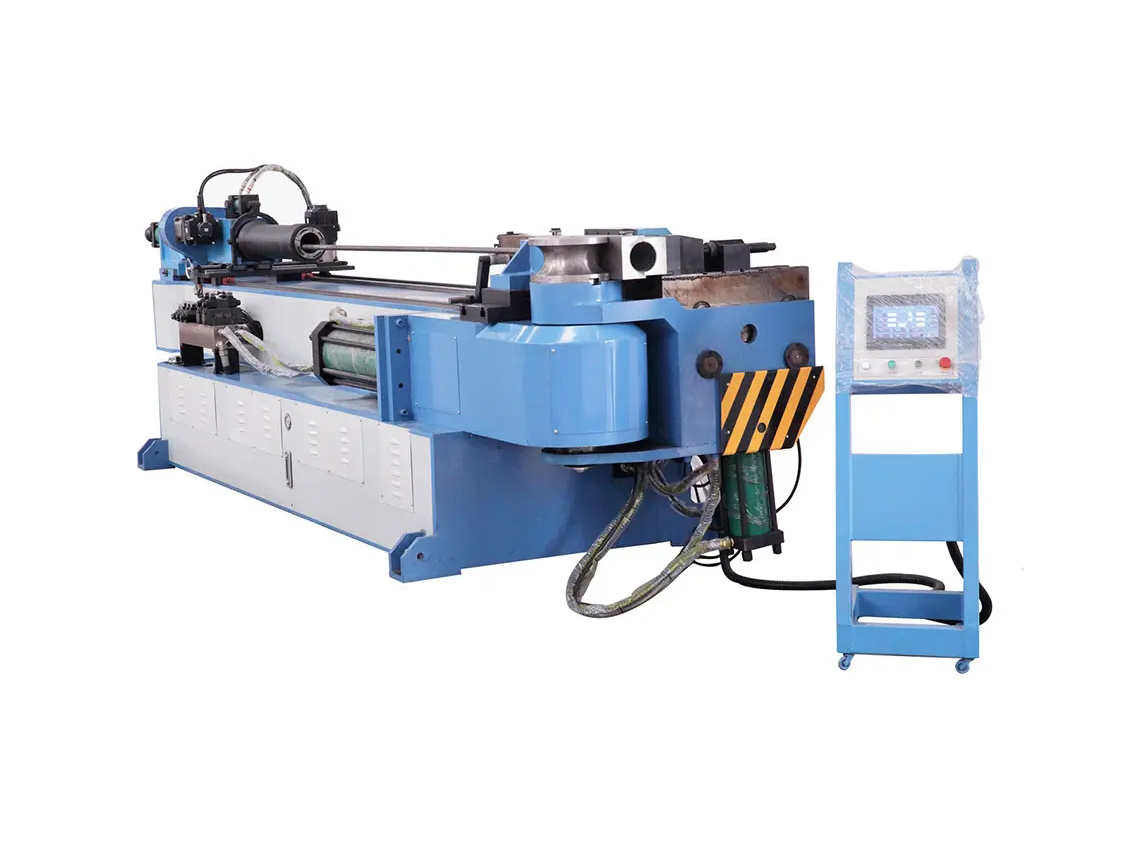 Tube Bending Machine
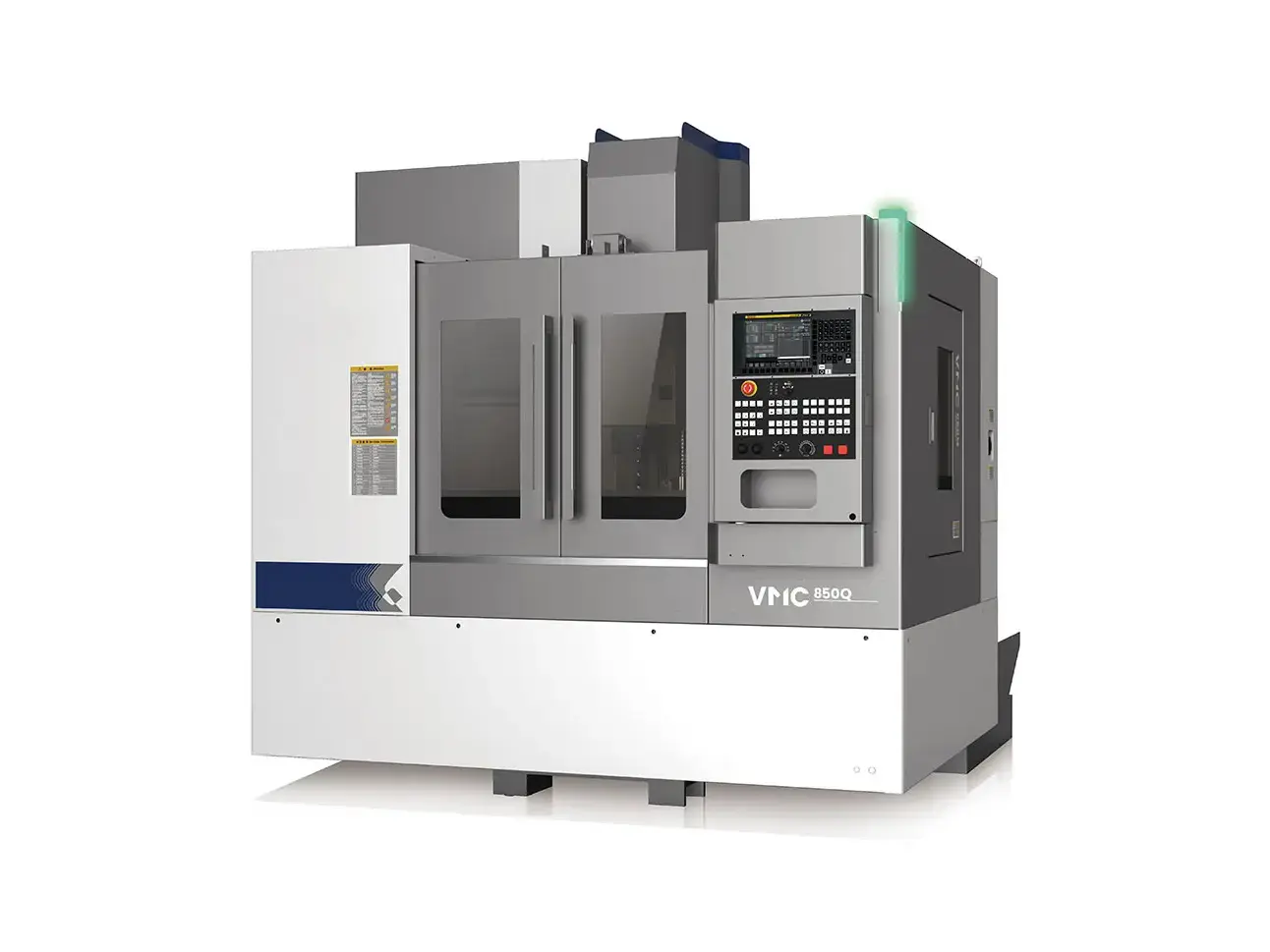 Lathe and Machining Center
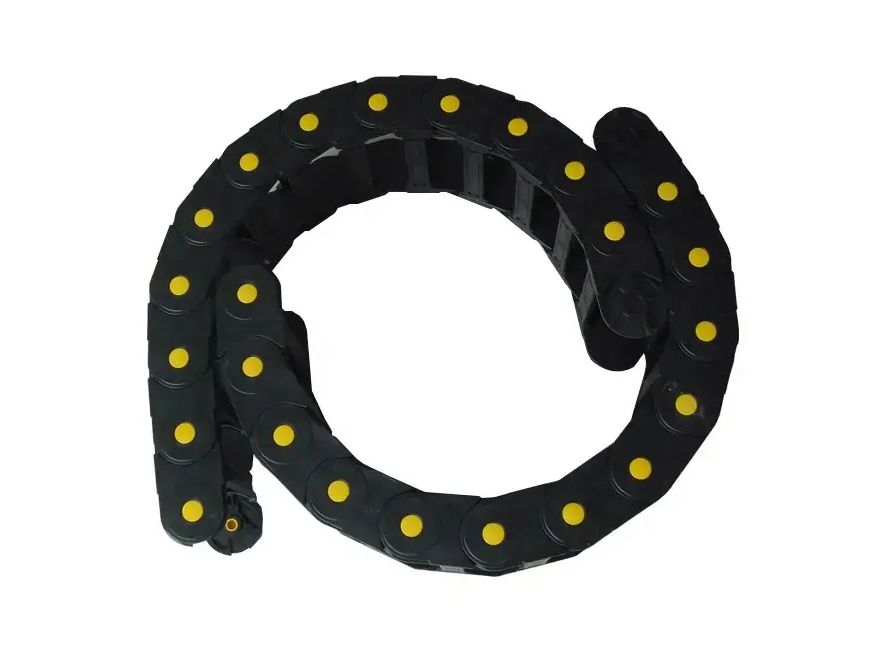 Machine Protection Products