Top 5 Tips for Choosing the Best Plastic Drag Chains?
Choosing the right Plastic Drag Chains is crucial for optimizing efficiency in machinery applications. A report by MarketsandMarkets highlights that the drag chain market is projected to grow by 5.2% annually. This growth underscores the increasing reliance on these components in automated systems. Since they protect cables and hoses, they enhance both safety and longevity in industrial settings.
Selecting high-quality Plastic Drag Chains can prevent costly downtime. The performance varies significantly among brands and materials. Studies suggest that inappropriate choices can lead to wear and eventual failure. For instance, inadequate chain flexibility can result in cable damage or misalignment. This can disrupt operations, costing industries valuable time and resources.
Understanding specific requirements is essential. Factors such as environment, load capacity, and bend radius are critical. Every application has unique demands, and what works in one scenario may not in another. Hence, careful assessment is necessary to avoid pitfalls. Making a well-informed decision can improve performance and reduce long-term costs.
Understanding the Purpose of Plastic Drag Chains in Mechanical Systems
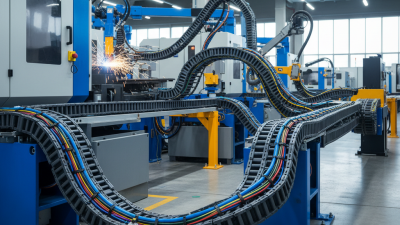
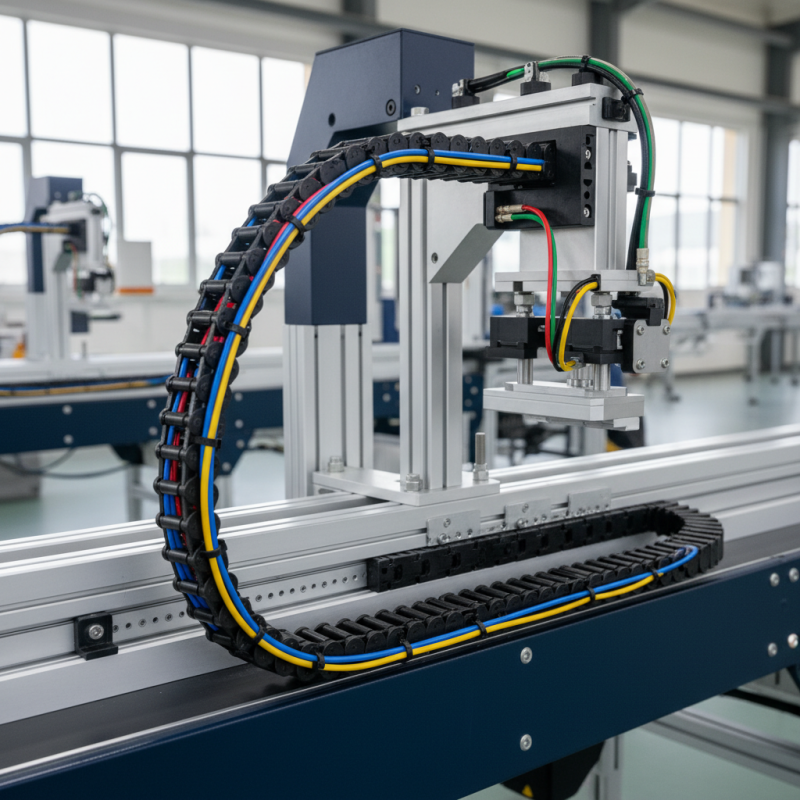
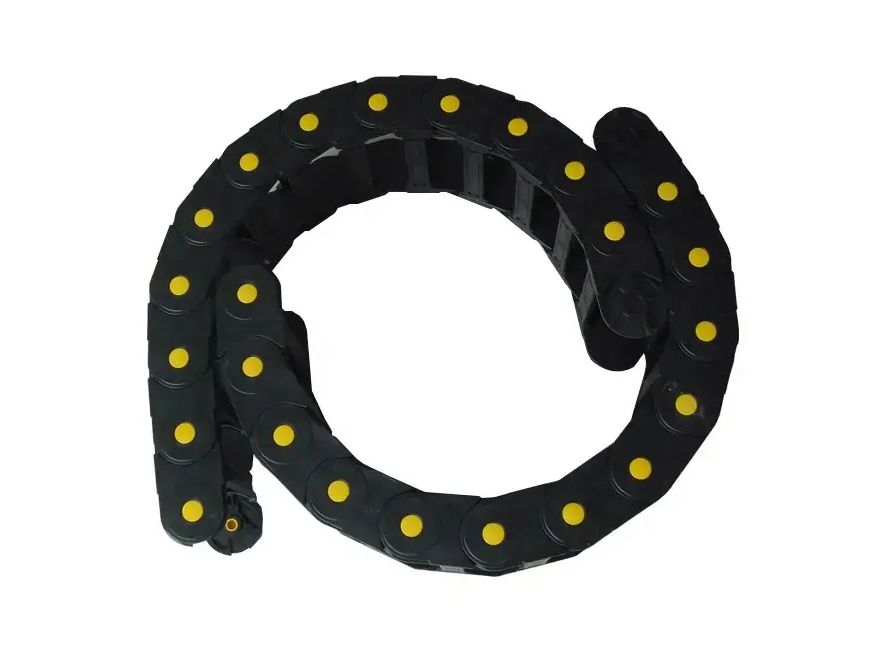
Plastic drag chains play a crucial role in mechanical systems. They organize and protect cables, hoses, and tubes. By keeping these components neatly housed, drag chains prevent tangling and wear. This leads to longer equipment life. In manufacturing environments, this efficiency is vital. A well-functioning drag chain can enhance productivity.
When choosing a plastic drag chain, consider material quality. Different materials offer varying durability and flexibility. Look for options that withstand stress and environmental factors. Find a balance between stiffness and flexibility to suit your machinery. Regularly assess wear and tear on your chosen drag chain. It’s essential for maintaining optimal performance.
Another tip involves the chain's size and design. Make sure it fits the machine's operational needs. Assess dimensions carefully to avoid installation headaches. Design plays a critical role in the chain's ability to bend without damaging contents. A well-designed chain promotes simplicity and ease of movement. Always seek solutions that best align with your specific application.
Evaluating Material Quality and Durability of Plastic Drag Chains
When selecting plastic drag chains, the quality of material is paramount. Durable plastics like nylon and polypropylene are often preferred. These materials offer resistance to wear, chemicals, and extreme temperatures. The thickness of the chain also plays a critical role in its longevity. A thicker chain typically withstands heavier loads and more stress.
Evaluating the durability involves more than just visual inspection. Performing flexibility tests is essential. Chains should bend easily without cracking or losing shape. Additionally, check for the chain's resistance to UV exposure, especially for outdoor applications. A drag chain might look good initially but can degrade quickly in harsh environments.
While focusing on materials, consider the manufacturing process. Injection molding often results in better structural integrity. However, some chains may feel less sturdy upon closer inspection. Understand the performance metrics provided by manufacturers. Look for detailed specifications that can guide your choice. This approach ensures that you select a drag chain that will perform reliably over time.
Sizing and Compatibility: Finding the Right Fit for Your Application
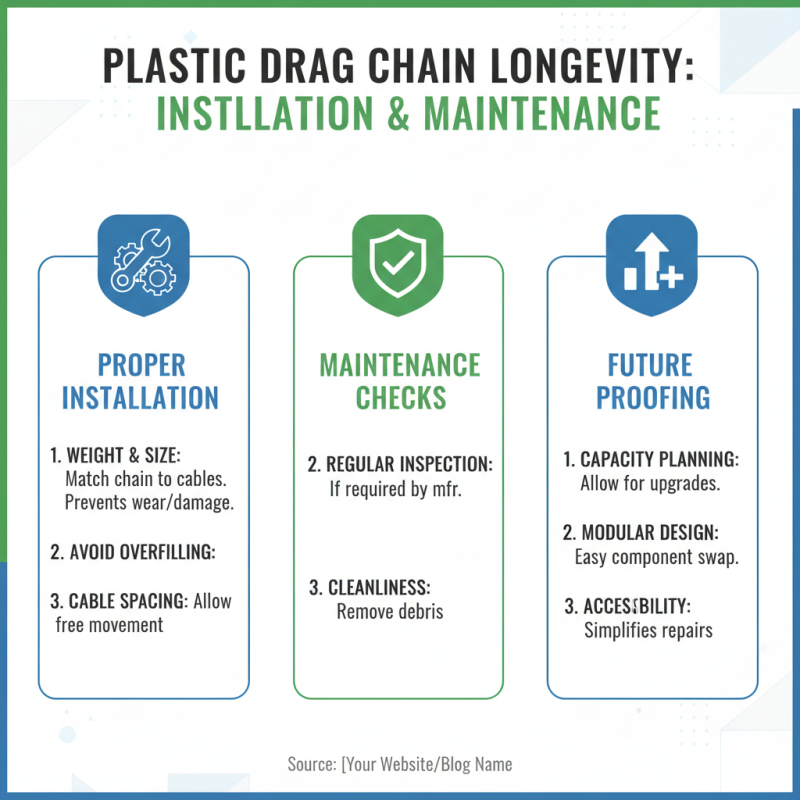
Choosing the right plastic drag chain is essential for optimal system performance. Sizing and compatibility play crucial roles in this selection. A well-fitted drag chain helps prevent wear and tear on cables. An ill-fitting option can lead to frequent replacements and increased downtime.
When considering size, measure the cables and hoses that will run through the drag chain. Ensure the internal dimensions allow for enough space. A tight fit can cause stress on the cables, leading to damage. Opt for a design that allows for expansion if you plan to add more cables later.
Compatibility is equally important. Check the environmental conditions of your application. Exposure to heat, chemicals, or moisture can impact material choice. Look for chains made from durable materials that can withstand specific conditions. Remember, not all drag chains are created equal. Test the chosen option under real operating conditions before full implementation. This helps identify any unforeseen issues early on.
Top 5 Tips for Choosing the Best Plastic Drag Chains
| Tip Number |
Tip Description |
Application Compatibility |
Size Recommendation |
| 1 |
Assess the weight and type of cables |
Compatible with standard industrial cables. |
Select chains with internal widths of 50-80 mm. |
| 2 |
Consider the environment of use |
Suitable for both indoor and outdoor applications. |
Choose UV-resistant materials. |
| 3 |
Check for bend radius |
Ensure radius is compatible with your machine design. |
Minimum bend radius should be 2-3 times the chain width. |
| 4 |
Evaluate chain length and travel distance |
Appropriate for both short and long travels. |
Measure travel length accurately to determine chain size. |
| 5 |
Look for easy installation features |
Facilitates integration in complex setups. |
Opt for chains with modular designs. |
Assessing Flexibility and Movement for Optimal Performance
When selecting plastic drag chains, flexibility and movement are crucial for optimal performance. A chain that bends and maneuvers well can significantly enhance machine efficiency. It should adapt seamlessly to various applications and environments. Consider how the drag chain is constructed. A well-designed chain limits friction and wear during movement, which prolongs the life of both the chain and the cables within it.
Evaluate the range of motion your equipment requires. Some systems move in complex patterns. Choose drag chains that can handle repeated bends without fatigue. It's essential to test the flexibility of your options in real-world scenarios. Not every chain labeled as flexible performs the same way. Pay attention to how it operates under load. Sometimes what looks good on paper does not translate to effective performance in practice.
Examining materials is also vital. Different plastics offer varying levels of durability and flexibility. Some materials may not handle temperature changes well. That could lead to unexpected downtimes. A little research can uncover the best choices for specific needs. You might find that a more expensive option outperforms cheaper alternatives in the long run. Adjusting your criteria might uncover insights previously overlooked.
Top 5 Tips for Choosing the Best Plastic Drag Chains
This bar chart represents the flexibility assessment of various factors to consider when choosing the best plastic drag chains. These factors include material quality, bend radius, load capacity, temperature resistance, and cable compatibility, rated on a scale from 1 to 10 for optimal performance.

 Press Brake
 CNC Laser
 Industry Robot
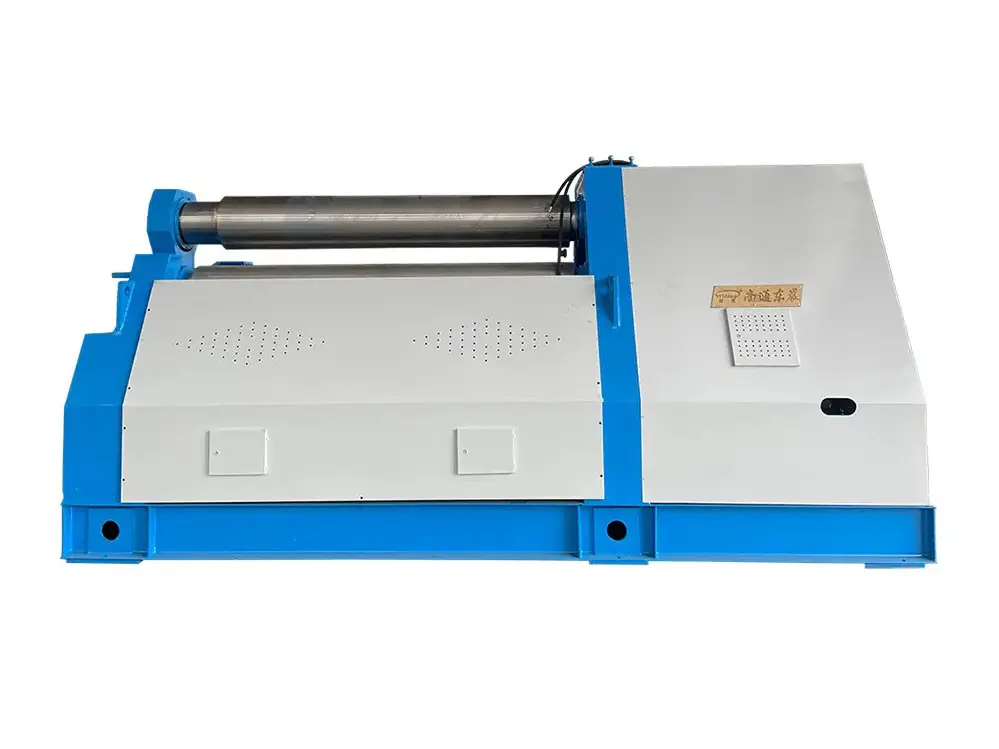 Plate Rolling Machine
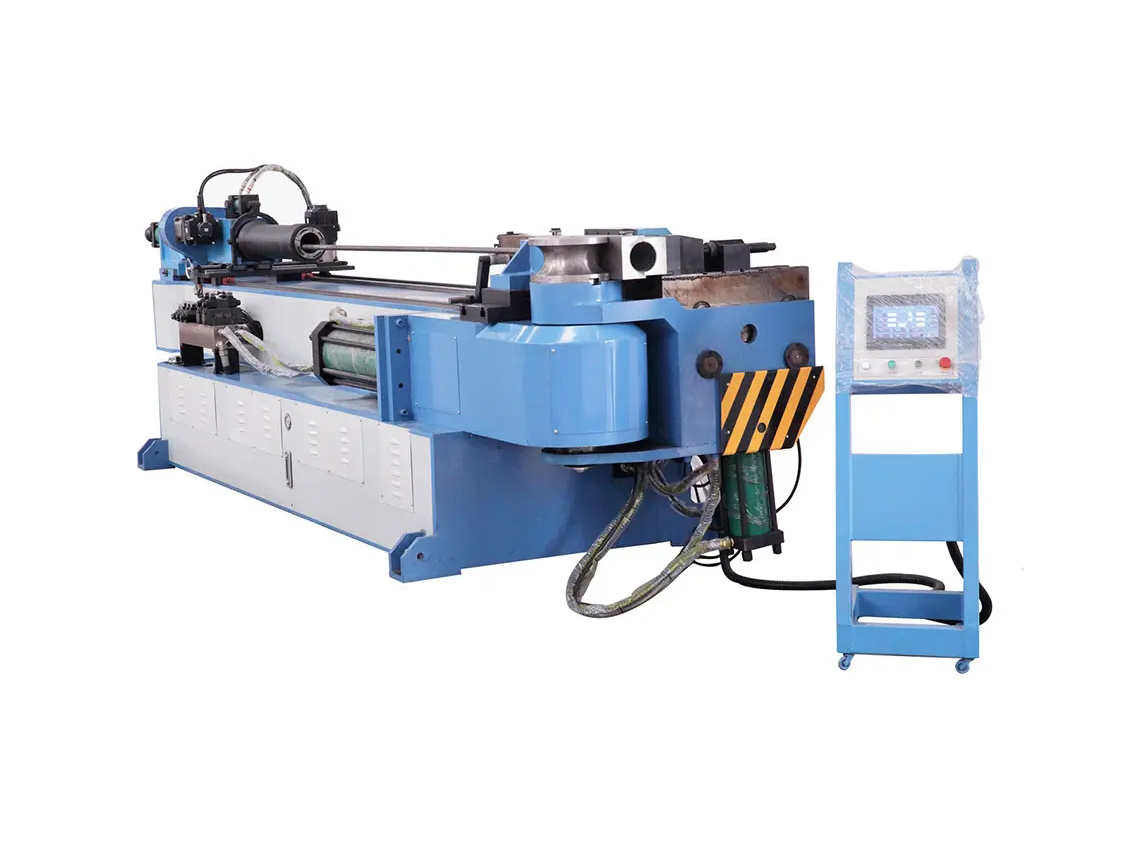 Tube Bending Machine
 Lathe and Machining Center
 Machine Protection Products