How to Choose the Best CNC Lathe Protective Shell for Your Needs?
Choosing the right CNC lathe protective shell is crucial for maximizing machine longevity and ensuring a safe work environment. A study by the International Journal of Advanced Manufacturing Technology highlights that protective equipment can decrease maintenance costs by up to 30%. This emphasizes the importance of selecting quality protective shells tailored to specific operational needs.
CNC lathe protective shells vary in materials, design, and compatibility. High-quality materials like polycarbonate provide excellent durability and visibility. Conversely, some budget options may offer limited protection, leading to potential risks. Manufacturers often fail to recognize that improper shielding can result in increased wear and tear on machinery. This not only affects performance but also raises operational costs.
Based on industry reports, investing in a suitable CNC lathe protective shell significantly impacts efficiency and productivity. Reports indicate that businesses that prioritize safety equipment see a 15% boost in productivity. However, many still underestimate the benefits of an appropriate protective shell. An informed choice can make a notable difference in both safety and cost-effectiveness.
Understanding CNC Lathe Protective Shell Functions and Specifications
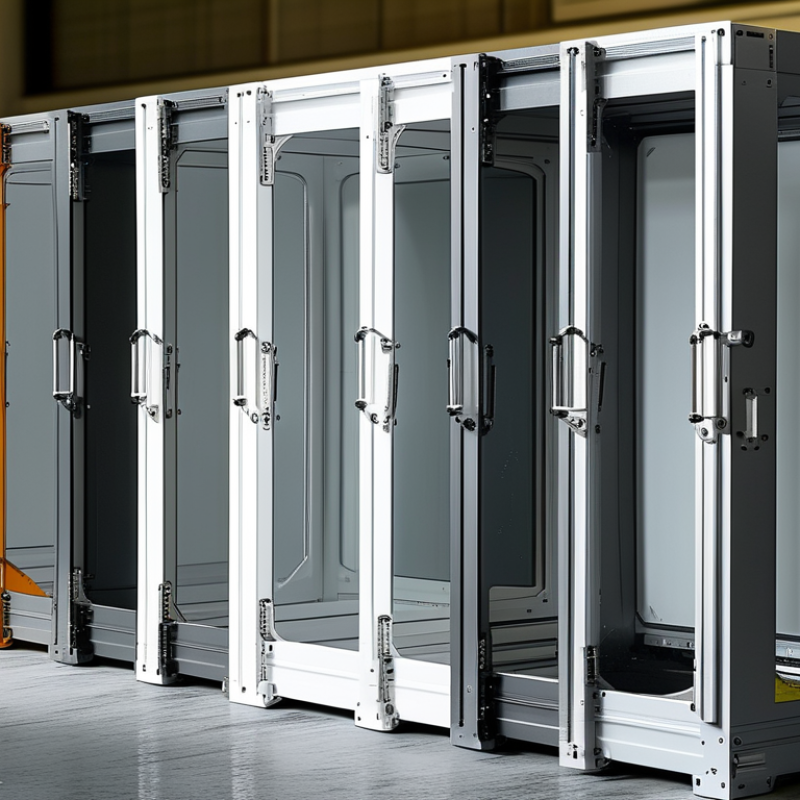
When selecting a CNC lathe protective shell, it's crucial to understand its functions and specifications. A protective shell serves multiple purposes: it safeguards the lathe from debris, minimizes dust accumulation, and protects sensitive components. The right shell often features materials that can withstand temperature fluctuations and resist wear.
Consider the specifications carefully. Some shells are designed for specific machine sizes. Make sure to measure your lathe accurately to ensure a seamless fit. Look for features such as transparent panels for visibility and ventilation holes to prevent overheating. These details can significantly enhance your operational efficiency.
Reflect on your needs. The ideal protective shell should match your work environment. An overly rigid shell may restrict airflow, while a shell with too many openings may fail to protect adequately. Balancing protection and accessibility can be challenging. Spend time assessing your workflow to determine what features truly matter for your setup.
How to Choose the Best CNC Lathe Protective Shell for Your Needs?
| Specification |
Function |
Material Type |
Protective Properties |
Weight |
| Standard Size |
Basic protection against dust |
Metal alloy |
Dust and moisture resistant |
15 kg |
| Heavy-Duty |
Impact protection |
Reinforced plastic |
Shock-resistant and waterproof |
20 kg |
| Custom Fit |
Full coverage protection |
Carbon fiber |
Extreme temperature and impact resistance |
12 kg |
| Portable |
Lightweight and easy to transport |
Aluminum |
Corrosion resistance |
8 kg |
| High-Temperature Resistant |
Suitable for high heat environments |
Ceramic composite |
Heat resistant and non-flammable |
25 kg |
Key Materials Used in CNC Lathe Protective Shell Manufacturing
When selecting a CNC lathe protective shell, understanding the materials specifically used in manufacturing is crucial. Typically, protective shells are made from thermoplastics, metal alloys, and composites. Thermoplastics offer lightweight characteristics and corrosion resistance. These qualities are significant for industries requiring frequent mobility and efficiency.
Metal alloys, such as aluminum or steel, provide durability. They can withstand high-impact forces and harsh environments. A recent industry report indicates that over 40% of companies prefer metal shells for heavy-duty operations. Composites bring together the advantages of both categories, offering strength and reduced weight. However, costs can be a concern since high-grade composites may push budgets.
Choosing the right material isn’t just about durability or weight; it is also about compatibility with the machining process. Some materials may not adhere well to specific coatings used in CNC operations. This misalignment can lead to failures during critical machining tasks. Ultimately, while selecting a protective shell, weighing functional requirements against material performance will ensure a better fit for your specific CNC lathe needs.
Evaluating Design Features for Enhanced Protection and Durability
When selecting a CNC lathe protective shell, focus on design features that enhance protection and durability. A robust shell should resist environmental factors. Choose materials that withstand heat and humidity. Opt for a design with reinforced corners and edges. These areas often face the most wear.
Consider ventilation as well. Effective airflow prevents overheating of machines and prolongs their lifespan. A shell with proper ventilation designs also reduces moisture buildup. Be wary of seals and closures. Poorly designed seals may lead to dust and debris intrusion, negating the shell's protective purpose.
Tips for increasing durability include regular inspections. Look for wear and tear in high-contact areas. A simple visual check can reveal issues before they escalate. Additionally, assess how well the shell fits your lathe. An ill-fitting protective shell might not provide the necessary coverage. Evaluate all features carefully, ensuring they align with your specific operational needs. Balancing protection and accessibility is crucial for effective use.
Assessing Industry Standards and Compliance for Protective Shells
Choosing the right protective shell for your CNC lathe requires a close look at industry standards. These standards ensure that the shell can withstand significant wear and tear while safeguarding your machinery. Compliance with safety regulations is critical. Without proper adherence, the longevity of your equipment may be compromised.
When evaluating protective shells, consider their material strength. High-quality materials reduce the risk of wear from chips and coolant. Check if the shell meets recognized safety certifications. Many professionals overlook this aspect, thinking all shells are the same. Basic tests, like impact resistance, can reveal a lot about the shell's capability.
Evaluate your operational environment. Does your lathe operate in a high-dust area? If so, choose a shell designed to resist dust ingress. Some protective shells fail to account for specific conditions, leading to premature damage. This oversight can be costly over time. Take the time to assess your individual needs before making a final decision.
Comparison of CNC Lathe Protective Shell Materials
Cost-Effectiveness: Balancing Quality and Budget in Protective Shell Selection
When selecting a CNC lathe protective shell, cost-effectiveness plays a crucial role. A study from the National Association of Manufacturers shows that protective equipment can account for up to 30% of total machine costs. Thus, finding a balance between quality and budget is essential.
Investing in a low-cost protective shell may save money upfront but can lead to issues later. Poor quality materials may degrade quickly, resulting in increased downtime and repair costs. A case study indicated that businesses faced losses of around $10,000 due to machinery damage from inadequate shell protection. This highlights the importance of quality over an initial price tag.
Analysts suggest that companies should consider the lifespan and durability of the protective shell. Research shows that high-quality options can last up to five years longer than cheaper models. Choosing a product with superior material may have a higher upfront cost but pays off in the long run. Companies must reflect on their needs and weigh immediate savings against potential future expenses.

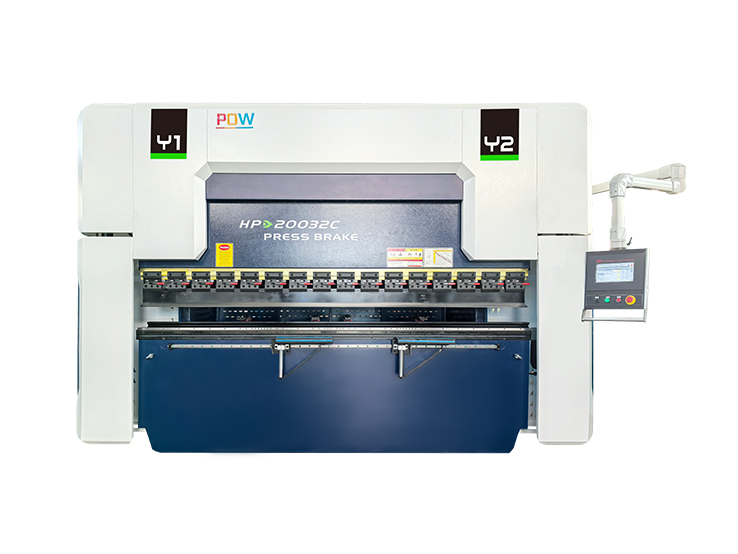 Press Brake
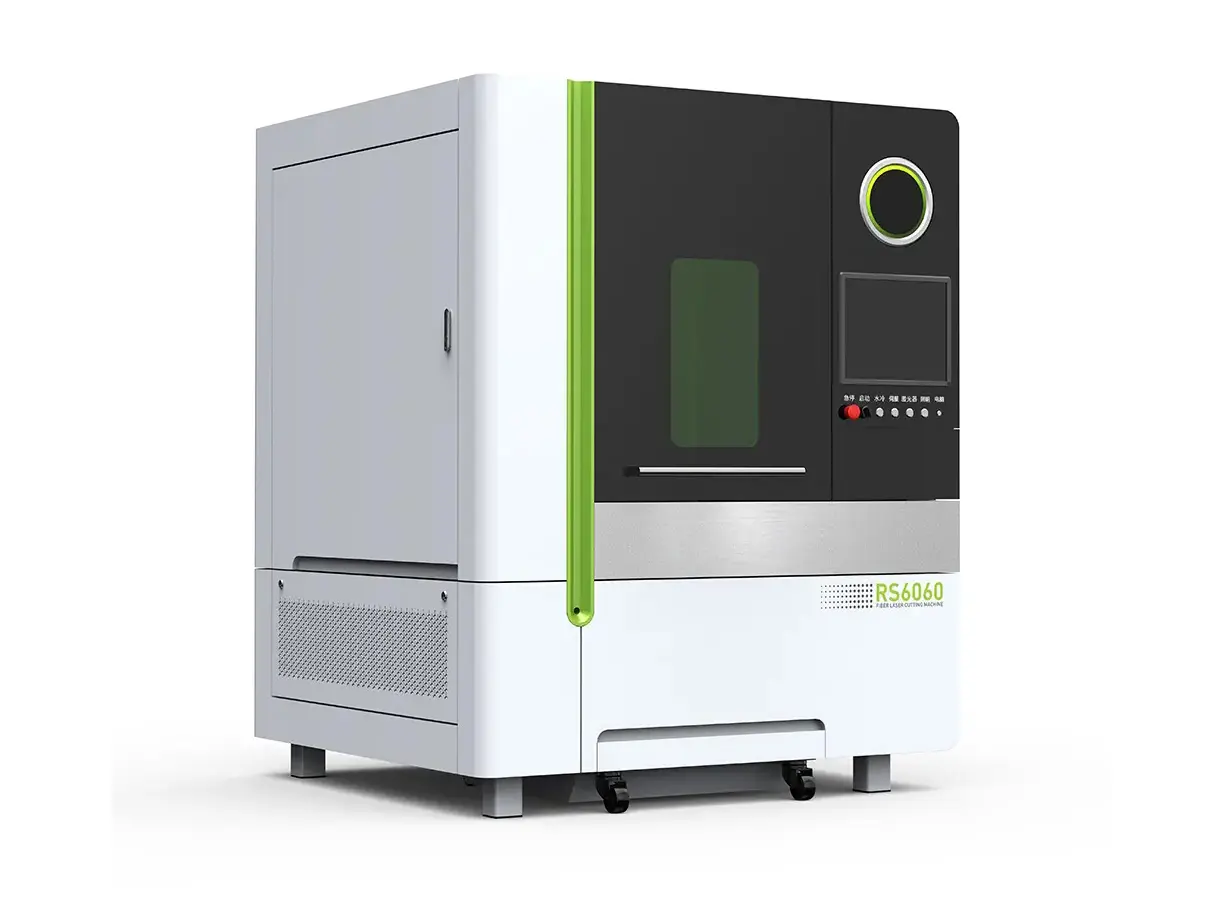 CNC Laser
 Industry Robot
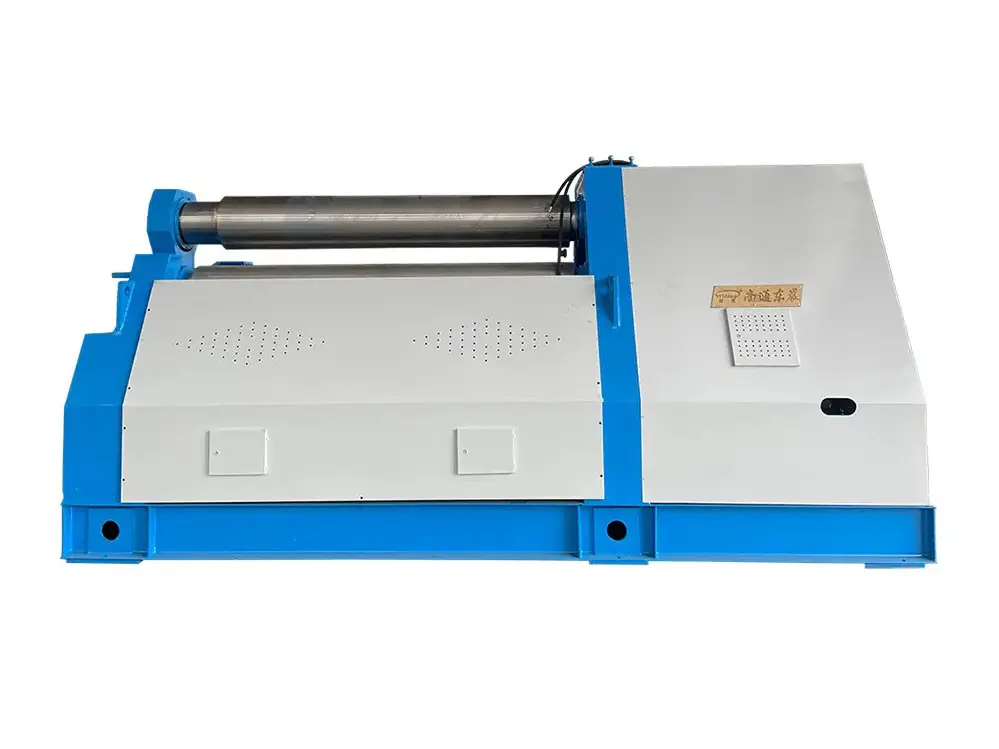 Plate Rolling Machine
 Tube Bending Machine
 Lathe and Machining Center
 Machine Protection Products