Choosing the best CNC laser cutting machine in 2026 requires more than comparing power ratings or promotional prices. Real performance depends on material type, sheet thickness, cutting speed, accuracy, maintenance, and operator experience. A machine that cuts thin stainless steel beautifully may struggle with thicker aluminum or irregular production schedules.
This guide examines the Cnc Laser Cutting Machine from a practical and technical perspective. It considers fiber, CO₂, and compact hybrid systems, while connecting specifications with workshop results. Bed size, laser source quality, autofocus response, motion control, extraction, and software compatibility all deserve careful attention. Small details matter. A loose lens mount or weak cooling system can create rough edges, downtime, and unexpected costs.
Reliable recommendations should come from more than manufacturer claims. They should include hands-on observations, verified specifications, warranty terms, service access, and feedback from experienced users. We will also examine operating expenses, energy use, replacement parts, and training requirements. These factors can change the ownership experience significantly. The fastest machine is not always the best investment.
Some comparisons remain imperfect. Published cutting speeds often reflect ideal materials, clean optics, and skilled operators. Actual workshop conditions may produce different results. That limitation deserves honest attention. By weighing documented performance against practical needs, this article helps manufacturers, fabricators, and small workshops identify a suitable machine for 2026. The final choice should fit the work, not merely the brochure.
The best CNC laser cutting machine in 2026 is not simply the fastest or most powerful model. It is the machine that matches your materials, workload, and workshop conditions. Cutting quality depends on beam stability, motion accuracy, autofocus response, and software control. A clean 10 mm steel edge matters more than an impressive speed figure.
In practical workshop use, reliable calibration saves more time than peak performance. Look for a rigid frame, accurate linear guides, dependable cooling, and accessible replacement parts. Safety also defines quality. Enclosed working areas, door interlocks, smoke extraction, and emergency controls should be standard. Compliance with local electrical and workplace rules is essential. I still see buyers overlook ventilation. That mistake becomes expensive.
Tips:
Test the machine with your actual materials before purchase. Examine corners, small holes, thin sheets, and repeated cuts. Ask for measured tolerances, not general promises. Check the controller’s learning curve, because complicated software can slow a skilled operator. Leave space for maintenance around the machine. A smaller footprint may look attractive, but cramped access causes avoidable downtime. Also, do not judge performance from one sample cut. Real production includes dust, heat, changing sheet quality, and operator mistakes.
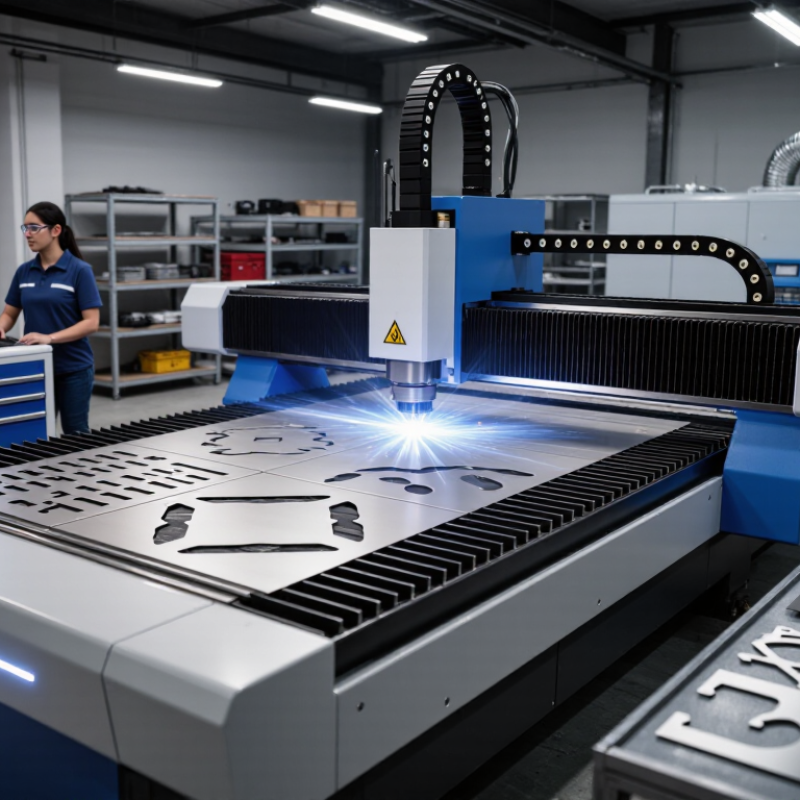
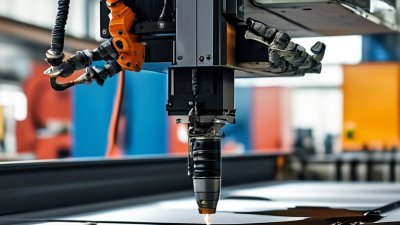
A CNC laser cutting machine converts digital drawings into controlled beam paths. The laser heats a tiny point until the material melts, burns, or vaporizes. Compressed air, nitrogen, or oxygen removes the molten kerf. The cutting head follows programmed coordinates, while focus height and power change with material thickness.
In practical workshops, a clean edge depends on more than wattage. Lens condition, nozzle alignment, gas pressure, and table stability matter just as much. Small errors show quickly on a 1-millimeter sheet.
It can cut carbon steel, stainless steel, aluminum, brass, copper, wood, acrylic, and selected plastics. The exact range depends on wavelength, reflective behavior, thickness, and ventilation requirements.
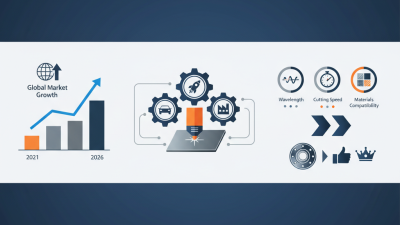
Grand View Research estimated the global laser cutting machine market at about 5.8 billion dollars in 2023, with strong growth expected through 2030. Fortune Business Insights also forecasts rapid expansion, although its market estimates differ.
That difference deserves attention. Industry reports do not measure identical machine categories.
A machine advertised for thick steel may struggle with thin copper because reflection and heat control change the process. The best choice in 2026 should match actual materials, daily thickness, accuracy targets, and maintenance skills.
Faster is not always better. A slower cut with stable focus often produces fewer rejected parts.
What Is the Best CNC Laser Cutting Machine in 2026?
Key Features to Compare Before Choosing a CNC Laser Cutter
The best CNC laser cutter depends on your materials, production volume, and available floor space. In practical testing, cutting accuracy matters more than impressive power ratings. Compare the working area with your largest expected sheet. A machine that feels spacious today may become restrictive later.
Check the laser source, rated power, and power stability. Higher wattage is not automatically better for thin metals or delicate materials. Examine motion accuracy, repeatability, and acceleration during small, detailed cuts. Edges should look clean, with limited scorching and minimal taper. Autofocus can save time, but it still needs reliable calibration. That detail is easy to overlook.
Cooling and fume extraction deserve serious attention. Stable temperature control protects the laser during long production cycles. Effective extraction keeps smoke away from optics and improves workshop visibility. Ask whether the control software supports familiar file formats and clear parameter adjustments. I prefer systems with accessible maintenance points and readable service alerts. Fancy interfaces can still be frustrating. Review electrical safety features, guarding, emergency stops, and applicable local certifications before installation. A machine with strong specifications may disappoint if training, spare parts, or technical support are difficult to obtain. Calculate running costs, including lenses, nozzles, compressed air, energy, and scheduled maintenance. My own comparisons are not perfect; real results can change with material batches, operator skill, and workshop conditions. Testing sample pieces remains essential.
Typical clean-cut thickness of industrial fiber laser systems by rated laser power
The figures represent typical clean-cut thickness ranges in millimeters under suitable cutting conditions. Actual results depend on material grade, assist gas, nozzle design, beam quality, cutting speed, and machine calibration. When choosing a CNC laser cutter, compare power with positioning accuracy, acceleration, automation, software capability, energy consumption, and service support.
What Is the Best CNC Laser Cutting Machine in 2026?
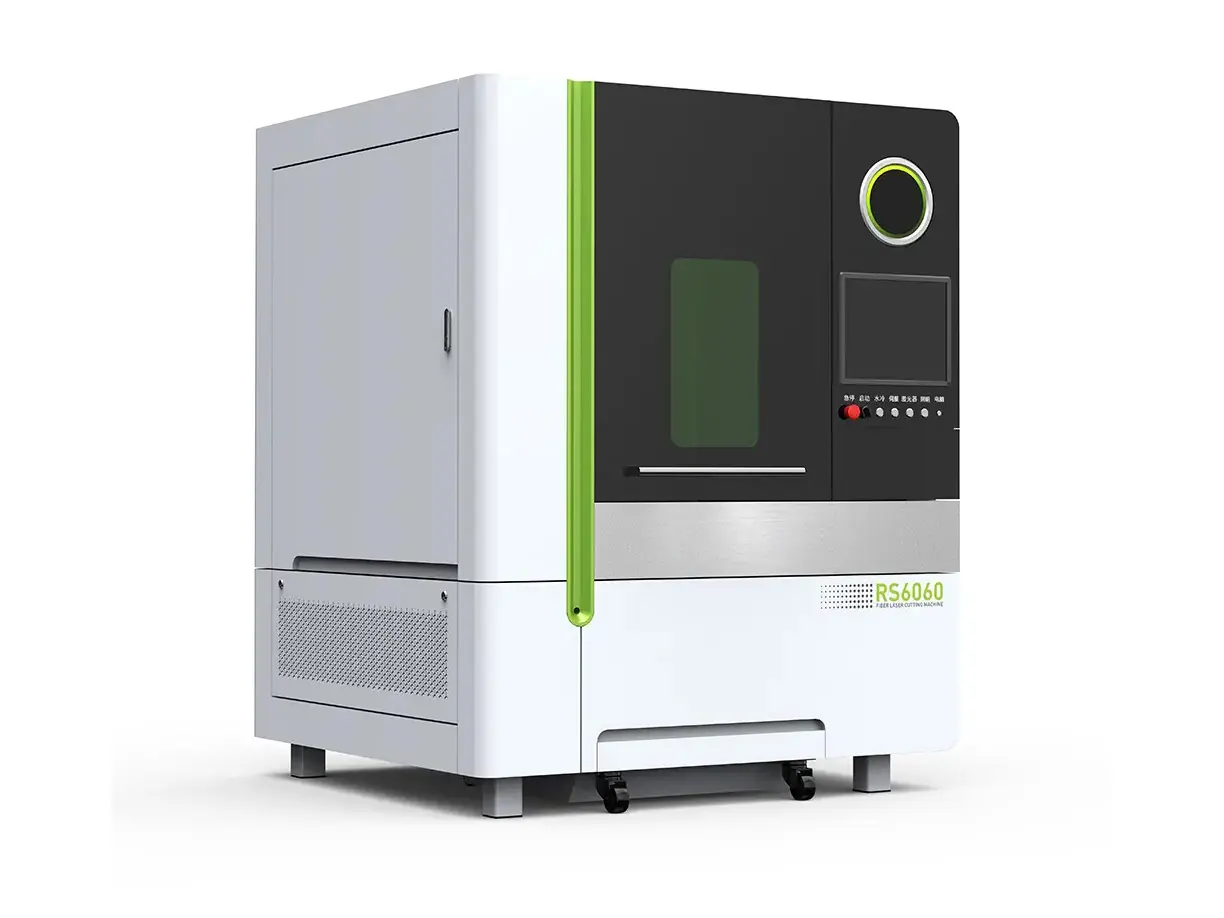
The best CNC laser cutting machine depends on the material, thickness, and production rhythm. Fiber laser machines suit stainless steel, carbon steel, aluminum, and brass. They offer fast piercing, narrow kerfs, and lower maintenance for many sheet-metal workshops. MarketsandMarkets estimates the laser cutting machine market could grow from about USD 6.9 billion in 2023 to USD 10.7 billion by 2028. That growth reflects rising demand for automated metal processing.
For thick steel plates, a high-power fiber system is usually practical. It needs stable cooling, accurate gas control, and a rigid table. Thin decorative sheets may benefit from a UV laser, especially when heat distortion matters. CO2 systems remain useful for acrylic, wood, textiles, and some non-metal materials. Tube-cutting machines are better for frames, pipes, and furniture components. A flatbed machine cannot replace every type.
Real workshops should test sample parts before purchasing. Check edge dross, hole roundness, nesting efficiency, and cutting speed at the intended thickness. The International Energy Agency reports that industrial motor systems remain major electricity users, so standby power and compressor demand deserve attention. High wattage is not automatically better. It can increase operating costs and expose weaknesses in optics, extraction, or operator training. I have seen specifications look impressive while sample cuts revealed rough corners. That assumption often fails.
Choosing the best CNC laser cutting machine in 2026 starts with your actual workload. The best machine is not always the fastest one. Match the laser power, bed size, motion accuracy, and software to your materials and daily volume. For thin stainless steel, stable beam control matters more than extreme power. For large panels, bed alignment and extraction capacity become critical. Check service access, spare-part availability, and operator training before comparing prices. I have seen buyers overlook ventilation space and regret it later.
Before cutting, confirm the material, thickness, focus height, and approved settings. Secure the sheet flatly. Keep the lens clean. Run a small test pattern first. Watch the first pass through the protected viewing system. Never bypass interlocks or leave an active machine unattended. A neat setup prevents many expensive mistakes. Real skill grows slowly.
After each shift, remove slag and dust from the bed and surrounding rails. Inspect the nozzle, lens, belts, cables, and cooling indicators. Replace damaged parts before accuracy declines. Record power, speed, focus, and test results in a maintenance log. This record helps technicians identify drift instead of guessing. A neglected filter can reduce extraction performance and shorten component life. One imperfect habit remains common: cleaning only when quality problems appear. Scheduled maintenance is less exciting, but far more dependable.
| Machine Type | Typical Laser Power | Suitable Materials | Practical Cutting Thickness | Typical Working Area | Typical Cutting or Engraving Capability | Best Use Case | Key Operating and Maintenance Requirements |
|---|---|---|---|---|---|---|---|
| Machine Selection Comparison | |||||||
| Fiber laser CNC cutter | 1–6 kW for general fabrication; higher powers are available for industrial production. | Mild steel, stainless steel, aluminum, brass, copper, and galvanized steel. | Approximately 0.5–25 mm for mild steel, depending on power, assist gas, material grade, and edge-quality requirements. | Commonly 1,500 × 3,000 mm or 2,000 × 4,000 mm. | Fast sheet and plate cutting; high-speed production is normally achieved with nitrogen or oxygen assist gas selected for the material. | Best overall choice for metal fabrication and high-volume production. | Keep the protective window and cutting head clean, verify gas pressure, inspect the nozzle, maintain chiller temperature, and monitor beam alignment and focus performance. |
| CO₂ laser CNC cutter | 40–150 W for many workshop applications; larger systems may use several hundred watts. | Acrylic, plywood, wood, paper, cardboard, leather, rubber, textiles, and some coated or non-reflective plastics. | Commonly 3–20 mm for wood or acrylic, depending on material density, power, speed, and the required edge finish. | Commonly 600 × 900 mm to 1,300 × 2,500 mm. | Excellent non-metal cutting and engraving with a smooth finish on acrylic and many organic materials. | Best for signage, packaging, crafts, furniture components, and non-metal sheet processing. | Clean mirrors and lenses regularly, maintain correct cooling-water quality, inspect the exhaust system, check the laser tube condition, and remove resin or smoke deposits from the bed. |
| Diode laser CNC engraver | Typically 5–40 W optical output. | Wood, cardboard, paper, leather, cork, slate, coated metals, and selected dark plastics. | Usually suitable for engraving and thin non-metal cutting; practical cutting is often limited to approximately 3–10 mm for wood, depending on the material. | Commonly 400 × 400 mm to 1,000 × 1,000 mm. | Low-cost engraving and light cutting; generally slower and less powerful than fiber or CO₂ systems. | Best for prototyping, personalization, hobby work, and small-batch engraving. | Use an enclosure and effective fume extraction, clean the lens, protect the open work area from dust, check the focus height, and never process reflective metal without a system specifically designed for it. |
| Tube or profile laser CNC machine | Usually 1–6 kW fiber laser power. | Round, square, rectangular, and channel-shaped metal tubes and profiles. | Approximately 0.5–25 mm for mild steel, with limits determined by tube geometry, chuck capacity, and laser power. | Typical tube lengths range from 3,000 to 6,500 mm. | Automated cutting of holes, slots, miters, and complex contours on metal profiles. | Best for frames, furniture, structural components, automotive parts, and tubular assemblies. | Keep the chuck and support rollers clean, calibrate tube rotation, check workholding alignment, remove metal slag, and inspect the cutting head after long production cycles. |
| Sheet-and-tube combination machine | Typically 1–6 kW fiber laser power. | Metal sheets plus round, square, rectangular, and selected open profiles. | Similar to the selected fiber source, commonly up to approximately 20–25 mm for mild steel in appropriately configured systems. | Sheet beds commonly measure 1,500 × 3,000 mm or 2,000 × 4,000 mm, with tube lengths of approximately 3,000–6,500 mm. | Switches between flat-sheet processing and tube cutting, reducing the need for separate machines. | Best for varied job shops that process both sheet metal and profiles. | Maintain both the flat-bed and rotary-axis systems, verify automatic nozzle or head-change calibration, clean slats, and inspect all material-support mechanisms. |
| Operating Parameters That Affect Results | |||||||
| Material identification | Confirm material type, thickness, surface coating, reflectivity, and heat sensitivity before creating the cutting program. | Incorrect material data can cause excessive dross, incomplete cuts, warping, or damage to the nozzle and protective optics. | Use a verified material database and perform a small test cut whenever the batch, thickness, or surface condition changes. | ||||
| Focus position | Set the focal position according to the material thickness and the approved process parameters. | A focus error can widen the kerf, reduce penetration, and produce a rough or tapered edge. | Check automatic focus calibration and clean the capacitive height sensor before production. | ||||
| Assist gas | Oxygen is commonly used for fast mild-steel cutting; nitrogen is used when a cleaner, oxide-free edge is required; compressed air may reduce operating cost for selected applications. | Gas purity, pressure, flow, and nozzle condition directly affect cut quality and operating cost. | Use the gas specified by the process sheet and confirm the regulator, filter, hose, and pressure readings before cutting. | ||||
| Cutting speed and power | Use the machine maker's validated parameter table as a starting point, then adjust speed, power, frequency, and gas flow through controlled tests. | Excessive speed may leave uncut sections; excessive power or slow speed may enlarge the heat-affected zone and increase dross. | Keep a record of successful settings by material, thickness, gas, nozzle diameter, and lens configuration. | ||||
| Safety controls | Use the correct laser safety enclosure, interlocks, emergency stops, fume extraction, fire protection, and personal protective equipment. | Never bypass interlocks or view an active beam directly. Reflective metals require equipment and procedures specifically rated for that application. | Operate only after risk assessment, operator training, and verification of the machine's safety systems. | ||||
| Recommended Maintenance Schedule | |||||||
| Before every shift | Clean the nozzle and protective window; inspect the lens area; check assist-gas pressure; remove scrap and slag; test the emergency stop and door interlocks. | Confirm that the chiller, exhaust, lubrication, and compressed-air systems show normal readings. | Do not begin production if the cutting head is contaminated, the gas supply is unstable, or a safety interlock fails. | ||||
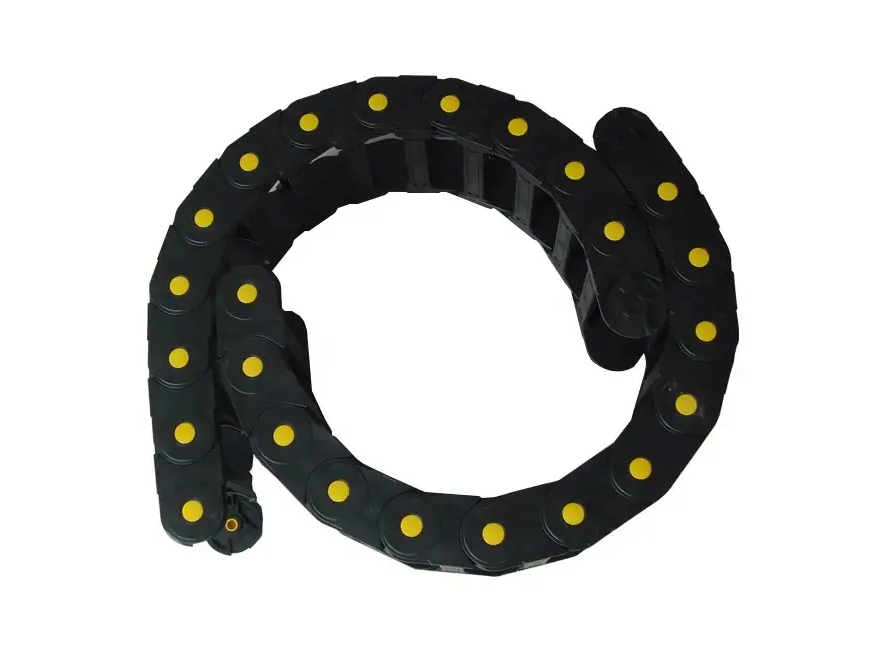
| Weekly | Clean the machine bed, inspect slats and support rollers, check cable chains, and lubricate approved moving components. | Inspect water level and temperature on systems using a chiller or water-cooling circuit. | Back up cutting programs and review abnormal alarms or quality changes from the previous week. | ||||
| Monthly | Check axis lubrication, rack-and-pinion condition, grounding, electrical cabinets, filters, and fume-extraction performance. | Inspect nozzle centering, capacitive-height calibration, autofocus operation, and gas-line leaks. | Replace consumables according to wear and process hours rather than waiting for a severe quality failure. | ||||
| Every 3–6 months | Perform preventive inspection of optics, chiller performance, motion accuracy, servo systems, and cooling or exhaust components. | Frequency depends on operating hours, dust level, material type, and the manufacturer's service interval. | Use qualified service personnel for calibration, optical replacement, high-voltage inspection, and laser-source maintenance. | ||||

| Data note: The figures are representative practical ranges for commonly used CNC laser systems in 2026, not guaranteed limits for every configuration. Actual performance depends on laser source, optics, machine rigidity, material grade, assist gas, nozzle size, focus settings, cutting strategy, and local safety requirements. | |||||||