Inquiry
Form loading...

Best CNC Horizontal Machining Center in 2026?

Choosing the best Cnc Horizontal Machining Center in 2026 is less about finding one universal winner and more about matching a machine to real production demands. A shop cutting aluminum housings may prioritize rapid tool changes and spindle speed. A heavy-equipment supplier may need rigid construction, generous pallet capacity, and dependable performance during long cuts. Small differences matter: a few seconds at each tool change can add up across a full shift.

This guide compares the factors buyers should examine before investing, including work envelope, spindle torque, pallet systems, control features, service access, and operating costs. It also explains how to assess published specifications without treating them as a guarantee of shop-floor results. Ask for a test cut using representative material, tooling, and tolerances. Review the part finish, cycle time, chip evacuation, and operator workflow—not just the sales brochure. Real production conditions are rarely tidy.

There is no honest answer that fits every facility. A high-end model may be excessive for a job shop running short batches, while a lower purchase price can hide costly limitations. Even careful comparisons leave uncertainty; maintenance history, local support, and operator experience can change the outcome. Some details are easy to overlook. Use the sections ahead to build a practical shortlist, verify claims with manufacturers and current users, and decide which trade-offs your production team can accept in 2026.
Best CNC Horizontal Machining Center in 2026?

What Is a CNC Horizontal Machining Center?

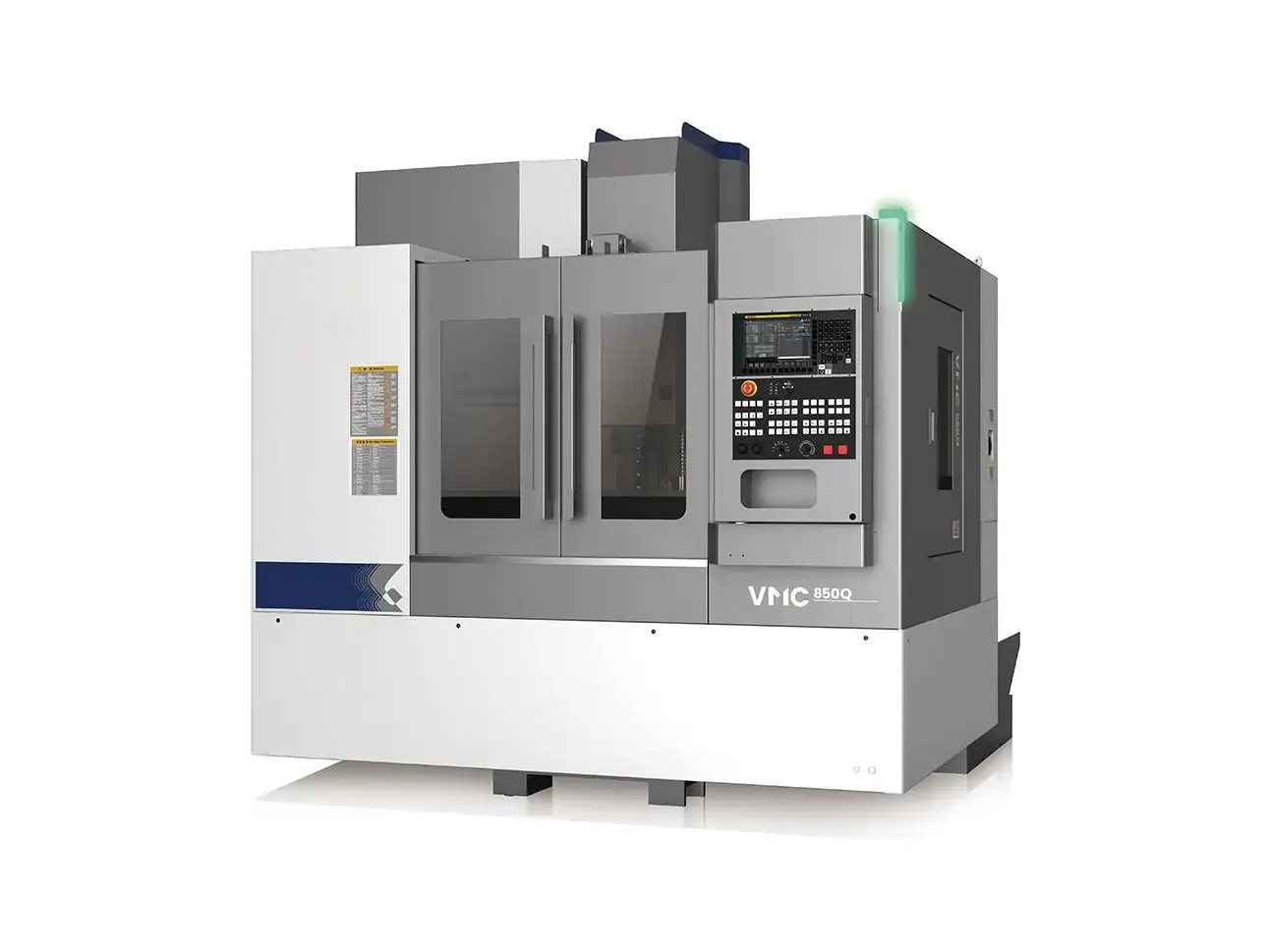
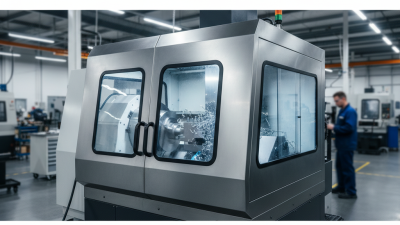
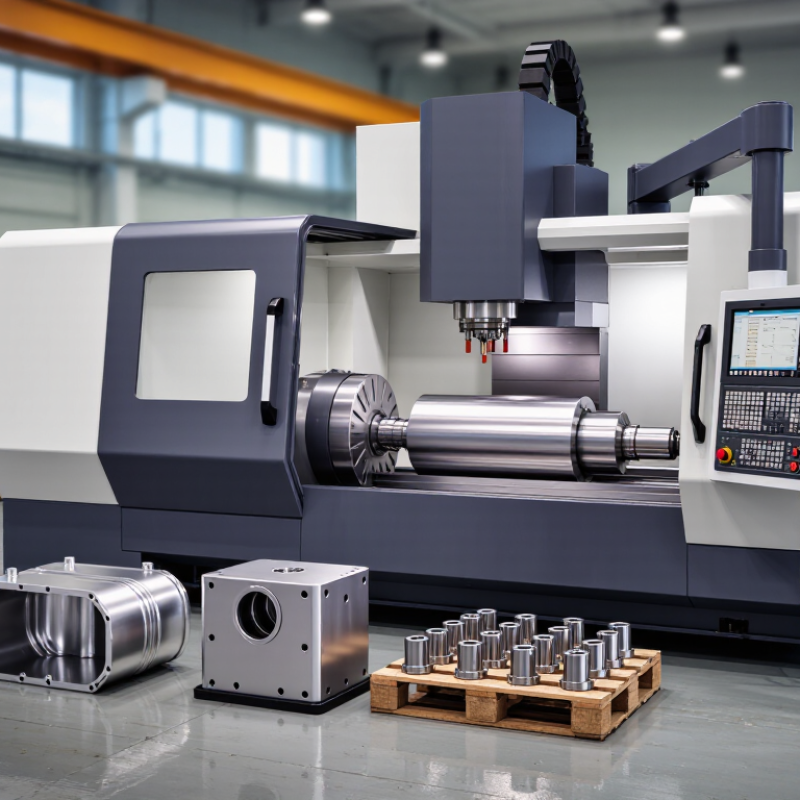
A CNC horizontal machining center (HMC) is a computer-controlled milling machine with a spindle mounted horizontally. The spindle cuts into a workpiece held on a table or pallet. A rotary table can turn the part, allowing several faces to be machined with fewer setups. That matters. A tombstone fixture can hold multiple parts upright, while gravity helps chips fall away from the cutting area. Fewer repositionings can improve consistency, though they do not guarantee accuracy.

Grand View Research’s Machine Tools Market Size, Share & Trends Analysis Report estimated the global machine tools market at USD 86.7 billion in 2023 and forecast 7.4% annual growth from 2024 to 2030. This broad market figure includes many machine types, not just HMCs. For a 2026 comparison, look at pallet size, spindle speed, tool capacity, axis travel, and rated accuracy. Match these to the actual part, material, and fixture. ISO 10791 provides test conditions for machining centers, including geometric accuracy and positioning tests. Ask how the machine performs under your intended load. A specification sheet alone can be misleading.
How Does a Horizontal Machining Center Work?

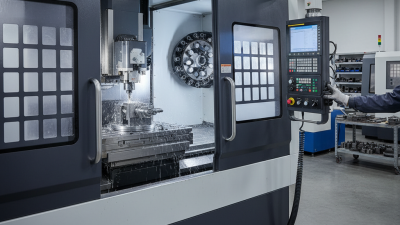
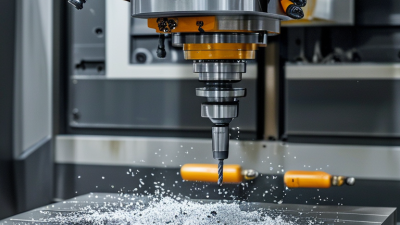
A horizontal machining center holds its main spindle parallel to the shop floor. The cutting tool approaches the workpiece from the side, while the part is secured to a pallet or rotary table. The controller coordinates spindle speed, tool movement, and table rotation. That is the basic cycle. A tool magazine and automatic tool changer can switch cutters without stopping for manual changes. Many machines also use a rotary axis to reach several faces of one part, reducing repeated setup and alignment errors.

The horizontal layout helps chips fall away from the cutting area, though chip buildup can still occur inside deep pockets. Coolant flushes chips and controls heat; operators should check flow and filtration, not assume the system handles everything. Grand View Research valued the global CNC machine market at $101.22 billion in 2023. That figure covers CNC machines broadly, not horizontal centers alone, so it signals market scale rather than HMC demand. For a 2026 purchase, compare workpiece size, pallet capacity, spindle torque, tool capacity, and measured positioning accuracy against actual jobs. A large machine is not automatically a better fit. Real parts, fixtures, and cycle times reveal more than a specification sheet.

Best CNC Horizontal Machining Center in 2026? — How Does a Horizontal Machining Center Work? Compare common horizontal machining center (HMC) configurations by application, typical specifications, and operating method.
HMC Configuration Typical X / Y / Z Travel Typical Pallet Size Typical Spindle Range How It Works Best-Fit Applications Key Selection Consideration
Compact production HMC Approximately 400–700 / 400–600 / 400–600 mm 400–500 mm square About 8,000–14,000 rpm; 11–22 kW A horizontal spindle cuts the workpiece while a rotary table or indexer presents additional faces. A pallet changer can load the next workpiece while machining continues. Small-to-medium housings, brackets, valve bodies, and repeat production parts. Check whether the work envelope, pallet capacity, and tool storage suit the full job—not just the largest part dimension.
General-purpose two-pallet HMC Approximately 600–1,000 / 600–900 / 600–900 mm 500–630 mm square About 8,000–15,000 rpm; 15–30 kW One pallet is machined inside the enclosure while an operator loads or unloads the other. The machine swaps pallets between cycles, reducing idle time. Mixed-batch production, multi-face machining, and medium-sized prismatic components. Assess pallet-change time, fixture access, chip removal, and whether the planned workflow can keep the spindle cutting.
Large-part HMC Approximately 1,000–1,600 / 800–1,300 / 800–1,200 mm 630–1,000 mm square or larger About 6,000–12,000 rpm; 22–45 kW The machine moves a large workpiece through the cutting zone with a horizontally oriented spindle. Rotary positioning can provide access to multiple sides without repeated manual re-clamping. Large gearboxes, machine frames, energy-sector components, and heavy industrial housings. Verify table load, fixture weight, spindle torque, foundation needs, and the usable working envelope with the part mounted.
High-speed HMC Approximately 500–1,000 / 500–800 / 500–800 mm 400–630 mm square About 12,000–24,000 rpm; 15–37 kW A high-speed spindle and suitable cutting tools support faster cutting of appropriate materials. The machine still uses horizontal access and may use pallet changing for parallel setup. Aluminum components, lighter cuts, and production work where short cycle times are important. Compare torque across the spindle speed range, tool-change time, thermal stability, and the actual cutting conditions required.
Five-axis HMC Varies by design; commonly around 500–1,000 mm on linear axes Often 400–800 mm, depending on rotary-table design Commonly about 8,000–20,000 rpm Three linear axes work with two rotary axes to orient the part or cutting tool. This can machine multiple faces and angled features in fewer setups. Complex housings, impellers, angled ports, and parts with features on several faces. Check rotary-axis range, workpiece clearance, collision simulation capability, and whether five-axis access is needed for the part.

How to choose: There is no single best HMC for every shop. The specification ranges above are indicative examples, not guaranteed specifications; actual travel, pallet size, spindle performance, and capacity vary by machine design. Confirm the machine’s current technical documentation and test it against the intended workpiece, material, tooling, and production volume.

Which Specifications Matter When Choosing an HMC?

Choosing an HMC starts with the parts, not the machine’s largest number. Measure the longest workpiece and fixture together, then allow room for tool access. A 500 mm pallet may look generous until a bulky fixture consumes its usable area. Check X, Y, and Z travel against real setups. Also verify pallet load capacity, including the fixture and coolant-soaked chips.

Spindle speed matters, but torque often matters more for large cutters and deep cuts. Match spindle taper, motor power, and torque curve to your materials and tools. Tool capacity deserves the same scrutiny: a crowded magazine can slow production when jobs need frequent changes. Look at tool-to-tool time, yet confirm how that figure is measured. Details can vary. For repeat work, review positioning accuracy and repeatability, thermal compensation, and probing options. Ask for test-cut data using a part similar to yours.

Chip removal is easy to underestimate. Long aluminum chips or heavy cast-iron chips can collect around the work zone and interrupt machining. Check coolant flow, conveyor layout, and access for cleaning. A fast spindle cannot fix poor chip evacuation. One trade-off is easy to miss: extra capacity may raise purchase and operating costs without improving your typical part. I would question that choice before specifying a larger machine.

Best CNC Horizontal Machining Center in 2026? Which Specifications Matter When Choosing an HMC?

A practical guide to prioritizing the specifications that affect fit, throughput, and part quality.

How to use this chart: Scores are an illustrative 1–5 buyer-priority guide, not measured machine performance or a market survey. Compare travel and pallet capacity with your largest parts and fixtures; check spindle torque and speed against your materials and cutters; and verify tool capacity, positioning performance, and chip/coolant handling against your process and tolerance needs. Confirm actual specifications with each machine’s technical documentation.

How Do HMC Designs Differ Across Applications?

Best CNC Horizontal Machining Center in 2026?

How Do HMC Designs Differ Across Applications?

An HMC’s layout should follow the part, not a catalog checklist. High-volume prismatic parts often benefit from twin pallets and tombstone fixtures. Operators can load one side while the spindle cuts the other. That helps keep the spindle busy. It also demands disciplined fixture setup; a small locating error can affect every face.

Large castings need generous table capacity, longer travels, and chip evacuation that works around deep cavities. Compact precision parts may favor a fast spindle, stable thermal control, and repeatable pallet positioning. For heavy cuts, torque and machine rigidity matter more than headline spindle speed. Tool access matters, too. A clever axis arrangement can still leave cutters colliding with clamps.

Automation changes the priorities.

The International Federation of Robotics reported 553,052 industrial robot installations in 2022, then 541,302 in 2023, in its World Robotics reports. Those figures are not HMC sales, but they show why robot-ready doors, accessible pallet interfaces, and reliable recovery routines deserve attention.

For mixed work, flexible fixturing may beat maximum pallet size. A trade-off remains: more automation can add setup complexity, and not every shop needs it.

The right HMC is application-specific. Check the actual part envelope, cutting forces, and shift pattern before choosing.

What Features Define the Best HMCs in 2026?

The best horizontal machining centers in 2026 are defined by how reliably they turn capacity into finished parts. A fast spindle helps, but only when its speed and torque suit the material and cutter. For heavy steel, rigidity and vibration control may matter more than headline RPM. For aluminum, rapid tool changes and efficient chip removal can save more time.

That matters. A well-designed pallet system keeps work moving while operators load the next fixture. Look for dependable pallet positioning, clear access for setup, and tool storage that matches real production needs. Through-spindle coolant, effective chip flushing, and probing can reduce manual checks and keep deep pockets cleaner. Thermal compensation is useful too, especially during long shifts, but it cannot fix poor setup or worn tooling.

Controls should make common jobs easy to repeat, with useful alarms and readable maintenance data. Small details count: Can an operator reach filters safely? Are service points easy to inspect? A machine with impressive automation may still disappoint if recovery from a tool or pallet fault is confusing. No single configuration fits every shop. Buyers should compare the expected part mix, floor space, support access, and total operating cost—not just cycle-time claims. Even careful calculations can miss surprises on the shop floor.