2026 How to Choose the Best CNC Machining Center for Your Needs?
Choosing the right CNC Machining Center can significantly impact your manufacturing processes. With various options available, it's crucial to understand what to look for. The right machine not only improves efficiency but also enhances product quality.
There are key factors to consider when selecting a CNC Machining Center. These include the size, type of materials, and specific applications. Evaluating your production needs is essential. A common mistake is focusing solely on price, overlooking long-term benefits and capabilities.
Investing in a reliable CNC Machining Center can support future growth. It can adapt to changing requirements, although it’s not always perfect. Reflecting on your experiences can help refine your decision-making process. Make sure to research and consult experts in the field to enhance your understanding.
Understanding the Basics of CNC Machining Centers
CNC machining centers have transformed manufacturing by enabling precision and efficiency. Basic understanding is essential. These machines automate cutting, shaping, and finishing processes for varied materials. The global CNC machining market is projected to grow significantly. Reports indicate an increase to $100 billion by 2026. Such growth reflects rising demand across industries.
Understanding the specifications of CNC machines is crucial. Key factors include the machine's axis configuration, spindle speed, and tooling capacity. For example, a three-axis machine offers standard functions, while five-axis allows for complex geometries. Data from the CNC Software Market Research Analysis suggests that versatile machining centers are favored for their adaptability.
While many manufacturers seek high-tech machines, simpler models often meet specific needs. Complex systems may introduce unnecessary challenges. Tech-savvy operators can leverage advanced features, but not all shops require these capabilities. Customization of machining centers based on particular tasks is often overlooked. Awareness of machine limitations influences operational efficiency. Balancing complexity and user requirements is a key consideration.
Identifying Your Specific Machining Needs and Requirements
Choosing the right CNC machining center starts with understanding your specific needs. Different projects require different capabilities. According to a 2021 report by the Grand View Research, the global CNC machining market is expected to grow at a CAGR of 4.5% from 2022 to 2030. This growth emphasizes the need to tailor your machinery to your unique applications.
Consider your materials. Are you working with metals or plastics? Different machining centers excel with specific materials. The rigidity and speed of the machinery are crucial for high-volume production runs. A study from the International Journal of Advanced Manufacturing Technology highlighted that the efficiency of machining centers is often linked to their adaptability to various materials. This adaptability can significantly impact production costs and lead times.
Also, factor in your workspace. The size and layout of your workshop can limit options. Safety regulations and workflow efficiency also need attention. For example, a compact CNC machine saves space but may have limited capabilities. It's essential to weigh the advantages and disadvantages of each choice. Reflecting on these elements will guide you to a CNC machining center that aligns with your operational goals.
Key Features to Consider When Selecting a CNC Machining Center
When selecting a CNC machining center, key features can significantly impact your production. One crucial aspect is the machine's spindle speed. A higher spindle speed often allows for faster material removal and finer finishes. Check specifications carefully. Many machines offer a range of speeds, which can be a deciding factor based on your projects.
Another important feature is the tooling system. Different machines support various types of tools. Consider whether you need automatic tool changers for efficiency. A robust tooling system can enhance your workflow and reduce downtime. Also, think about the size and weight capacity of the machine to ensure it suits your material requirements.
Tips: Assess your specific manufacturing needs before making a choice. Consider future scalability, not just current requirements. Always read user reviews for real-world feedback. Visiting a machine in action can offer insights.
Evaluate the software compatibility as well. A user-friendly interface can streamline your operations. Don’t overlook maintenance and support options when selecting. Reflect on these features to avoid common pitfalls in your decision-making process.
Key Features to Consider When Selecting a CNC Machining Center
Evaluating Brand Reputation and Customer Reviews
When choosing a CNC machining center, brand reputation holds significant weight. Researching various brands can reveal their reliability and performance history. Often, companies with a long-standing reputation provide more trustworthy machinery. Consider how long a brand has been in the market and if they specialize in CNC machining. This information can lead you to quality options.
Customer reviews also play a critical role. They offer insights into real-world experiences. Reading both positive and negative reviews provides a balanced view. Focus on the consistency of feedback. If multiple users highlight the same issue, it deserves attention. Look for detailed accounts of performance, reliability, and customer service. Sometimes, the details revealed in reviews can uncover potential flaws or advantages you hadn’t considered.
It's valuable to reflect on your own needs while reviewing feedback. What works for one user may not suit another. Take note of how personal priorities align with the collective sentiments in reviews. Finding the best CNC machining center is about personal fit as much as brand trustworthiness. It’s sometimes a process of trial and error.
2026 How to Choose the Best CNC Machining Center for Your Needs? - Evaluating Brand Reputation and Customer Reviews
| Machining Center Type |
Precision Rating |
Max Speed (RPM) |
Repeatability (µm) |
User Rating (out of 5) |
| Vertical Machining Center |
0.01 |
12000 |
5 |
4.7 |
| Horizontal Machining Center |
0.03 |
10000 |
8 |
4.5 |
| 5-Axis Machining Center |
0.005 |
15000 |
2 |
4.9 |
| CNC Lathe |
0.02 |
8000 |
7 |
4.6 |
| Milling Machine |
0.015 |
6000 |
6 |
4.4 |
Assessing Budget and Cost-Effectiveness in Your Purchase Decision
Choosing the right CNC machining center involves careful consideration of your budget. Start by determining the total costs, including purchase price, installation, and maintenance. Factoring in these elements helps create a realistic financial plan.
Many buyers overlook ongoing expenses. Tools, software updates, and training add up. Ensure you include these in your calculations. An initial lower price might seem appealing, but hidden costs can lead to budget overruns.
Consider the machine's productivity. A more expensive model might offer faster processing times, reducing long-term costs. Evaluate how often you'll use the center. Is it worth investing in premium features? Reflect on your current and future needs. Balancing quality with budgetary constraints is essential in making a wise investment.

 Press Brake
 CNC Laser
 Industry Robot
 Plate Rolling Machine
 Tube Bending Machine
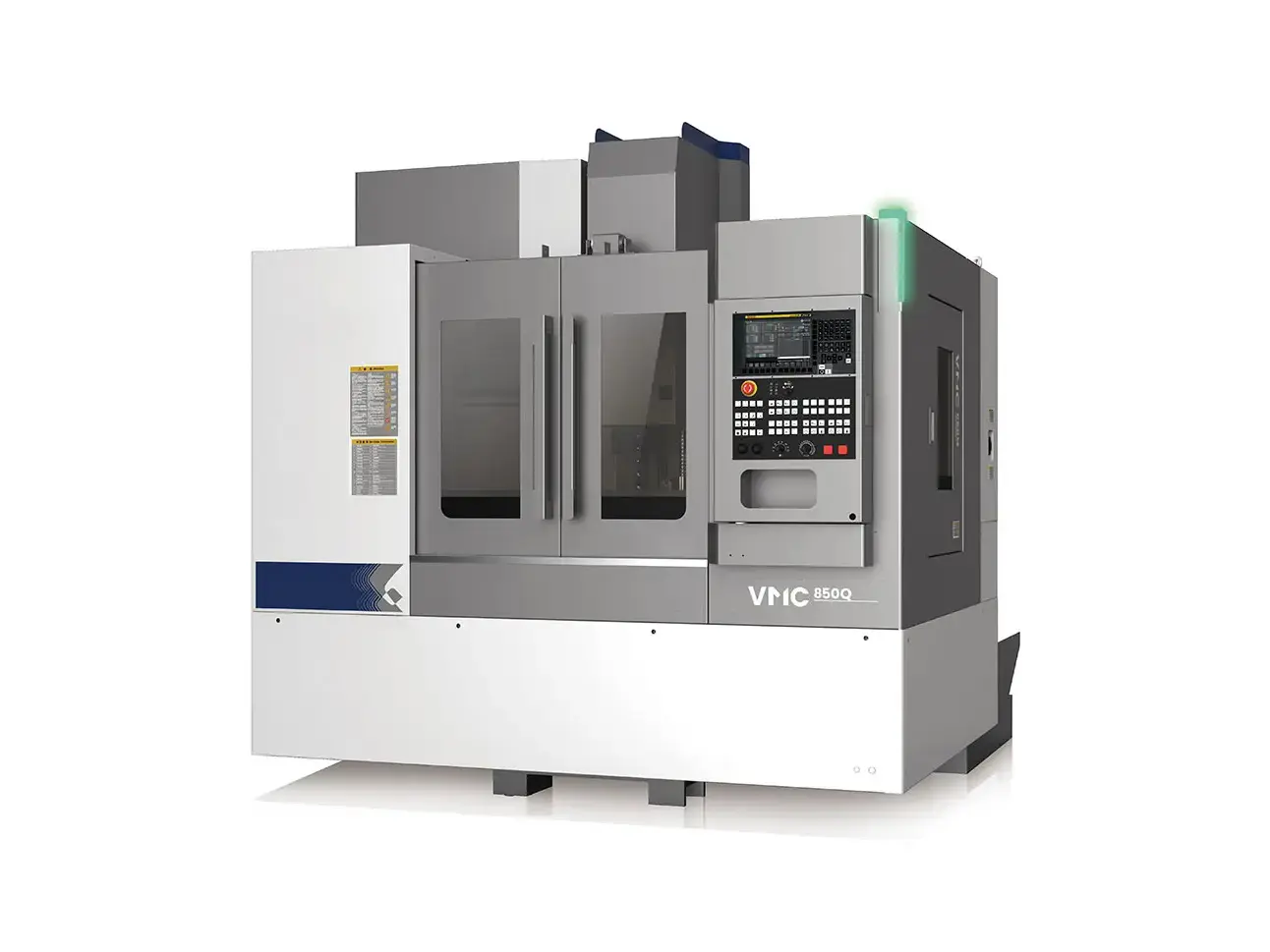 Lathe and Machining Center
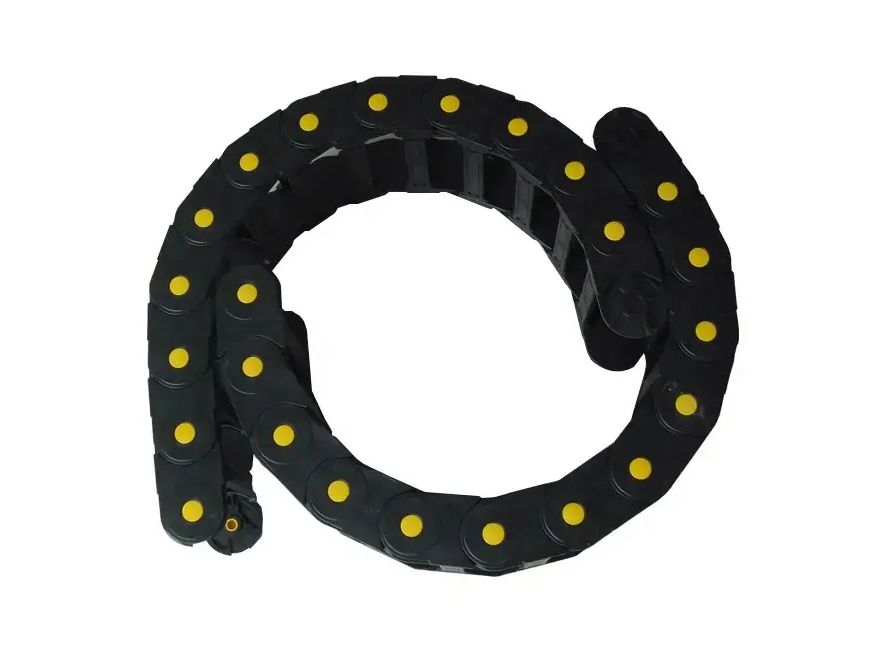 Machine Protection Products