2026 How to Choose the Best Cnc Milling Center for Your Needs?
Choosing the right CNC Milling Center can dramatically impact your manufacturing efficiency. With many options available, selecting one requires careful consideration. The right machine should align with your production goals, precision requirements, and budget constraints.
Understanding CNC Milling Centers means knowing their features and capabilities. A well-suited milling center should enhance your workflow and improve product quality. Manufacturers often overlook maintenance factors, which can lead to costly downtimes. Evaluating reliability and after-sales support is crucial.
Don’t rush the decision. Think about your long-term needs. Are you scaling up production? Will you need advanced features like multi-axis capabilities? Reflecting on these questions will guide you towards the best CNC Milling Center for your specific requirements.
Understanding CNC Milling Centers: Key Features and Functions
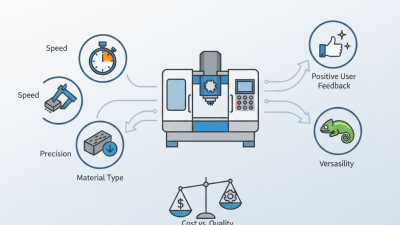
CNC milling centers play a crucial role in modern manufacturing. They offer precision, efficiency, and versatility. Understanding their key features can help you choose the best one for your needs. One major aspect is the spindle type. High-speed spindles enhance cutting performance, while heavier spindles provide stability for tougher materials.
Another important function is the tool change system. An efficient automatic tool changer saves time and increases productivity. Some machines allow for quick tooling swaps and extensive tool libraries, facilitating diverse projects. Pay attention to the machine's software compatibility as well. Advanced software aids in optimizing machining processes and helps in seamless integration with design tools.
Flexibility in production is also vital. Different materials require distinct approaches. Some milling centers excel in aluminum processing, while others handle steel or composite materials better. Think about your specific needs and consider the limitations of potential options. Choosing the right CNC milling center can be a complex task, but understanding these features is a great start.
Assessing Your Production Needs: How to Determine What You Require
When choosing a CNC milling center, understanding your production needs is crucial. Begin by assessing your specific application requirements. Examine the materials you will work with and the complexity of the parts you plan to produce. According to a 2022 industry report by the Association for Manufacturing Technology, around 72% of manufacturers reported that material adaptability significantly influences their equipment choices. This highlights the importance of selecting a milling center that can handle diverse materials, from aluminum to harder steels.
Next, consider the required production volume. Low-volume production might not necessitate a high-speed, multi-axis machine. In contrast, a study from Technavio indicates that nearly 40% of manufacturers intend to increase their output over the next five years. This trend implies that choosing a CNC milling center with scalability is vital. Keep in mind the balance between upfront costs and long-term efficiency. A more expensive machine may reduce cycle times and increase productivity, but it also demands a careful evaluation of your budget and expected return on investment.
Lastly, evaluate the ease of operation and maintenance. A user-friendly interface can reduce training time for operators. Research shows that around 60% of production downtime stems from operator errors, which can be mitigated by a well-designed control system. Yet, no machine is perfect, and understanding its limitations is essential. Regular maintenance needs may disrupt production, so plan accordingly. This depth of analysis will set the foundation for a well-informed decision.
Comparison of CNC Milling Center Production Needs
Material Compatibility: Choosing the Right CNC Milling Center for Materials
When selecting a CNC milling center, material compatibility is crucial. Different materials require specific machining processes and tools. For instance, aluminum is soft and can be machined quickly, while titanium is harder and requires specialized tooling. Understanding these differences helps in choosing the right machine for your projects.
Consider the materials you will work with most frequently. If your focus is on plastics, ensure the milling center can handle them efficiently. Different plastics have varying properties, impacting the tooling needed. It's essential to match spindle speed and feed rates to the material characteristics. This prevents issues like melting or poor finishes.
Another point to ponder is long-term versatility. You may start with one type of material but could expand your projects later. It's worth investing in a milling center that accommodates a range of materials. However, remember that a machine that can do everything may not excel at any one thing. Balancing flexibility and specialization is vital for achieving optimal results in your milling projects. Consider the future needs alongside current capabilities when making your decision.
Material Compatibility: Choosing the Right CNC Milling Center for Materials
| Material Type |
Recommended CNC Milling Center Type |
Cutting Speed (m/min) |
Feed Rate (mm/min) |
Best Tool Material |
| Aluminum |
High-speed CNC Milling Center |
120 |
800 |
Carbide |
| Steel |
Heavy-duty CNC Milling Center |
60 |
300 |
High-speed steel |
| Titanium |
Advanced CNC Milling Center |
30 |
150 |
Ceramic |
| Plastic |
Standard CNC Milling Center |
80 |
600 |
HSS |
| Copper |
High-speed CNC Milling Center |
100 |
500 |
Carbide |
Budget Considerations: Cost-Effective Options for CNC Milling Centers
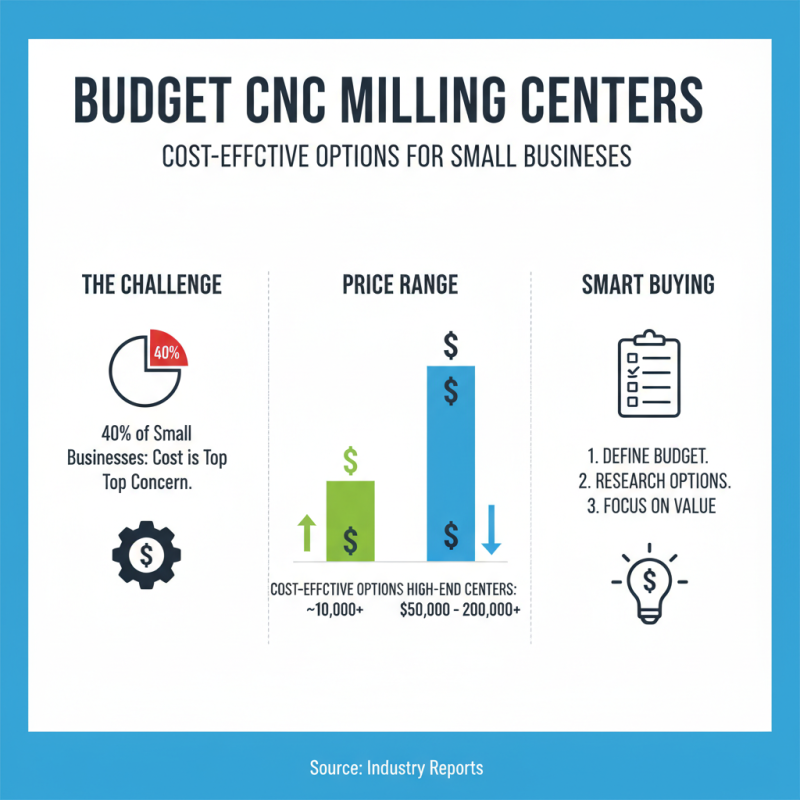
When selecting a CNC milling center, budget is a critical factor. In recent industry reports, nearly 40% of small businesses cite costs as their top concern when purchasing new machinery. Understanding your budget will help streamline options. Consider that high-end CNC milling centers can range from $50,000 to over $200,000, while cost-effective options can start at around $10,000.
However, a lower price does not always mean inferior quality. Many manufacturers offer machines that pack value without compromising performance. For instance, entry-level models may feature essential capabilities. They often provide a good starting point for less complex projects. Investing in a reliable used CNC milling center is also a viable option. This can often yield significant savings.
The total cost of ownership extends beyond the initial purchase. Maintenance and spare part availability can impact long-term expenses. Reports indicate that underestimating these costs can lead to financial strain. It's advisable to set aside around 15% of your budget for ongoing maintenance to ensure smooth operation. Reflecting on these factors can lead to better decision-making while navigating the market for the right CNC milling center.
Evaluating Manufacturer Reputation: Ensuring Quality and Reliability
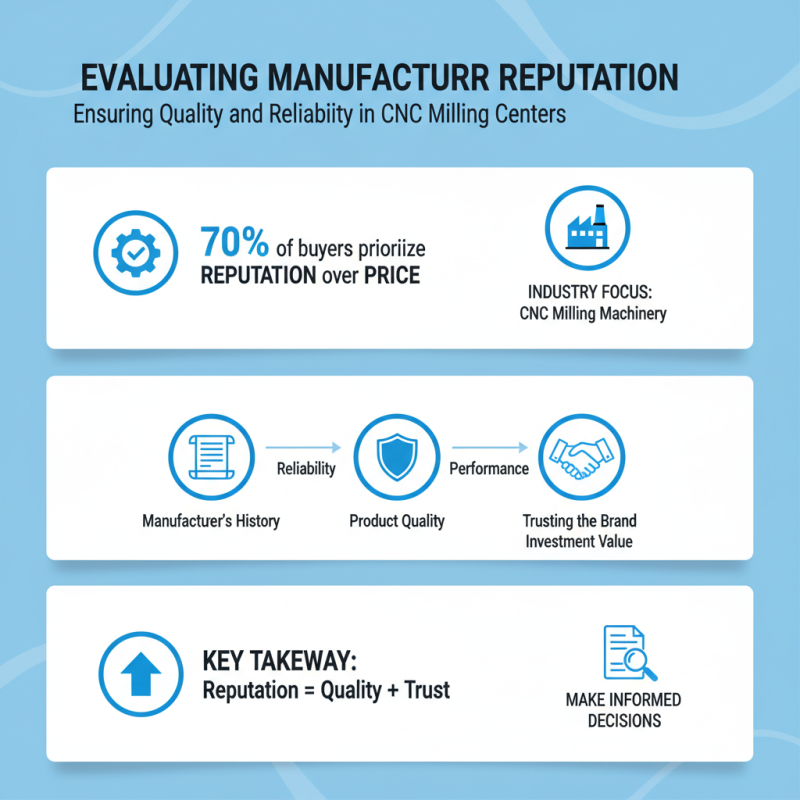
When selecting a CNC milling center, evaluating manufacturer reputation is crucial. A manufacturer’s history can provide insights into their reliability and product quality. According to recent industry studies, about 70% of buyers prioritize reputation over price when investing in machinery. This statistic underscores the importance of trusting the brand behind the machine.
Many manufacturers have established themselves as industry leaders through consistent performance. However, not all well-known brands guarantee excellent outcomes. For instance, some companies may excel in customer service, while their machines may not meet precision standards. It's essential to balance overall reputation with specific performance metrics. A report indicates that nearly 40% of customers experience issues with their CNC machines, often linked to inadequate post-purchase support.
Engaging with existing users can provide genuine feedback. Online reviews and industry forums can be valuable resources. Yet, one must approach reviews critically. Some reviews may be biased or unrepresentative. Crafting a well-rounded assessment often requires deeper exploration, emphasizing the need for more than just brand loyalty.

 Press Brake
 CNC Laser
 Industry Robot
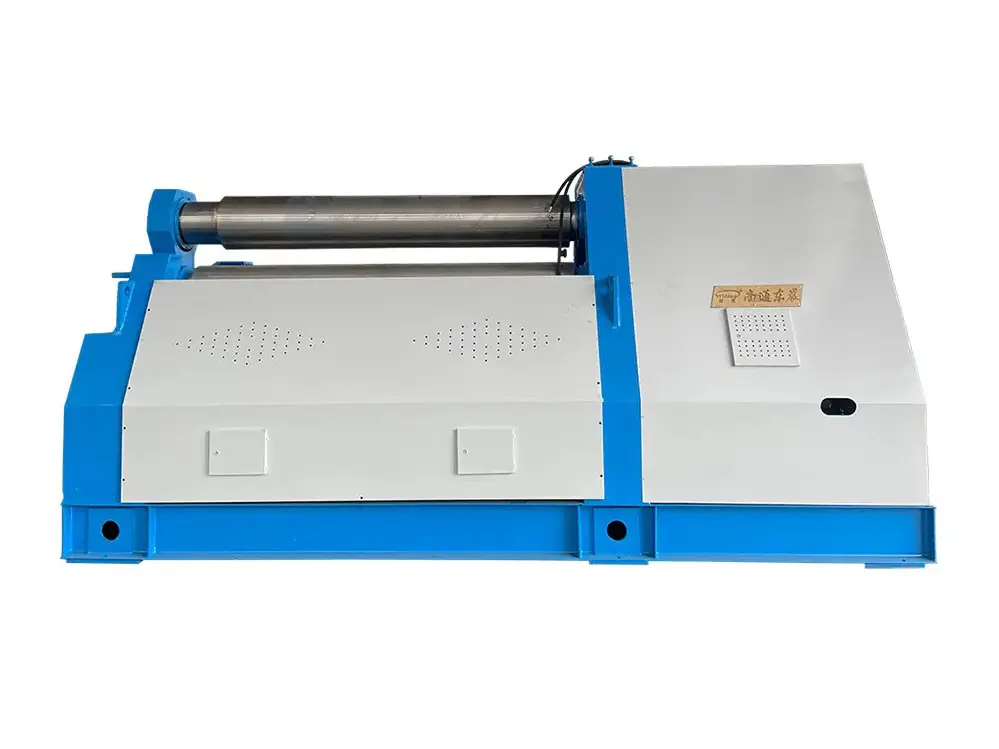 Plate Rolling Machine
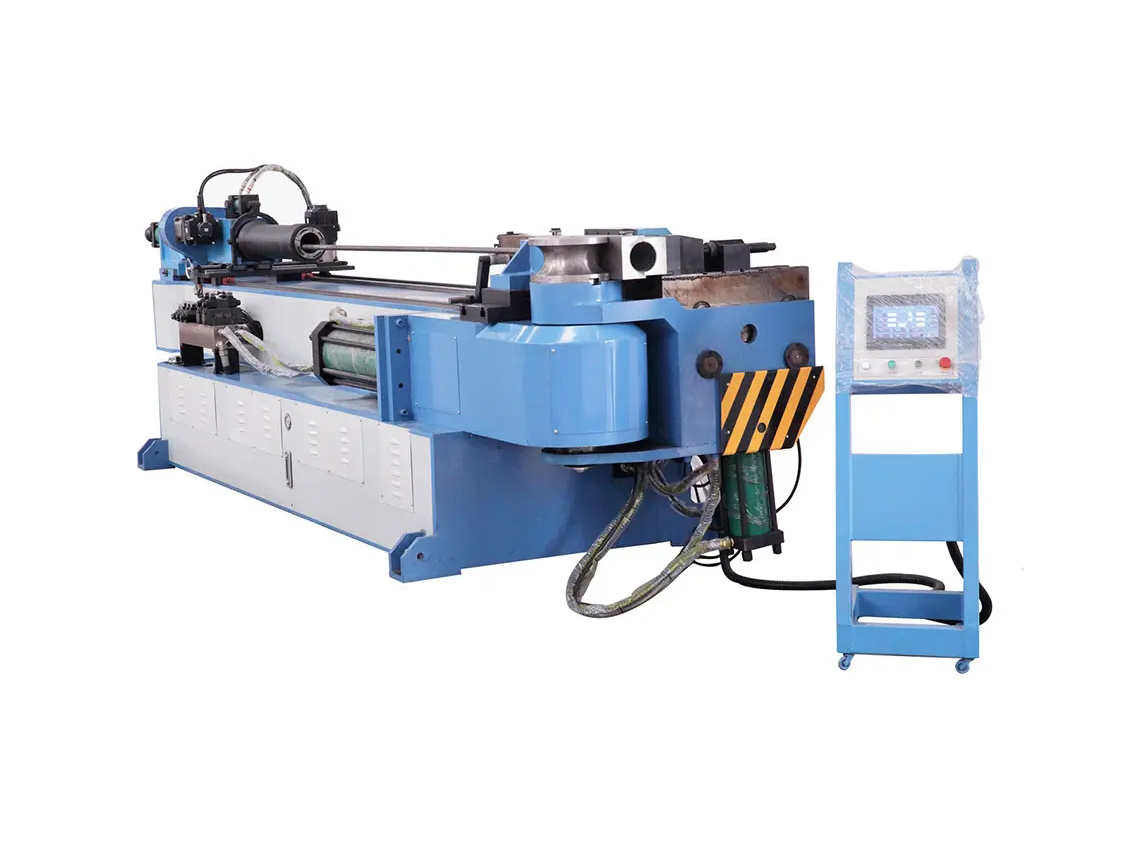 Tube Bending Machine
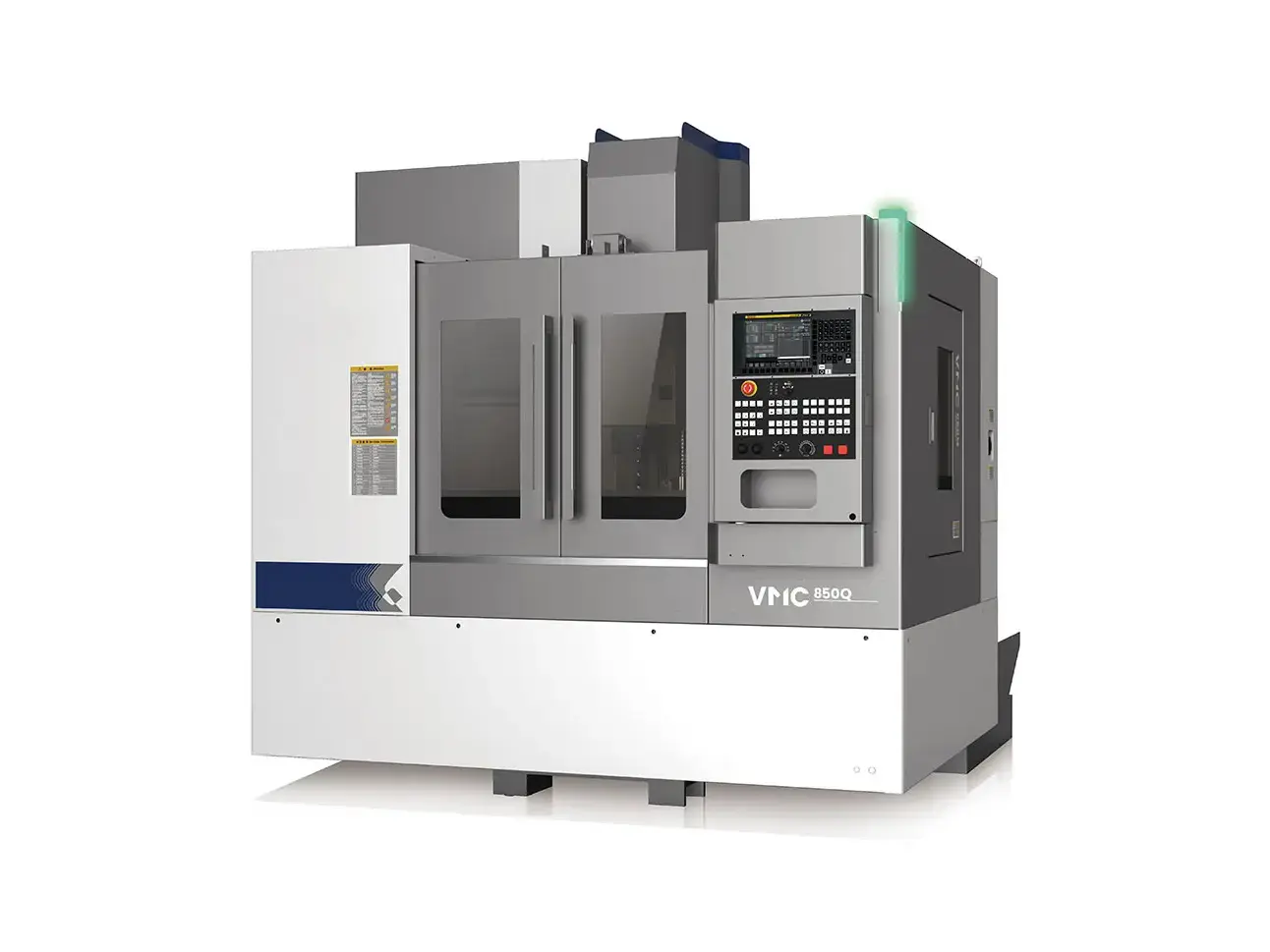 Lathe and Machining Center
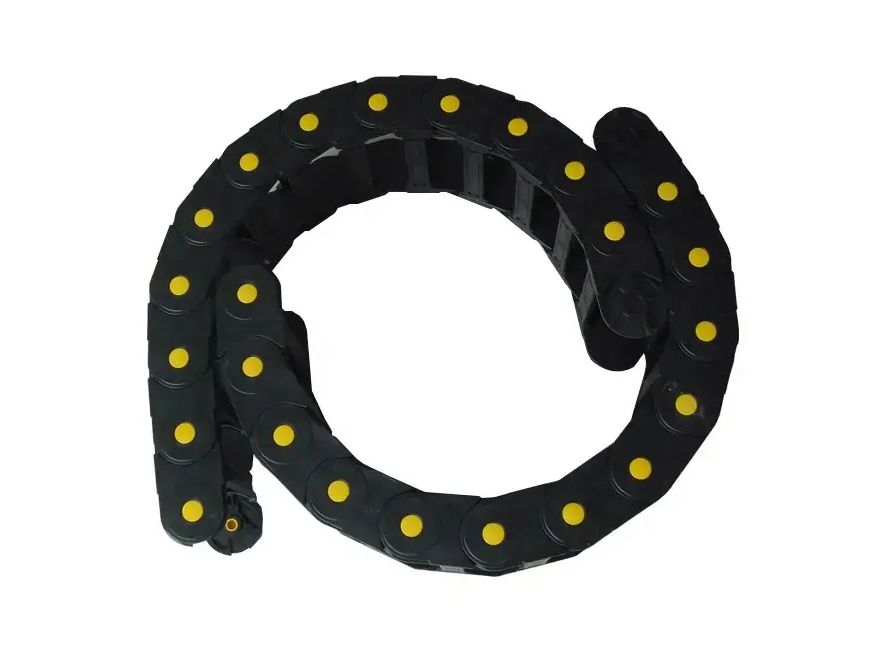 Machine Protection Products