Top 5 Laser Cutting Machines: Unleashing Precision and Innovation in Manufacturing
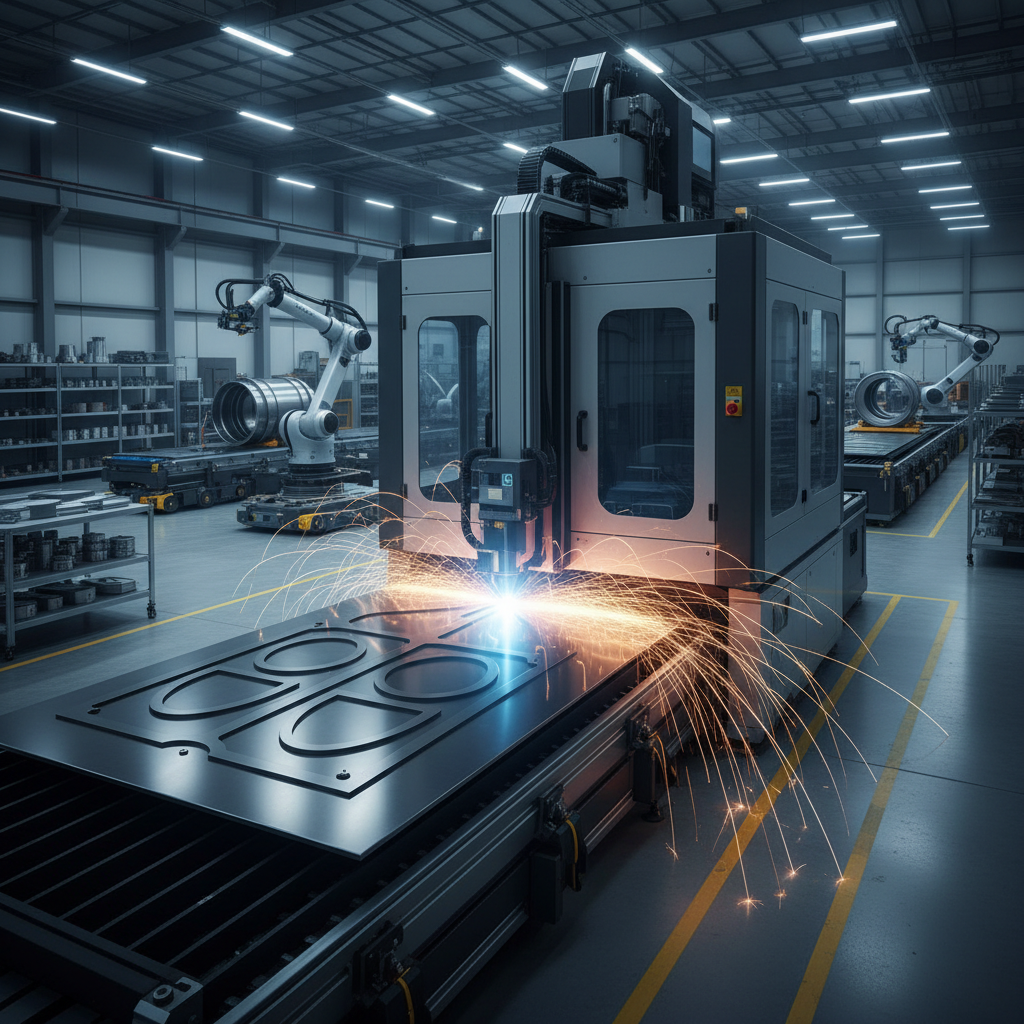
In the dynamic landscape of modern manufacturing, the role of advanced technologies, particularly the Laser Cutting Machine, has become increasingly vital. As reported by industry experts, the global laser cutting machine market is anticipated to reach a value of approximately $5.5 billion by 2027, growing at a CAGR of 5.8% from 2020. This remarkable growth underscores the rising demand for precision, efficiency, and innovation within the sector, driven by the need for intricate designs and versatile fabricating processes.
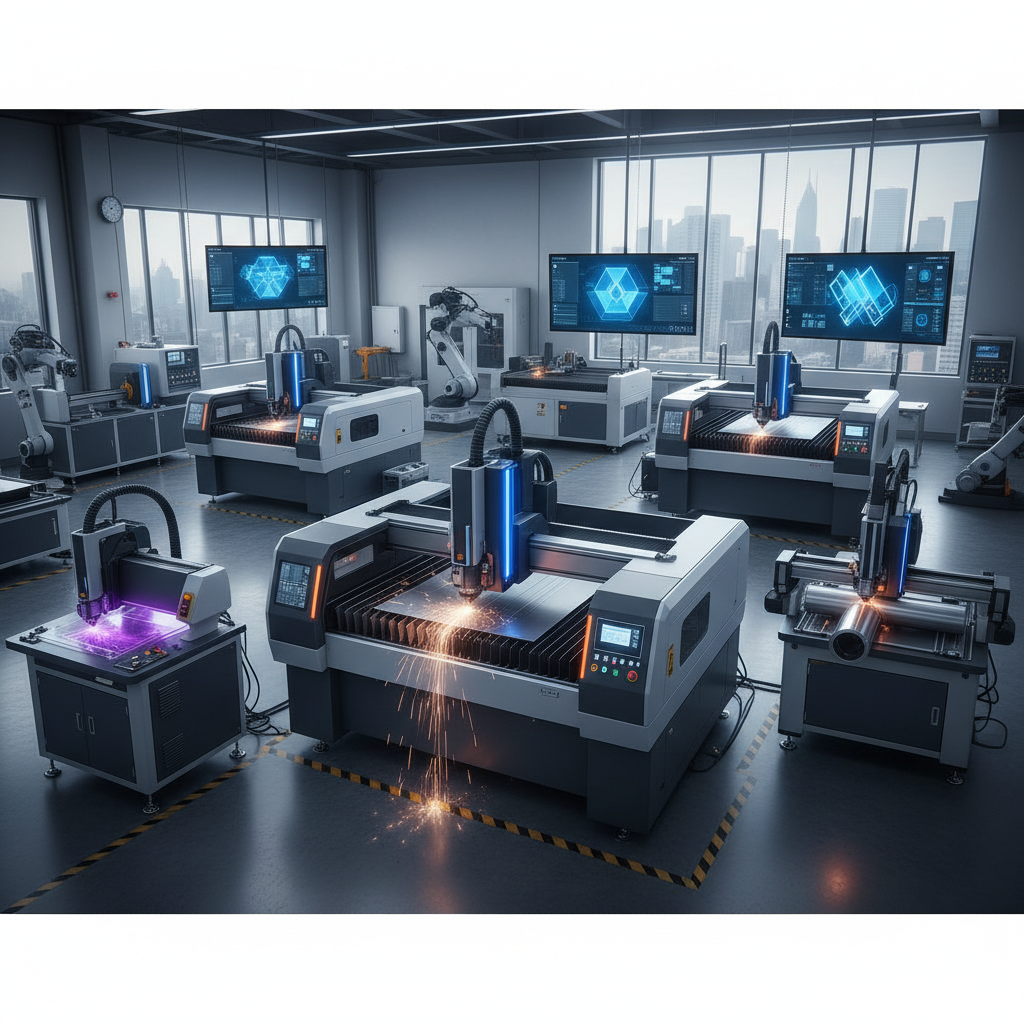
Laser cutting technology is revolutionizing how materials are processed, providing unparalleled accuracy and speed compared to traditional methods. The ability to effortlessly cut through a variety of materials, from metals to plastics, positions laser cutting as an indispensable tool in industries ranging from automotive to aerospace. Recent advancements further enhance its capabilities, with developments in fiber laser technology offering improved performance and energy efficiency. As we delve into the top five laser cutting machines, we will explore how these innovations not only elevate manufacturing processes but also contribute to sustainable practices by reducing waste and energy consumption.
Top 5 Laser Cutting Machines for Enhanced Manufacturing Efficiency and Precision
In today’s manufacturing landscape, precision and efficiency are paramount for staying competitive. Laser cutting machines have emerged as game-changers, providing manufacturers with enhanced capabilities that streamline processes and improve product quality. According to a report by MarketsandMarkets, the global laser cutting machine market is projected to reach $5.1 billion by 2026, growing at a CAGR of 6.4%. This indicates a robust demand for technologies that enhance operational performance and accuracy.
One of the key advantages of modern laser cutting machines is their ability to deliver intricate cuts with unmatched precision. Advanced CO2 and fiber laser technologies allow for thicknesses that range from thin sheets to thick materials, reducing waste and operational costs. A study by Gartner underscores that companies employing laser cutting technology have improved their production efficiency by an average of 25%, demonstrating the direct correlation between technological investment and operational success.
As manufacturers continue to seek innovative solutions to meet increasing consumer demands, investing in high-quality laser cutting machines can significantly elevate their manufacturing capabilities.
Key Technological Innovations in Laser Cutting Machines Revolutionizing the Industry
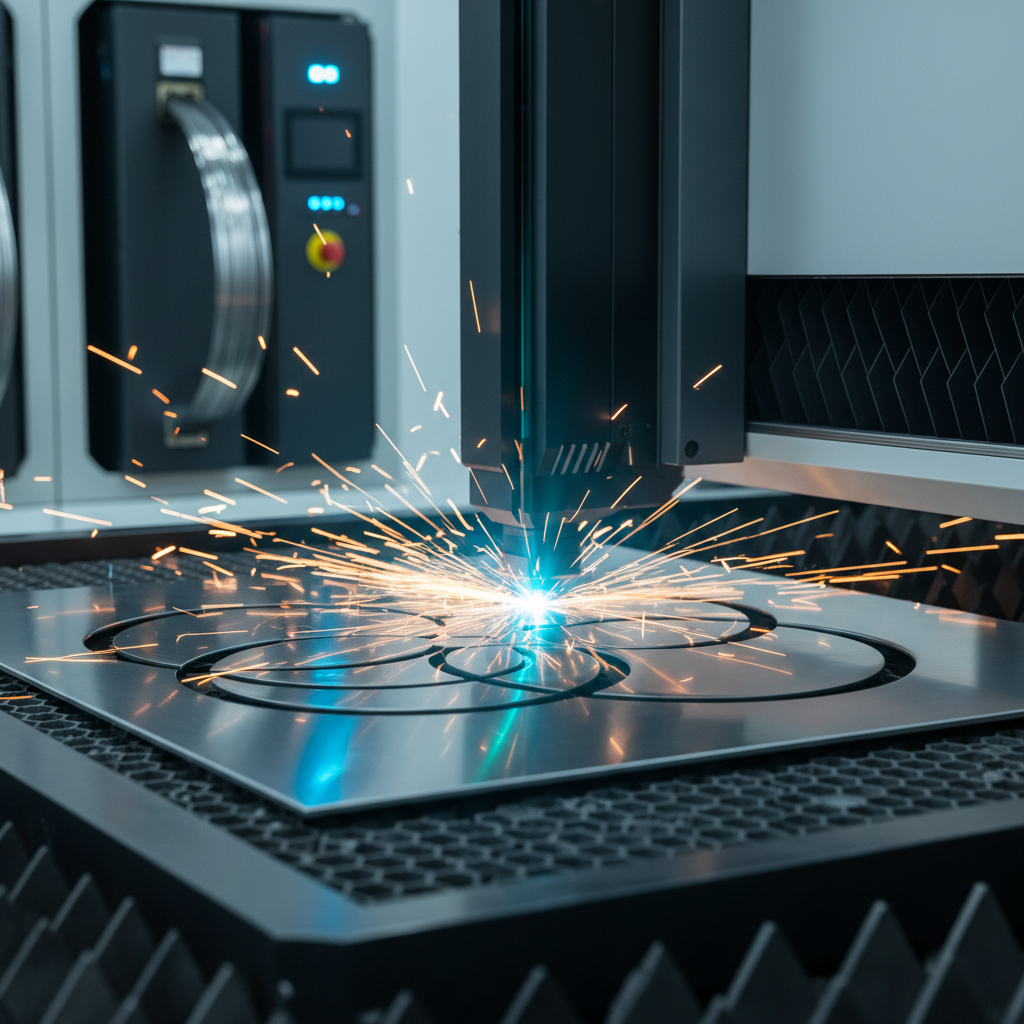
Laser cutting technology has seen remarkable advancements in recent years, greatly enhancing precision and efficiency in various industrial applications. Key innovations such as fiber laser systems have reshaped the landscape by offering improved energy efficiency, reducing operational costs significantly. According to a report by MarketsandMarkets, the global laser cutting machine market is projected to reach $4.80 billion by 2025, growing at a CAGR of 5.6% from 2020. This surge is largely attributable to innovations in laser technology that provide faster cutting speeds and higher quality finishes.
Moreover, the integration of automation and smart technologies into laser cutting machines has further revolutionized the manufacturing process. The development of CNC (Computer Numerical Control) systems allows for unprecedented levels of precision, enabling manufacturers to achieve complex designs with minimal human intervention. A survey conducted by IBISWorld indicates that 73% of manufacturing firms are already investing in automation technologies, recognizing the competitive edge it offers. Features such as real-time monitoring and adaptive cutting technologies not only enhance production efficiency but also enable businesses to respond swiftly to market demands, heralding a new era of innovation in the laser cutting industry.
Industry Statistics: Growth Trends and Market Demand for Laser Cutting Technology
The laser cutting technology market is experiencing significant growth, driven by advancements in precision engineering and increasing demand across various sectors. According to the IMARC Group, the overall laser technology market is projected to reach USD 37.7 billion by 2033. This robust growth is largely attributed to innovations in fiber lasers and expanding applications in healthcare and manufacturing sectors. As industries seek to enhance productivity and precision, the adoption of laser cutting machines is expected to surge.
In addition, specific segments such as the aluminum tube cutting machine market are set to witness remarkable expansion. Recent forecasts predict that this market will experience sustained growth, offering ample opportunities for businesses involved in metal fabrication. The global market analysis indicates that the cutting and bending machine market is anticipated to grow from USD 10.2 billion in 2025 to USD 20.3 billion by 2035, demonstrating a strong compounded annual growth rate (CAGR). This illustrates the increasing reliance on laser cutting technologies to meet the demands for high-quality fabrication in diverse manufacturing applications.
Growth Trends and Market Demand for Laser Cutting Technology
Comparison of Material Compatibility and Cutting Thickness Across Leading Laser Cutters
When exploring laser cutting machines, a crucial factor to consider is material compatibility and cutting thickness. The latest trends highlight the increasing versatility of laser cutters, allowing them to handle a wide array of materials such as wood, acrylic, metal, and even textiles. Each machine boasts different capabilities regarding cutting thickness, which directly affects the precision and scope of projects. For instance, advanced laser models can cut through several millimeters of metal, while others may excel in engraving delicate patterns onto thinner materials, further expanding their applications in various industries.
Moreover, the ongoing dialogue surrounding sustainable practices in production emphasizes the importance of selecting machines that not only deliver superior performance but also minimize environmental impacts. Innovations like ultrasonic and laser-assisted techniques are being developed to enhance efficiency, particularly in areas such as leather cutting, where sustainability and precision must go hand-in-hand. With such advancements, manufacturers can better meet industry demands while adhering to greener practices, making informed choices regarding their equipment vital for future growth and responsibility in the industry.
Case Studies: Success Stories of Businesses Utilizing Laser Cutting for Competitive Advantage
As businesses strive for competitive advantage, laser cutting technology has emerged as a key player in transformation across various sectors. Companies that have adopted this innovation showcase remarkable case studies, demonstrating how laser cutting not only enhances precision but also streamlines production processes. For instance, a local automotive manufacturer reduced waste significantly by implementing advanced laser cutting systems, leading to both cost savings and increased output.
Tips for businesses looking to integrate laser cutting include investing in training for staff to fully harness the technology's capabilities and regularly maintaining equipment to prevent downtime. Additionally, collaborating with technology providers can ensure access to the latest advancements in laser cutting technology, which is crucial in today's rapidly evolving industrial landscape.
With China rapidly innovating in advanced industries, it is essential for businesses worldwide to consider laser cutting as a viable option to stay competitive. By learning from success stories and embracing technology, companies can position themselves favorably in a market increasingly influenced by advanced manufacturing techniques.

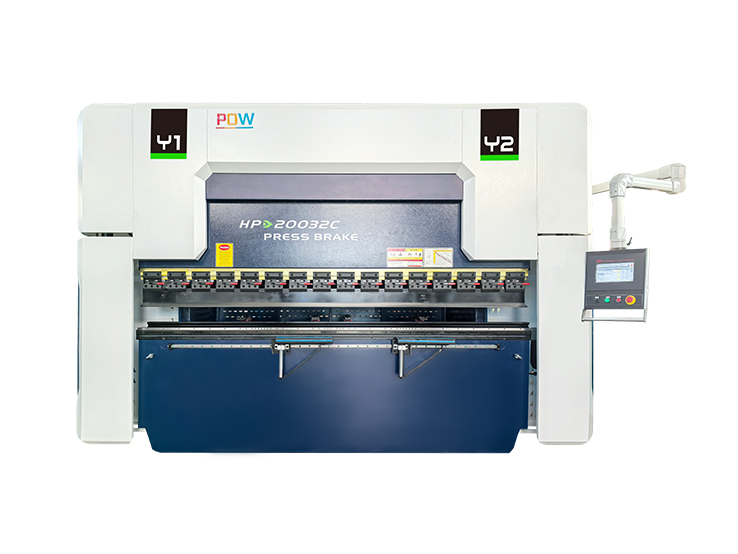 Press Brake
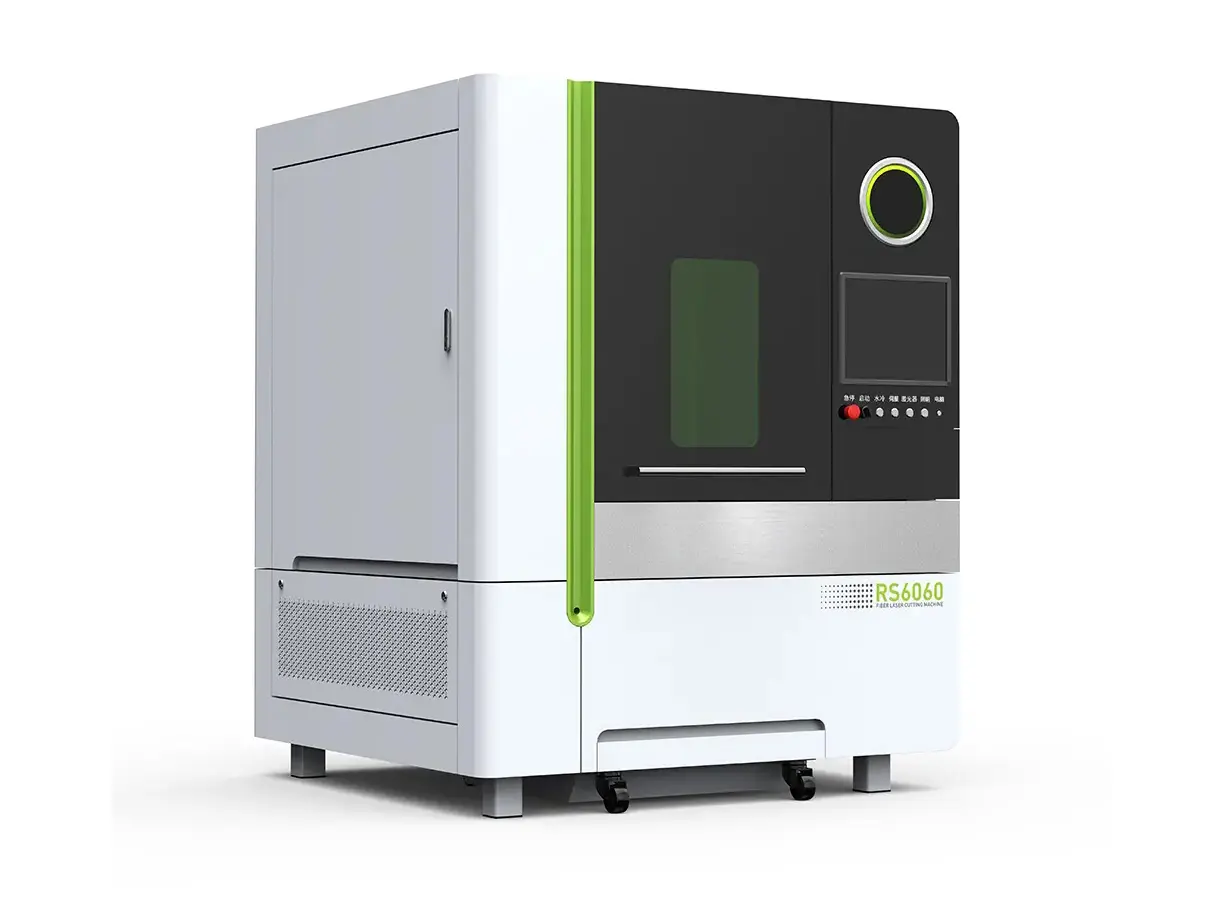 CNC Laser
 Industry Robot
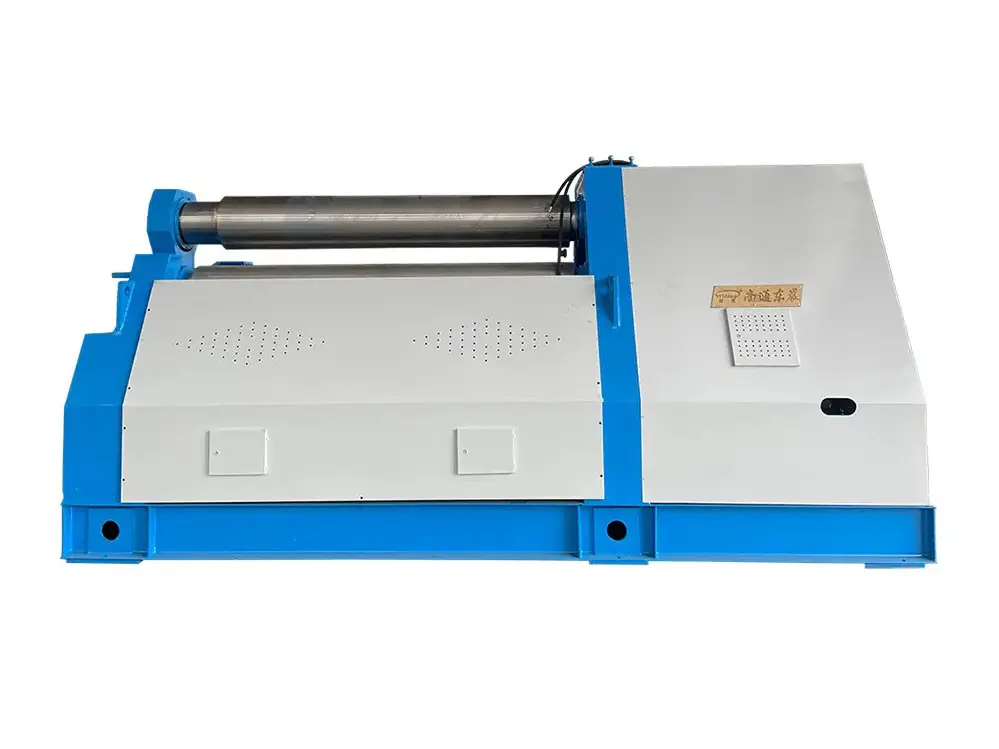 Plate Rolling Machine
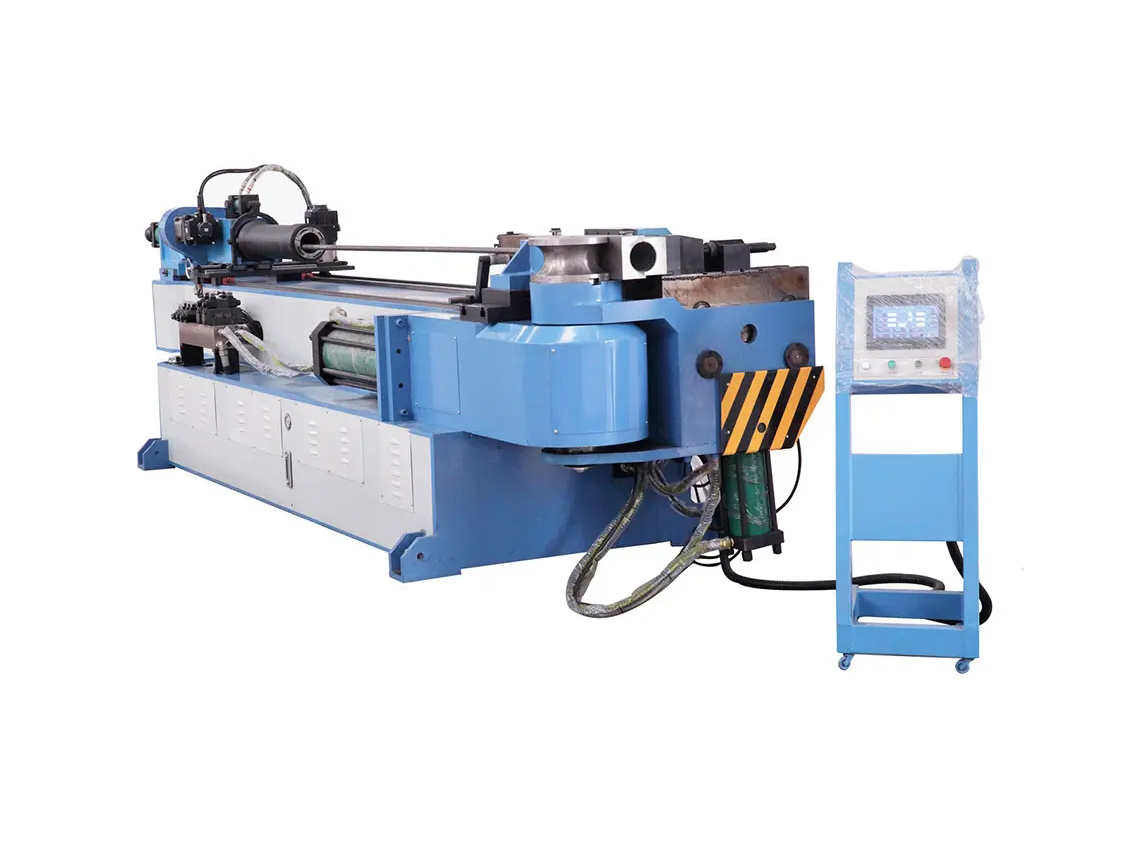 Tube Bending Machine
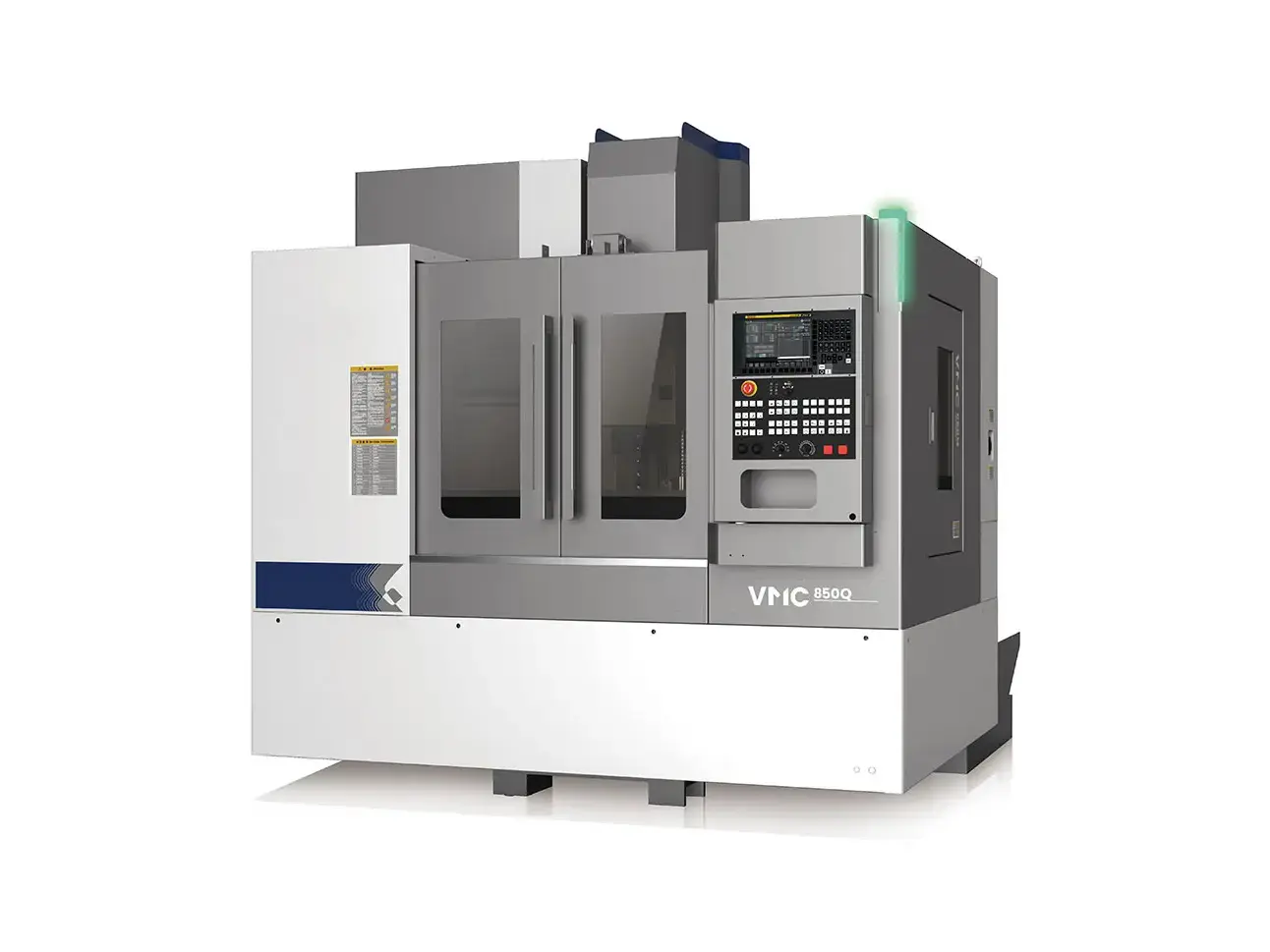 Lathe and Machining Center
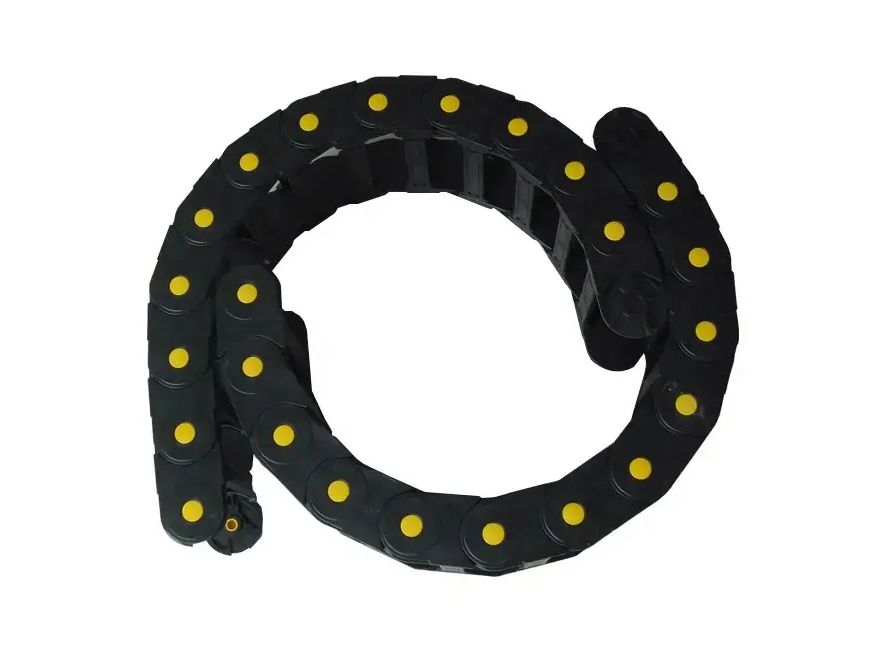 Machine Protection Products