Top Laser Cutting Machines in China for Global Buyers?
The global laser cutting machine market is experiencing significant growth. According to a recent market report, the sector is expected to reach $5 billion by 2026, driven by advances in technology and increased demand from various industries. This surge in popularity highlights the importance of finding reliable laser cutting solutions.
China stands out as a leader in the production of laser cutting machines. Its technology is often praised for efficiency and affordability. A study from the China Manufacturing 2023 report indicates that Chinese machines typically cost 30% less than their Western counterparts. However, cost alone cannot dictate quality. Buyers must consider reliability and support services when choosing equipment.
Despite these advantages, challenges remain. Some buyers report difficulties in after-sales support. This can deter potential customers seeking long-term partnerships with manufacturers. Understanding these dynamics is crucial for global buyers looking to invest in laser cutting machines. The quest for high-quality, reliable machinery continues to grow, making informed choices essential in navigating this competitive landscape.
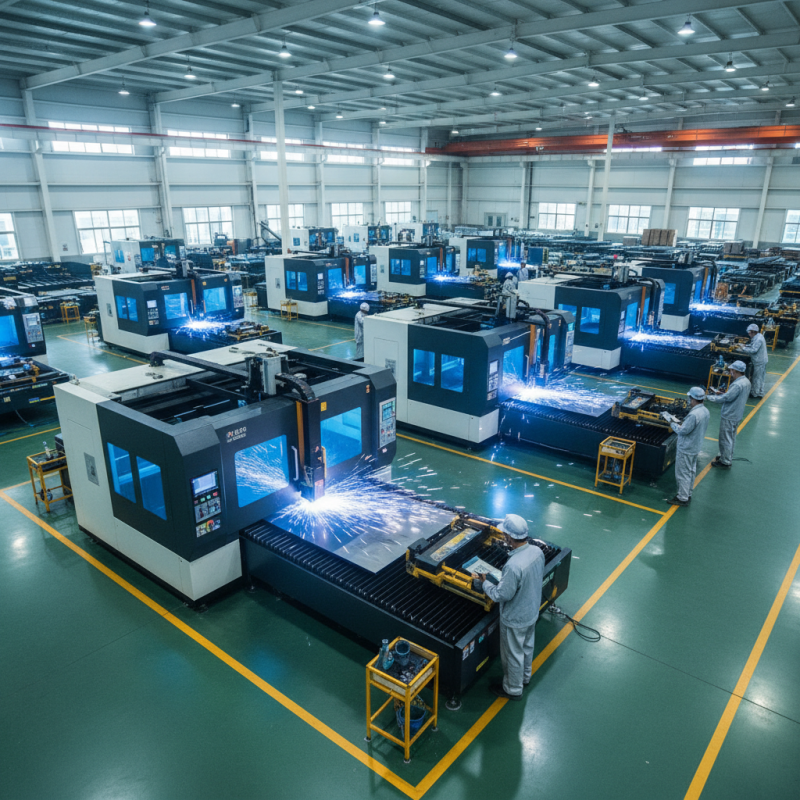
Overview of Laser Cutting Technology and Its Applications
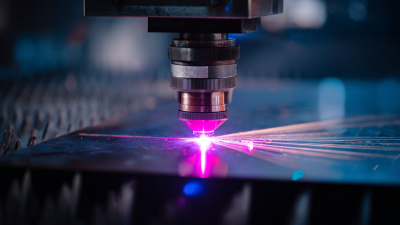
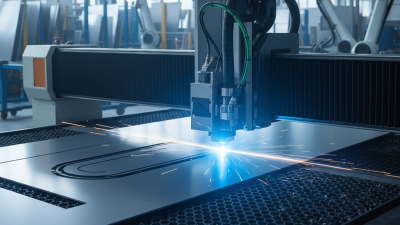
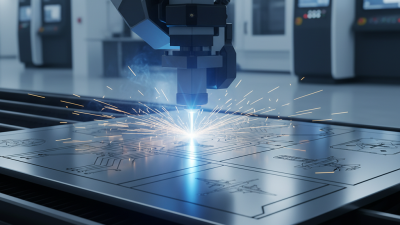
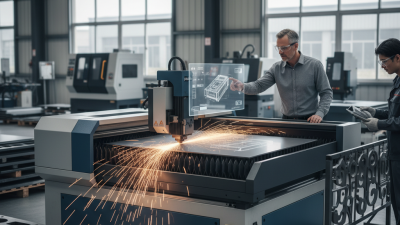
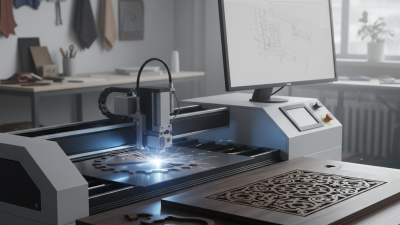
Laser cutting technology has transformed various industries with its precision and efficiency. It works by using a high-powered laser beam to cut through materials like metal, wood, and plastic. This process is highly adaptable, making it suitable for a range of applications from intricate designs to heavy-duty industrial tasks. The ability to produce clean, fine edges is a major advantage for manufacturers.
In recent years, the technology has gained popularity in sectors such as automotive, aerospace, and electronics. Designers appreciate the freedom it gives them to create complex shapes that would be challenging to achieve with traditional methods. However, understanding the appropriate settings and materials is essential. Mistakes in these areas can lead to wasted resources and time.
Even though laser cutting is efficient, not all applications will benefit equally from it. Some materials may warp under heat, while others might be too thick for certain machines. Evaluating these factors is crucial for maximizing the technology's potential. Continuous learning and adaptation in material choice and machine settings remain areas for reflection and improvement.
Top Laser Cutting Machines in China for Global Buyers
Factors to Consider When Choosing a Laser Cutting Machine
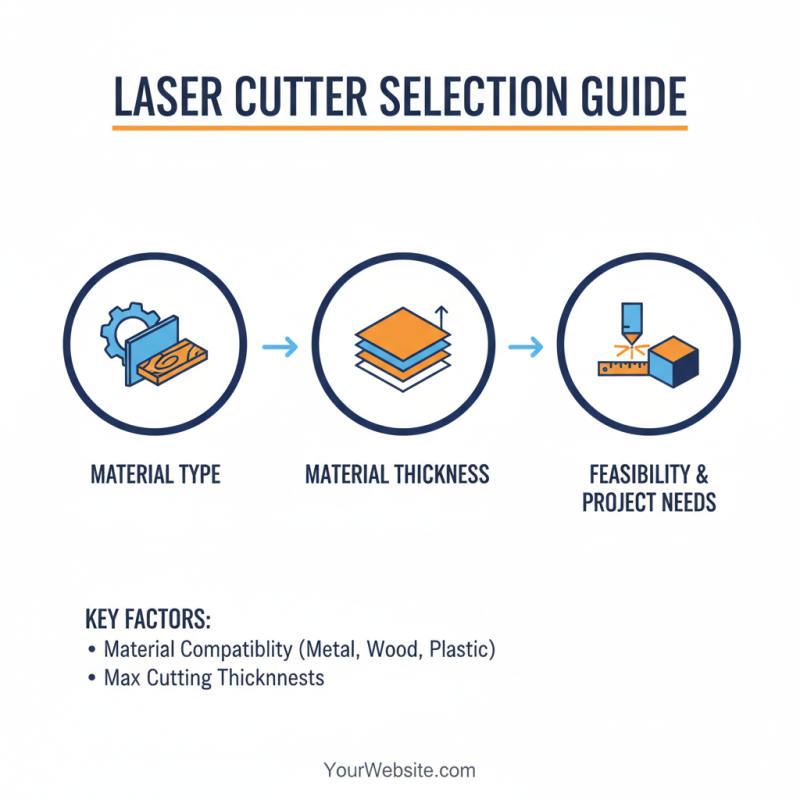
When selecting a laser cutting machine, several factors come into play. The type of material you plan to cut is crucial. Different machines handle materials like metal, wood, or plastic uniquely. Consider the thickness of the material too. Machines have specifications on maximum cutting thickness. This directly affects your project's feasibility.
In addition to material compatibility, power and precision are key. Higher wattage often translates to faster cutting speeds. However, precision is as vital, especially for intricate designs. A machine that cuts fast but lacks accuracy can lead to waste and frustration. The technology involved in optics and laser focus is equally important.
**Tips:** Ensure the machine's software is user-friendly. Complicated software can lead to errors. Always check for customer support and warranty options. This is essential for long-term reliability. Lastly, ask for demonstrations to see the machine in action. Observing real-time performance can reveal much about its capabilities and limitations.
Top Chinese Manufacturers of Laser Cutting Machines
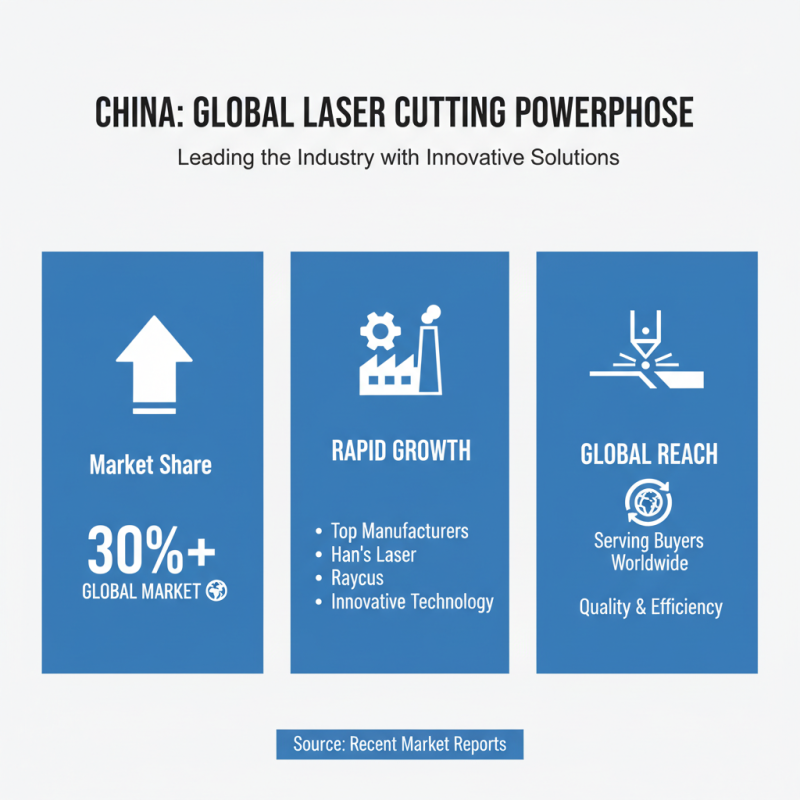
China has emerged as a powerhouse in the laser cutting machine industry, serving global buyers with innovative solutions. According to recent market reports, the country accounts for over 30% of the global laser cutting machine market. This significant share highlights the rapid growth of Chinese manufacturers in this sector.
Manufacturers focus on advanced technology. Many utilize fiber laser systems, which offer efficiency and precision. Industry insiders highlight that these systems improve cutting speeds by 30% compared to traditional methods. However, quality control remains a challenge for some manufacturers. Not all comply with international standards, leading to potential risks for buyers.
Chinese manufacturers also face fierce competition. The global demand for laser cutting solutions is rising. Reports suggest that the market will grow at a compound annual growth rate (CAGR) of 7% over the next five years. Yet, this growth brings scrutiny. Buyers must be diligent in selecting suppliers to ensure they meet required quality benchmarks. Overall, the landscape is promising but requires careful navigation.
Comparative Analysis of Popular Laser Cutting Models
Laser cutting technology has gained immense popularity worldwide, especially in China. Various models offer unique features tailored to diverse industries. Buyers often seek reliability, precision, and cost-effectiveness. The comparative analysis of these popular models reveals strengths and weaknesses.
One notable feature is cutting speed. Some machines excel with rapid processing, while others focus on intricate details. Precision plays a huge role in industries such as automotive and aerospace. However, not all models achieve consistent results in complex shapes. This discrepancy can lead to unexpected production delays.
Another point to consider is maintenance. Some machines require frequent upkeep, which increases operational costs. Conversely, a few models are designed for easy maintenance, making them attractive for long-term use. Future buyers must weigh upfront costs against ongoing maintenance and reliability. Balancing these factors is essential for informed decisions.
Top Laser Cutting Machines in China for Global Buyers
| Model |
Laser Type |
Cutting Area (mm) |
Max Cutting Thickness (mm) |
Power (W) |
Price Range (USD) |
| Model A |
Fiber Laser |
1500 x 3000 |
25 |
2000 |
$15,000 - $20,000 |
| Model B |
CO2 Laser |
1300 x 2500 |
20 |
1500 |
$10,000 - $15,000 |
| Model C |
Fiber Laser |
2000 x 4000 |
30 |
3000 |
$25,000 - $30,000 |
| Model D |
CO2 Laser |
1600 x 1000 |
15 |
1800 |
$12,000 - $16,000 |
Global Market Trends and Future Prospects for Laser Cutting Machines
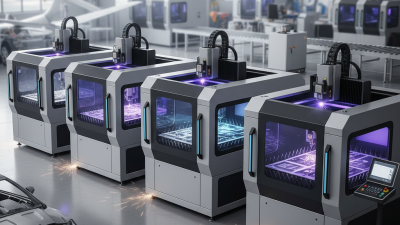
The laser cutting machine market is evolving rapidly, influenced by advancements in technology and increasing demand across various industries. Manufacturers in China are responding to global trends by innovating and enhancing their products. This development creates opportunities and challenges for global buyers. The shift towards automation and smart manufacturing has made laser cutting machines more efficient.
Yet, not all products meet the same quality standards. Buyers must navigate this landscape carefully. They should evaluate machines not just on price but also on performance and reliability. Investing in a quality machine can lead to significant long-term savings. However, the range of options can be overwhelming.
Future prospects look promising. More sectors, from automotive to aerospace, are integrating these machines into their production lines. As sustainability becomes a priority, manufacturers are focusing on eco-friendly techniques. Buyers should look for machines that minimize waste and energy consumption. This focus not only aligns with global market trends but also encourages better practices in manufacturing.

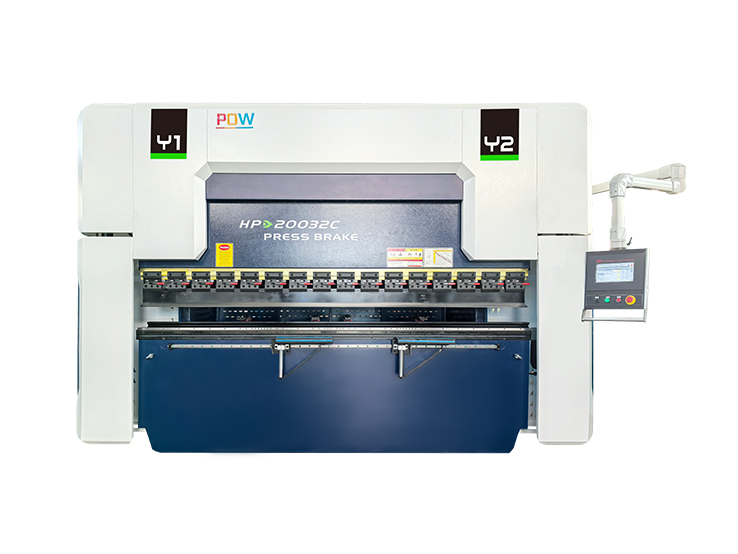 Press Brake
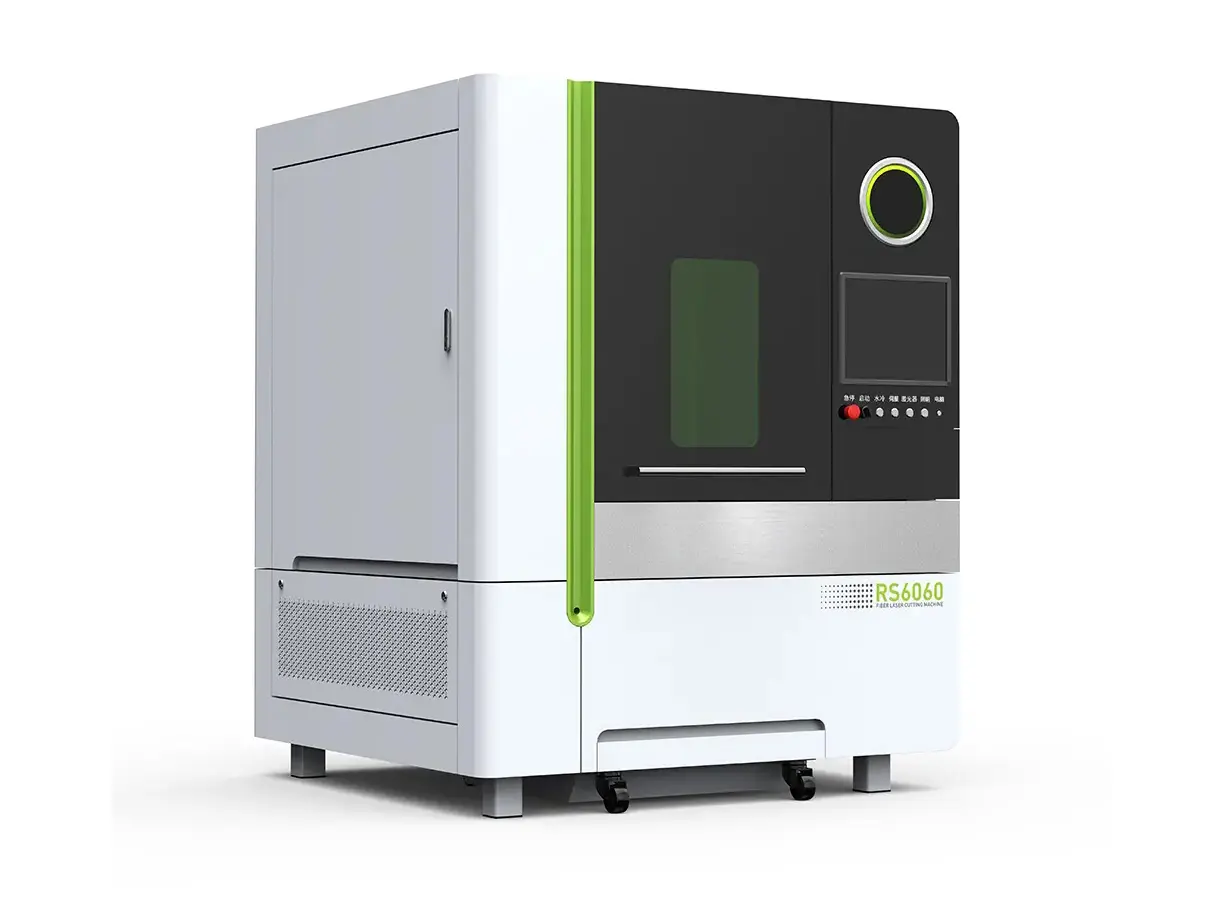 CNC Laser
 Industry Robot
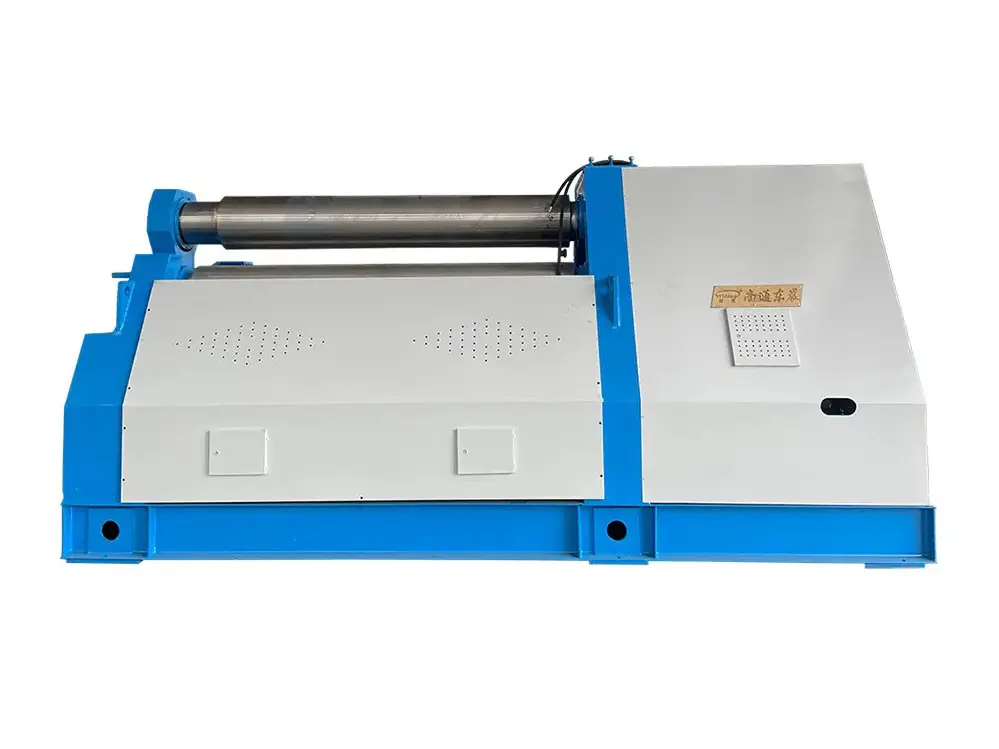 Plate Rolling Machine
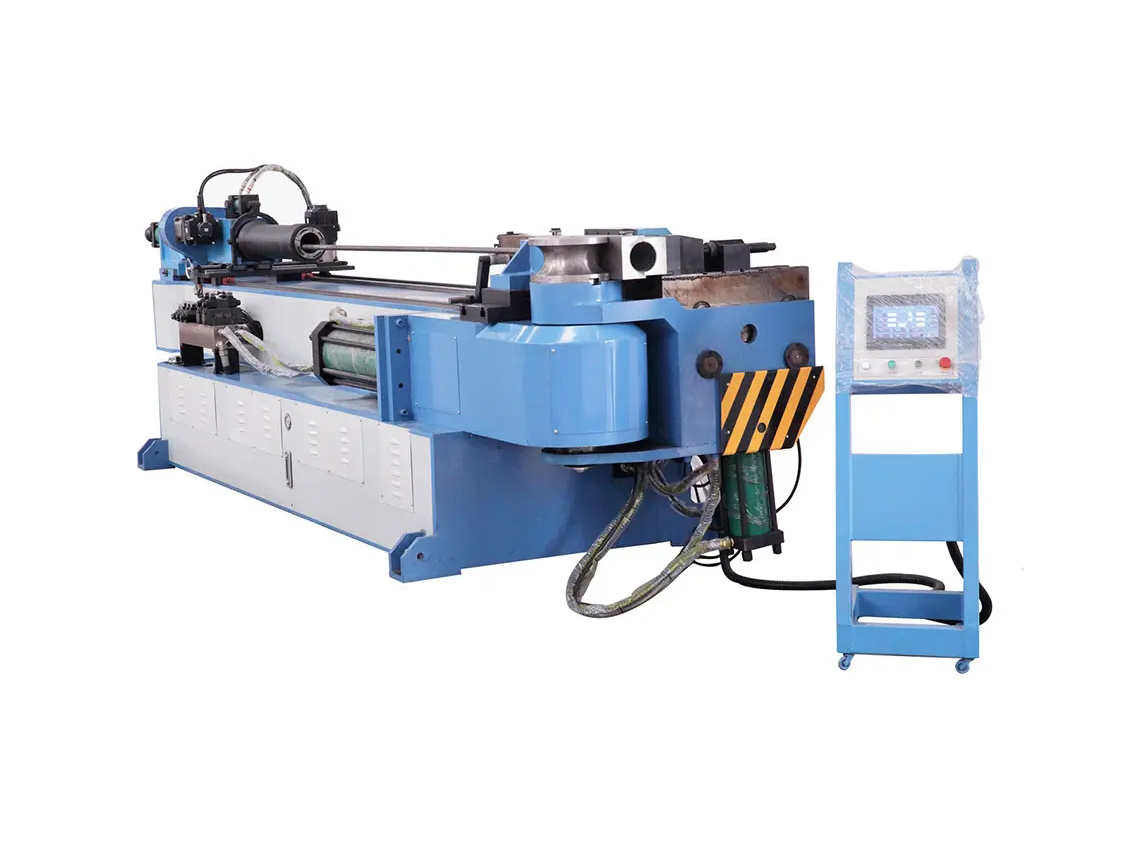 Tube Bending Machine
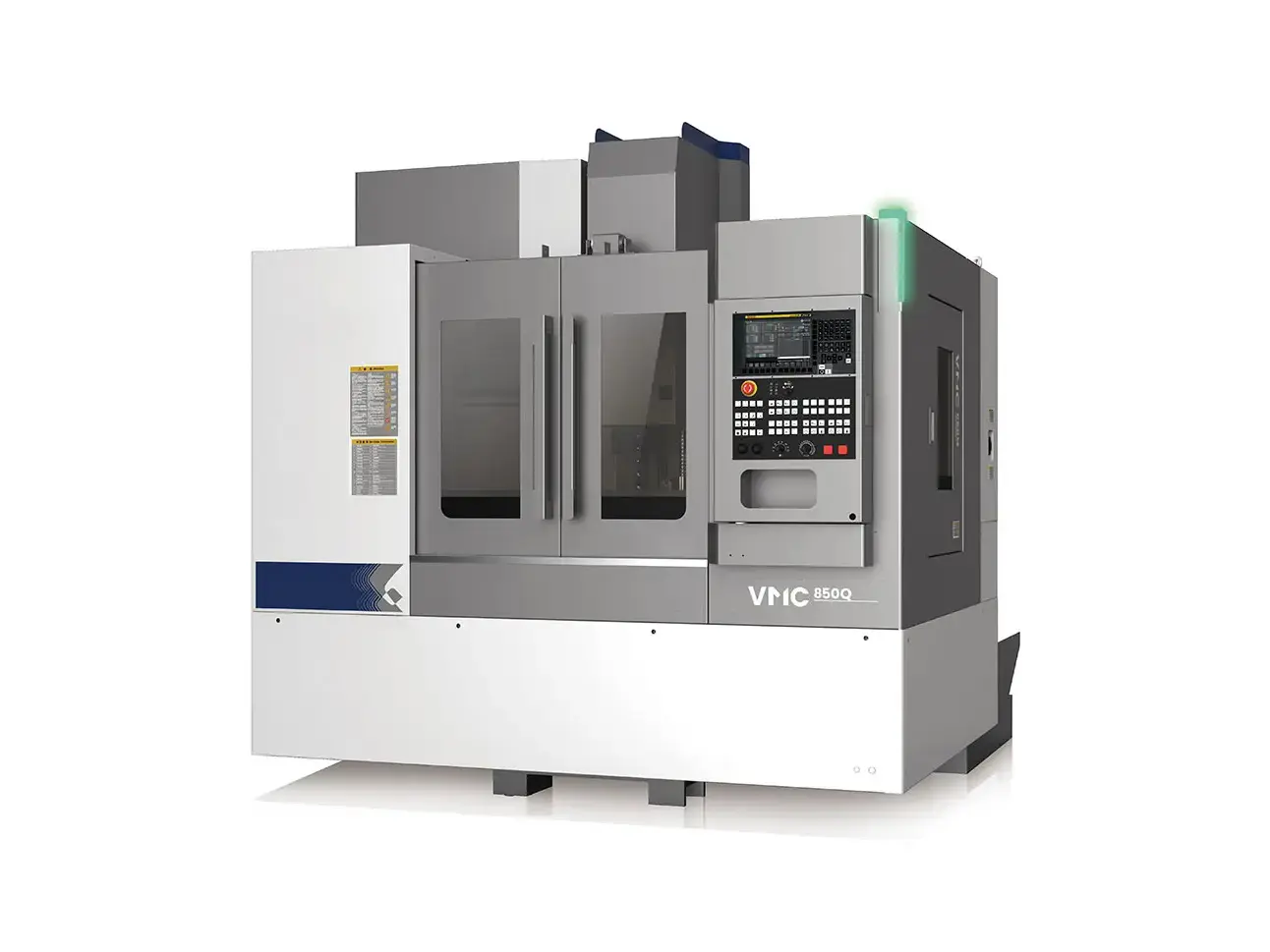 Lathe and Machining Center
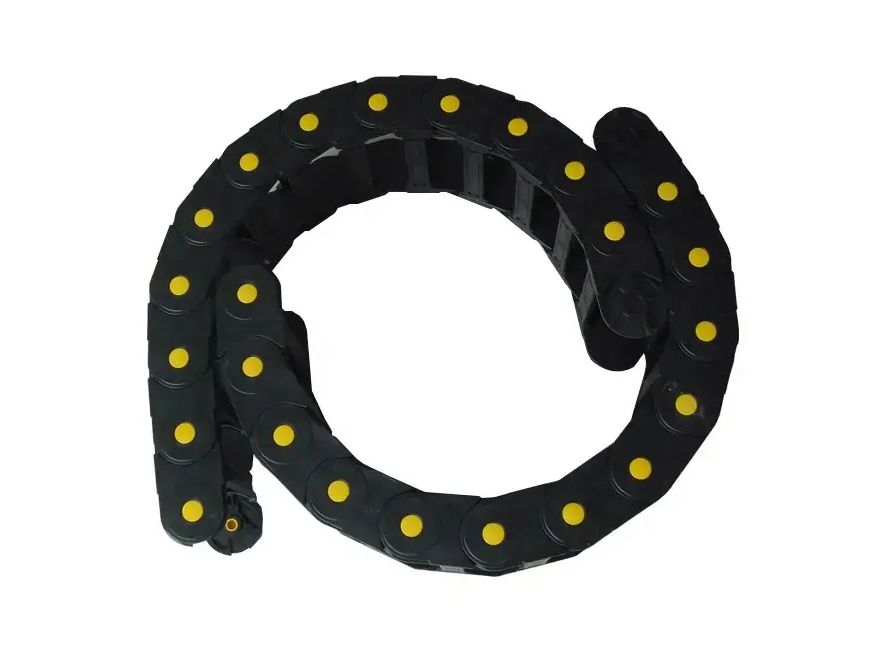 Machine Protection Products