In the modern industrial landscape, operational efficiency and equipment longevity are paramount for success. One significant innovation that has emerged to enhance these aspects is the use of Plastic Drag Chains. According to a recent industry report by MarketsandMarkets, the global market for cable management solutions, including drag chains, is projected to reach $2.7 billion by 2025, underscoring the growing recognition of these components in various industrial applications.
Plastic Drag Chains offer numerous advantages, ranging from improved protection for cables and hoses to enhanced mobility and organization in dynamic machinery environments. Their lightweight yet durable construction allows for smoother operation and reduced wear and tear, contributing to lower maintenance costs and increased system reliability. Additionally, studies indicate that facilities implementing effective cable management solutions, such as Plastic Drag Chains, have reported a decrease in downtime by up to 30%, proving their vital role in streamlining industrial processes and boosting productivity.
As industries continue to evolve and prioritize efficiency, the adoption of Plastic Drag Chains will likely remain on the rise, reinforcing their importance in achieving operational excellence and sustainability. Understanding the top benefits of these innovative systems can help organizations make informed decisions to optimize their processes and enhance overall performance.
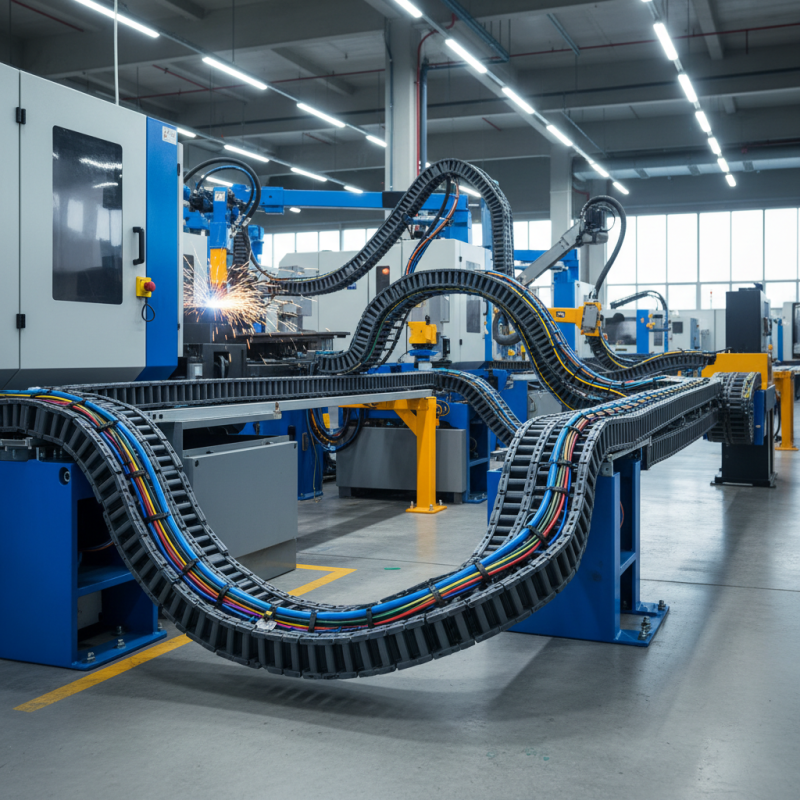
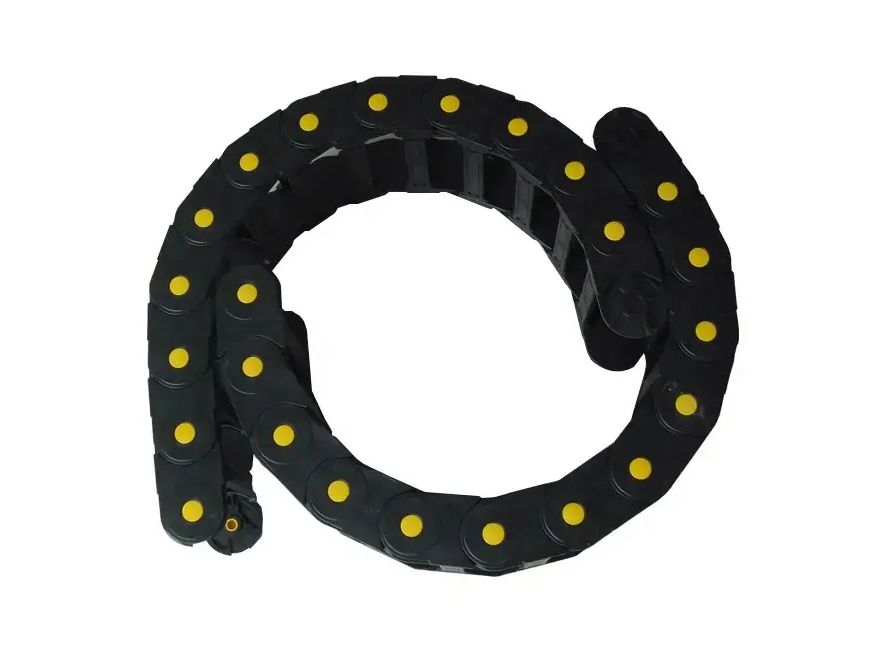
Plastic drag chains have become a pivotal component in various industrial settings due to their numerous benefits. These chains are engineered to streamline the movement of cables and hoses, ensuring a well-organized and efficient workspace. One of the primary advantages of using plastic drag chains is their lightweight nature, which reduces the overall burden on machinery, thereby enhancing performance and minimizing wear and tear. Additionally, plastic materials are resistant to a variety of chemicals, making them suitable for harsh environments where exposure to corrosive substances may occur.
Furthermore, plastic drag chains contribute significantly to safety in industrial applications. By securely guiding cables and hoses, they help prevent tangles and potential accidents, promoting a safer work environment for operators. The flexible design of these chains allows for easy installation and adaptability to various machinery configurations, facilitating maintenance and reducing downtime. Ultimately, the integration of plastic drag chains not only improves operational efficiency but also enhances the lifespan of equipment, making them an invaluable asset in modern industrial practices.
In industrial applications, the protection of cables is paramount to ensuring smooth and efficient operations. Plastic drag chains have emerged as a leading solution in this realm, providing enhanced cable protection that significantly reduces wear and tear. According to a report by the International Journal of Industrial Technology, nearly 30% of maintenance issues in automated systems stem from cable damage. Drag chains effectively mitigate this risk by enclosing cables within a robust structure that prevents tangling and physical damage, extending their lifespan.
Furthermore, drag chains contribute not only to cable protection but also to operational safety. The National Safety Council estimates that cable-related accidents can lead to substantial financial losses and operational downtime, with an average of $200,000 in costs for a single incident. By utilizing plastic drag chains, businesses can minimize the risk of cable entanglement and associated hazards, thereby enhancing workplace safety and efficiency. The flexibility and lightweight nature of these chains allow for customized solutions tailored to any machinery or workspace, making them an invaluable asset in various industrial environments.
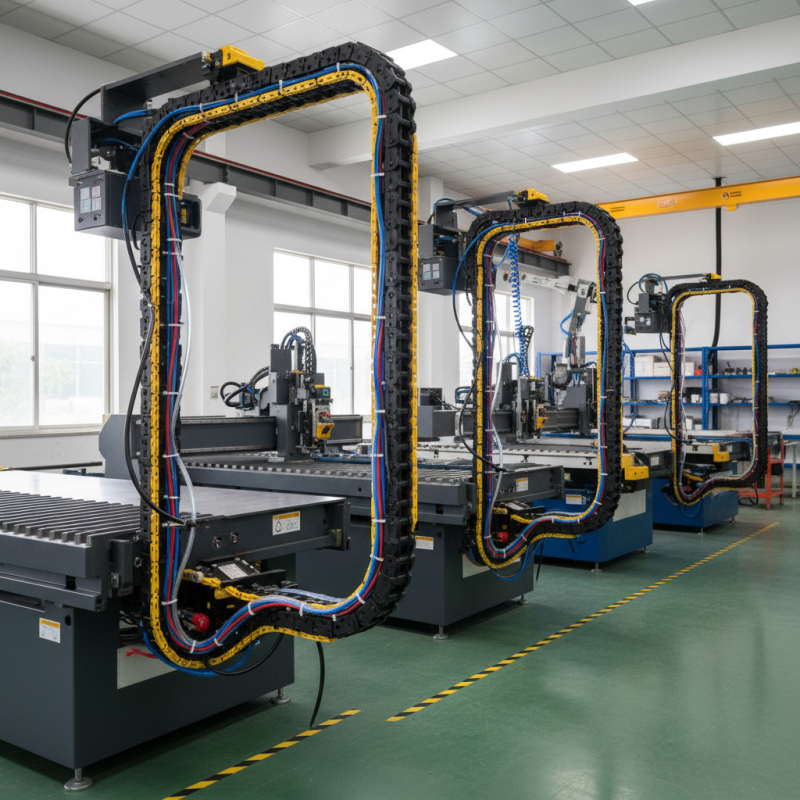
The use of plastic drag chains in industrial applications significantly enhances the flexibility and mobility of machinery operations. These chains provide a streamlined method for organizing and managing cables and hoses, allowing for smoother and uninterrupted movement within the work environment. Unlike rigid alternatives, plastic drag chains can adapt to various motion scenarios, such as bending, twisting, and lateral movement, which means they align perfectly with the dynamic nature of manufacturing processes.
Moreover, the lightweight yet durable design of plastic drag chains contributes to improved agility in machinery. This reduction in weight minimizes the strain on moving parts, leading to better energy efficiency and less wear and tear over time. As machines operate with increased mobility, the likelihood of operational malfunctions decreases, resulting in enhanced productivity.
By facilitating easier access to cables and hoses, maintenance becomes simplified, allowing for quicker resolutions to any potential issues while ensuring that machines maintain optimal performance during their operational cycles.
In industrial applications, the use of plastic drag chains significantly reduces maintenance efforts related to cable wear. A recent industry report highlighted that businesses spend up to 30% of their maintenance budget on cable management and associated replacements. This financial burden stems from frequent wear and tear on cables exposed to constant movement and external factors. By incorporating plastic drag chains, companies can increase the lifespan of their cables by up to 70%, translating to fewer replacements and less downtime.
Moreover, the reduction in maintenance tasks associated with cable wear leads to enhanced operational efficiency. Studies indicate that equipment downtime can cost industries up to $20,000 per hour, depending on the sector. Plastic drag chains not only offer better protection against abrasion and harsh environmental conditions but also streamline the cable deployment process. With the effective routing and organization provided by drag chains, technicians can complete maintenance checks and cable replacements in a fraction of the time, further minimizing interruptions in production activities. This efficiency not only boosts productivity but also allows for better resource allocation within maintenance departments.
This chart illustrates the benefits of using plastic drag chains in industrial applications, demonstrating significant scores in reduced maintenance, decreased downtime, and other advantages. Each benefit is assigned a score from 1 to 10, highlighting the effectiveness of plastic drag chains in enhancing operational efficiency.
In industrial applications, the cost-effectiveness of utilizing plastic drag chains becomes increasingly evident when evaluating operational efficiency and maintenance expenses. Unlike their metal counterparts, plastic drag chains are typically lighter, which translates to reduced energy consumption during machine operation. Their design minimizes friction and wear, effectively prolonging the lifespan of connected cables and hoses. This durability not only safeguards against frequent replacements but also lowers the overall cost of ownership for businesses.
Moreover, plastic drag chains often require less complex installation and maintenance procedures compared to traditional materials. Their flexibility allows for easier routing and management of cables in various configurations, saving time during setup and adjustments. This simplicity can lead to significant labor cost savings over time, as technicians spend less time on installations and more on productive tasks. Additionally, the availability of affordable plastic drag chain options makes them an attractive choice for businesses looking to optimize their budget without sacrificing performance or reliability.
| Benefit | Description | Cost Savings | Durability | Weight |
|---|---|---|---|---|
| Lightweight Design | Reducing strain on machinery | 15% reduction in energy costs | 5+ years with proper care | 50% lighter than metal alternatives |
| Reduced Wear and Tear | Minimizing friction between components | 20% savings on maintenance | 10 years lifespan | N/A |
| Noise Reduction | Lowering operational sound levels | No direct savings, but improves workplace | Durable materials | N/A |
| Flexibility | Easily customizable for various setups | Reduction in tooling costs | Highly resistant | Customizable weight options |
| Corrosion Resistance | Resistant to harsh chemicals and environments | Long-term savings on replacements | 15+ years in chemical applications | N/A |
| Low Friction | Enhances movement and mobility of components | 10% energy cost reduction | Robust design | N/A |
| Easy Installation | Installing quickly and efficiently | Savings on labor costs | High loads capacity | N/A |
| Aesthetically Pleasing | Available in various colors and designs | Positive impacts on brand image | Long-lasting finish | N/A |
| Environmentally Friendly Options | Made from recyclable materials | Cost-effective recycling process | Sustainable materials | N/A |
Plastic drag chains are increasingly recognized for their numerous benefits in industrial applications. They provide enhanced cable protection, significantly reducing the risk of wear and damage during machinery operations. This improved protection translates into better flexibility and mobility for equipment, allowing for smoother and more efficient movements. Additionally, the use of plastic drag chains leads to decreased maintenance needs and minimizes downtime, as cables remain in optimal condition for longer periods.
Moreover, plastic drag chains are a cost-effective solution for industries, as their durability and reduced need for replacement lower overall operational costs. They also present an eco-friendly option, as many plastic drag chains are made from recyclable materials, contributing to sustainable practices within the industry. By adopting plastic drag chains, businesses can achieve a balance of efficiency, economy, and environmental responsibility in their operations.