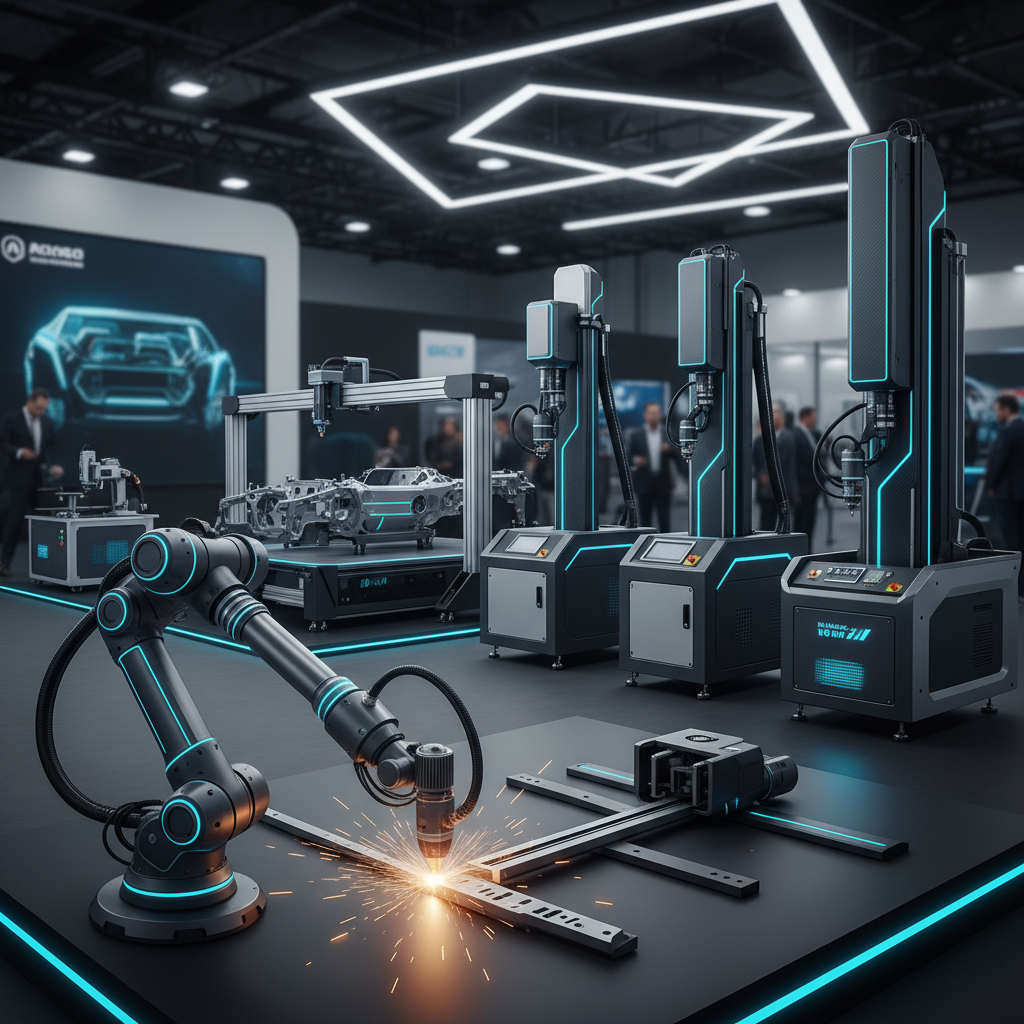
2025 Top 5 Laser Welding Machines You Need to Know About
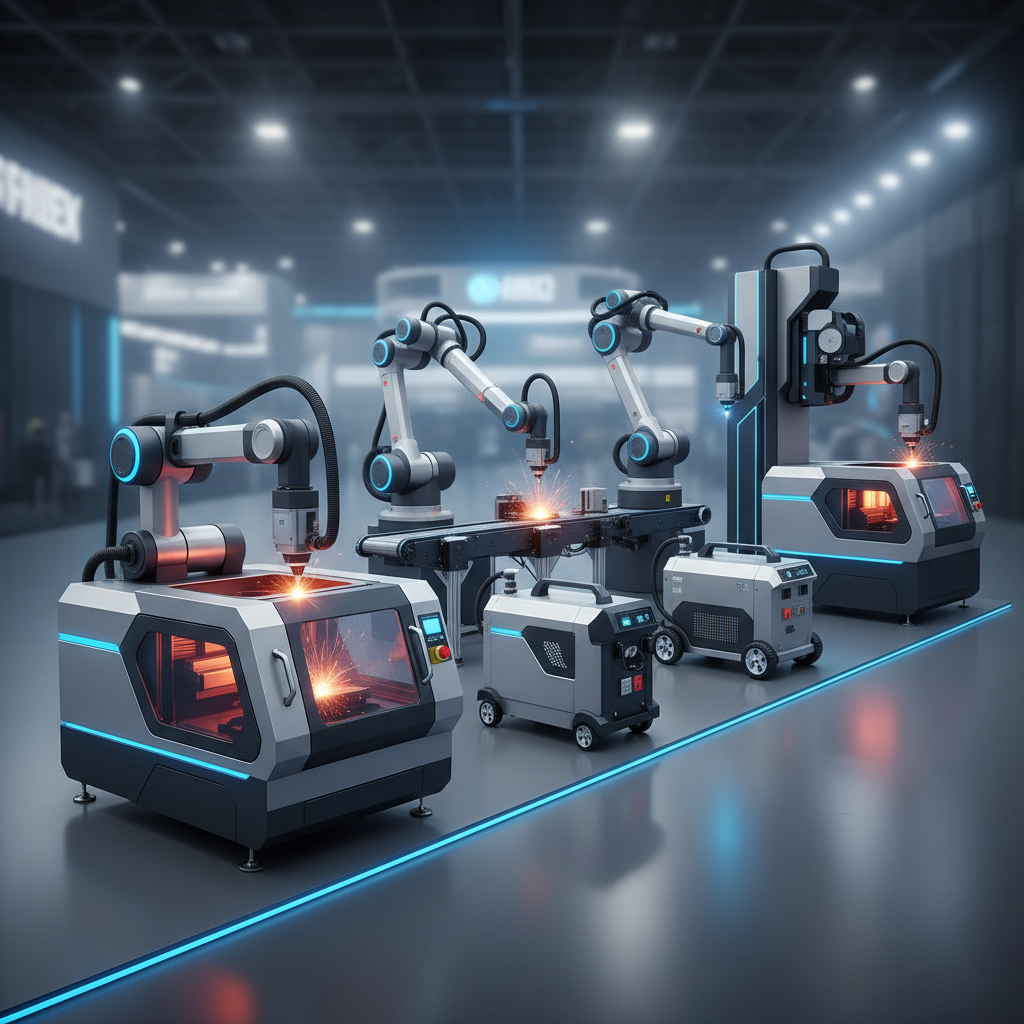
In the realm of modern manufacturing and fabrication, the significance of advanced technologies cannot be overstated. Among these innovations, the Laser Welding Machine stands out as a pivotal solution that enhances precision, efficiency, and scalability in various industrial applications. As we approach 2025, the landscape of laser welding is evolving rapidly, with numerous models emerging that cater to the diverse needs of industries ranging from automotive to aerospace and beyond.
This article aims to explore the top five laser welding machines you need to know about in 2025. We will delve into the key features, advantages, and potential applications of each model, providing insights that will assist businesses and professionals in making informed decisions.
Understanding the latest trends and advancements in laser welding technology is crucial for staying competitive in today's fast-paced market.
Therefore, whether you are an engineer, a manufacturer, or simply interested in the future of welding technology, this guide will equip you with the essential knowledge required to navigate the exciting developments in laser welding machinery.
Emerging Technologies in Laser Welding Machines for 2025
As we look ahead to 2025, the landscape of laser welding machines is set to evolve dramatically, driven by emerging technologies that promise enhanced efficiency and precision. According to a recent report by Grand View Research, the global laser welding market is expected to reach $4.8 billion by 2025, growing at a compound annual growth rate (CAGR) of 6.5%. This growth is fueled by advancements in solid-state lasers and fiber laser technology, which are particularly advantageous for industries demanding high-quality and rapid welding solutions.
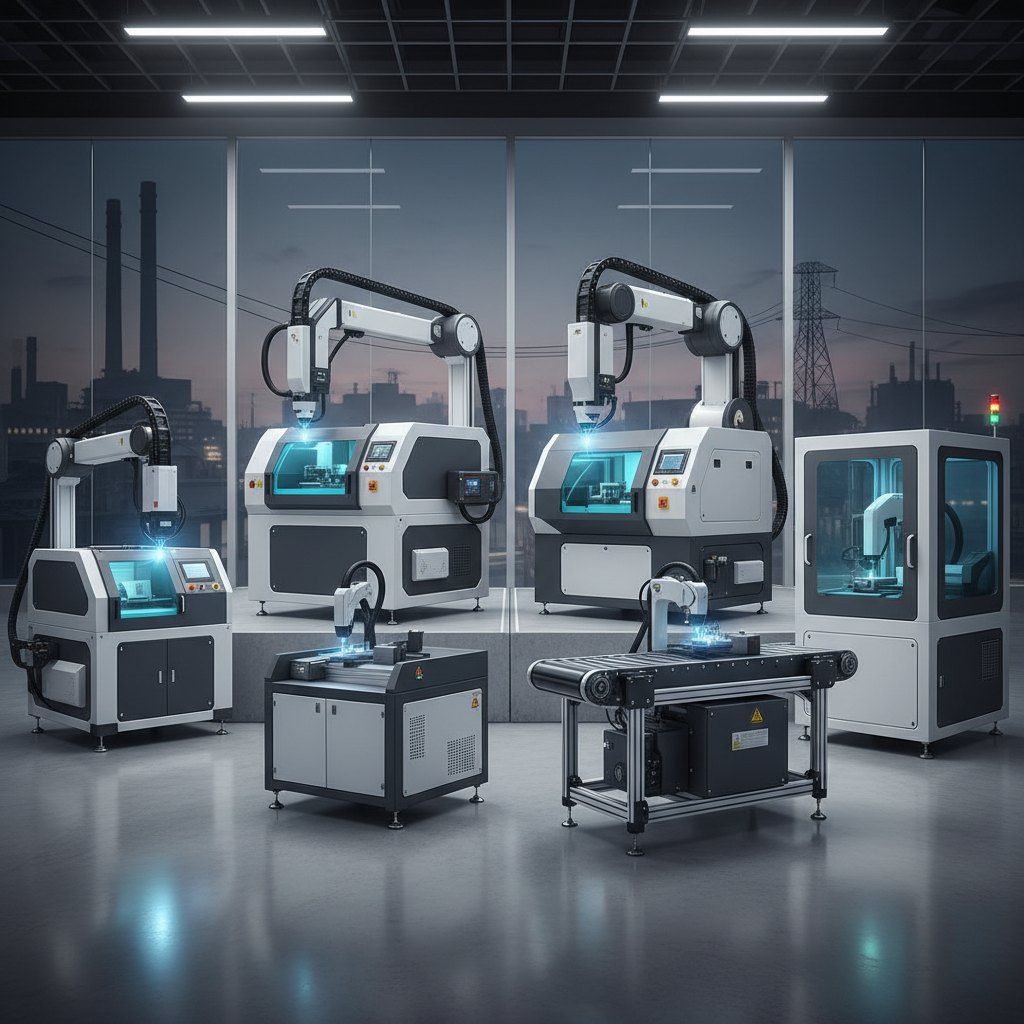
One of the most exciting trends is the integration of automation and artificial intelligence into laser welding systems. Research from MarketsandMarkets indicates that the adoption of AI in manufacturing processes is predicted to boost productivity by up to 40% within the next five years. These intelligent systems can adapt in real-time to varying material types and thicknesses, ensuring optimal welding conditions and minimizing human error. Furthermore, the development of portable laser welding machines opens new avenues for on-site applications, particularly in construction and automotive repairs, making laser technology more accessible across various sectors.
Key Features to Look for in Top Laser Welding Equipment
When selecting a laser welding machine, it's crucial to consider key features that enhance performance and efficiency. According to a report by Markets and Markets, the global laser welding market is expected to grow to $1.79 billion by 2024, highlighting the increasing demand for advanced laser technology across various industries. One vital feature to look for is the type of laser source used.
Fiber lasers, for example, are known for their efficiency and versatility, making them ideal for a wide range of materials, from metals to plastics. Their ability to cut through thicker materials with precision gives them a significant advantage in manufacturing settings.
Another important aspect is the machine's beam quality and power output. A higher beam quality ensures finer welding capabilities and reduced heat-affected zones, which minimizes distortion to the workpiece. A study published in the Journal of Manufacturing Processes indicates that laser welding can achieve joint strengths that are up to 20% higher than traditional welding methods, making it a superior choice for high-strength applications. Additionally, features like automated laser focusing systems and adjustable pulse widths can greatly enhance the user experience and output quality, providing greater control over the welding process.
Comparative Analysis of the 2025 Best Laser Welding Machines
As the laser welding machine market is projected to experience substantial growth from 2025 to 2032, advancements in technology will play a pivotal role in shaping the industry's landscape. Recent reports suggest that the fiber laser welding machine sector alone is set to see a marked increase in market share, driven by innovations aimed at enhancing precision and efficiency in welding processes. This growth correlates with the demand for higher-quality welding solutions in sectors such as automotive manufacturing, where quality prediction methods are being refined through digital twin technology, significantly impacting the accuracy of welding quality assessments.
When comparing the top laser welding machines of 2025, potential buyers must consider various aspects including tool condition monitoring and the integration of advanced algorithms for process optimization. For instance, the application of probabilistic neural networks in friction stir welding not only improves tool monitoring but also influences the overall effectiveness of the welding operation. A comparative study also highlights the increased focus on sustainable practices, as laser-assisted technologies evolve towards greener production methods. As organizations continue to adopt these innovative solutions, the competitive advantages gained through improved welding technology will be essential for meeting both production demands and environmental standards.
Innovations Driving the Future of Laser Welding Technology
In recent years, laser welding technology has undergone significant innovations that are shaping its future. A report highlights that the market for laser welding is expected to grow at a compound annual growth rate (CAGR) of 5.9% from 2021 to 2028, driven by advancements in automation and materials processing. Today's laser welding machines are not just faster but also smarter, integrating artificial intelligence for precision and quality control. For instance, companies are adopting adaptive welding processes that adjust parameters in real-time based on feedback, significantly enhancing efficiency and reducing waste.
Moreover, sustainability is becoming a central focus in the development of laser welding technologies. Innovations such as those from leading research institutes emphasize eco-friendly practices, including the reduction of energy consumption and the application of lasers that minimize harmful emissions. These developments are not only appealing to environmentally conscious businesses but are also aligning with global regulatory trends that demand greener manufacturing processes. As these innovations continue to evolve, they promise to redefine industry standards and contribute to more sustainable operations in various sectors.
User Experiences: Insights on the Leading Laser Welders of 2025
The laser welding equipment market has witnessed significant growth, propelled by advancements in technology and increasing applications across various industries. With the advent of fiber lasers, CO2 lasers, and solid-state lasers, businesses have been able to choose the most suitable technology according to their specific needs. This versatility has enabled companies to enhance their manufacturing processes, improve precision, and reduce production times, leading to greater efficiency overall.
User experiences highlight the transformative impact of these leading laser welders. Customers report improvements not only in the quality of welds but also in operational ease and reliability. Insights gathered from various industries suggest that the integration of laser welding machines has minimized downtime and increased output, particularly in sectors such as automotive and electronics. Moreover, the lingering effects of the COVID-19 pandemic have accelerated the adoption of automated and remote operations, making laser welding an increasingly attractive option for manufacturers aiming to streamline their production lines in a post-pandemic landscape.

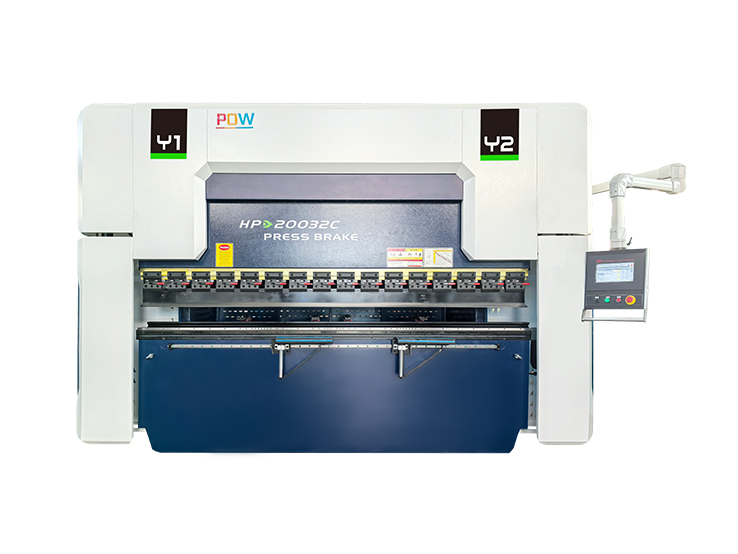 Press Brake
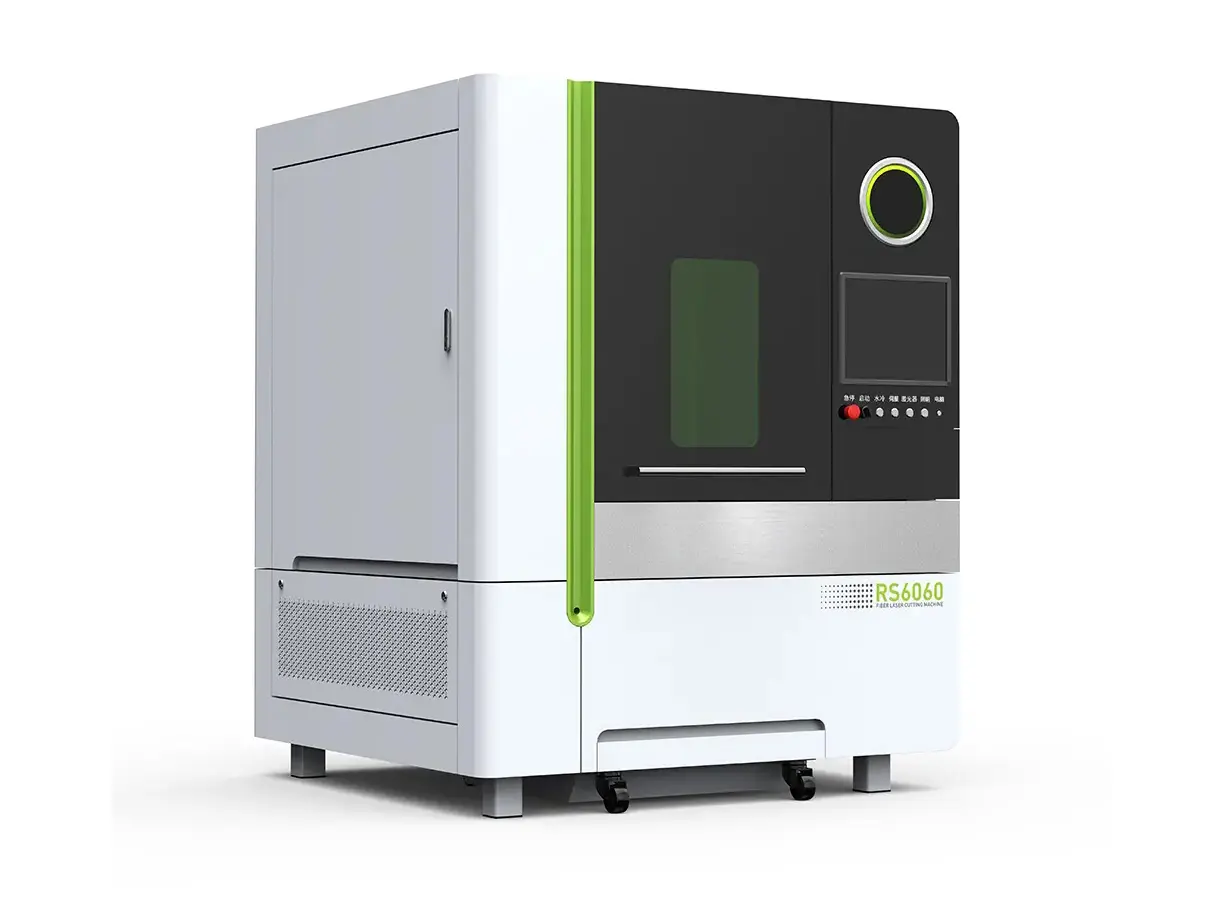 CNC Laser
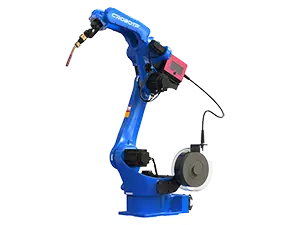 Industry Robot
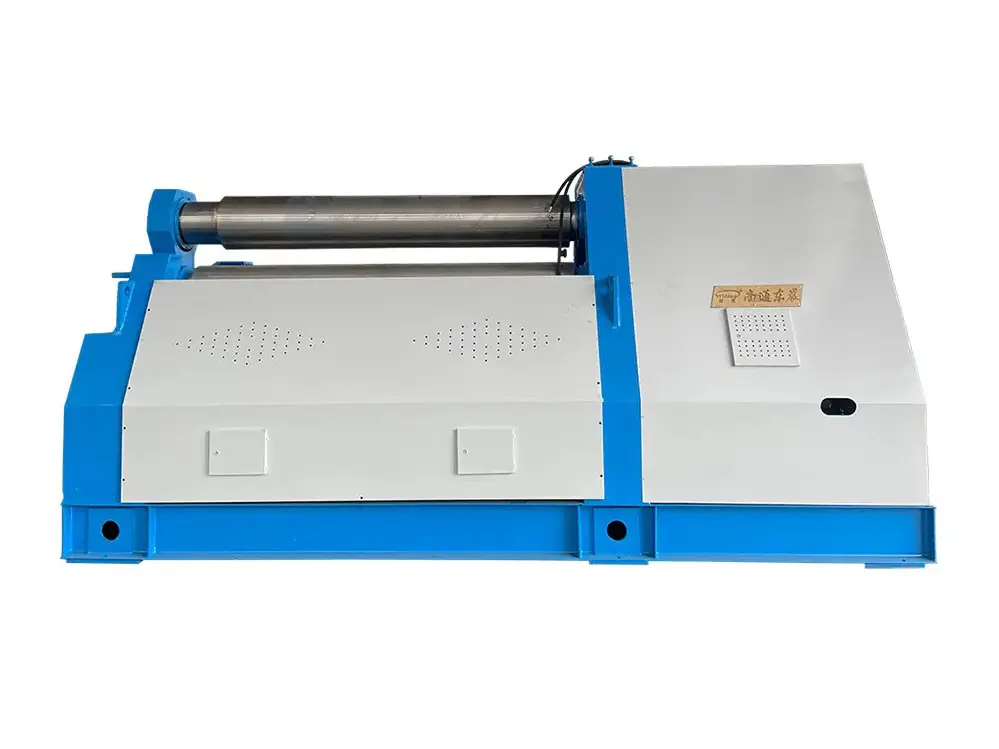 Plate Rolling Machine
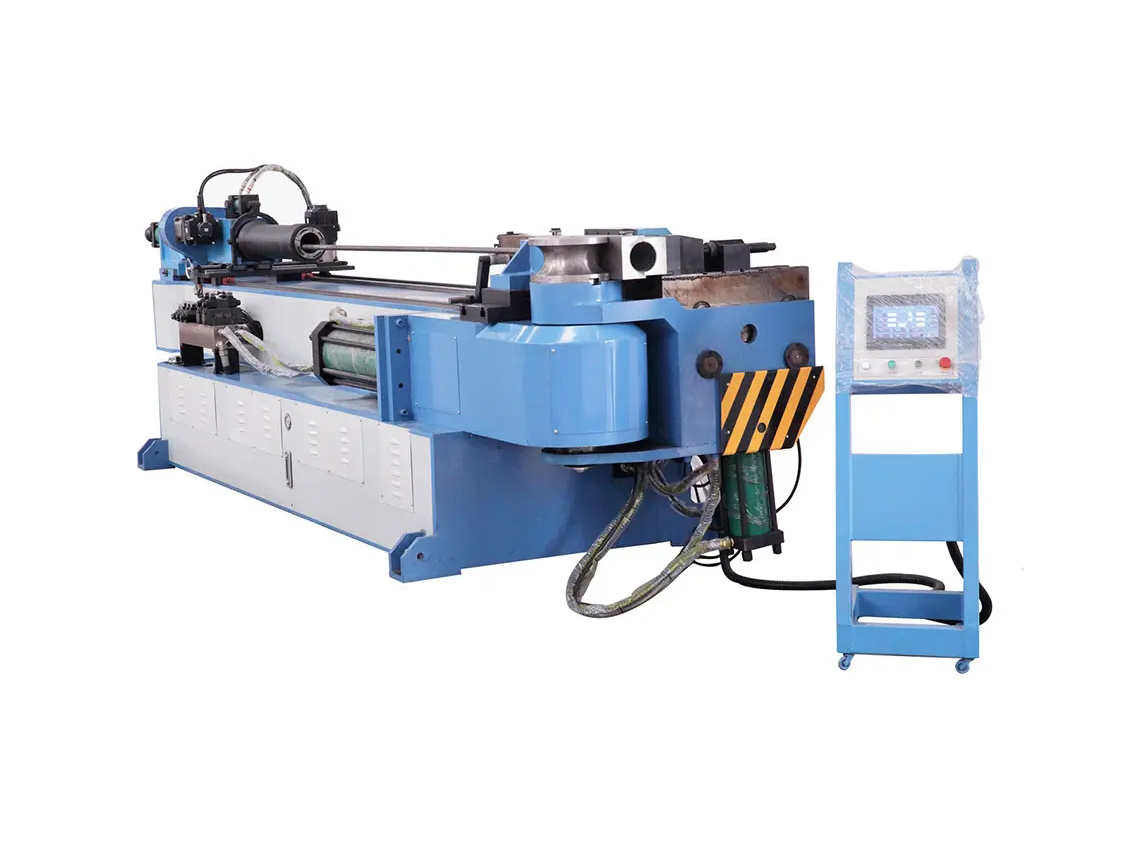 Tube Bending Machine
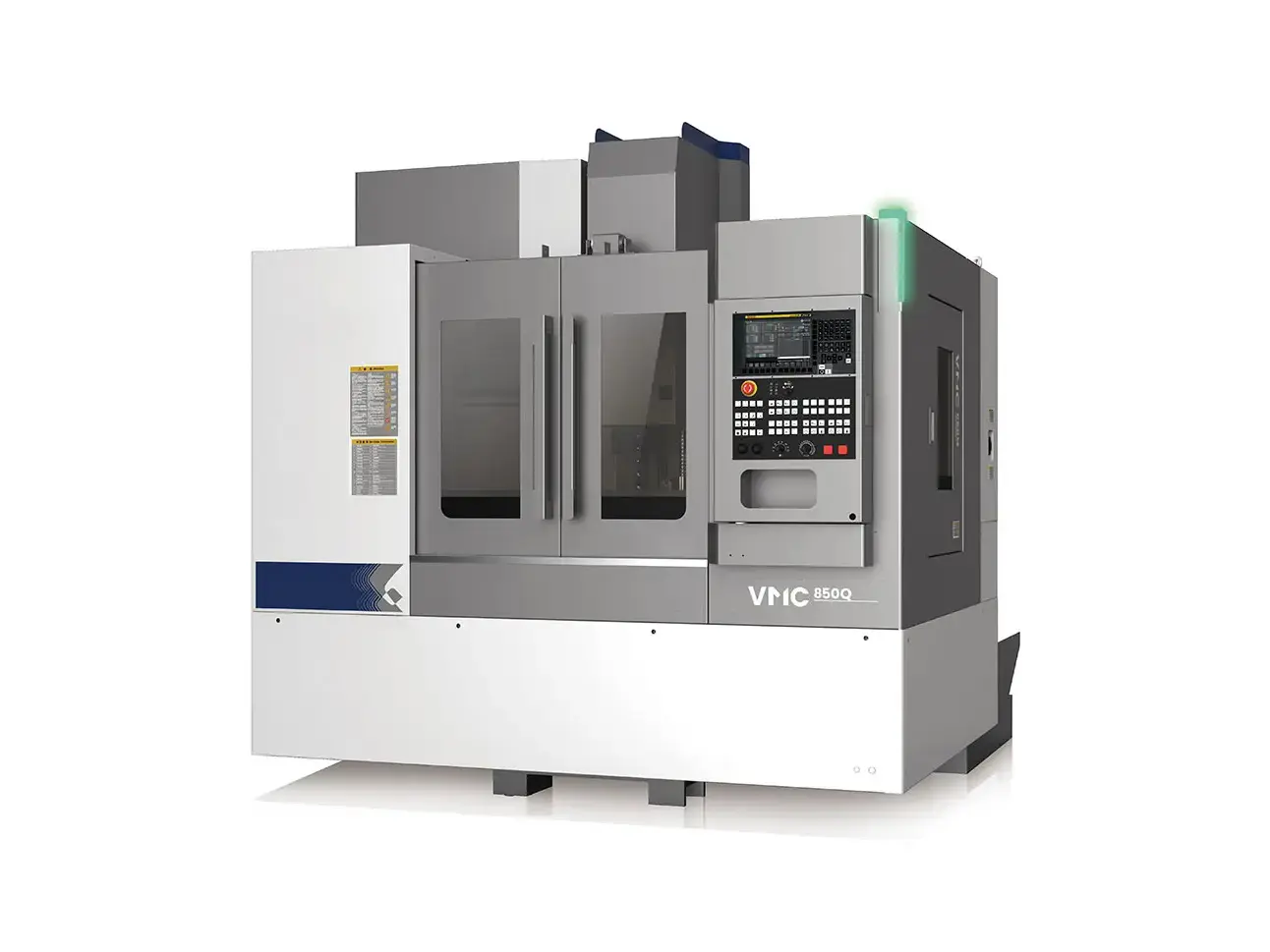 Lathe and Machining Center
 Machine Protection Products