Top 5 Tips for Choosing Plastic Towline for CNC Machine Tool?
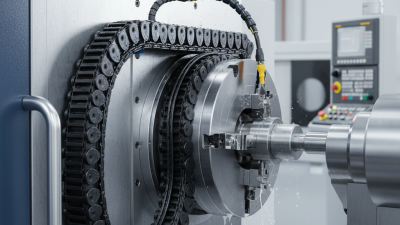
In the world of CNC machining, choosing the right components is crucial. When it comes to integrating a Plastic Towline for CNC Machine Tool, expert Andrew Miller emphasizes, "Selecting the right towline can significantly enhance machine efficiency." Understanding the nuances of towline selection can streamline operations and prolong equipment lifespan.
Plastic Towlines are essential for managing cables and hoses in CNC machines. Their design and material greatly affect performance and durability. Experts recommend analyzing load capacities and environmental factors. A mismatched towline can lead to frequent breakdowns, which often go unnoticed until it’s too late.
Choosing a high-quality Plastic Towline for CNC Machine Tool may seem daunting. Some options might look appealing but fail in critical operational areas. Delving into details like bend radius and thickness helps avoid pitfalls. Investing time in research today could save costs and complications in the future.
Key Factors to Consider When Selecting a Plastic Towline
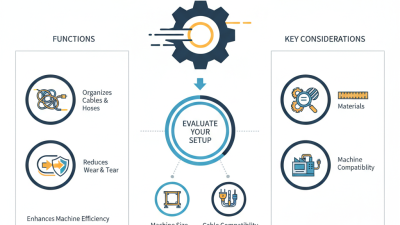
Choosing the right plastic towline for CNC machine tools is crucial for efficiency.
Start by evaluating your application requirements.
Consider the environment where the towline will operate.
Factors such as temperature, exposure to chemicals, and dust levels can affect performance.
A towline made from materials that resist wear and environmental stress is essential.
Next, think about the cable management. The design should allow for easy installation and maintenance.
Look for features that support the cables without pinching or excessive bending.
This prevents damage and prolongs the lifespan of both the towline and cables.
Finally, assess the flexibility and bend radius of the towline.
The right bend radius is critical, especially in high-motion applications.
Too tight of a radius can lead to cable strain and failure.
It’s important to balance flexibility with strength.
Evaluating these factors in depth will help you find a towline that meets your needs effectively.
Understanding Different Types of Plastic Materials for Towlines
When selecting plastic towlines for CNC machine tools, understanding the various plastic materials is essential. Each type has unique properties that affect performance and longevity. For instance, nylon offers excellent strength and impact resistance. It is suitable for applications requiring durability. However, nylon’s moisture absorption can lead to dimensional changes over time, possibly affecting accuracy.
Polyurethane is another viable option. It typically exhibits better flexibility and abrasion resistance compared to nylon. This material is often preferred in environments with frequent movement. However, polyurethane can be susceptible to temperature extremes, which is a potential drawback.
When choosing towlines, consider the operational environment. Factors like temperature, humidity, and the presence of chemicals can greatly influence material performance. Different plastics will react differently under various conditions. Regularly consulting industry reports is beneficial. According to a recent analysis by the Society of Manufacturing Engineers, material selection directly impacts the service life of mechanical components.
Keep in mind that tougher materials may not always be better. Over-engineering a solution can lead to increased costs without added benefits. Regular assessment of your application's unique needs allows for more informed decisions. The right balance of performance and cost-effectiveness is crucial for long-term success. Choose wisely and stay informed for optimal outcomes.
Evaluating the Size and Length Requirements for CNC Applications
When selecting plastic towline for CNC applications, understanding the size and length requirements is crucial. The towline must accommodate the movement range of the CNC machine. Many manufacturers suggest a minimum 10% additional length beyond the maximum travel distance. This additional space prevents strain or damage on the cables inside the towline.
Space constraints can also influence your choice. In tight environments, a compact design may be necessary. Reports indicate that approximately 30% of CNC users face space limitations, leading to improper installation of towlines. Evaluating the available space and anticipated movement will help in selecting a suitable towline type. Remember, a poorly chosen towline can lead to frequent breakdowns.
Additionally, various studies have indicated that the standard diameter of towlines ranges from 10mm to 200mm. Yet, each application may require specific adjustments based on cable type and usage. Customizable solutions are often overlooked, but they can enhance both reliability and performance in the machining process. A well-fitted towline ultimately minimizes wear, enhances safety, and ensures longer machine lifespan.
Assessing the Compatibility of Towlines with Your CNC Machine Design
When selecting a plastic towline for your CNC machine, compatibility is crucial. Many CNC machines require specific configurations for effective operation. A 2022 industry report identifies that 70% of CNC failures are related to inadequate towline integration. Therefore, ensuring that the towline matches your machine’s design can enhance performance and reduce downtime.
Evaluating the size and weight of cables is essential. According to the Association for Manufacturing Technology, overloading a towline can lead to breakage. Lightweight materials can reduce wear on the machine. Another vital aspect is the working environment. If your CNC machine operates in a high-temperature area, you should choose heat-resistant towlines. Rough handling or environmental factors can also affect durability. Regular checks can prevent unexpected failures.
Moreover, understanding the bending radius is vital. A report from the International Federation of Robotics shows that improper bending can lead to damage. While standard recommendations exist, your unique setup may require custom solutions. It’s not always straightforward, and adjustments might be necessary for optimal integration. Evaluating all these factors requires careful consideration, but the long-term benefits can be substantial.
Best Practices for Installation and Maintenance of Plastic Towlines
When installing a plastic towline for CNC machine tools, attention to detail is crucial. Start by ensuring a clean installation area. Dust and debris can affect performance. Make sure to properly secure the towline to prevent sagging or misalignment. This not only prolongs the life of the towline but also enhances machine efficiency. Testing the mobility of the towline after installation is essential. It can highlight any potential issues before they escalate.
Regular maintenance is equally important. Check for wear and tear at least once a week. Inspect connectors and joints for signs of damage. If you notice fraying or cracks, replace components immediately. Cleaning the towline helps reduce friction. Use a soft cloth and mild soap. Avoid abrasive materials to prevent scratching. Documenting any changes during maintenance can provide valuable insights for future reference.
Owners often overlook the environment where the towline operates. Temperature fluctuations or exposure to chemicals can impact performance. Consider using protective covers in harsh conditions. Reflecting on these factors can help optimize the longevity of your plastic towline. Small adjustments and proactive care can result in significant improvements over time.

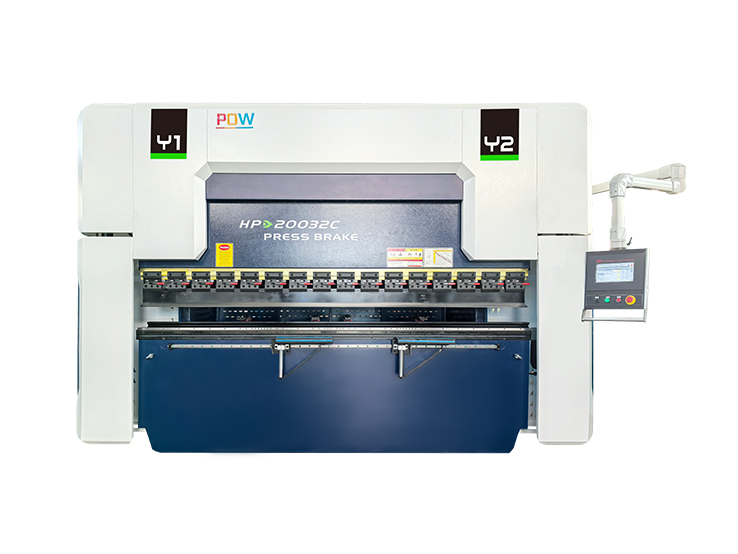 Press Brake
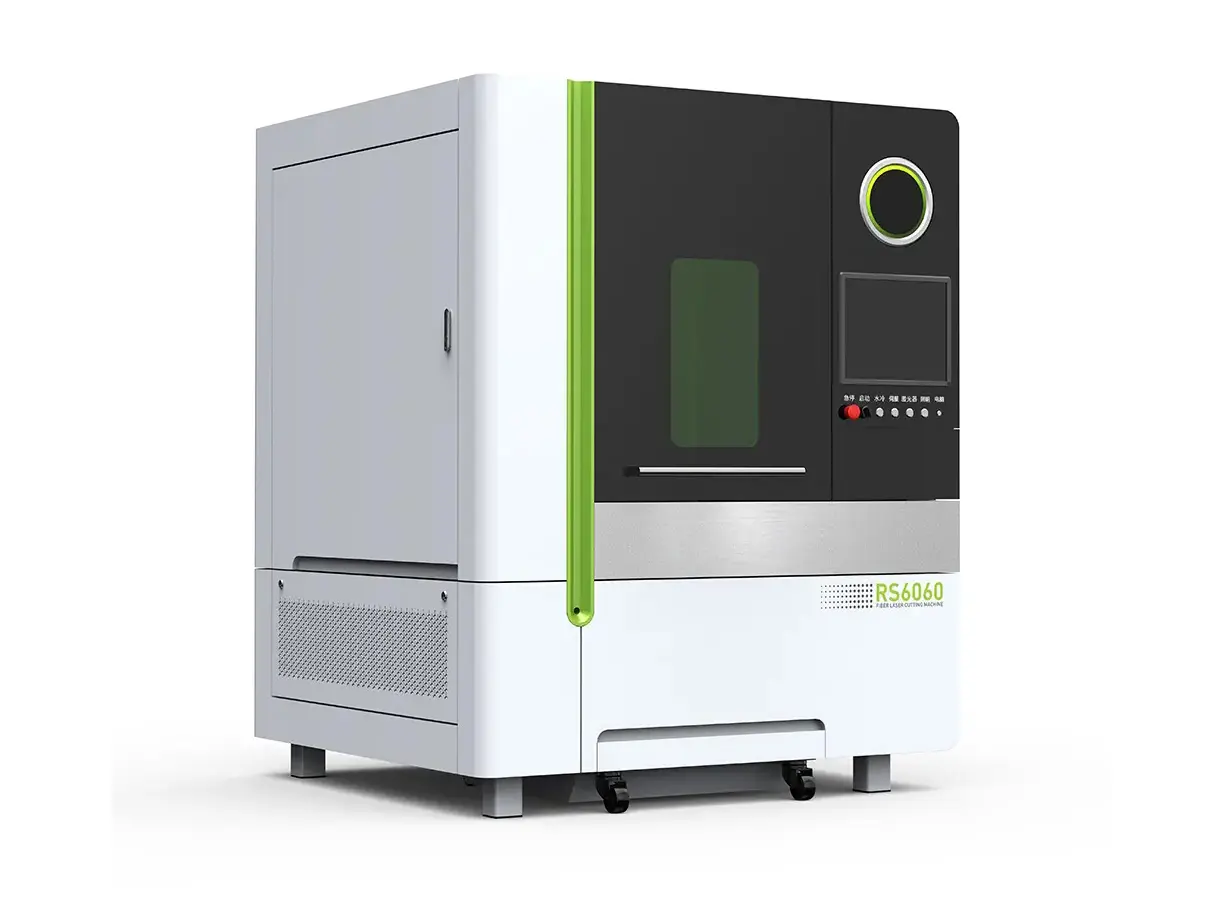 CNC Laser
 Industry Robot
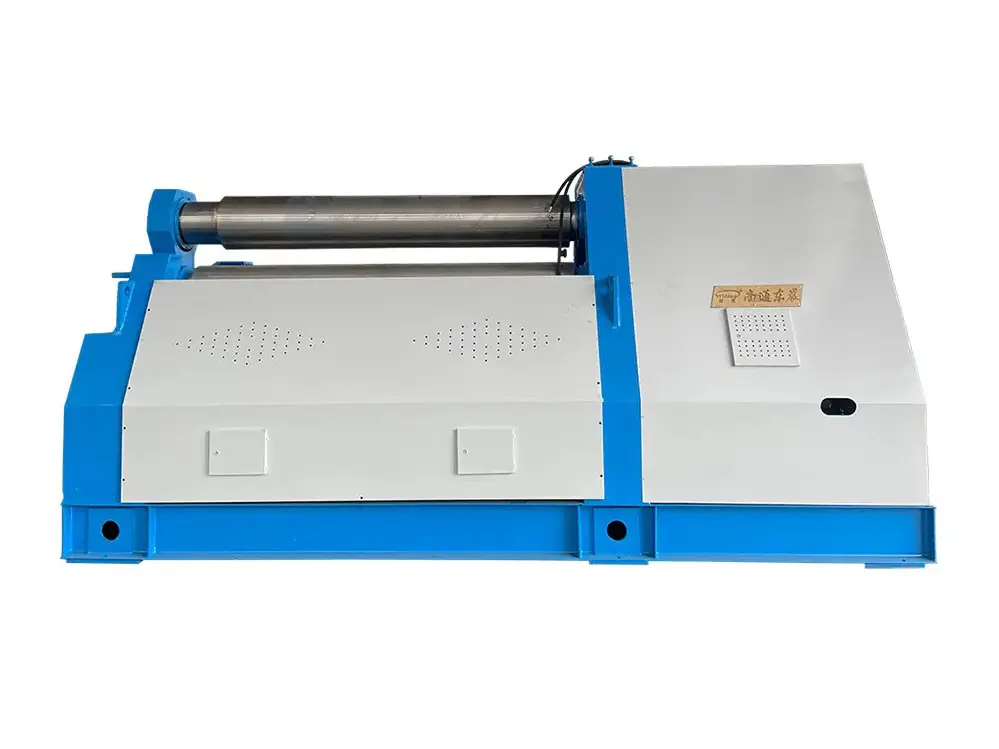 Plate Rolling Machine
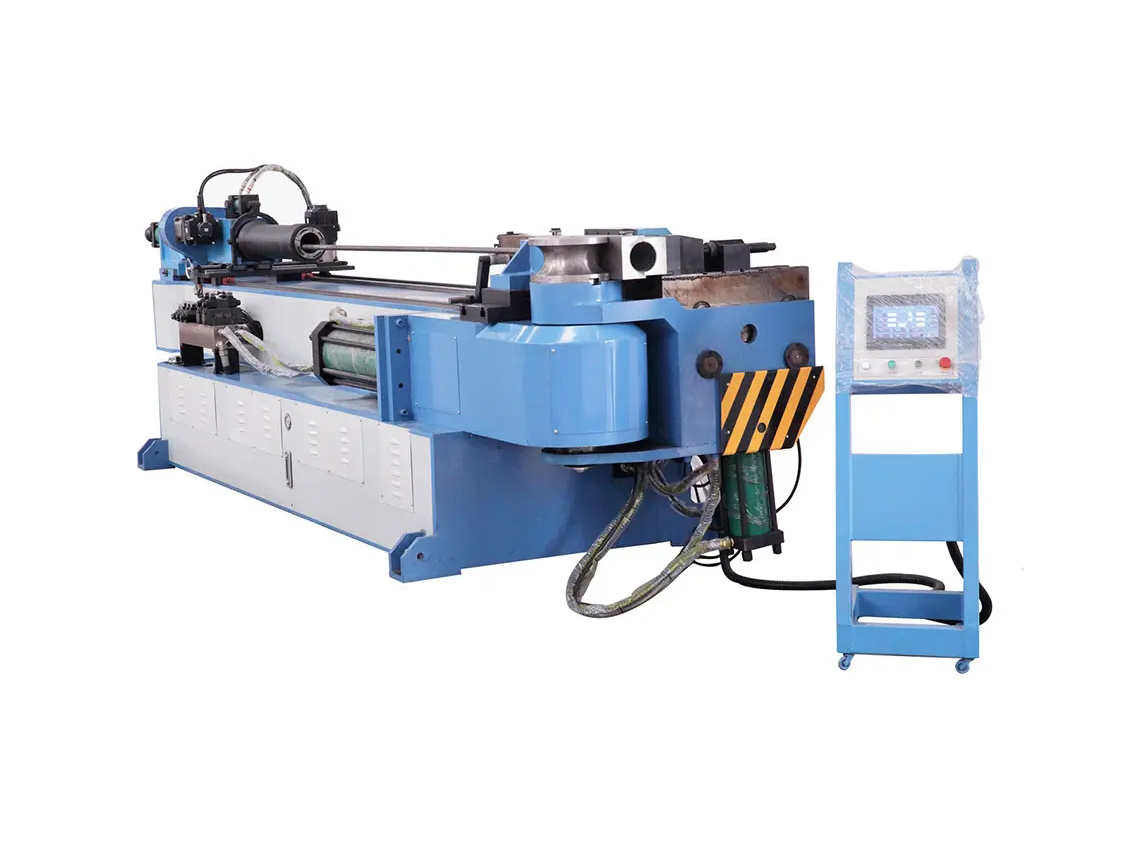 Tube Bending Machine
 Lathe and Machining Center
 Machine Protection Products