10 Essential Tips for Optimizing Your CNC Horizontal Machining Center Usage
CNC Horizontal Machining Centers play a crucial role in modern manufacturing. These machines enhance efficiency and precision in various machining processes. However, many users do not utilize them to their fullest potential. Simple adjustments can lead to significant improvements.
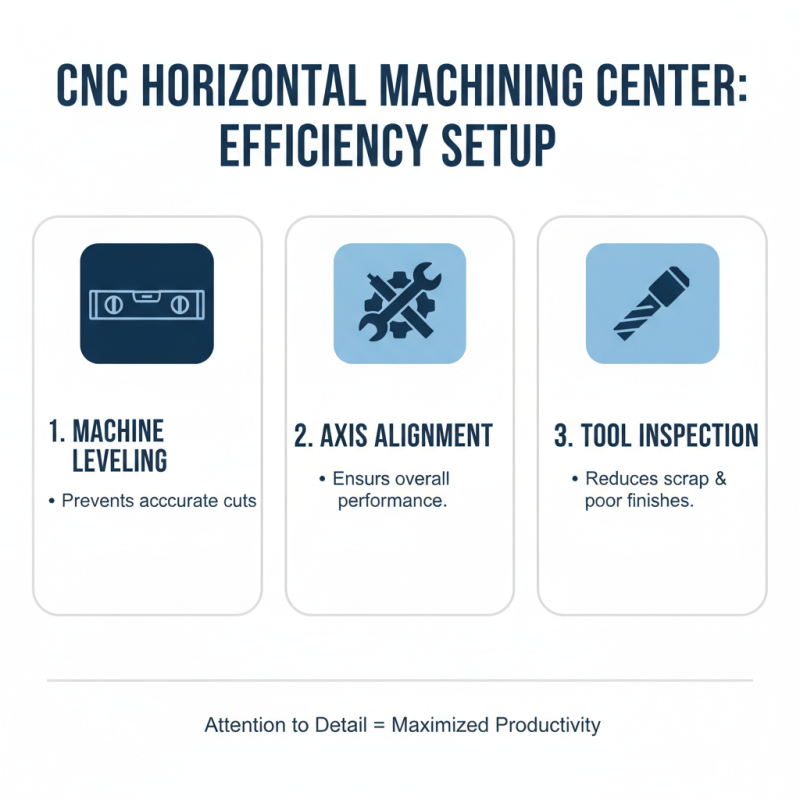
Understanding how to optimize a CNC Horizontal Machining Center is essential for achieving better results. Proper tool selection, effective programming, and regular maintenance can make a difference. Each aspect requires attention to detail and a willingness to learn. It is common for users to overlook small issues. Even minor mistakes in setup can lead to major setbacks.
Effective operation of a CNC Horizontal Machining Center involves a blend of skill and knowledge. Familiarity with machine capabilities is crucial. Yet, many operators struggle with understanding complex parts of the machinery. This creates room for improvement. Mistakes serve as learning opportunities for users. Embracing this mindset can transform your machining experience.
Understanding the Basics of CNC Horizontal Machining Centers
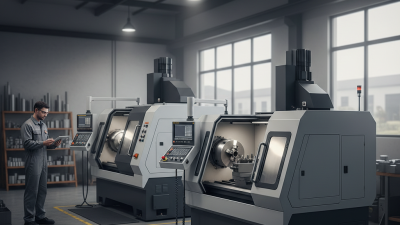
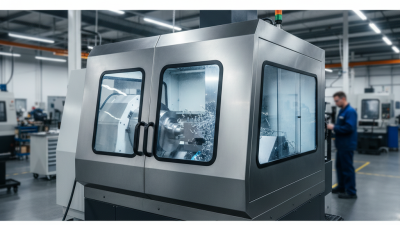
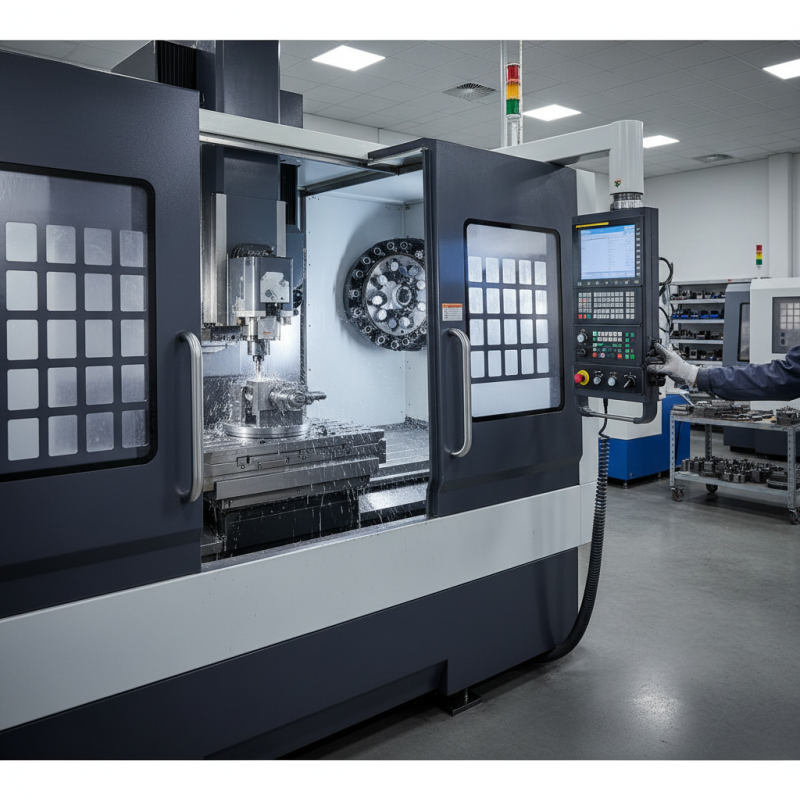
CNC horizontal machining centers have transformed manufacturing processes. These machines excel in precision and versatility. With a horizontal spindle, they offer unique advantages. They work on larger workpieces efficiently. This leads to higher productivity. According to a recent industry report, 70% of manufacturers noted improved cycle times after integrating horizontal machining centers.
Understanding the basics of CNC horizontal machining is essential. Operators must grasp the different components. This includes spindles, tables, and tool changers. The setup can be intricate. Misalignment can lead to part defects. Inadequate training often results in ineffective usage. Many operators report a lack of understanding. This can hinder the optimization of the machines’ capabilities.
In practice, efficient use of these centers requires constant monitoring. Tool wear, coolant levels, and machine calibration impact performance. A staggering 30% of machining errors stem from improper maintenance. Regular checks are vital. Minimizing downtime is crucial for productivity. While these centers offer potential, challenges remain. Addressing them can significantly boost output and quality.
Machining Time vs. Setup Time for CNC Horizontal Machining Centers
Choosing the Right Tools and Materials for Optimal Performance
Choosing the right tools and materials for your CNC horizontal machining center is crucial. The material selection directly influences the machining process. For instance, aluminum offers excellent machinability. However, using the wrong tool can lead to poor finishes or excessive wear. It’s vital to match the tooling with the material and the specific job requirements.
Consider experimenting with different cutting tools. Not every tool suits every task. Carbide tools may perform well in specific materials but not in others. You might notice that tool life varies. Sometimes, cheaper tools can save costs but lead to inefficiencies. Assess your chosen materials regularly. Quality matters, and subpar materials can cause unexpected issues during production.
Keep an eye on tool wear. It's easy to overlook this, but it affects precision. Regularly inspect your tools, even if production seems smooth. There can be hidden problems that surface later. Reflecting on your choices ensures better outcomes. Learning from past mistakes shapes future decisions. Embrace a mindset of continuous improvement to elevate your machining capabilities.
10 Essential Tips for Optimizing Your CNC Horizontal Machining Center Usage
| Tip Number |
Tip |
Description |
Material Type |
Recommended Tooling |
| 1 |
Choose the Right Material |
Select materials based on machinability. |
Aluminum |
Carbide End Mill |
| 2 |
Optimize Cutting Speeds |
Use appropriate speeds to enhance tool life. |
Steel |
High-Speed Steel Tool |
| 3 |
Regular Maintenance |
Keep machines maintained for reliability. |
N/A |
N/A |
| 4 |
Tool Selection |
Use tools suited for specific operations. |
Titanium |
Cobalt Tool |
| 5 |
Simulate Tool Paths |
Use software to avoid collisions. |
N/A |
N/A |
| 6 |
Monitor Cutting Forces |
Assess and adjust for optimal cutting. |
Stainless Steel |
Carbide Insert |
| 7 |
Utilize Coolants |
Use coolants to reduce heat and extend tool life. |
Brass |
Lubricant Spray |
| 8 |
Implement Tool Wear Monitoring |
Track wear for timely replacements. |
N/A |
N/A |
| 9 |
Proper Fixture Design |
Ensure stability for accurate machining. |
N/A |
N/A |
| 10 |
Continuous Training |
Keep staff updated on best practices. |
N/A |
N/A |
Regular Maintenance Practices to Enhance Longevity and Performance
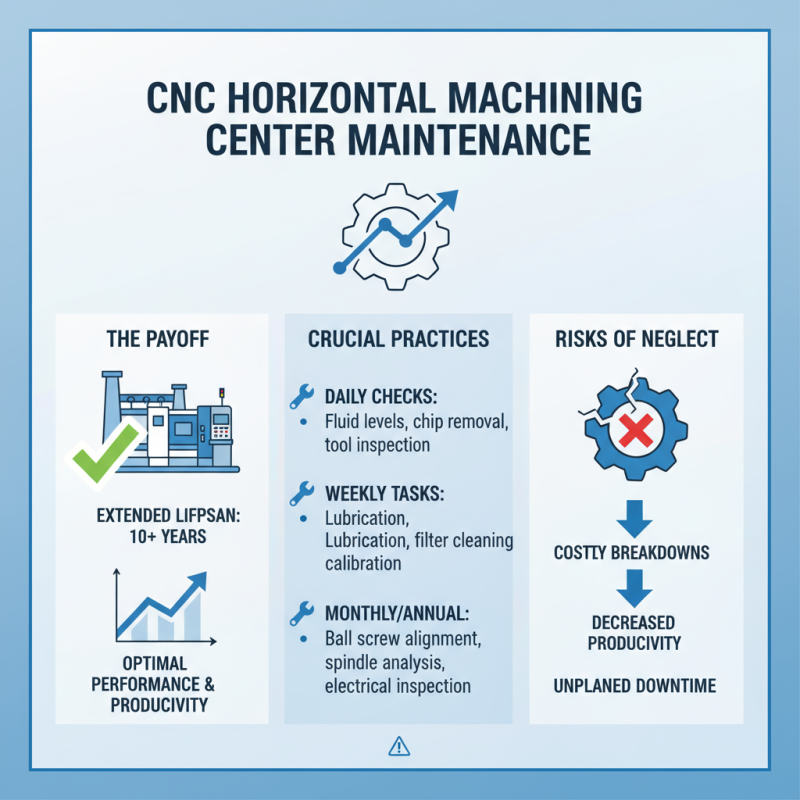
Regular maintenance is crucial for maximizing the lifespan and performance of CNC horizontal machining centers. According to industry reports, a well-maintained machine can run efficiently for over 10 years. Neglecting routine practices can lead to costly breakdowns and decreased productivity.
One essential tip involves daily inspections. Check for loose components, unusual vibrations, and coolant levels. These small actions can prevent major issues later. Another valuable practice is performing weekly cleanings. Remove chips and debris, and ensure coolant systems are clear. This not only improves efficiency but also provides a better working environment.
Beyond daily and weekly tasks, monthly and annual maintenance should not be overlooked. These include calibrating your machine and checking alignment. Reports show that misalignment can reduce machining accuracy by up to 20%. Regular checks can save you from costly reworks. Every technician should establish a clear maintenance schedule. Skipping these practices could lead to reduced performance and significant downtime. Reflect on your current process and consider improvements.
Implementing Best Practices for Programming and Machining Operations
Optimizing CNC horizontal machining centers requires attention to programming and machining operations. The right strategies can significantly impact efficiency. According to recent industry statistics, poorly programmed operations can lead to up to a 30% increase in cycle times. This inefficiency costs manufacturers both time and money.
Using proper tool paths is essential. Complex paths not only extend cycle times but also increase tool wear. A study by the Association for Manufacturing Technology found that optimizing tool paths can enhance productivity by around 25%. Experienced machinists often overlook the importance of simulation software. This software can help visualize machining processes before actual operations. A lack of pre-planning leads to unnecessary errors and scrapped parts.
It may be tempting to stick to familiar practices. However, this approach can hinder progress. Regularly analyzing data from machining operations can reveal insights that improve performance. Implementing adaptive strategies based on performance metrics could yield noticeable improvements. For instance, small adjustments in feed rates often enhance surface finish. Many shops fail to monitor these critical details. They miss opportunities for significant gains in quality and efficiency.

 Press Brake
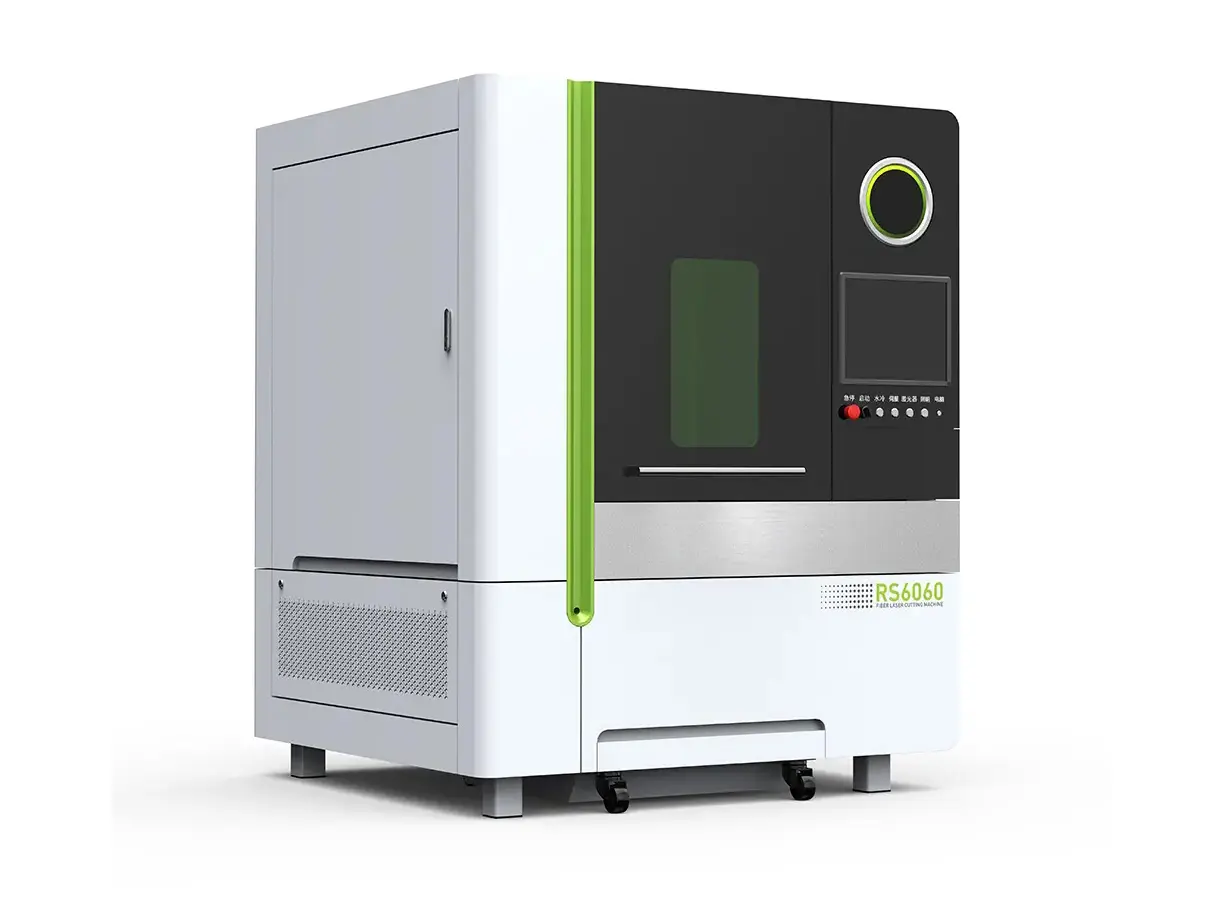 CNC Laser
 Industry Robot
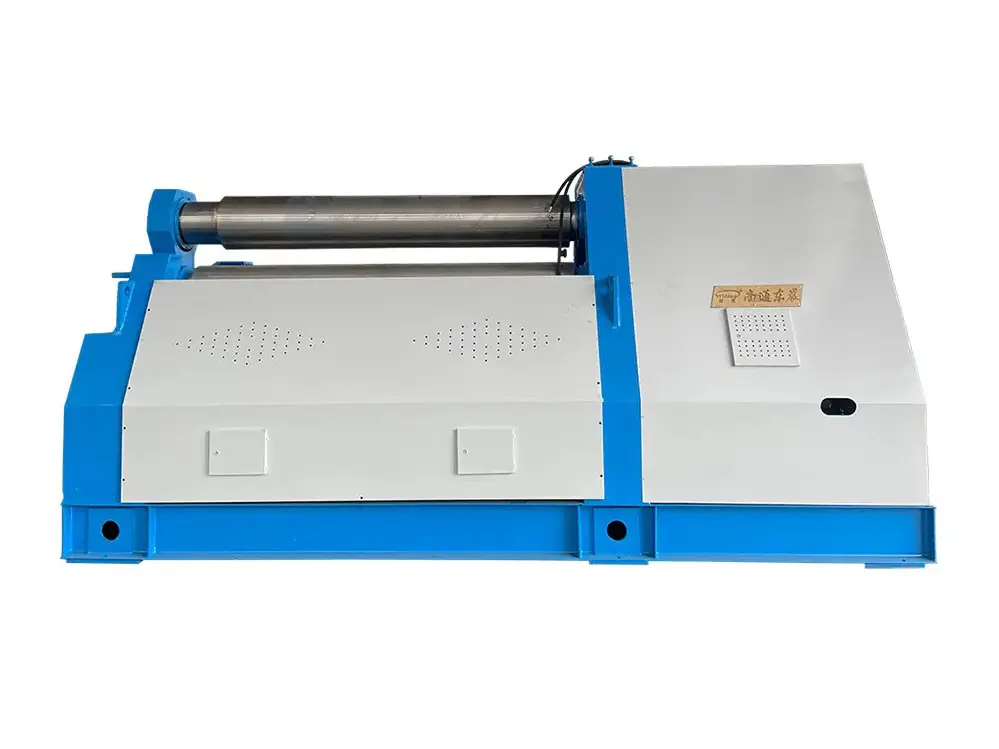 Plate Rolling Machine
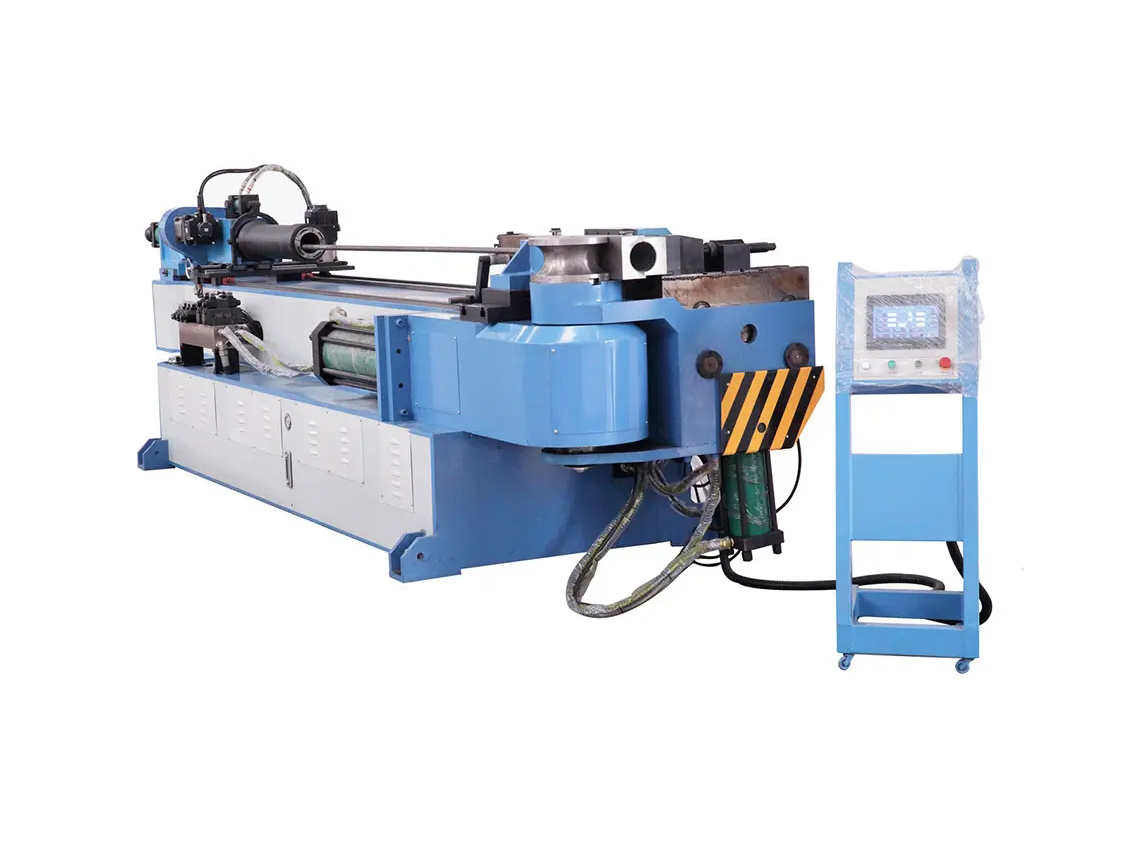 Tube Bending Machine
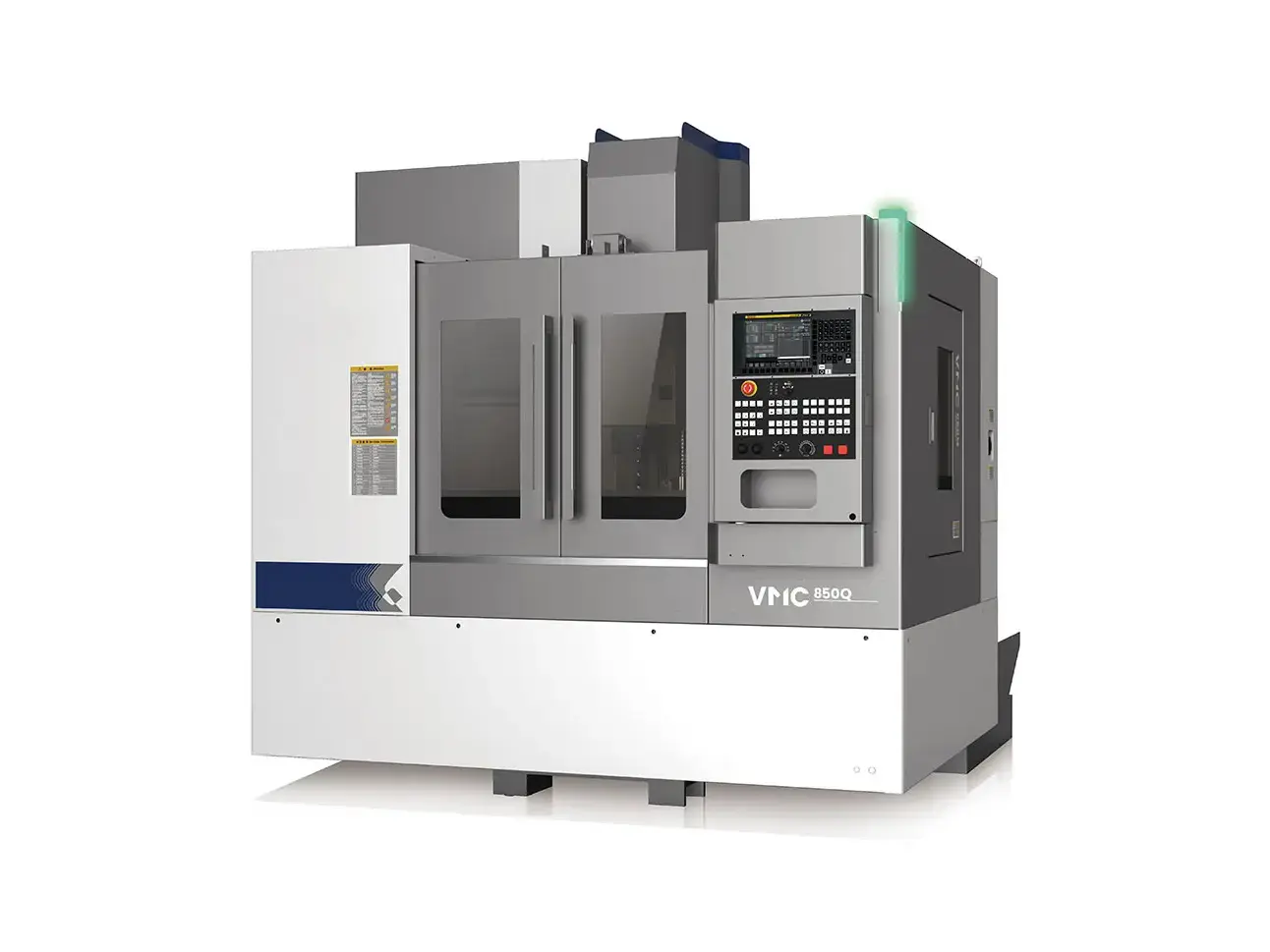 Lathe and Machining Center
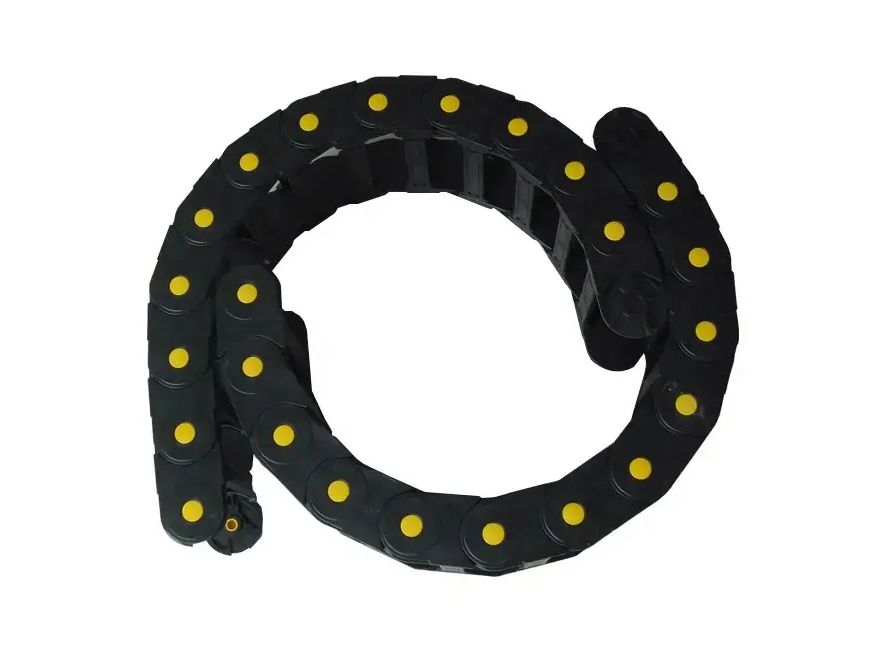 Machine Protection Products