What is a Cnc Vertical Lathe and How Does it Work?
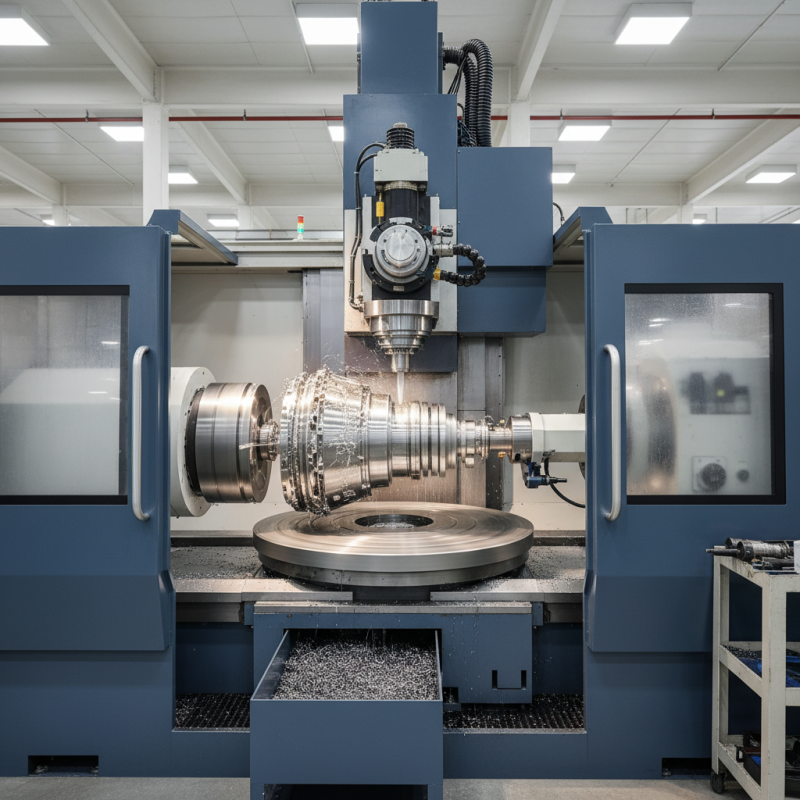
A CNC Vertical Lathe is a significant machine in modern manufacturing. It offers precision and efficiency in turning operations. This machine works by rotating the workpiece against cutting tools. Its vertical design allows for better chip removal and enhanced stability.
Many industries rely on CNC Vertical Lathes for high-quality production. Aerospace, automotive, and energy sectors frequently utilize these machines. They create complex parts with tight tolerances. The ability to automate processes enhances productivity while reducing errors.
Understanding how a CNC Vertical Lathe works involves grasping its components and functions. Yet, some users may overlook maintenance and programming. This can lead to inefficiencies or increased downtime. Learning to optimize its use is essential for gaining maximum benefits.
What is a CNC Vertical Lathe?
A CNC vertical lathe is a powerful machine used for precision machining of large workpieces. Its vertical design provides better access to the workpiece, making it suitable for tasks that require stability and rigidity. According to a report by the Precision Engineering Association, the demand for CNC machines, including vertical lathes, has steadily grown, with a projected increase of 5.5% annually over the next five years.
These lathes utilize computer numerical control technology. Operators input specifications into the machine, which then automates the cutting process. This precision reduces human error, which is crucial in industries such as aerospace and automotive manufacturing. However, the complexity of programming can lead to errors that are hard to identify. Many operators find it challenging to troubleshoot, resulting in downtime.
The CNC vertical lathe excels in creating cylindrical parts, but it isn't without limitations. For example, not all materials are ideal for machining on vertical lathes. Harder materials can lead to quicker tool wear. On the other hand, softer materials may require frequent adjustments in settings. Data indicates that about 30% of machine downtime stems from tool changes caused by material issues. This emphasizes the need for thorough material analysis before machining begins.
What is a CNC Vertical Lathe and How Does it Work?
| Feature |
Description |
Advantages |
| Structure |
A CNC vertical lathe typically features a vertical spindle and a rotating workpiece clamped horizontally. |
Efficient for large workpieces and provides better visibility for operators. |
| Control System |
Equipped with a CNC (Computer Numerical Control) system for automation and precision. |
High accuracy and repeatability in producing complex shapes. |
| Applications |
Commonly used for machining heavy components like flanges, discs, and housings. |
Ideal for industries such as aerospace, automotive, and oil & gas. |
| Materials |
Can work with various materials including metals, plastics, and composites. |
Versatility allows for use in diverse manufacturing environments. |
| Technical Specs |
Includes spindle speed, tool change capabilities, and maximum weight capacity. |
Enhanced productivity and reduced downtime in production cycles. |
Key Components of a CNC Vertical Lathe
CNC vertical lathes are sophisticated machines known for precision and efficiency. The key components play a pivotal role in their function. The spindle serves as the heart of the machine. It holds and rotates the workpiece. A powerful motor drives this operation, enabling high-speed rotations. This allows for accurate shaping and cutting.
The tool holder is another essential part. It securely holds cutting tools during operation. Tool holders can accommodate various tools. The flexibility here enhances machining capabilities. Moreover, the worktable provides a stable surface for the workpiece. It can be customized to different sizes, accommodating diverse projects.
Control systems are crucial too. They dictate the machine's movements and operations. Operators input designs into the CNC software. The machine then interprets these commands. This process often involves a learning curve. Mistakes can happen, and this requires adjustment and reflection. Understanding each component ensures better outcomes in machining projects.
CNC Vertical Lathe Production Capacity
The chart above shows the production capacity of CNC vertical lathes over the first seven months of the year. The data reflects the number of units produced in thousands, illustrating a steady increase in production capacity from January to July.
How CNC Vertical Lathes Operate: A Step-by-Step Process
CNC vertical lathes have transformed manufacturing processes with their precision. They are designed to machine heavy workpieces efficiently. The operation begins with a computer-controlled system, allowing for intricate designs and high repeatability.
The process starts with loading the workpiece onto the machine. This is crucial for accuracy. The vertical spindle then rotates the workpiece at high speeds. According to a report by Markets and Markets, the global CNC lathe market is projected to reach $3.1 billion by 2025. This growth highlights the increasing demand for automated machining solutions.
Once the workpiece is secure, the cutting tool engages. This process must be monitored closely. Misalignment can lead to defects. Each pass of the tool removes material methodically. Data show that CNC machines can improve production efficiency by up to 60%. However, operators need to maintain the machines regularly. Failure to do so can lead to extended downtime and costly repairs. Proper calibration is vital for optimal performance.
Applications of CNC Vertical Lathes in Manufacturing
CNC vertical lathes are essential machines in modern manufacturing. They excel at machining large and heavy workpieces. Industries use them for precision parts in aerospace, automotive, and energy sectors. The vertical orientation allows for better chip removal. This feature helps in maintaining accuracy while working on intricate designs.
Manufacturers often encounter challenges with CNC vertical lathes. For example, ensuring proper setup can be tricky. If the workpiece is not aligned, it leads to inaccuracies. Additionally, tool wear can impact quality over time. Regular maintenance is crucial but often overlooked. This negligence can result in costly delays and reduced efficiency.
Despite these challenges, CNC vertical lathes remain vital. They are versatile, performing functions like turning, boring, and threading. Their ability to handle complex geometries makes them valuable. As industries advance, finding ways to improve these machines is essential. Continuous learning and adaptation will drive future success in manufacturing.

 Press Brake
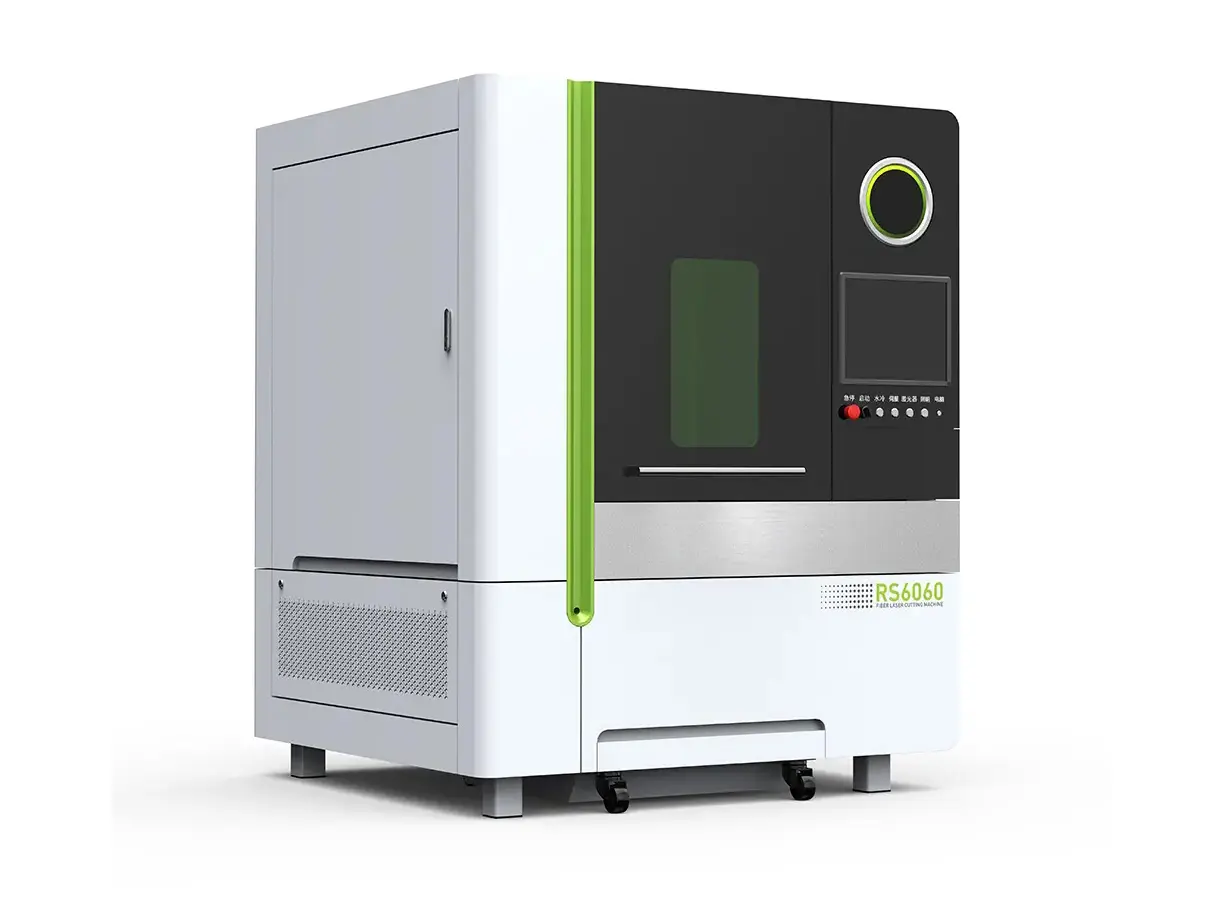 CNC Laser
 Industry Robot
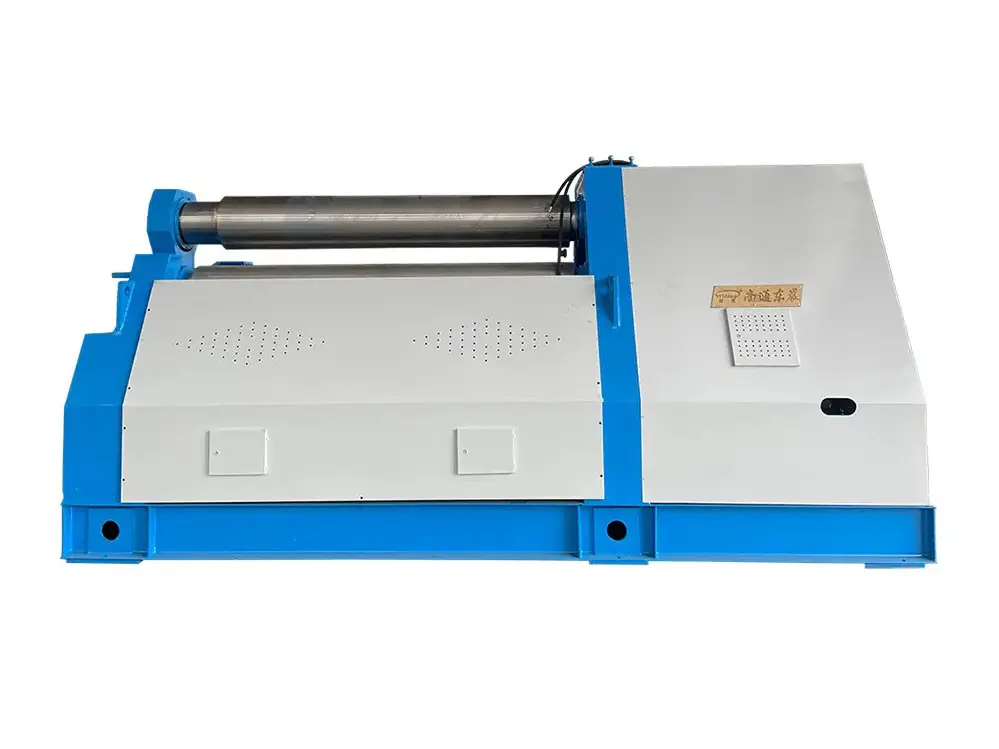 Plate Rolling Machine
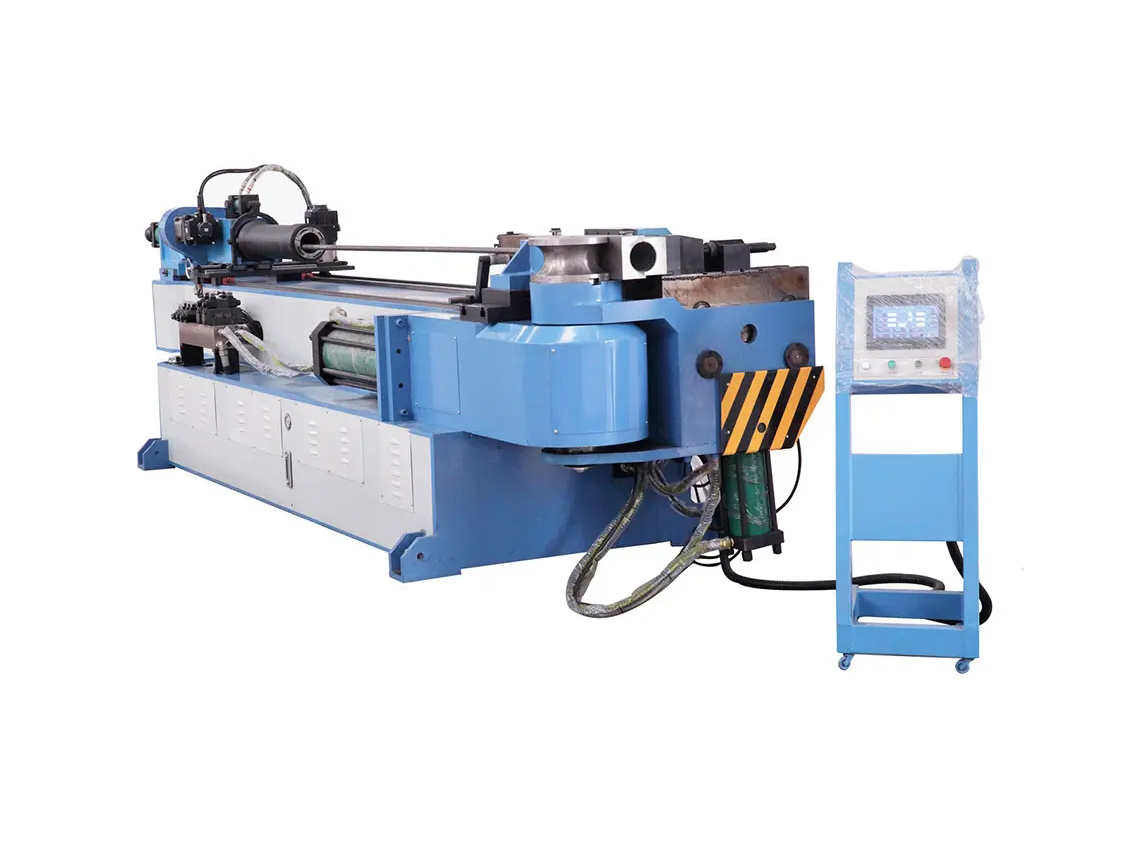 Tube Bending Machine
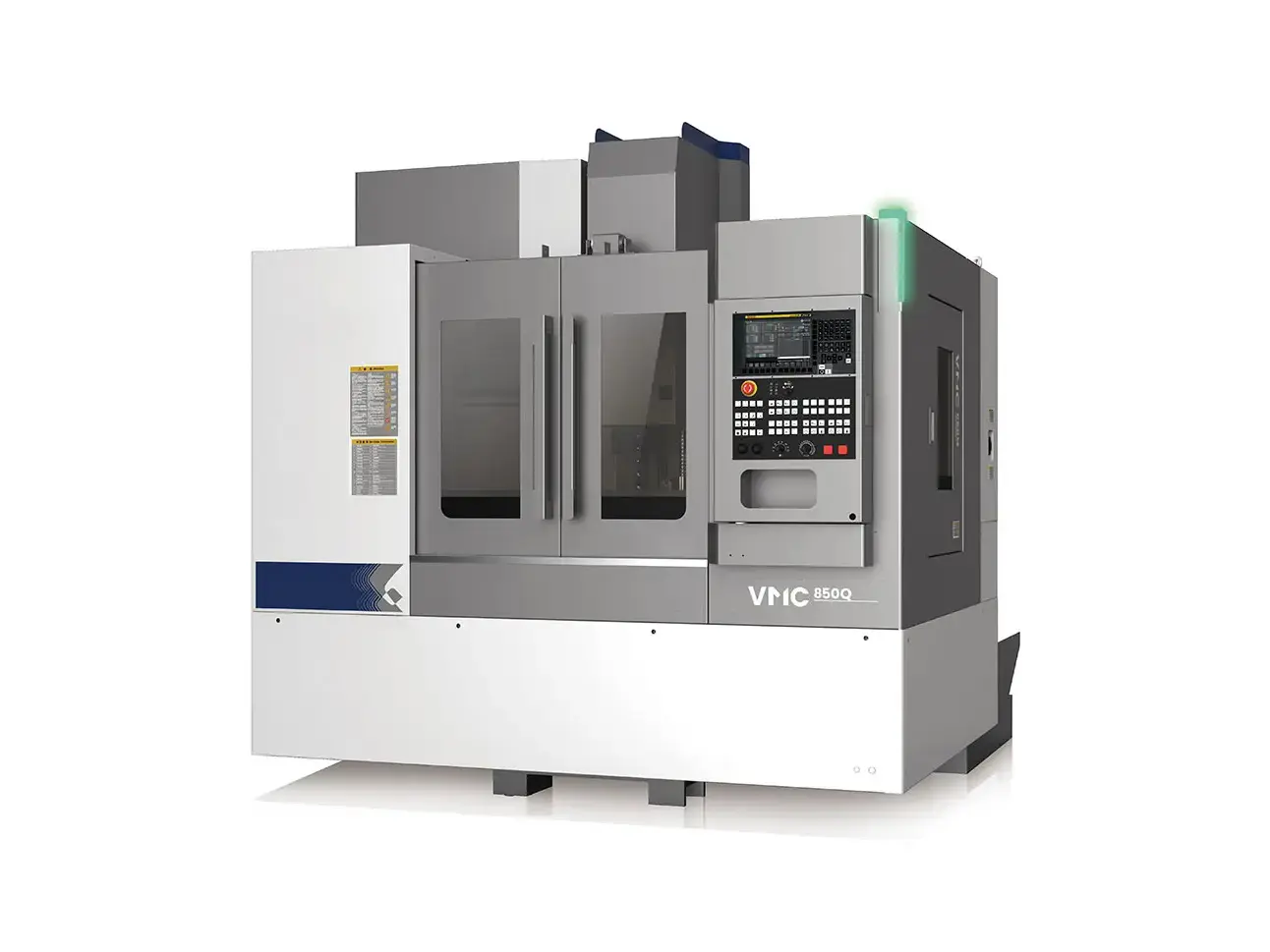 Lathe and Machining Center
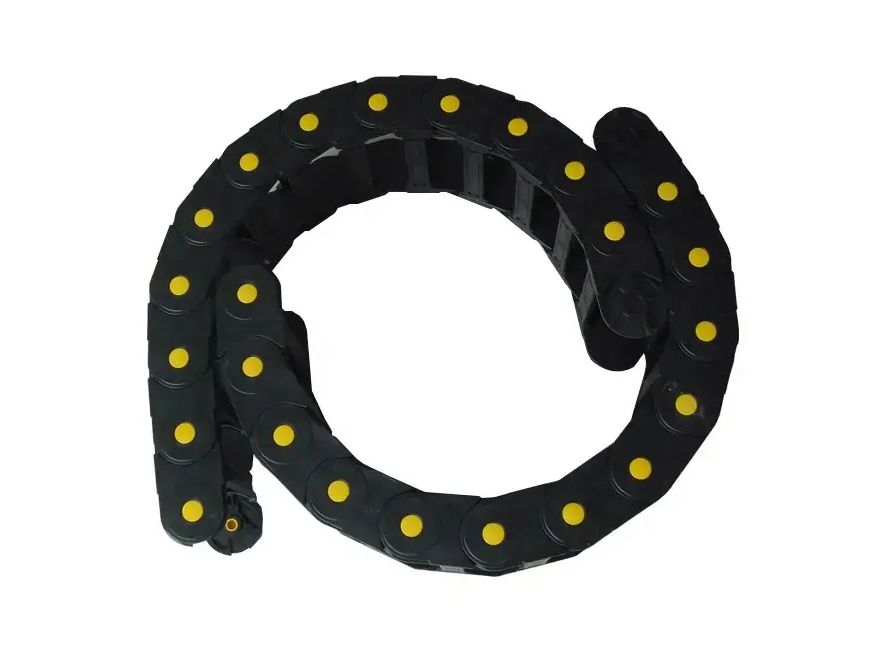 Machine Protection Products