What is a Cnc Milling Machine and How Does it Work?
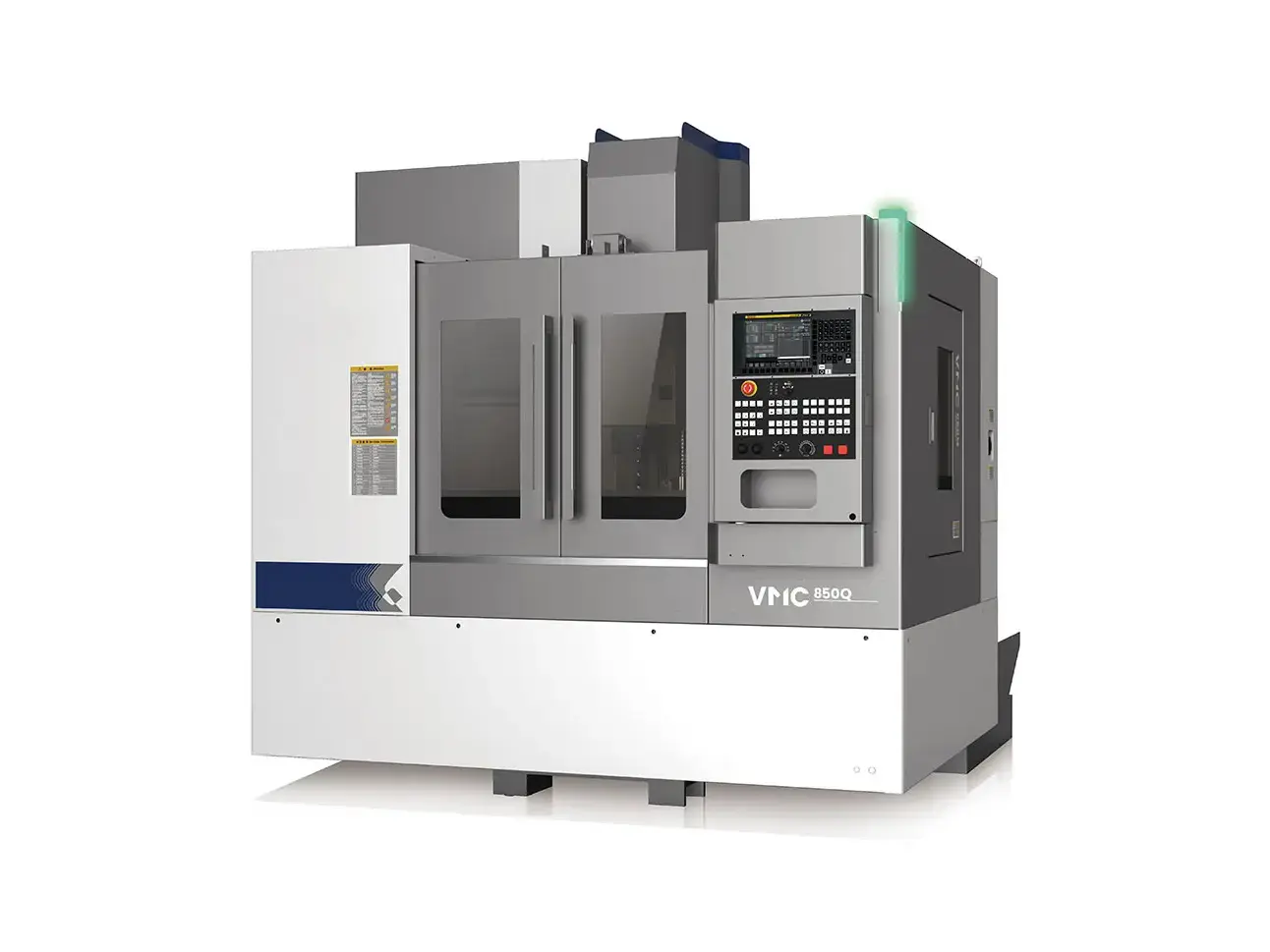
A CNC milling machine is an advanced tool used in manufacturing. It automates the process of cutting and shaping materials. Many industries rely on this technology for precise and efficient production. CNC stands for Computer Numerical Control. This equipment transforms design concepts into tangible products.
Understanding how a CNC milling machine works is essential for engineers and hobbyists alike. It begins with a digital design, often created with CAD software. The machine then interprets these instructions to create intricate shapes. This technology significantly boosts production speed and accuracy.
However, it's important to acknowledge some challenges. Maintenance is crucial for optimal performance. As with any technology, learning might involve mistakes. There can be a steep learning curve for beginners. Engaging with this topic opens up opportunities for innovation and creativity.
What is a CNC Milling Machine: Definition and Overview
CNC milling machines are crucial tools in modern manufacturing. They employ cutting tools to remove material from a workpiece. This process allows for precise shaping of metal, plastic, and wood. These machines are computer-controlled, enabling them to create complex parts effectively.
A CNC milling machine operates based on digital instructions. Users input designs through CAD software. The machine interprets these designs and translates them into movements. Each milling operation requires careful planning. Mistakes can lead to wasted materials and time. Operators often need to recalibrate machines to maintain accuracy. Understanding the machine’s limitations is vital for success.
The versatility of CNC milling machines makes them valuable. However, they require skilled operators to maximize their potential. When programming, attention to detail is essential. Inaccuracies in inputs can compromise the final product. Learning from errors enhances future work. Adapting to new technologies within CNC machining presents ongoing challenges.
Key Components of a CNC Milling Machine
CNC milling machines are vital in modern manufacturing. They use precise computer-controlled movements to shape materials. Understanding the key components can help us appreciate their functionality better.
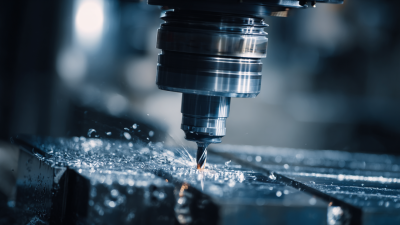
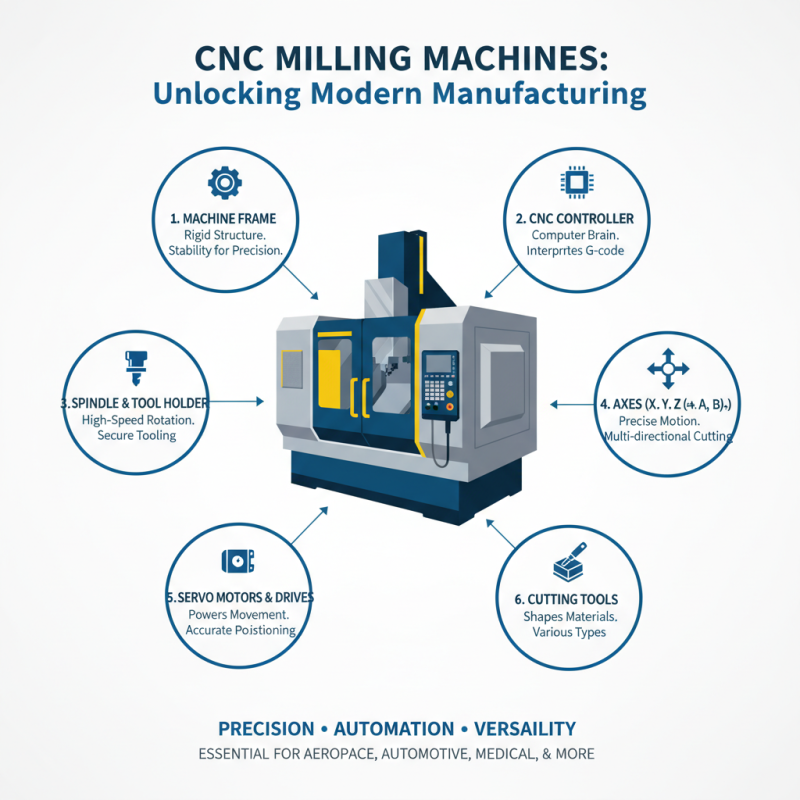
The spindle is a core part of these machines. It holds the cutting tool and enables high-speed rotation. Research indicates that the spindle speed often exceeds 20,000 RPM, which enhances cutting efficiency. The tooling system is equally important. Tool holders and inserts are designed for specific tasks, affecting the overall performance and durability. Using the correct tools can reduce equipment wear, yet some businesses neglect optimal tooling, leading to increased costs.
Next, the control unit plays a crucial role in operation. It translates CAD designs into movements. Unfortunately, many operators struggle with software interfaces. This can lead to errors, which ultimately affect production quality. Additionally, the bed or table supports the workpiece. Some manufacturers overlook proper maintenance of this component, risking damage. Regular checks can prevent malfunctions, so it’s essential to keep this part functioning smoothly. By addressing these issues, businesses can enhance the longevity and precision of their CNC milling machines.
How CNC Milling Machines Operate: The Working Process
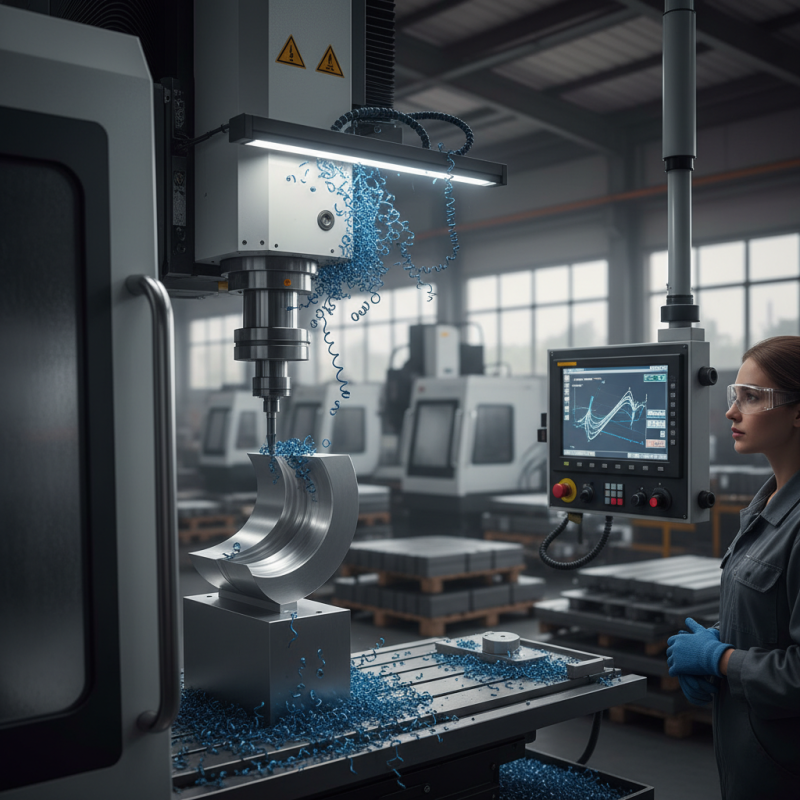
CNC milling machines are intricate tools that operate using computer numerical control. They take digital designs and translate them into physical objects with remarkable precision. The process begins with a computer instructing the machine on where to move and how fast to cut. This level of detail produces complex shapes that manual machines struggle to achieve.
The milling operation typically involves a rotating cutter and a stationary workpiece. The cutting tool attaches to a spindle, spinning at high speeds. As the spindle moves, it carves away material from the workpiece. Different materials can be processed, from metals to plastics. Each element requires careful consideration. Choosing the wrong tool or speed can result in poor cuts or damaged pieces.
As with all technology, CNC milling faces challenges. Operators must constantly monitor the machine. If a mistake occurs, it can lead to wasted material and time. Learning to troubleshoot and adjust settings is vital. CNC milling is not foolproof; it demands attention and skilled operation. It is a blend of art and engineering, requiring both creativity and technical know-how.
Applications and Benefits of CNC Milling Machines
CNC milling machines are increasingly popular in various industries. They offer precision and efficiency for complex part manufacturing. In sectors like aerospace and automotive, these machines are crucial. Reports indicate that the global CNC milling machine market can reach a value of $100 billion by 2025. This growth demonstrates their vital role in modern manufacturing.
The applications of CNC milling machines are vast. They are used in creating parts for medical devices, electronics, and even furniture. These machines can work with different materials, including metal and plastic. Additionally, they reduce waste, as they can create intricate designs with minimal material loss. This efficiency attracts businesses looking to improve profitability.
Tips: Always prioritize regular maintenance. This ensures longevity and reliability. Also, consider employee training. Skilled operators can make a significant difference in productivity.
One challenge with CNC milling is the initial setup cost. It can be high, which may deter small businesses. Yet, the long-term benefits often outweigh these initial investments. Knowing when to invest in such technology is key for any business.
Maintenance and Troubleshooting for CNC Milling Machines
CNC milling machines are essential in various manufacturing processes. Proper maintenance is critical for ensuring operational efficiency. According to industry reports, approximately 20% of downtime in CNC machining arises from insufficient upkeep. Regular maintenance can significantly reduce this time.
Routine checks should include cleaning and lubrication of moving parts. Failing to do so can lead to unnecessary wear and tear. Additionally, monitoring coolant levels is crucial. If coolant runs low, it can cause overheating, leading to major failures. A temperature increase of even a few degrees can result in irreversible damage.
Troubleshooting is equally important. Operators should be trained to recognize warning signs. Strange noises or vibrations often indicate an underlying issue. Ignoring these signals can escalate minor problems into costly repairs. Data shows that about 15% of machines suffer from issues due to lack of immediate attention. Regular audits and skill refreshers for operators can help mitigate these risks effectively.
CNC Milling Machine Maintenance Overview

 Press Brake
 CNC Laser
 Industry Robot
 Plate Rolling Machine
 Tube Bending Machine
 Lathe and Machining Center
 Machine Protection Products