How to Choose the Right CNC Lathe Metal Protective Cover for Your Machine?
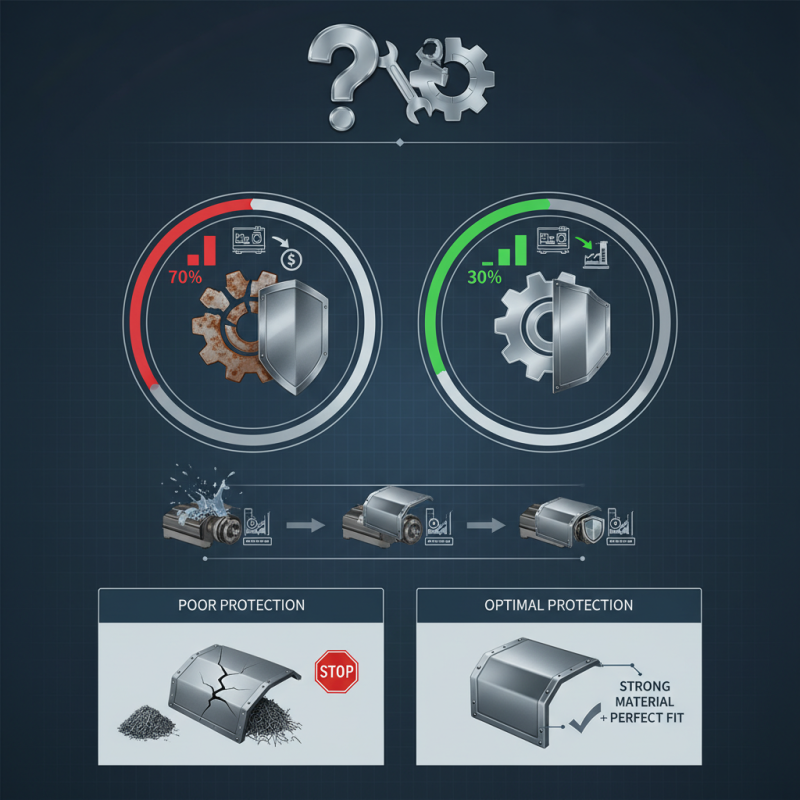
Choosing the right CNC lathe metal protective cover is crucial for machine longevity. In the manufacturing industry, nearly 70% of CNC machines experience wear and tear without proper protection. A good cover prevents chips, coolant, and dust from damaging components. This can significantly reduce maintenance costs over time.
Data from industry reports show that about 30% of machine failures are linked to inadequate protection. Choosing a quality CNC lathe metal protective cover can minimize downtime and enhance productivity. A well-fitted cover can withstand harsh conditions while ensuring smooth operation.
Reflecting on the options available, not all protective covers are created equal. Many buyers overlook the importance of material quality and fit. This can lead to poor protection, increasing vulnerability to wear and risk of failure. It's essential to assess these factors critically for optimal performance.
Understanding the Importance of Metal Protective Covers for CNC Lathes
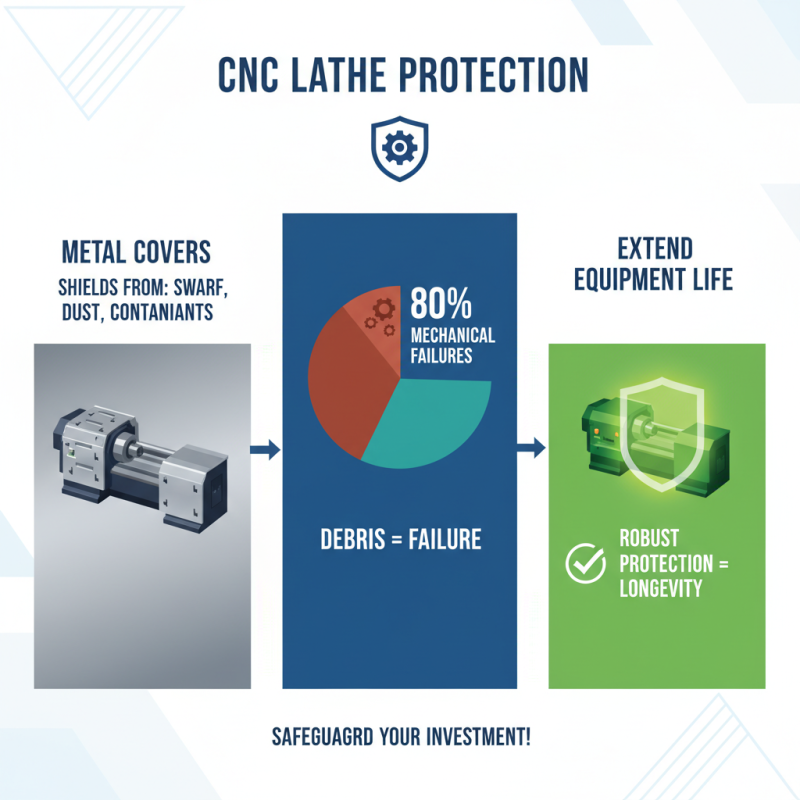
Metal protective covers play a crucial role in safeguarding CNC lathes. These covers shield the machines from swarf, dust, and other contaminants. According to industry reports, nearly 80% of mechanical failures stem from debris accumulation. This highlights the need for robust protection. A well-designed cover can extend the life of valuable equipment significantly.
Moreover, proper covers reduce maintenance time and costs. For instance, a study showed that machines without effective covers required 30% more frequent servicing. This increases downtime. In contrast, lathes equipped with metal covers are more reliable. Operators report fewer interruptions and greater efficiency. Investing in quality protective covers is not just smart; it’s essential.
Despite the benefits, choosing the right cover can be challenging. There is no one-size-fits-all solution. Operators must consider factors like material type and thickness. Other factors include machine size and operating environment. Some covers might not fit perfectly, leading to potential gaps. This is a point of reflection for many users. It’s vital to prioritize specific needs while navigating these choices.
Identifying Key Features of CNC Lathe Protective Covers
When choosing a CNC lathe metal protective cover, understanding the key features is crucial. Quality covers can significantly extend the lifespan of your machine. A recent report from the International Journal of Advanced Manufacturing Technology indicates that machines protected correctly can see a lifespan increase of up to 25%. This emphasizes the importance of selecting appropriate material for the cover.
Look for durability and resistance to harsh environments. Many covers are made from high-density polyethylene (HDPE) or polycarbonate, both known for their longevity. Additionally, consider the cover's fit. An improper fit can lead to dust and debris infiltrating critical components. It's worth noting that a study from the Machinery Manufacturers Association found that 30% of machine downtime is caused by environmental damage, which could be mitigated with a proper protective cover.
Ventilation should not be overlooked either. Some covers boast ventilation features that temper heat build-up. Ensure that the cover does not trap heat, as overheating can compromise the machine's performance. While aesthetics matter, function is paramount. All these aspects contribute to the effectiveness of the protection. Remember, a well-chosen cover is an investment in your machine's health and performance.
How to Choose the Right CNC Lathe Metal Protective Cover for Your Machine?
| Feature |
Description |
Importance |
| Material |
Choose covers made from durable materials like steel or aluminum for better protection. |
High |
| Size Fit |
Ensure the cover fits your CNC lathe machine perfectly to avoid exposure to debris. |
Critical |
| Ease of Installation |
Look for covers that can be installed easily without special tools. |
Moderate |
| Resistance to Chemicals |
Select covers that can resist coolant and other chemicals used in machining. |
High |
| Ventilation |
Ensure the cover allows for proper ventilation to prevent overheating. |
Important |
Evaluating Material Options for Durability and Performance
Choosing the right material for a CNC lathe metal protective cover is essential. Durability and performance significantly impact the machine's efficiency. According to a recent industry report, over 70% of machinery breakdowns are linked to inadequate protection. Using strong materials can reduce these risks.
Steel and aluminum are prevalent choices. Steel offers high strength but can be heavy. Lightweight aluminum provides good protection and ease of handling. A study found that aluminum covers reduced wear rates by 30%. However, they may not withstand extreme temperatures as effectively as steel.
Polyurethane is another viable option. It blends flexibility with durability. This material helps absorb impact and reduces vibrations. However, some polyurethane products can degrade over time under UV exposure. Lifespan concerns necessitate careful selection. Understanding these factors is crucial for optimal performance and longevity.
Assessing Compatibility with Your CNC Lathe Model
Choosing the right protective cover for your CNC lathe is crucial. Compatibility with your specific CNC model is the first consideration. Not all covers fit every machine. Some covers may block access to essential controls, while others might not align well.
Measure your lathe carefully before making a decision. Get accurate dimensions, including height and width. Avoid assuming that a standard cover will work. The variations in CNC models can be significant. A poorly fitting cover can cause operational issues, leading to downtime.
Evaluate materials and quality too. A durable cover can withstand wear and tear. However, some materials may not be suitable for your environment. Be aware of potential issues, like overheating or moisture retention. Reflect on your machine’s specific needs. A mismatch can lead to frustration down the road. Always consider how a cover can impact the performance and longevity of your equipment.
Cost-Benefit Analysis: Investing in the Right Protective Cover
When considering a CNC lathe metal protective cover, a cost-benefit analysis is essential. A well-designed cover can significantly reduce maintenance costs. According to industry reports, machinery can incur 20% higher repair costs without adequate protection. This is due to dust and coolant exposure, which can lead to unforeseen breakdowns. Investing in a quality cover helps mitigate these risks, leading to longer machine life.
Moreover, a protective cover can enhance safety within the working environment. Data shows that over 30% of workplace accidents in machining environments are linked to equipment exposure. A cover acts as a barrier, preventing debris from flying and reducing injury risks. However, businesses must weigh initial costs against long-term savings. Sometimes, cheaper alternatives might not provide optimal protection. This could lead to future expenses that outweigh the initial savings. An informed decision is vital.
Choosing the right cover also hinges on specific machine requirements. Consider factors like size, material, and environmental conditions. Custom solutions can be more effective but often come at a higher price. Reflecting on these details ensures an informed investment.

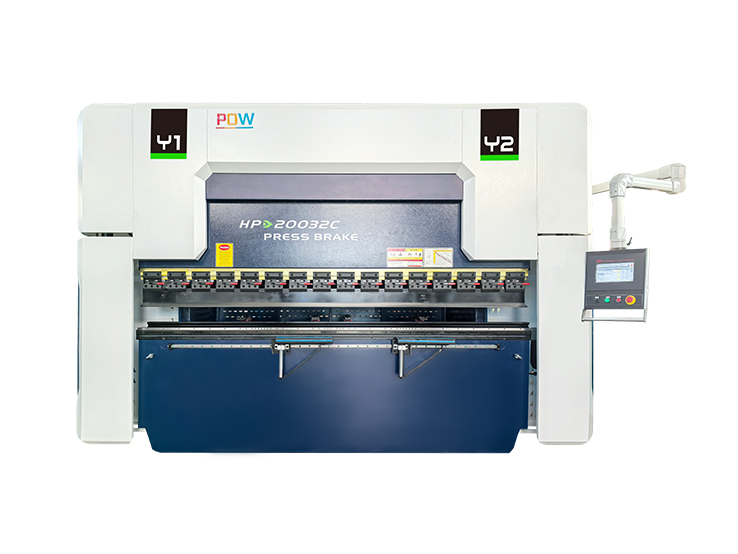 Press Brake
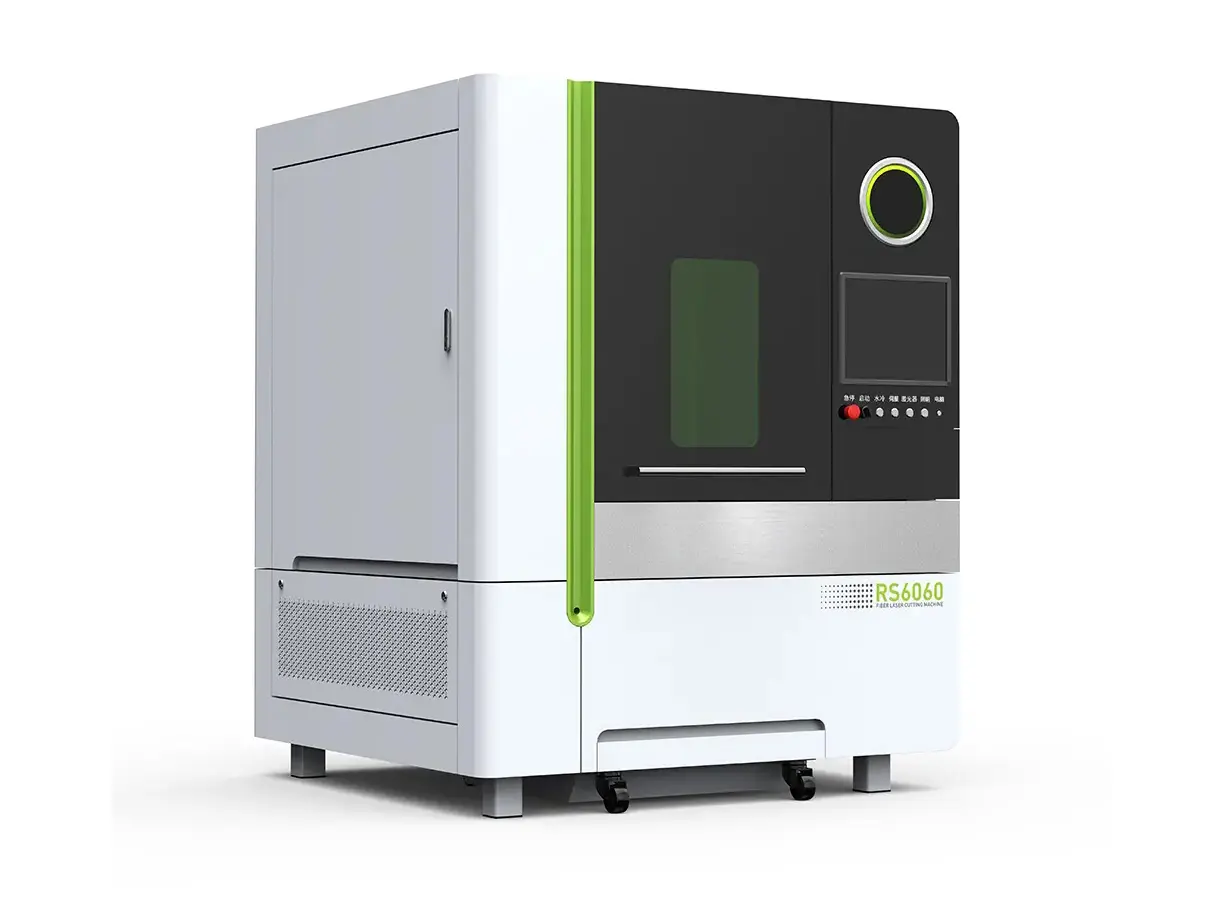 CNC Laser
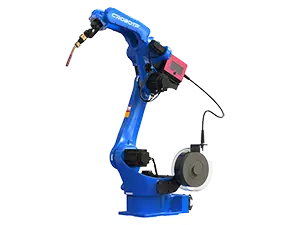 Industry Robot
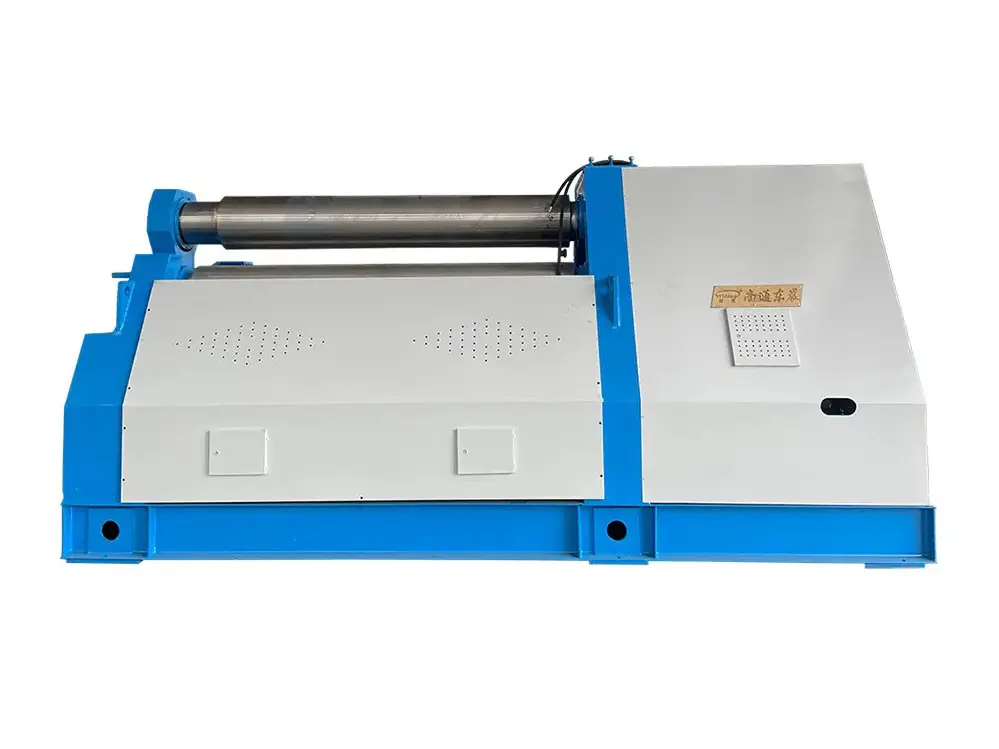 Plate Rolling Machine
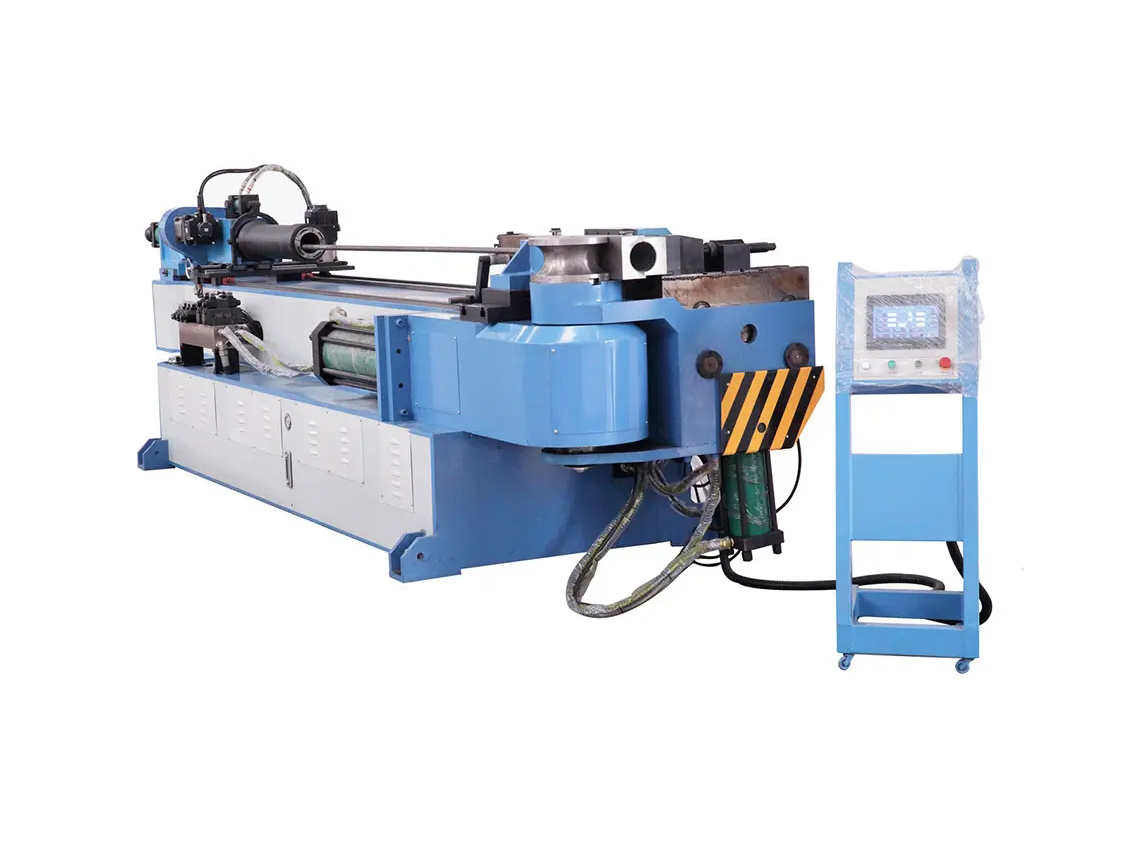 Tube Bending Machine
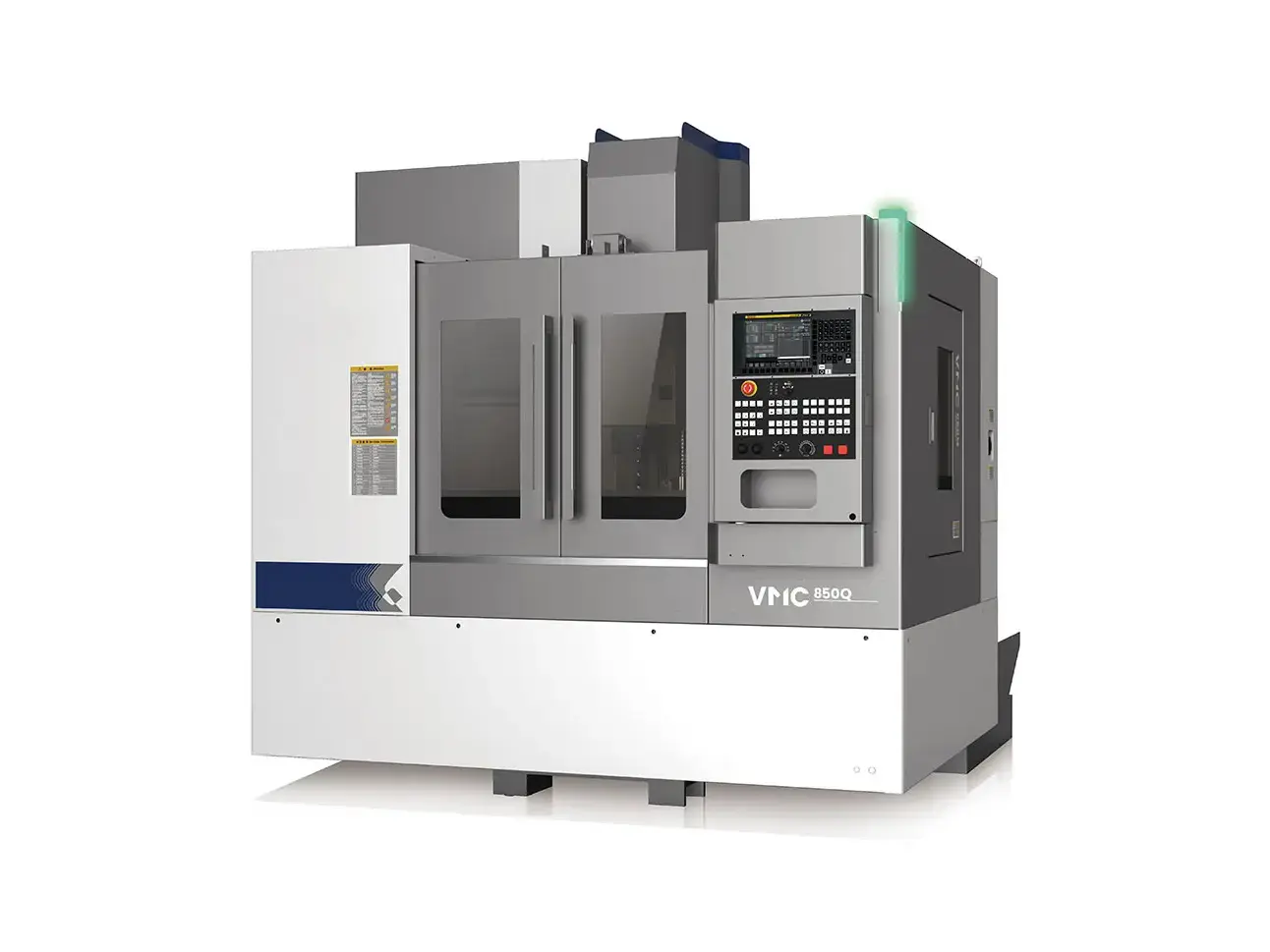 Lathe and Machining Center
 Machine Protection Products