How to Choose the Right CNC Vertical Lathe for Your Needs?
Choosing the right CNC vertical lathe can significantly impact your manufacturing process. The right machine increases efficiency and precision. It's essential to evaluate your specific needs before making a decision.
When selecting a CNC vertical lathe, consider factors such as size, tool capacity, and control system. Each of these aspects contributes to the machine's performance. You might lean towards advanced technology, but it may come with a steep learning curve. Balancing complexity with usability is crucial.
Also, think about the types of materials you'll be working with. Different CNC vertical lathes excel in handling various materials. Understanding these nuances helps in making a confident choice. Remember, investing in a CNC vertical lathe is a long-term commitment. Reflect on your options carefully to ensure you meet future demands.
Understanding CNC Vertical Lathes and Their Applications
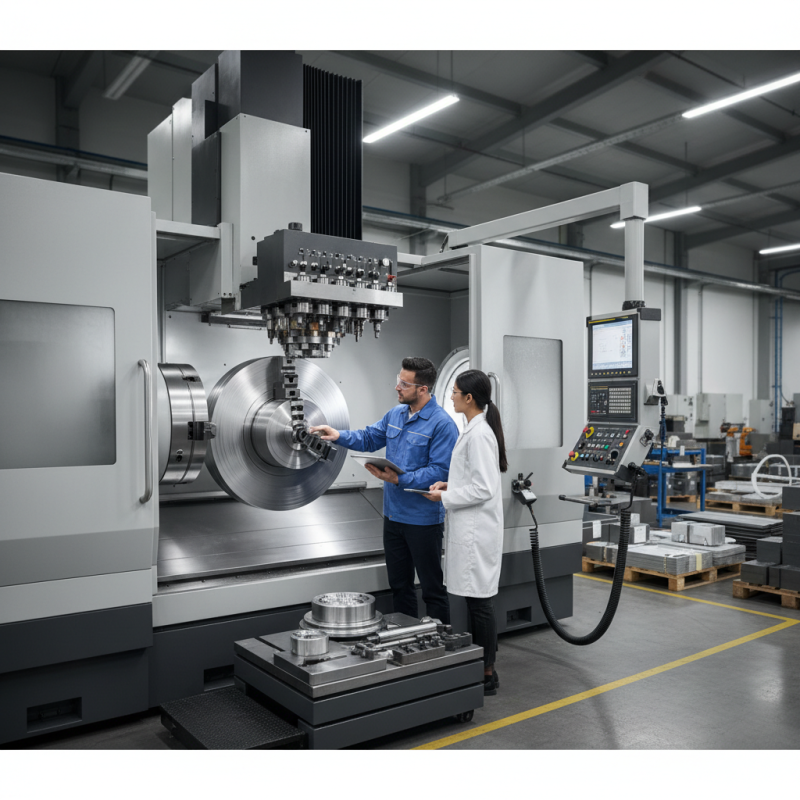
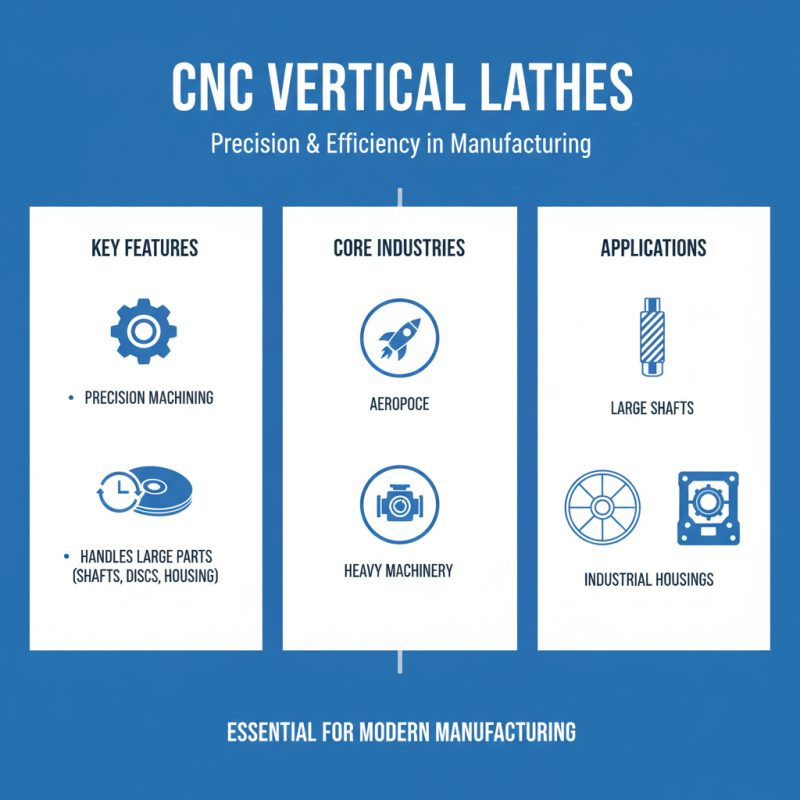
CNC vertical lathes are integral to manufacturing. They offer precision and efficiency for a variety of applications. These machines can handle parts like large shafts, discs, and housings. Industries such as aerospace, automotive, and heavy machinery rely on them. Understanding their capabilities is key to choosing the right one.
Vertical lathes work on the principle of rotating the workpiece against a stationary tool. This setup allows for intricate cuts and finishes. While they are powerful, not every model suits every task. For instance, a machine with higher torque may be necessary for harder materials, while speed is crucial for softer ones. Balancing these factors is essential for optimal performance.
It's also important to acknowledge the limitations of these machines. Maintenance is often overlooked but can lead to precision loss. Operators may require training to utilize all features effectively. Getting the most from a CNC vertical lathe involves constant learning and adapting to new techniques. This ensures not just productivity, but also long-term reliability.
Key Factors to Consider When Selecting a CNC Vertical Lathe
Choosing the right CNC vertical lathe can be challenging. Several key factors can guide your decision. The machine's size is crucial. Ensure it fits your workspace and meets your production needs effectively. The capacity of the lathe should align with your expected workloads. A machine with too small a capacity can lead to delays.
Next, consider the spindle speed and power. These aspects directly affect the material you can work with. Higher speeds allow for quicker processing but may also require more advanced tooling. Pay attention to the tool-change time as well. A faster tool-change can significantly improve efficiency, especially in high-volume production.
Finally, explore the machine's control system. User-friendly interfaces can reduce training time. However, complex systems might offer advanced features that enhance precision. Balance ease of use with the benefits of advanced technology. Reflections on your specific needs should guide this choice. Every production environment is unique; take your time to weigh these factors carefully.
Assessing Your Production Needs and Materials Requirements
When selecting a CNC vertical lathe, assessing your production needs and materials is crucial. This process ensures you choose a machine that aligns with your operational goals. According to a report by the International Federation of Robotics, the demand for CNC machines is projected to grow by over 7% annually. Manufacturers must consider the types of materials they’ll work with, as this influences spindle speed and torque requirements.
Metalworking, plastics, or composites will require different CNC configurations. For instance, aluminum parts require quick speeds, while steel demands robust torque. Understanding these requirements helps in selecting a machine that can enhance productivity. A study from Industry Week indicated that 30% of businesses experience downtime due to improper machine selection, emphasizing the importance of this assessment.
Tips: Always evaluate your typical workload. Consider the maximum dimensions and weights you handle. Ensure your chosen CNC lathe can accommodate these factors. Don’t overlook the potential for future needs. A machine that seems sufficient today may not meet demands down the line.
Also, consult with experienced operators or engineers. Their insights on machinery performance can be invaluable. Remember, the right investment now can lead to significant cost savings later. Regularly reviewing your production needs can prevent costly mistakes.
Evaluating Machine Features and Specifications
When evaluating CNC vertical lathes, several machine features and specifications should take precedence. Pay attention to spindle speed and torque. High spindle speed allows for efficient machining, while adequate torque ensures proper cutting under various loads. Assess whether the machine's range fits your material requirements. A versatile lathe can handle diverse materials effectively.
Consider the control system, which influences usability and automation. A user-friendly interface aids in reducing setup time and enhances productivity. Also, check for available software that may improve operational capabilities. Look into the overall build quality and rigidity. A robust design minimizes vibrations during operation, ensuring precision machining.
Take note of the tooling options provided by the lathe. Compatibility with different tool types enhances flexibility. Investigate if the machine supports automatic tool changes, which can drastically improve production efficiency. Lastly, reflect on your long-term needs. A machine that fits today’s requirements might not suffice in the future. Balancing current specifications with potential growth is crucial for making a wise investment.
How to Choose the Right CNC Vertical Lathe for Your Needs? - Evaluating Machine Features and Specifications
| Feature |
Specification |
Importance |
| Spindle Speed |
1500 - 4000 RPM |
High speed for efficiency |
| Max Workpiece Diameter |
600 mm |
Size capability for large parts |
| Power |
15 kW |
Adequate for heavy machining |
| Tool Capacity |
12 tools |
Versatile machining options |
| Table Load Capacity |
2000 kg |
Supports heavier components |
| Control Type |
CNC Control |
Precision and repeatability |
| Cooling System |
Integrated cooling |
Prevents overheating |
| Dimension (L x W x H) |
2500 x 1500 x 2200 mm |
Space requirements |
Budgeting for Your CNC Vertical Lathe Investment
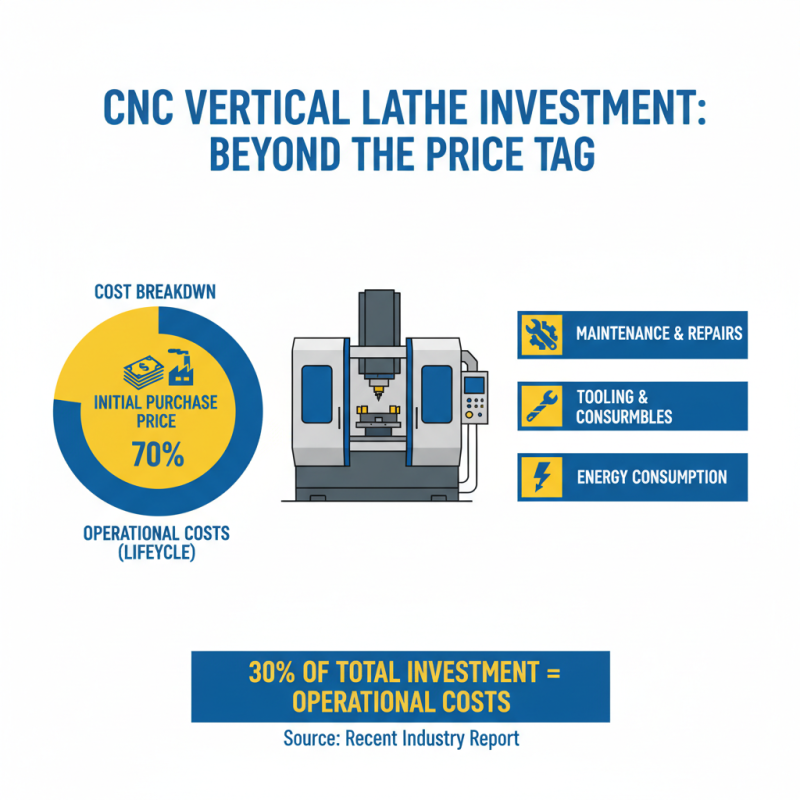
When budgeting for a CNC vertical lathe, it's crucial to grasp the full scope of expenses. The initial purchase price is just the tip of the iceberg. According to a recent industry report, operational costs can represent up to 30% of the total investment over a machine's lifecycle. Maintenance, tooling, and energy consumption can accumulate quickly. It's essential to account for these ongoing expenses when assessing your budget.
In many cases, businesses overspend on features they may not need. A study revealed that around 40% of companies found themselves utilizing only 60% of the capabilities offered by their CNC machines. This mismatch can lead to wasted resources. Instead, focus on defining your specific needs and select a model that addresses them without unnecessary extras. Make sure to evaluate the total cost of ownership carefully.
Also, consider training and implementation costs. Data shows that companies that invest in training experience a productivity boost of up to 20%. This investment can pay dividends in optimizing machine usage and minimizing downtime. Be realistic about how much you can allocate for training, as the benefits often far outweigh the initial costs.

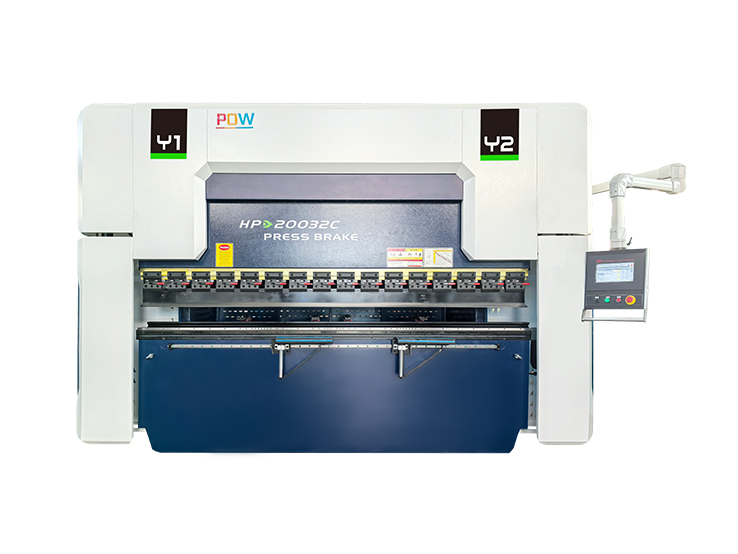 Press Brake
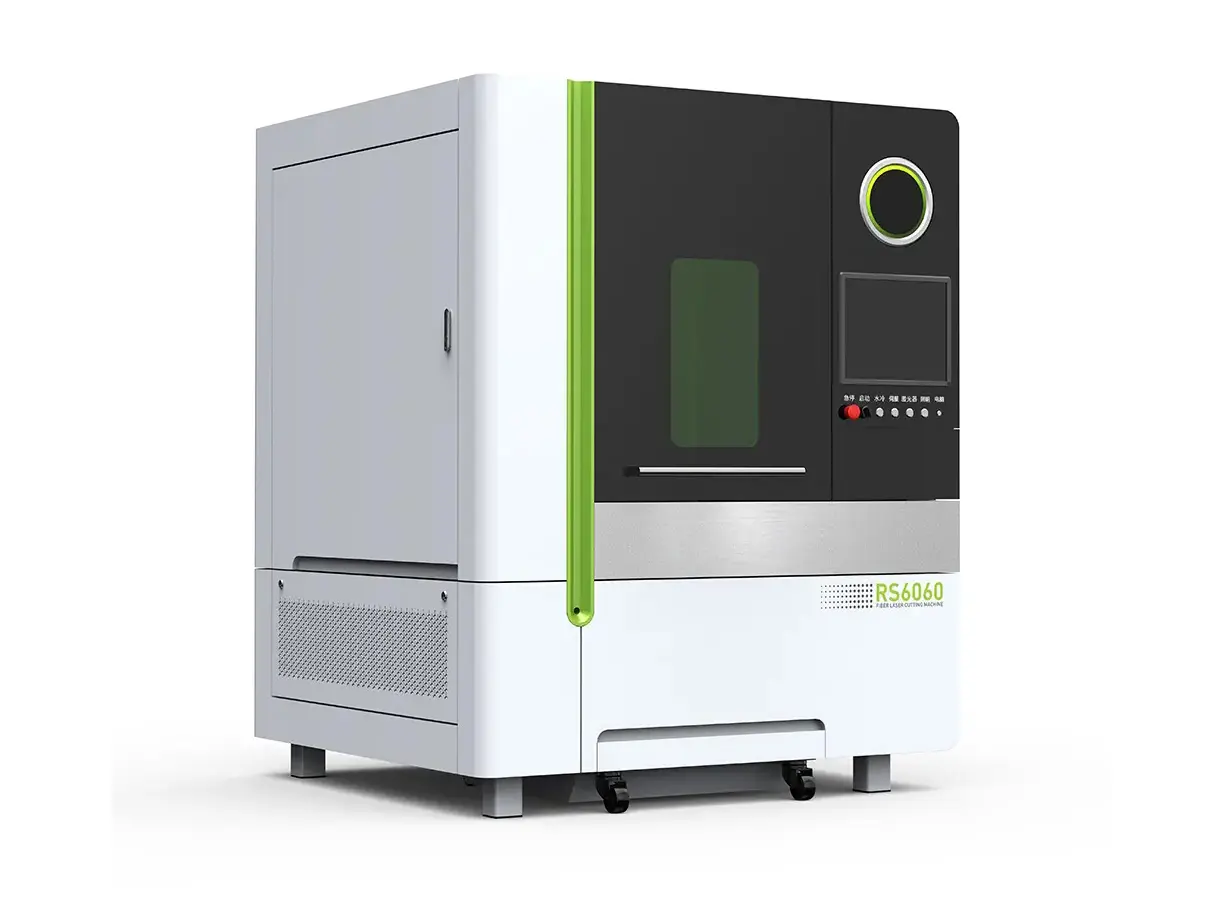 CNC Laser
 Industry Robot
 Plate Rolling Machine
 Tube Bending Machine
 Lathe and Machining Center
 Machine Protection Products