Why Choose a Laser Welding Machine for Your Business?
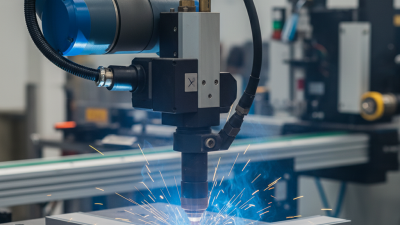
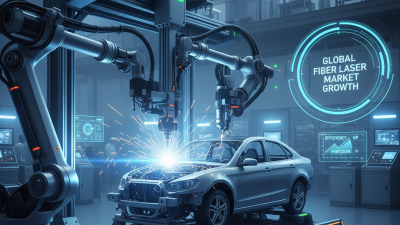
The adoption of advanced technologies is crucial for modern businesses. The Laser Welding Machine stands out as a top choice for many industries. Recent reports indicate that the global laser welding market is projected to grow significantly, reaching USD 3.4 billion by 2026. This growth is driven by increasing demand for precision and efficiency in manufacturing.
Laser welding is renowned for its speed and accuracy. It reduces material wastage and ensures cleaner welds. With a typical speed of 3 to 10 times faster than traditional welding methods, businesses can boost their productivity. However, some companies may hesitate due to the initial investment cost. It's important to weigh the long-term benefits against upfront expenses.
Investing in a Laser Welding Machine can lead to substantial ROI. Enhanced product quality and lower operational costs are just a few advantages. Yet, understanding the technology and required training is vital. As industries evolve, choosing the right equipment becomes paramount. Embracing this technology is not just a trend; it's a strategic decision for future success.
Benefits of Laser Welding Technology for Industrial Applications
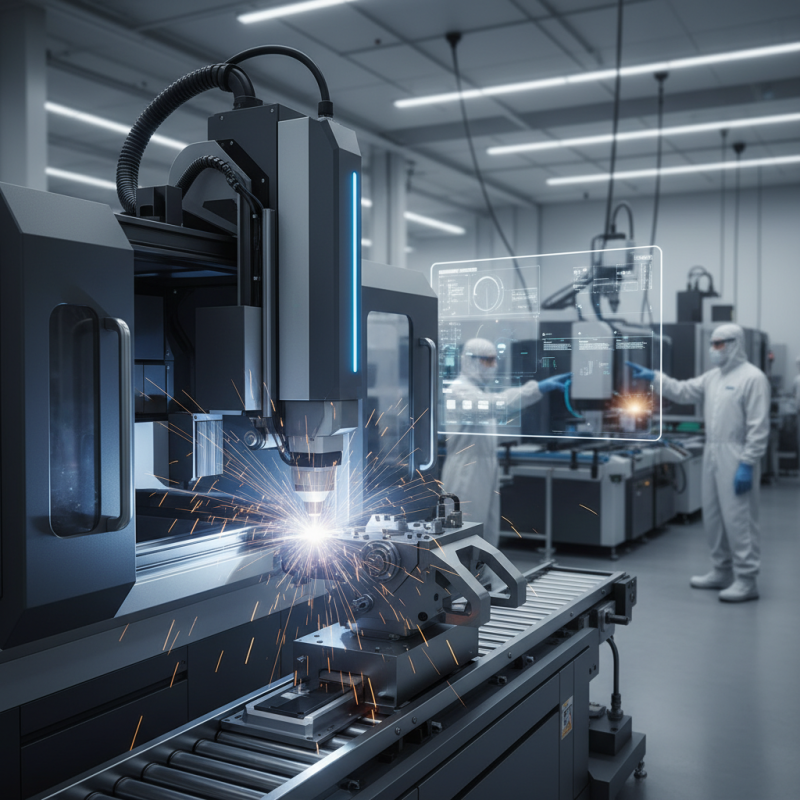
Laser welding technology is transforming industrial applications. This method provides high precision and speed, leading to improved productivity. It generates a narrow heat-affected zone, minimizing distortion and maintaining material integrity. This precision is vital for industries like aerospace and automotive, where even minor flaws can be costly.
Moreover, laser welding is versatile. It can be used on various materials, including metals, plastics, and composites. This adaptability makes it suitable for different sectors. The energy efficiency of laser machines is another benefit. They consume less power compared to traditional welding methods, which can lower operational costs. However, these machines require a skilled operator to fully utilize their capabilities.
On the downside, laser welding systems can be expensive to purchase and maintain. Some companies may hesitate to invest upfront. There can be a learning curve, as operators need training to handle the equipment effectively. Therefore, businesses should weigh these challenges against the benefits for their specific needs.
Comparative Analysis: Laser Welding vs. Traditional Welding Methods
Laser welding machines offer unique advantages over traditional welding methods. One major difference is the precision they provide. Laser welding can create small, focused weld spots, which is ideal for intricate designs. In contrast, traditional welding often involves broader, less precise areas of heat. This can lead to more warping and distortion in the materials.
Another point of comparison is speed. Laser welding typically operates at a faster rate. This allows businesses to boost productivity significantly. However, laser machines often have higher initial costs. This may deter some companies, especially small businesses. Weighing cost against efficiency is essential.
**Tip:** Assess your production volume. Higher volume operations might benefit more from a laser welding machine's speed.
Maintenance is another critical aspect. Laser systems can require specialized knowledge for repairs. Traditional welding methods may be simpler to fix with general equipment. Yet, the complexity of laser technology can lead to fewer frequent repairs when properly maintained.
**Tip:** Regular maintenance checks help avoid costly downtimes. Train staff on basic troubleshooting for your equipment.
Why Choose a Laser Welding Machine for Your Business? - Comparative Analysis: Laser Welding vs. Traditional Welding Methods
| Feature |
Laser Welding |
Traditional Welding |
| Heat Affected Zone (HAZ) |
Minimal |
Larger |
| Welding Speed |
High |
Moderate |
| Precision |
Very High |
Lower |
| Setup Time |
Short |
Long |
| Material Versatility |
Excellent |
Good |
| Cost Efficiency |
Higher initial investment |
Lower initial investment |
| Post-Weld Treatment |
Less needed |
Often needed |
Key Features of Laser Welding Machines Enhancing Productivity
Laser welding machines have transformed various industries by enhancing productivity in several key ways. One notable feature is their precision. These machines can create seamless joints with minimal heat, reducing warping and the need for excessive rework. The accuracy of laser welding means less material waste, benefiting both cost and the environment.
Additionally, the speed of laser welding greatly boosts efficiency. Processes that typically take hours can be completed in minutes. This rapid turnaround allows companies to meet tight deadlines and increase output. However, the initial investment can be daunting for some businesses. Training staff to operate these machines effectively can also pose challenges.
Another important aspect is the versatility of laser welding machines. They can work with a wide range of materials, from metals to plastics. This flexibility can open new avenues for businesses looking to expand their offerings. Nonetheless, it may require constant learning to keep up with technological advancements. Regular maintenance is essential to ensure optimal performance.
Cost-Effectiveness of Investing in Laser Welding Equipment
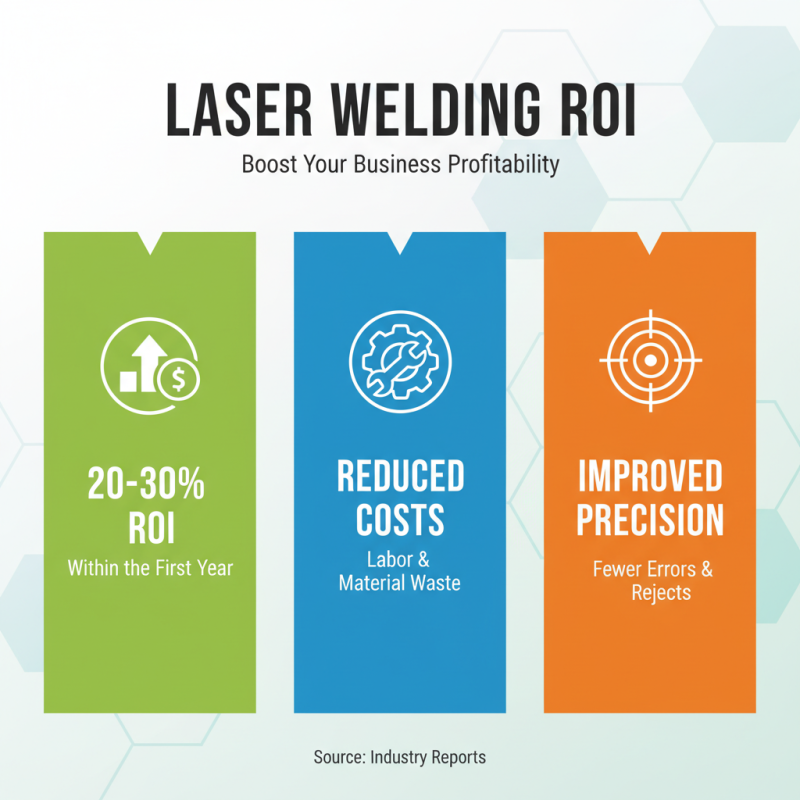
Investing in laser welding equipment can significantly improve your business's efficiency and profitability. According to industry reports, companies that adopt laser welding technology often see a return on investment (ROI) of 20-30% within the first year. This cost-effectiveness comes from reduced labor costs and minimal material waste. The precision of laser welding minimizes errors, leading to fewer rejected products.
Switching to laser welding can also enhance production speed. Traditional methods can take longer due to the need for multiple passes and adjustments. Laser welding often requires fewer steps, resulting in faster turnaround times. More products can be completed in a shorter frame, which increases overall output.
Tip: Always assess your current workflow. Identify if there are repetitive tasks that laser welding could streamline. This can further enhance cost savings and efficiency.
However, the initial investment for laser equipment can be significant. Businesses must consider their long-term needs versus immediate costs. It's crucial to evaluate whether laser welding aligns with current production goals.
Tip: Before making a decision, consult with peers who have made similar investments. Learn from their experiences and gauge how it could apply to your processes. This can lead to more informed choices.
Future Trends in Laser Welding Technology and Business Impact
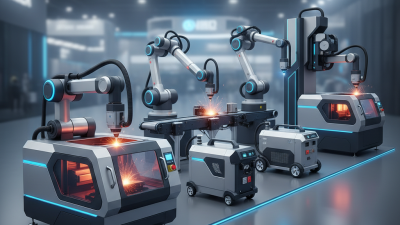
Laser welding technology is evolving rapidly, and businesses need to keep pace. The trend towards automation is becoming more pronounced. Automated laser welding systems improve efficiency and reduce human error. Industries are embracing robotics for precision tasks. This shift saves time and cuts costs significantly.
Adoption of new materials presents challenges. Not all lasers work well with every material. Businesses must continuously adapt their machines and techniques. Upgrading equipment is often necessary to meet these demands. Companies also face the pressure of staying competitive. The market is becoming saturated. Innovation is key to standing out.
Sustainability plays a big role in future trends. Eco-friendly practices are now expected. Laser welding can reduce waste and energy consumption. However, some methods still produce excess heat. It’s vital to address these issues. Working towards greener solutions is an ongoing journey. The landscape of laser welding is shifting, and businesses must be ready for the future.

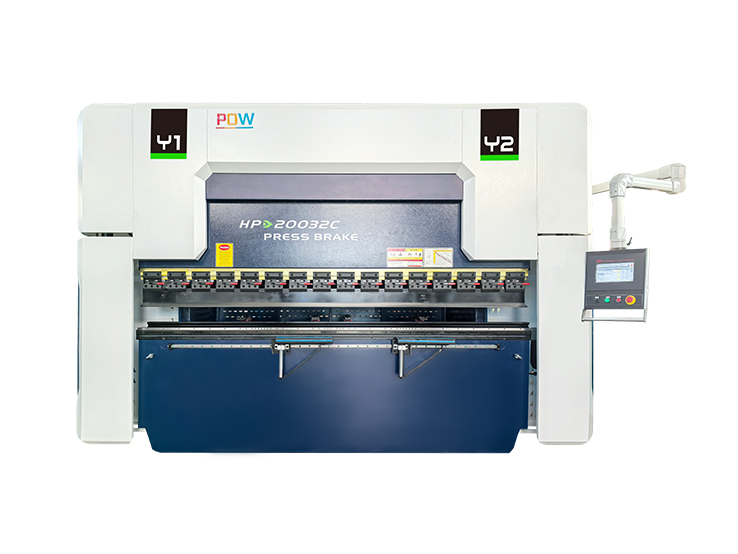 Press Brake
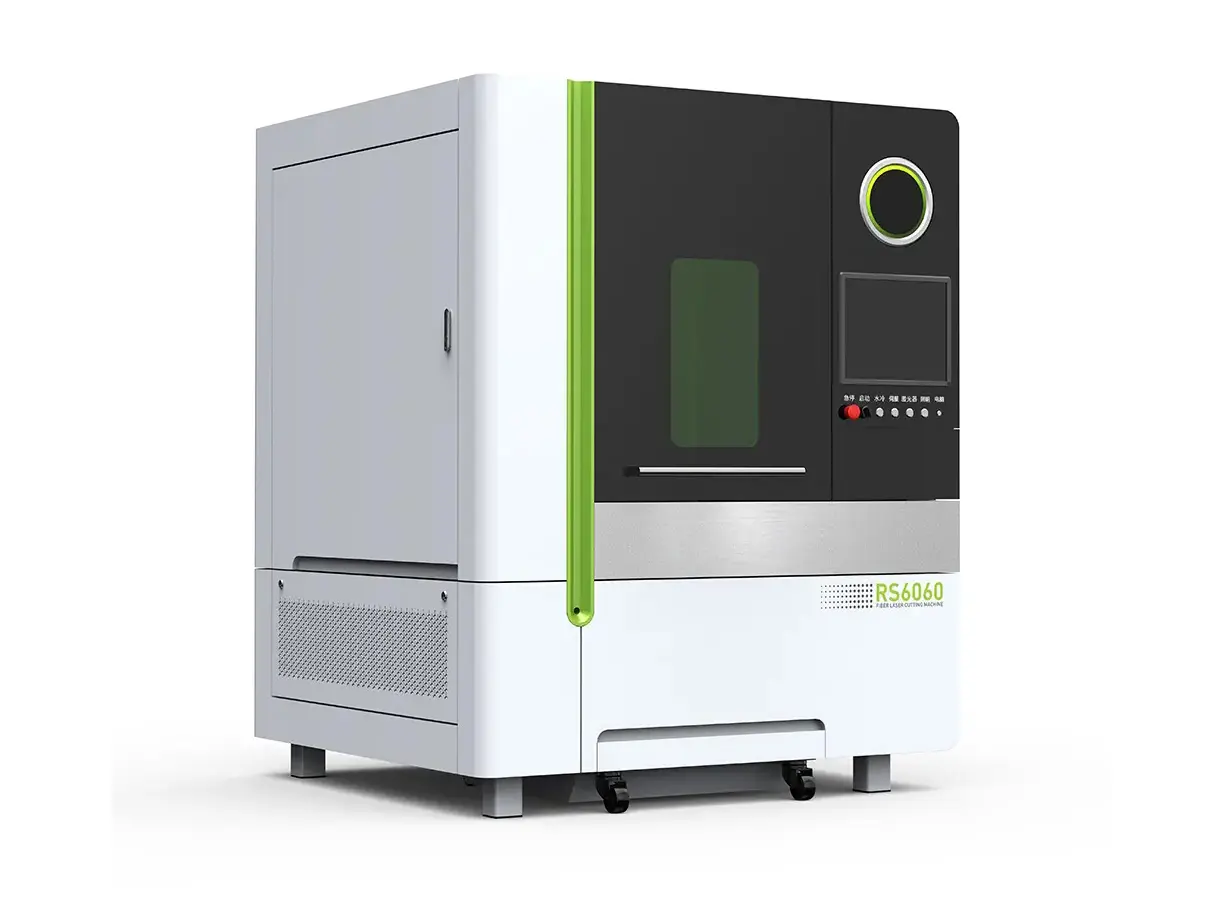 CNC Laser
 Industry Robot
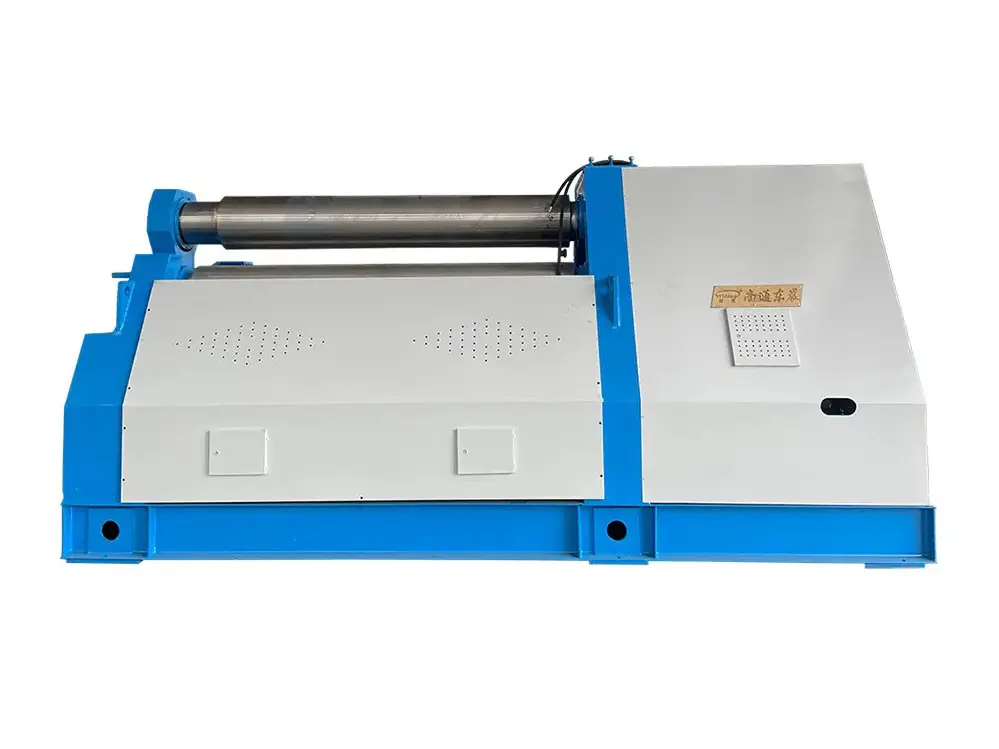 Plate Rolling Machine
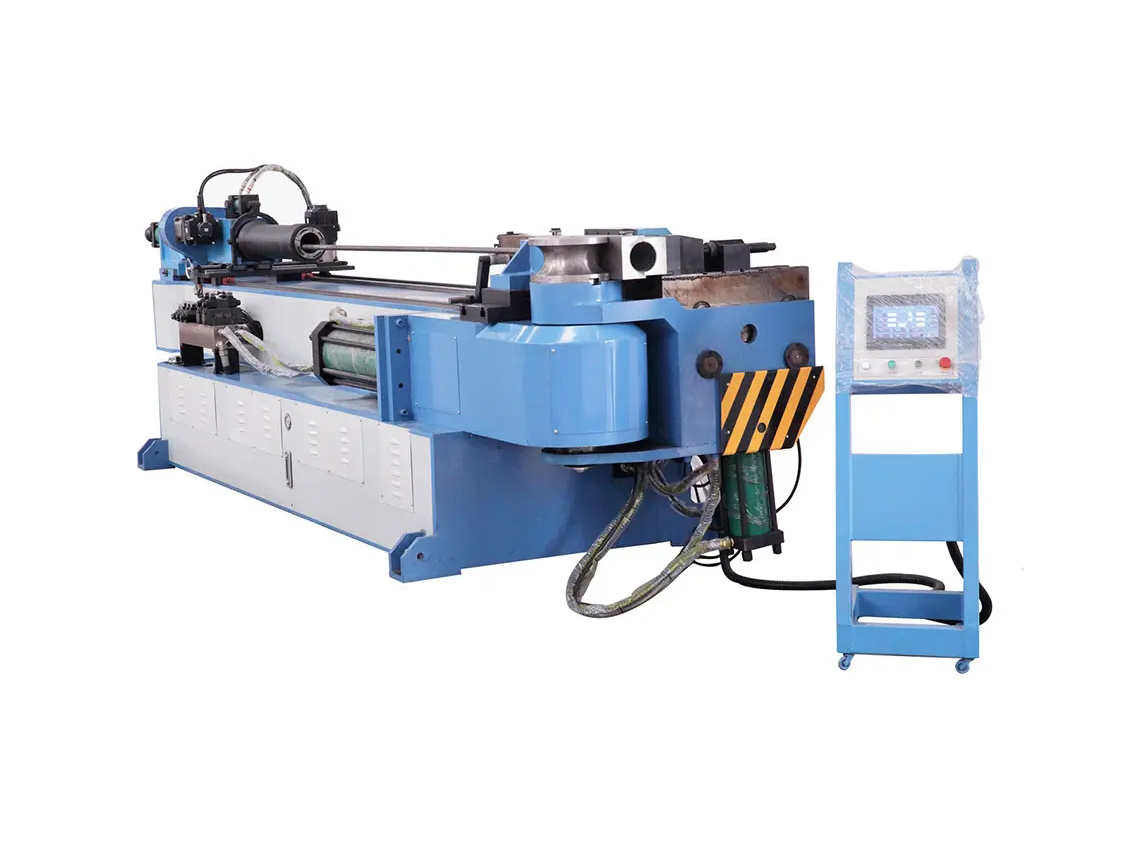 Tube Bending Machine
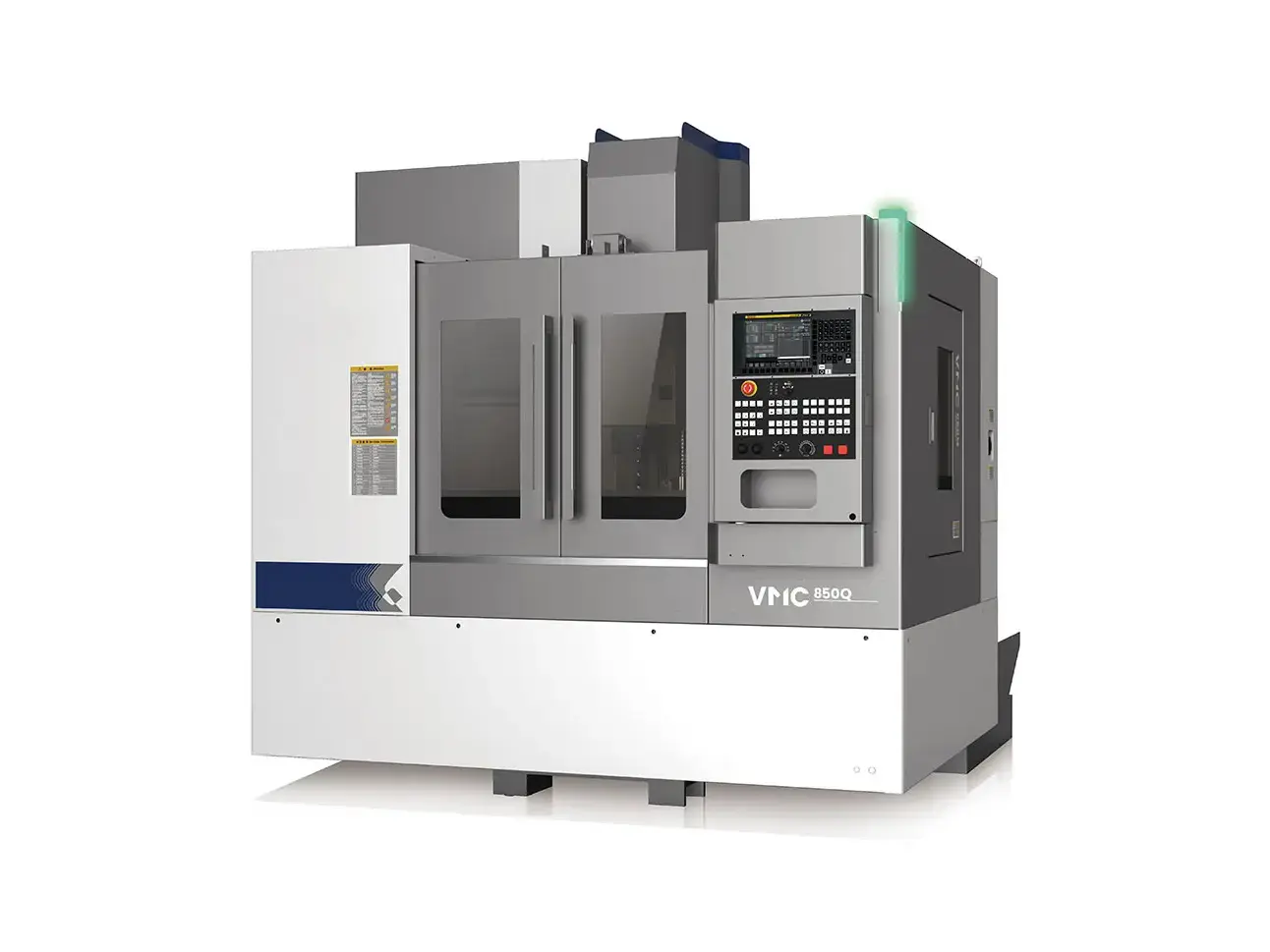 Lathe and Machining Center
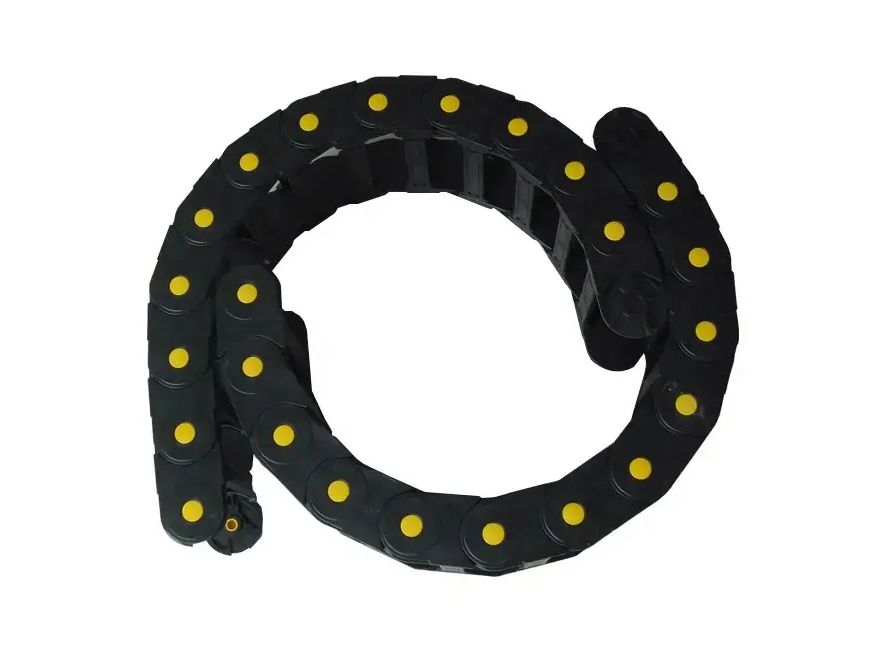 Machine Protection Products