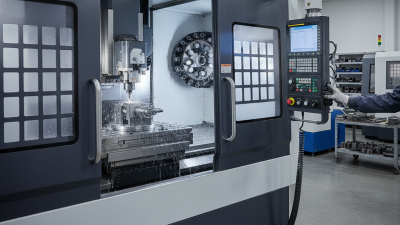
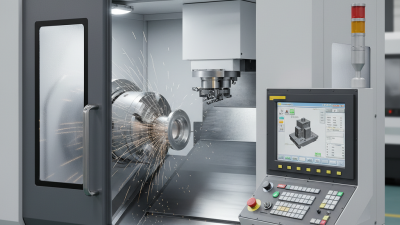
Why Choose a CNC Horizontal Lathe for Your Manufacturing Needs?
In today’s competitive manufacturing landscape, selecting the right tools is crucial for success. A CNC Horizontal Lathe stands out for its versatility and precision. According to a report by Mordor Intelligence, the CNC lathe market is projected to grow at a CAGR of 6.53% from 2021 to 2026. This growth indicates the increasing demand for efficient machining solutions.
CNC Horizontal Lathes offer remarkable benefits, including improved cycle times and enhanced product quality. Manufacturers can achieve tighter tolerances compared to traditional methods. These machines are particularly suitable for producing complex parts with varying diameters. However, not every manufacturer leverages their full potential. Many operators still rely on outdated techniques, leading to inefficiencies and higher costs.
Investing in a CNC Horizontal Lathe also requires considering maintenance and skill development. While they are powerful, improper use can lead to problems like tool wear or production delays. It’s essential to ensure that your team has the necessary training. Embracing modern technology, however, can significantly boost productivity and quality in your manufacturing processes.
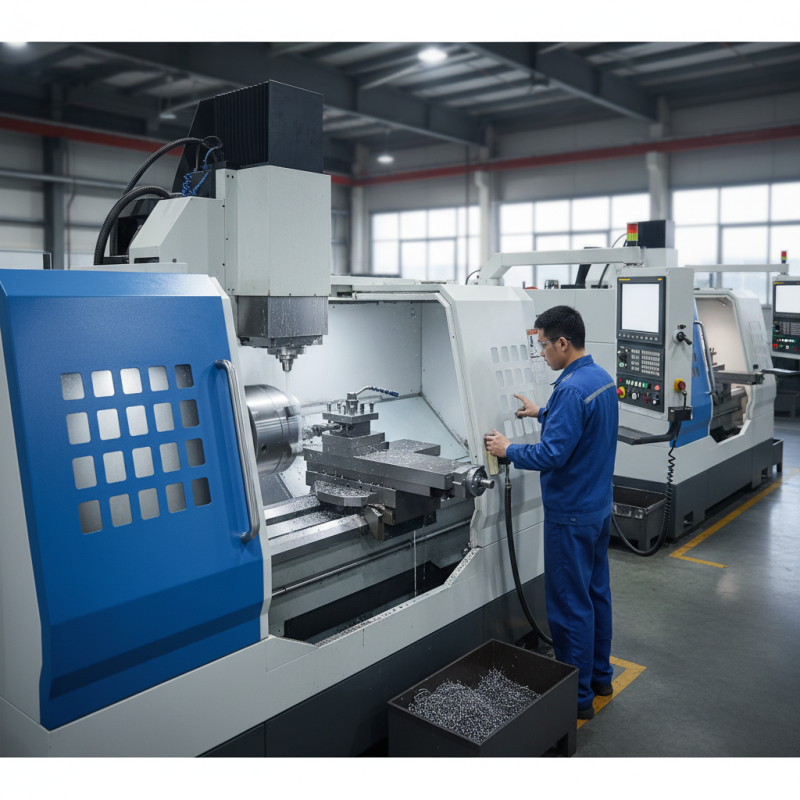
Understanding CNC Horizontal Lathes and Their Functionality
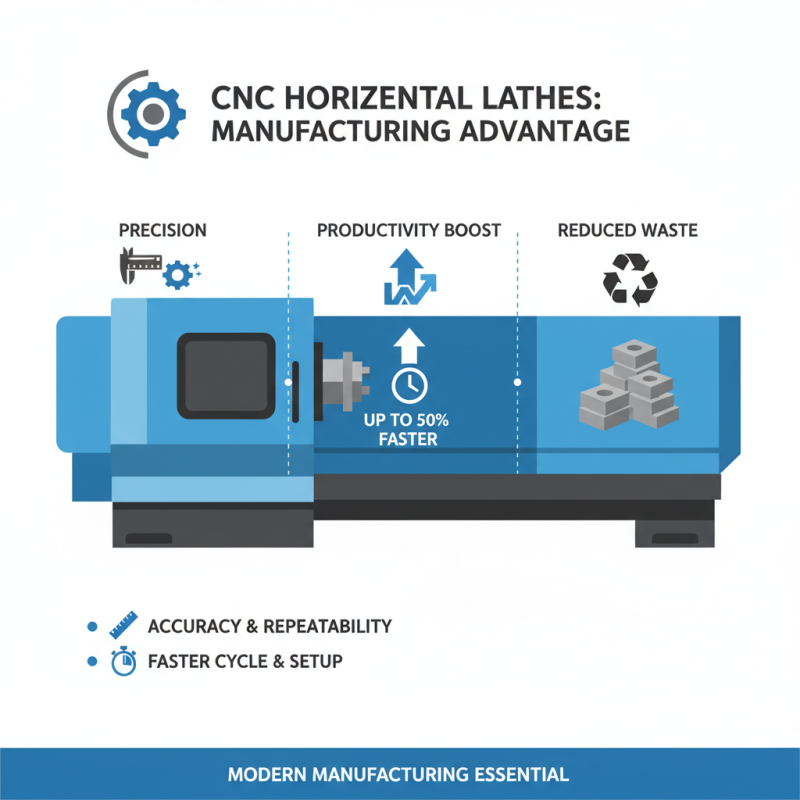
CNC horizontal lathes are essential in modern manufacturing. These machines enable precision machining for various materials. They offer accuracy and repeatability, crucial for high-volume production. According to a recent industry report, CNC lathes can increase productivity by up to 50% compared to manual machines. This improvement focuses on reduced setup time and faster cycle times.
One key feature of CNC horizontal lathes is their ability to process large workpieces. This aspect makes them suitable for industries like automotive and aerospace. The ability to create complex shapes with minimal human intervention enhances production efficiency. However, operating such machines demands skilled personnel who understand programming and machine maintenance. Many manufacturers face challenges finding skilled operators.
Despite their advantages, CNC horizontal lathes have limitations. For instance, initial costs can be high, and ongoing maintenance is critical. Some companies may overlook these factors, impacting long-term profitability. Regular training for staff is essential but often neglected. Research indicates that companies investing in operator training see a 30% increase in machine efficiency. Ignoring these aspects could hinder potential gains. Balancing investment and operational knowledge is vital for success.
Key Advantages of Using CNC Horizontal Lathes in Manufacturing
CNC horizontal lathes offer several key advantages in manufacturing. They provide high precision for various projects, which is essential in today’s competitive market. This precision leads to fewer errors and reduces waste. With advanced programming, operators can create complex shapes easily. This results in better product quality and consistency.
Another significant advantage is efficiency. CNC horizontal lathes work continuously without fatigue. This means they can run for longer hours, increasing production rates. Operators can focus on other tasks while the machine operates. This aspect is especially beneficial for large production runs, where time is critical. Yet, there are instances where the setup time can be excessive. Adjusting the machine for different tasks might require careful planning.
Investing in CNC technology also involves costs. While these machines can reduce labor expenses over time, the initial investment can be daunting. Businesses must consider whether the benefits outweigh the costs for their specific needs. Moreover, mastering the operation and programming of CNC machines requires training. This could lead to temporary delays in productivity. Balancing efficiency and cost is crucial.
Applications of CNC Horizontal Lathes Across Various Industries
CNC horizontal lathes are versatile machines widely used in manufacturing. Their design enables efficient machining of cylindrical components. Many industries benefit from their precision and speed.
In the automotive sector, these lathes create critical parts. They can machine gears, shafts, and housings with high accuracy. The precision ensures parts fit together perfectly. This reduces errors in assembly. However, machine calibration can be a challenge and requires regular checks to maintain quality.
Aerospace manufacturing also relies on CNC horizontal lathes. They help produce complex components for engines and airframes. The ability to handle tough materials is crucial. It’s vital to consider safety measures when working with these machines. Misalignment can create significant risks. Understanding these risks can enhance operational efficiency and safety.
Why Choose a CNC Horizontal Lathe for Your Manufacturing Needs?
| Industry |
Application |
Material Used |
Key Benefits |
| Automotive |
Production of engine components |
Aluminum, Steel |
High precision and repeatability |
| Aerospace |
Manufacturing turbine shafts |
Titanium, Nickel Alloys |
Lightweight and strong components |
| Medical |
Production of surgical instruments |
Stainless Steel, Plastics |
High accuracy and surface finish |
| Construction |
Fabrication of construction equipment |
Steel, Cast Iron |
Durability and strength |
| Electronics |
Manufacturing housings and components |
Aluminum, Plastic |
Precision and complex geometries |
Comparison of CNC Horizontal Lathes and Vertical Lathes for Production
When choosing between CNC horizontal lathes and vertical lathes, it's essential to consider their unique advantages. CNC horizontal lathes are versatile and ideal for larger workpieces. They provide easier access to parts, allowing for better tool changes and setups. The horizontal design also minimizes the risk of chip buildup, which can affect precision.
Vertical lathes, on the other hand, are better for specific applications. Their upright design is perfect for tall or heavy components. However, they can have limited accessibility, especially in adjusting or changing tools. This means more downtime while switching settings.
Tips: Always assess your production needs before making a purchase. Consider the size and type of materials you'll be working with. Also, think about space; horizontal lathes require more floor space but offer benefits in setup efficiency.
Keep in mind that each option has its challenges. CNC horizontal lathes might require more initial investment. Yet, they generally provide a quicker return on investment due to higher productivity. Vertical lathes can be less expensive but may limit future growth in manufacturing capabilities. Reflect on what aligns more closely with your long-term goals before deciding.
Factors to Consider When Choosing a CNC Horizontal Lathe
When selecting a CNC horizontal lathe, various factors come into play. The size and capacity of the lathe should match your production requirements. Larger lathes can handle bigger workpieces, yet they occupy more space. According to a recent industry report, manufacturers often lose 30% efficiency by using lathes that do not align with their workload. Thus, evaluating your production volume is crucial.
Precision is another key factor. CNC horizontal lathes provide excellent dimensional accuracy. This accuracy is particularly vital in industries like aerospace where tolerances can be as tight as ±0.001 inches. A slight deviation can lead to significant production issues. Moreover, consider the software compatibility. Some advanced lathes may not integrate easily with your existing systems. This could result in delays during the setup phase.
Cost does matter. Higher initial investments do not guarantee better performance. A more affordable option may meet your current demands but could lack the features required for future projects. It’s worth researching the total cost of ownership, which includes maintenance and operational costs. Reports indicate that improper maintenance can lead to an increase of repair expenses by up to 25%. Reflecting on these considerations ensures that your investment aligns with both current and future manufacturing needs.

 Press Brake
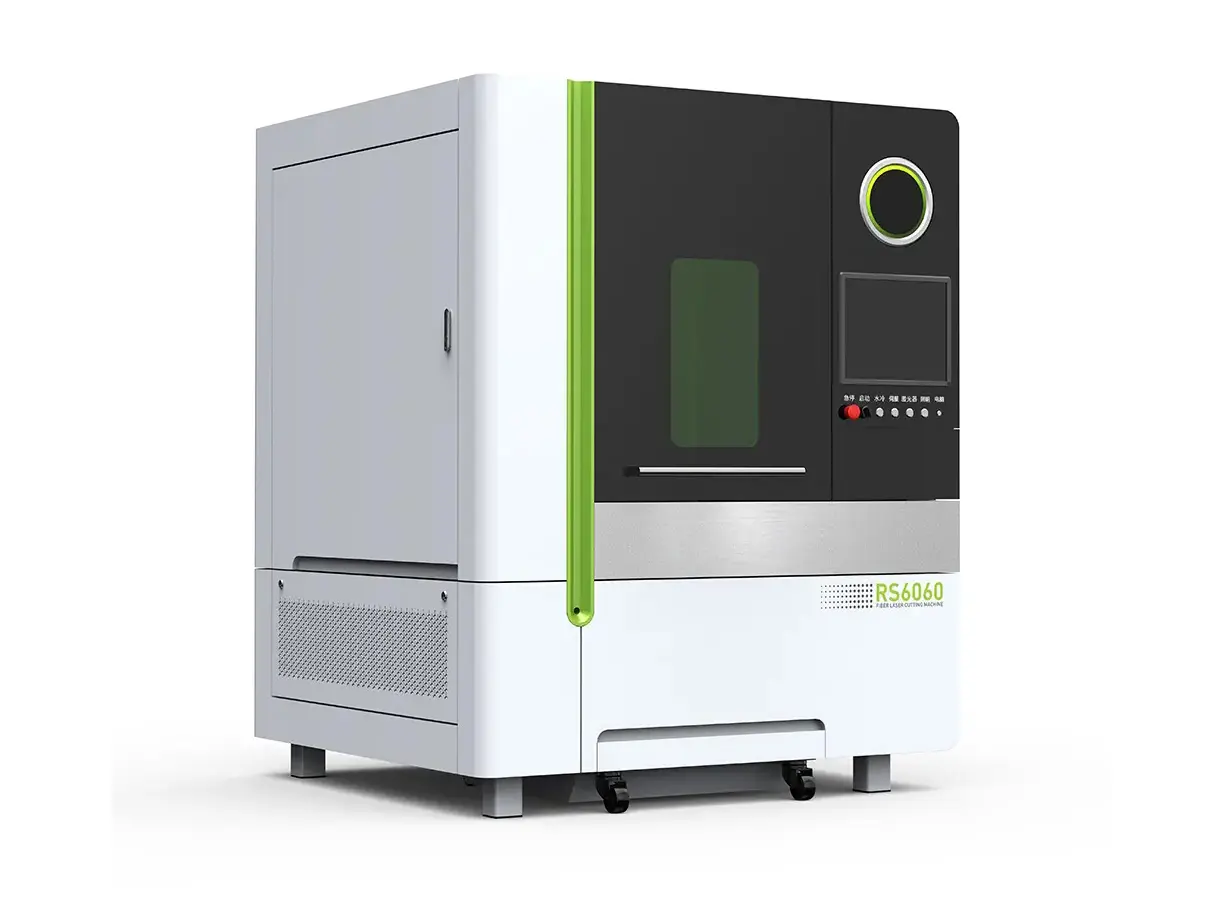 CNC Laser
 Industry Robot
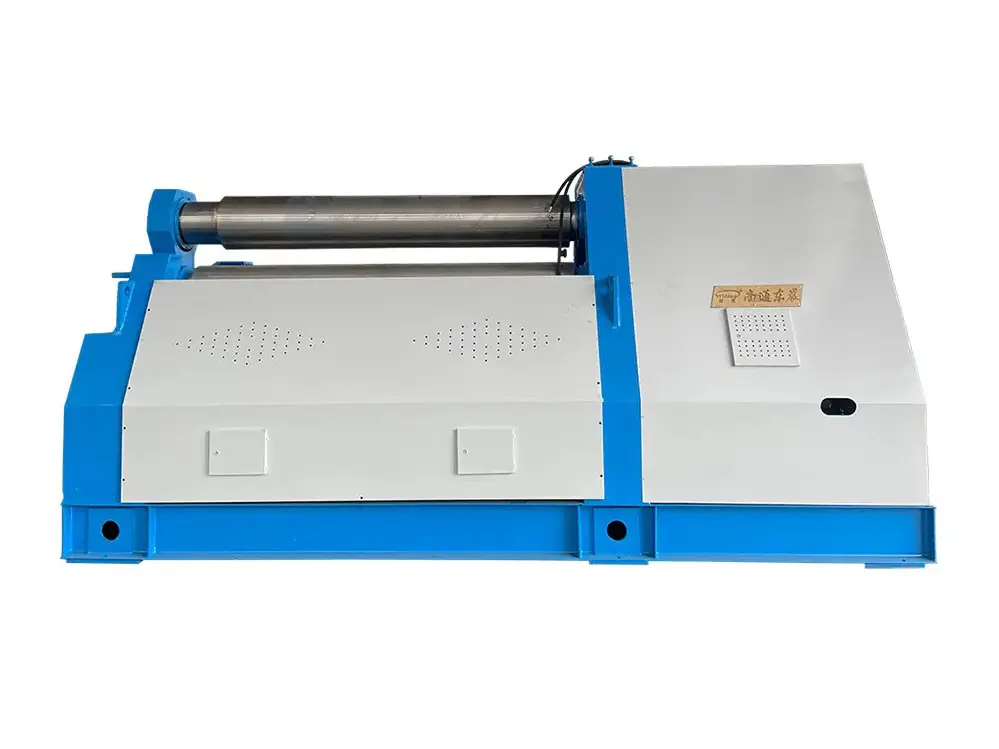 Plate Rolling Machine
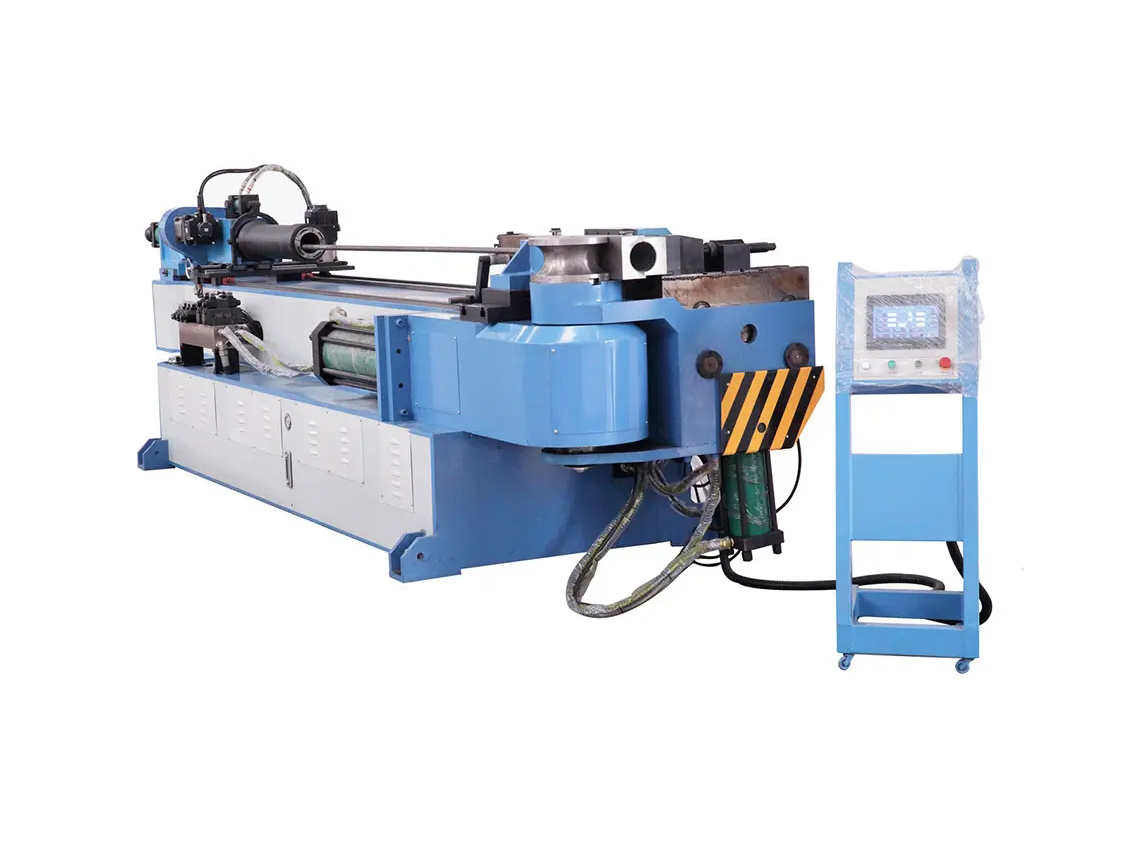 Tube Bending Machine
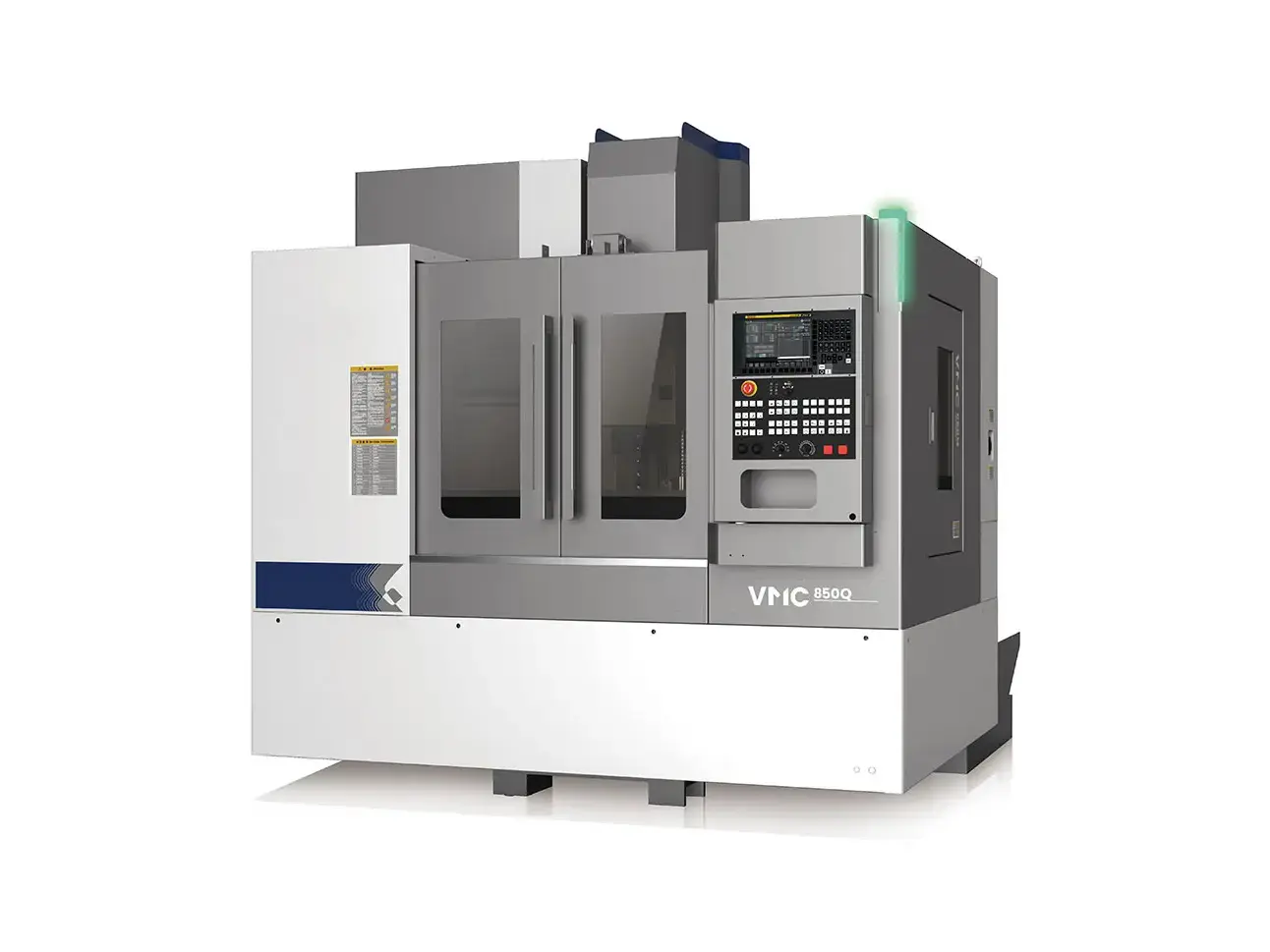 Lathe and Machining Center
 Machine Protection Products