How to Choose the Best CNC Milling Center for Your Project?
Choosing the right CNC Milling Center is crucial for successful projects. This decision can significantly affect efficiency and results. However, not all CNC Milling Centers are the same. Each machine offers different features that cater to various needs.
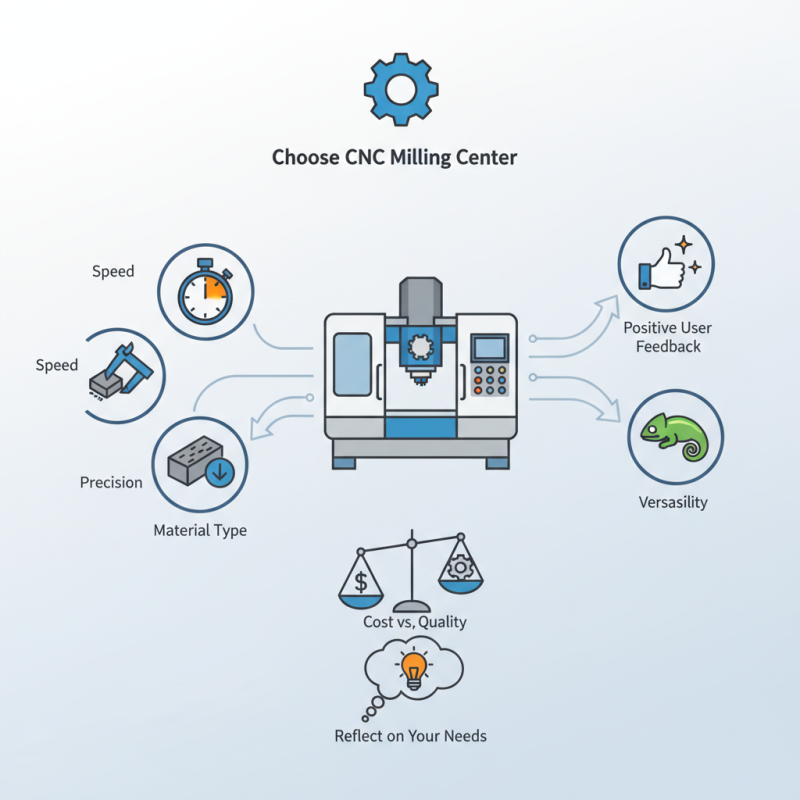
When selecting a CNC Milling Center, consider your specific project requirements. Are you focusing on speed, precision, or material type? The wrong choice can lead to unsatisfactory results. Look into machines that provide versatility and have positive user feedback.
It's essential to reflect on your needs before making a choice. Sometimes, complexities arise when trying to balance cost and quality. You might find yourself prioritizing one aspect over another. Take the time to evaluate your options carefully. The right CNC Milling Center can make all the difference in achieving your project goals.
Understanding CNC Milling Centers and Their Applications
CNC milling centers are essential tools in modern manufacturing. They automate the process of shaping metal and wood with precision. These machines can create complex shapes and intricate designs quickly. However, they come in different types and sizes, each suited for specific applications. Understanding these options is crucial for selecting the right one.
When considering a CNC milling center, think about your project’s requirements. Are you working on small, detailed parts or larger components? The size and complexity of the part will dictate your choice. For instance, a larger machine may be more appropriate for substantial workpieces but might overwhelm simple tasks. Attention to detail is key; even minor errors can lead to significant issues later on. Digging into the specifications can help clarify your needs but may require experience to interpret correctly.
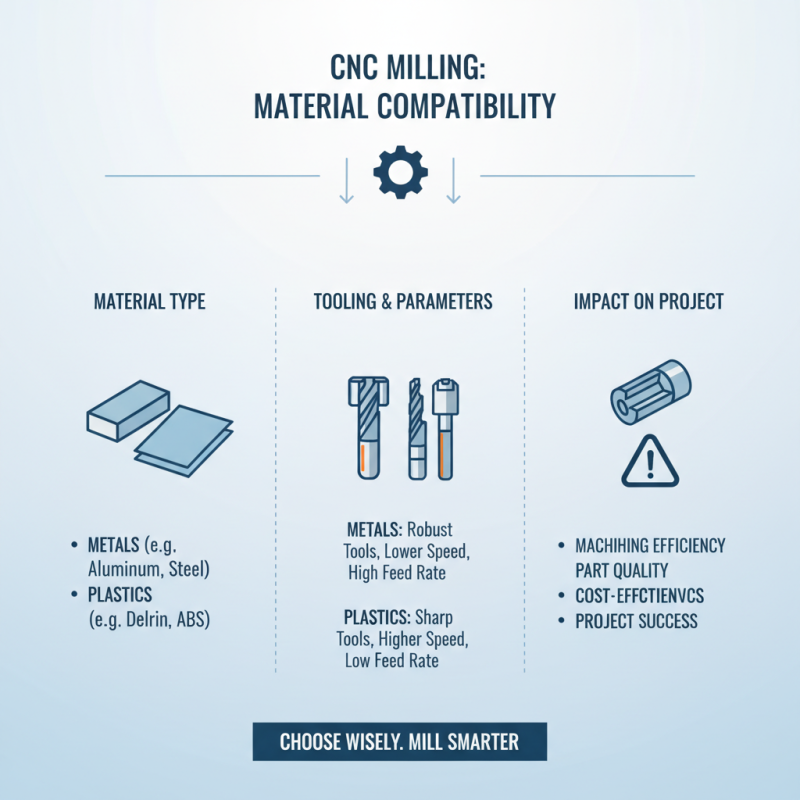
Additionally, consider the materials you'll be working with. Metals, plastics, and composites each have unique properties. Not all CNC milling centers handle these materials effectively. Some machines may struggle with harder metals, while others excel in soft plastics. Always reflect on past projects. Have you faced challenges with your current setup? Evaluate those experiences to avoid repeating mistakes. This awareness can significantly enhance your productivity and project outcomes.
How to Choose the Best CNC Milling Center for Your Project?
| Feature |
Description |
Importance |
Applications |
| Size |
Refers to the maximum dimensions of the material that can be processed. |
High |
Large components manufacturing, aerospace parts. |
| Precision |
The accuracy of the tooling in creating dimensions. |
Critical |
Medical devices, intricate designs. |
| Speed |
Measuring the processing time per part. |
Medium |
Production runs, automotive parts. |
| Number of Axes |
Refers to the number of possible directions/angles the tool can move. |
High |
Complex geometry, multi-faceted machining. |
| Material Compatibility |
Types of materials that can be processed (metals, plastics, etc.). |
High |
Electronics, tool making, custom parts. |
Key Factors to Consider When Selecting a CNC Milling Center
Choosing the right CNC milling center is crucial for the success of your project. One key factor to consider is the machine's size and working envelope.
A larger working area allows for bigger parts but may also require more floor space. If your projects are small, a compact machine might be more efficient. Think about the types of materials you'll be using.
Different CNC machines excel at machining various materials. Make sure your choice aligns with your project's needs.
Another important factor is the machine's precision and speed. The accuracy of the CNC milling center can greatly impact the quality of your work. You want a machine that delivers consistent results. However, speed is also essential.
Sometimes, there's a trade-off between speed and precision. Consider your project timelines and quality requirements carefully.
Lastly, don't forget about support and training. A machine is only as good as the operator. If you or your team lack experience, training becomes vital. Seek out resources or support options available for the milling center you choose.
Reflect on your long-term project needs versus immediate requirements. Balancing these elements can make a significant difference.
Assessing the Technical Specifications of CNC Milling Machines
Choosing the right CNC milling center requires a deep understanding of its
technical specifications. Key features such as
spindle speed,
accuracy, and
feed rate can significantly impact
your project’s quality. A higher spindle speed can improve efficiency for
specific materials, but it can also lead to overheating or premature wear
if not managed well. Assessing the machine's accuracy is crucial.
Tolerances of just a few microns may be needed for intricate designs.
Feed rate is another important factor. A machine that operates too quickly
might compromise precision, while a slower rate can extend production time.
Also, consider the machine's work envelope size. If you
are working with large components, ensure that the milling center can
accommodate them without constraints.
Pay attention to the control software. A user-friendly interface can save
time and reduce errors. However, reliance on complex software might create
a steep learning curve. It can be frustrating for operators. Each aspect of
the CNC milling machine should align with your specific needs. Reflecting on
past experiences can guide you in making a more informed choice.
Exploring Cost-Effectiveness and Budget Considerations in CNC Milling
When it comes to CNC milling, cost-effectiveness is vital. The initial setup costs can be high, but careful planning can help. One of the most significant expenses is the milling center itself. Look for options that offer the required features without unnecessary extras. Spending too much on advanced features may not yield a proportional return on investment, especially for small projects.
Tips: Consider your project scope. Are you focusing on small, intricate parts or larger components? This decision directly impacts the machine type you need. Don’t rush into purchasing. Compare prices and features across different models to identify the best fit.
Maintenance costs are another critical factor. A reliable machine might have higher upfront costs, but the savings on repairs and downtime can outweigh the initial investment. You might find that cheaper machines lead to frequent breakdowns. Reflect on how often you will be using the machine. If it’s for a one-off project, renting can sometimes be more beneficial than buying.
Tips: Factor in ongoing expenses like tooling and maintenance. Set a budget that includes these elements to avoid surprises. Always have a contingency fund for unexpected repairs. This foresight can save you stress and money down the line.

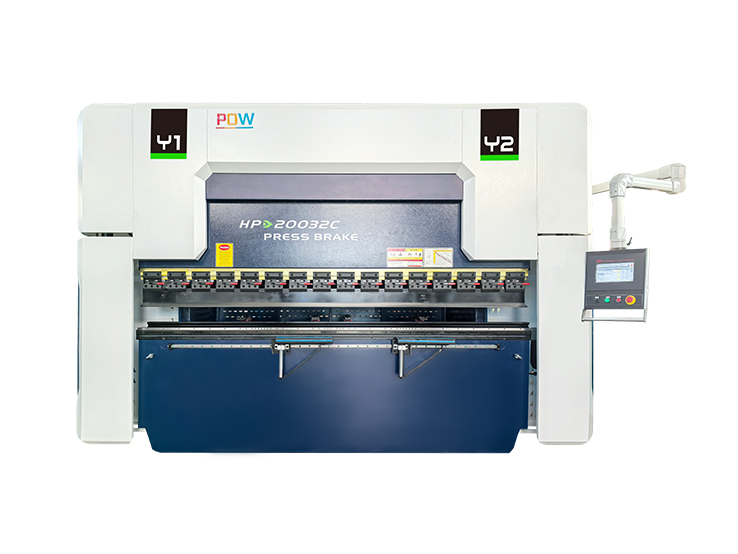 Press Brake
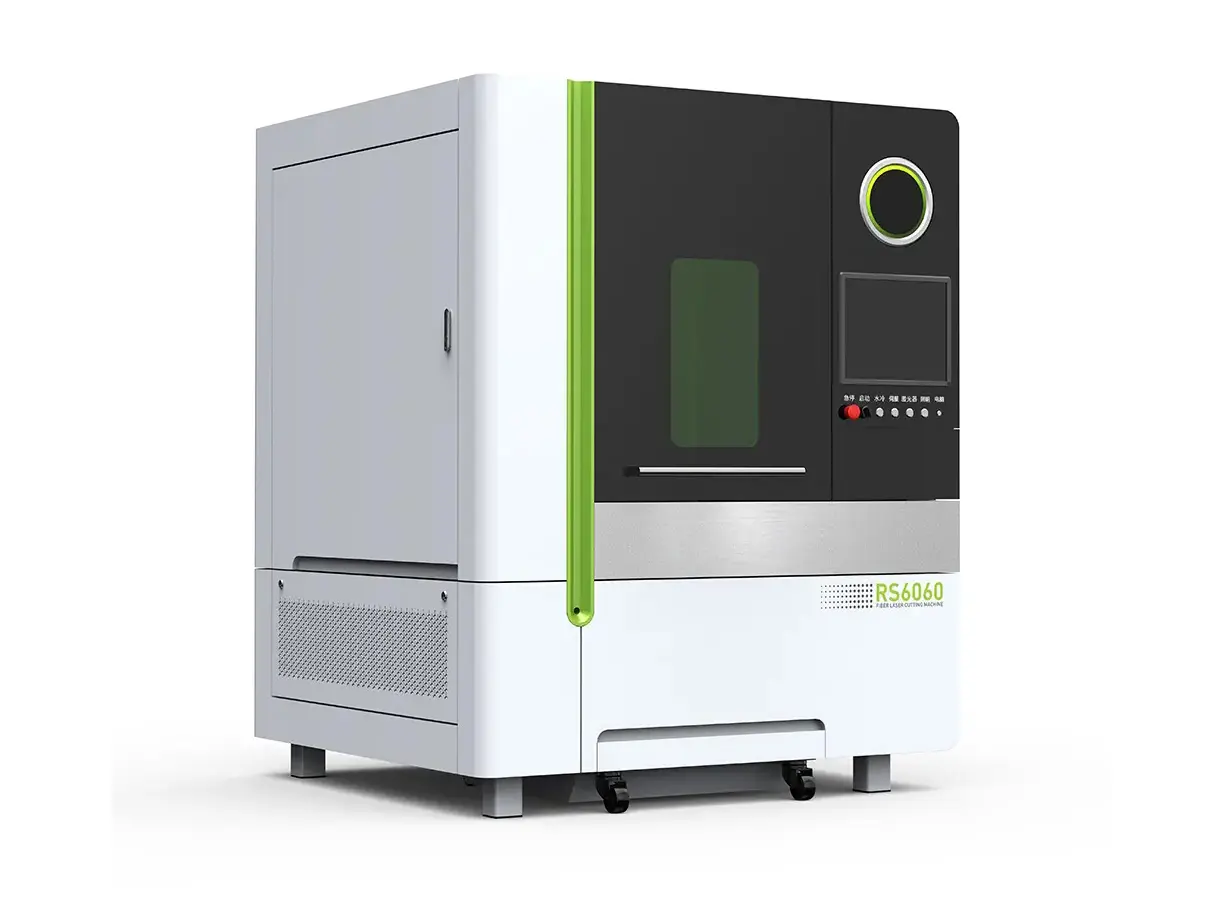 CNC Laser
 Industry Robot
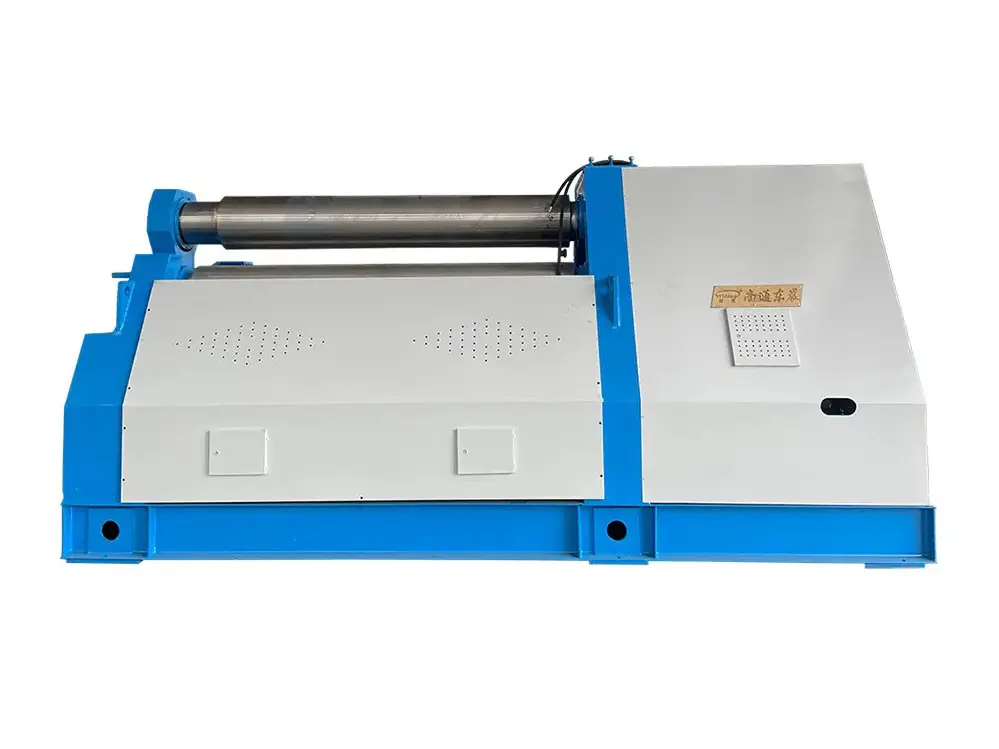 Plate Rolling Machine
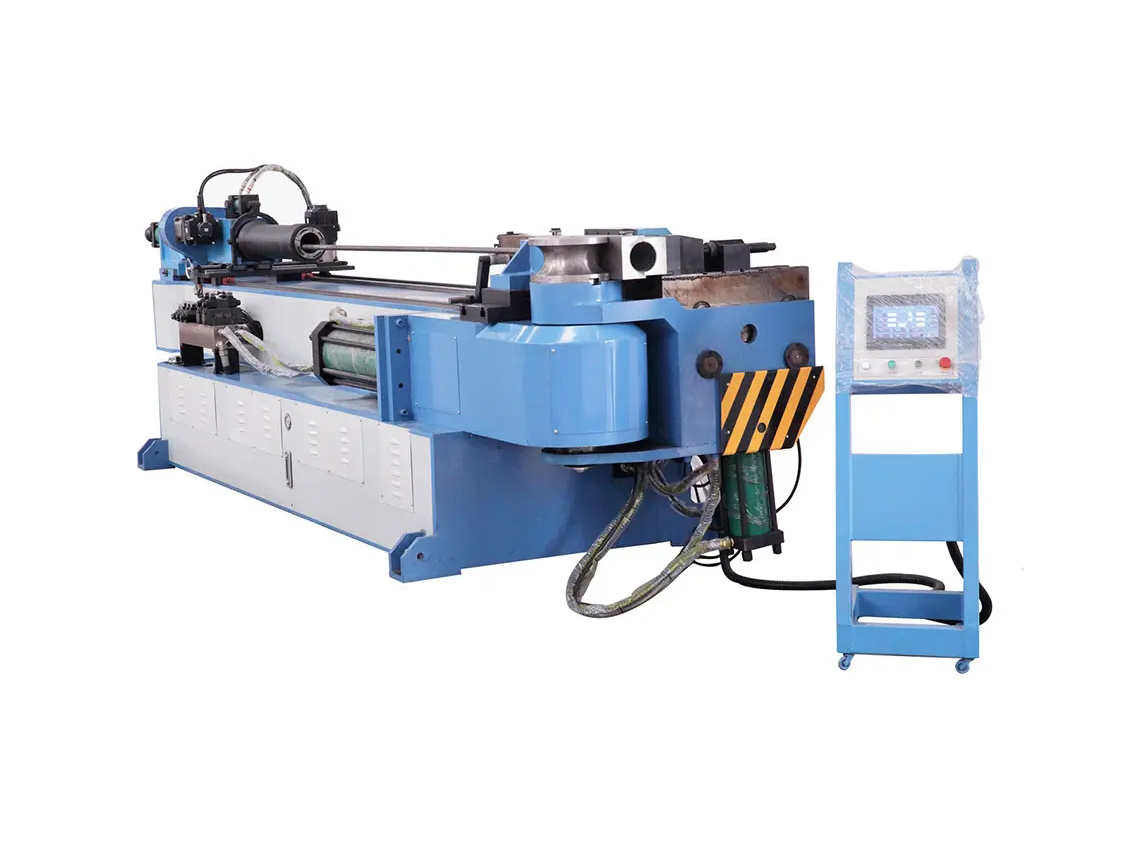 Tube Bending Machine
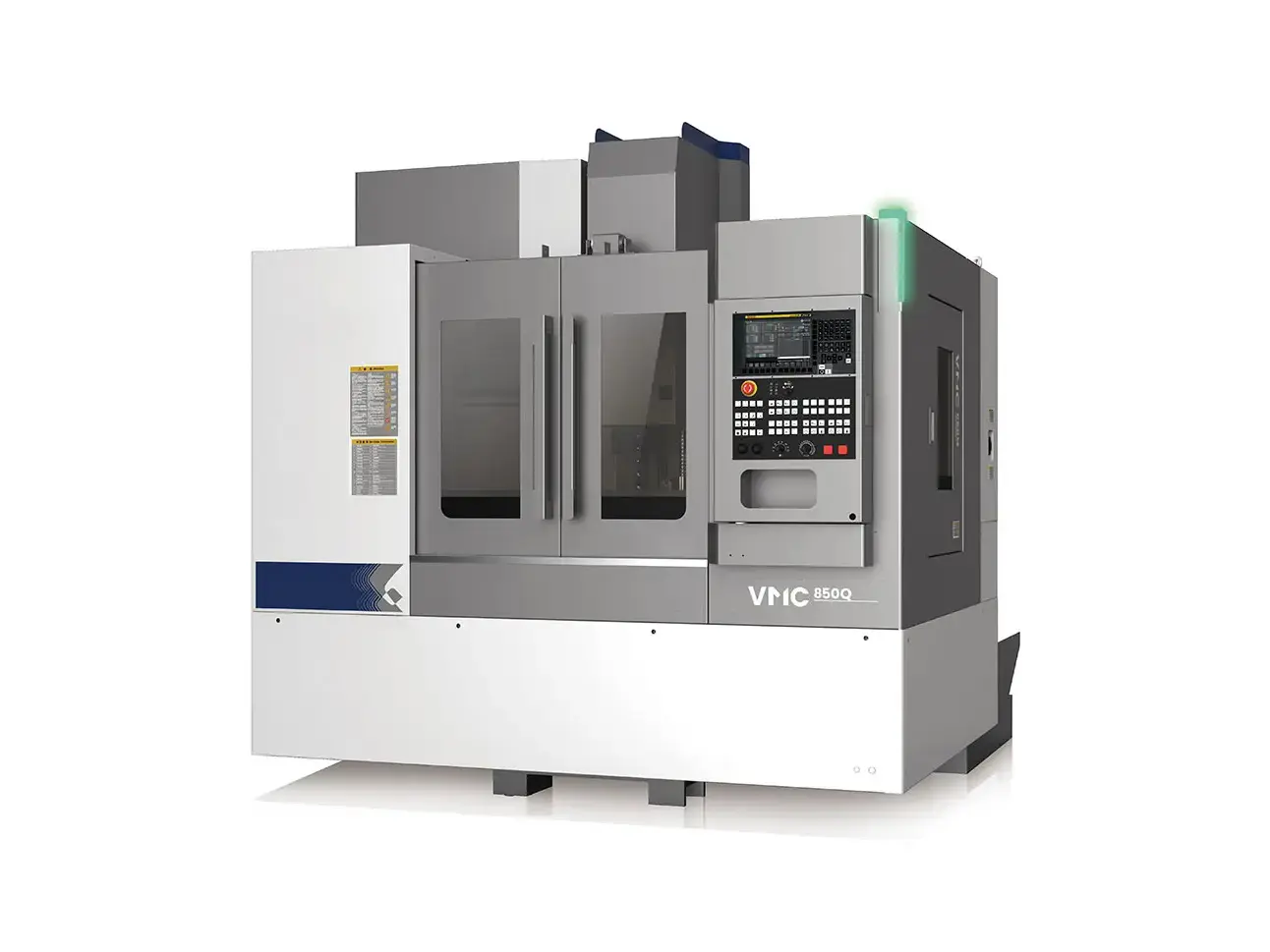 Lathe and Machining Center
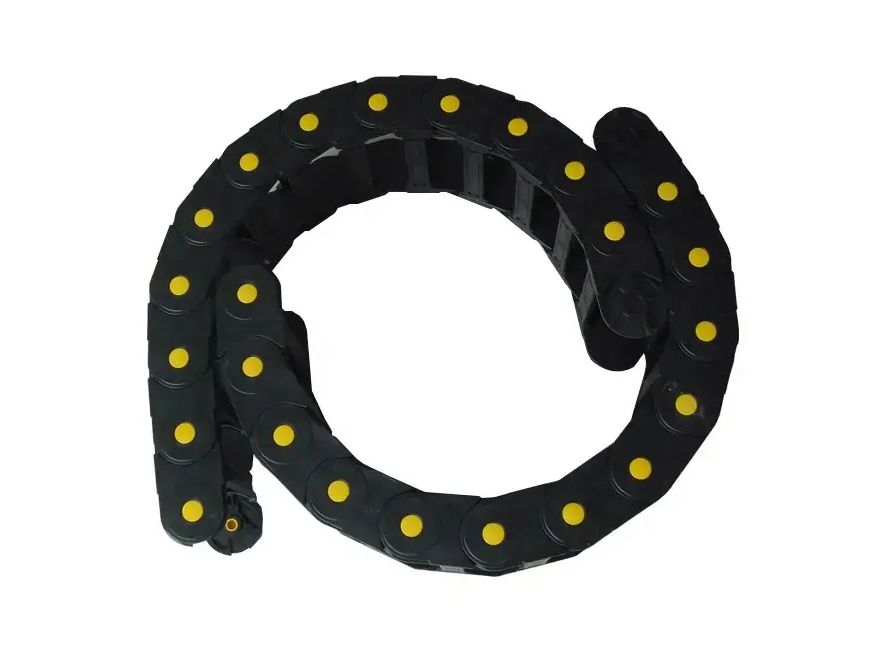 Machine Protection Products